The Signal
"The truth isn't out there—it's right through your skin."

I first watched The Signal on a Tuesday afternoon while my neighbor was obsessively power-washing his driveway. The rhythmic, mechanical drone of the water hitting the pavement actually synced up perfectly with the film’s sterile, industrial soundscape, making the whole experience feel like a 4D immersive event I didn’t ask for. But even without the yard-work accompaniment, William Eubank’s 2014 sci-fi head-trip is a film that demands you pay attention to its texture.
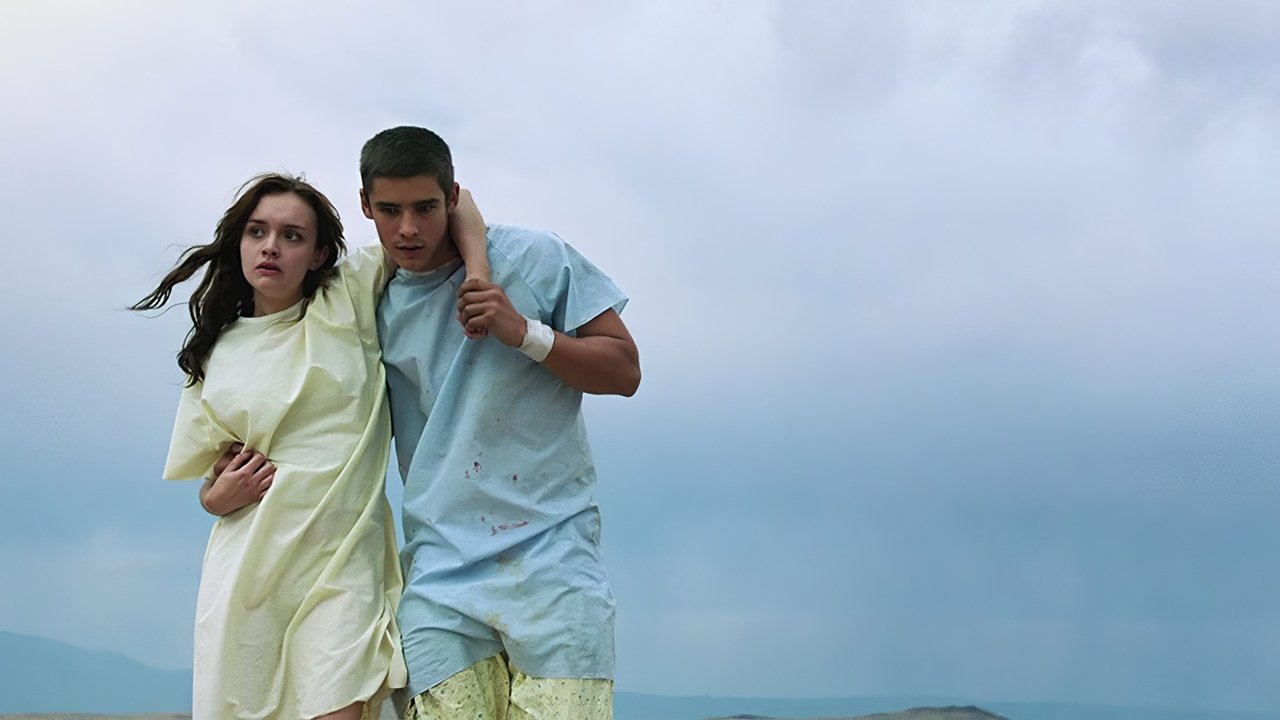
By 2014, the "found footage" craze was finally gasping its last breath, and the indie sci-fi scene was shifting toward something slicker and more clinical. The Signal arrived right at that pivot point. It starts like a low-budget road trip thriller—three college kids, a mysterious hacker named "Nomad," and a detour into the Nevada desert—before it violently yanks the rug out from under you. It’s a movie that thrives on the "What If," but it’s the "How Did They Film That?" that kept me leaning in.
The $4 Million Illusion
The most staggering thing about The Signal isn't the plot twist; it's the price tag. Produced for a mere $4 million, the film looks like it cost ten times that. This is the ultimate "calling card" movie, where director William Eubank—who started as a cinematographer at Panavision—uses every trick in the book to maximize his resources. Instead of drowning the screen in cheap CGI, he leans into high-contrast lighting, slow-motion sequences that feel like moving oil paintings, and incredibly deliberate production design.
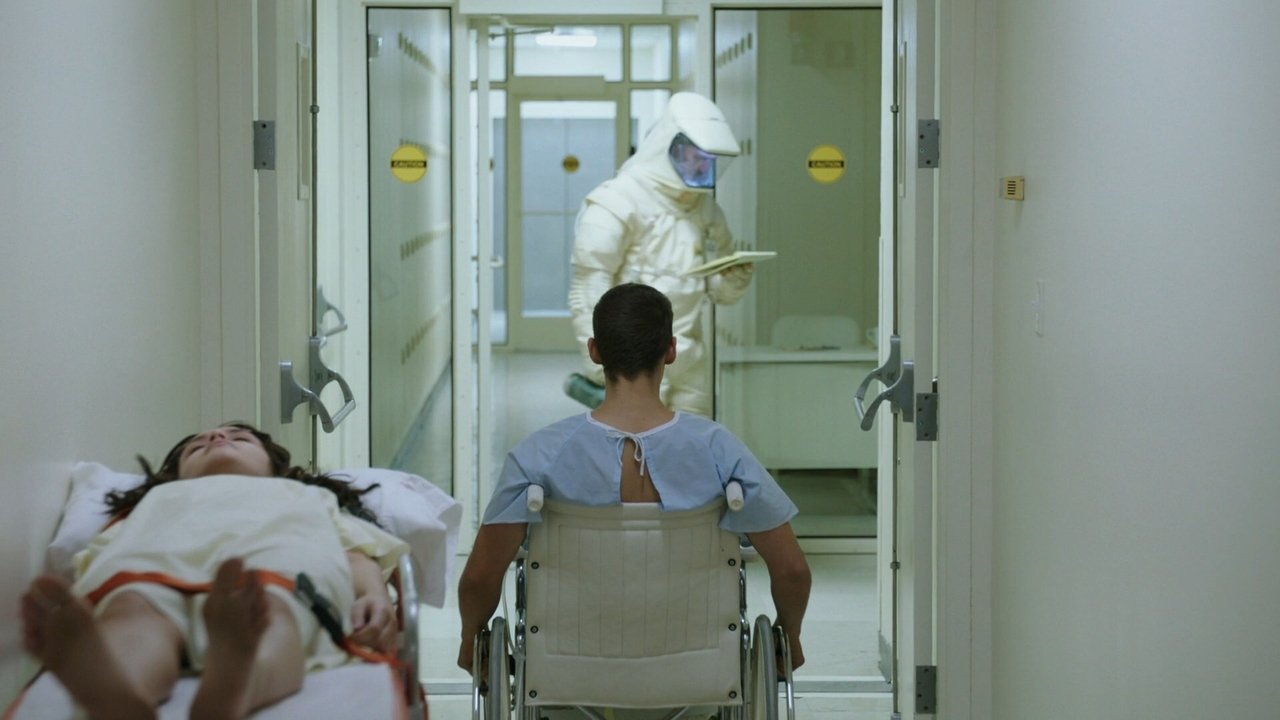
I’m always fascinated by how indie filmmakers solve problems with creativity rather than cash. Eubank shot this in just 28 days across New Mexico. When the characters eventually wake up in a subterranean research facility, the sets are strikingly minimalist. It’s all white walls, heavy doors, and hazy glass. It’s a classic indie move: if you can’t afford a sprawling alien city, build a very convincing, very creepy hallway. It’s basically a masterclass in making "empty space" feel more expensive than a crowded room.
A Shift in Frequency
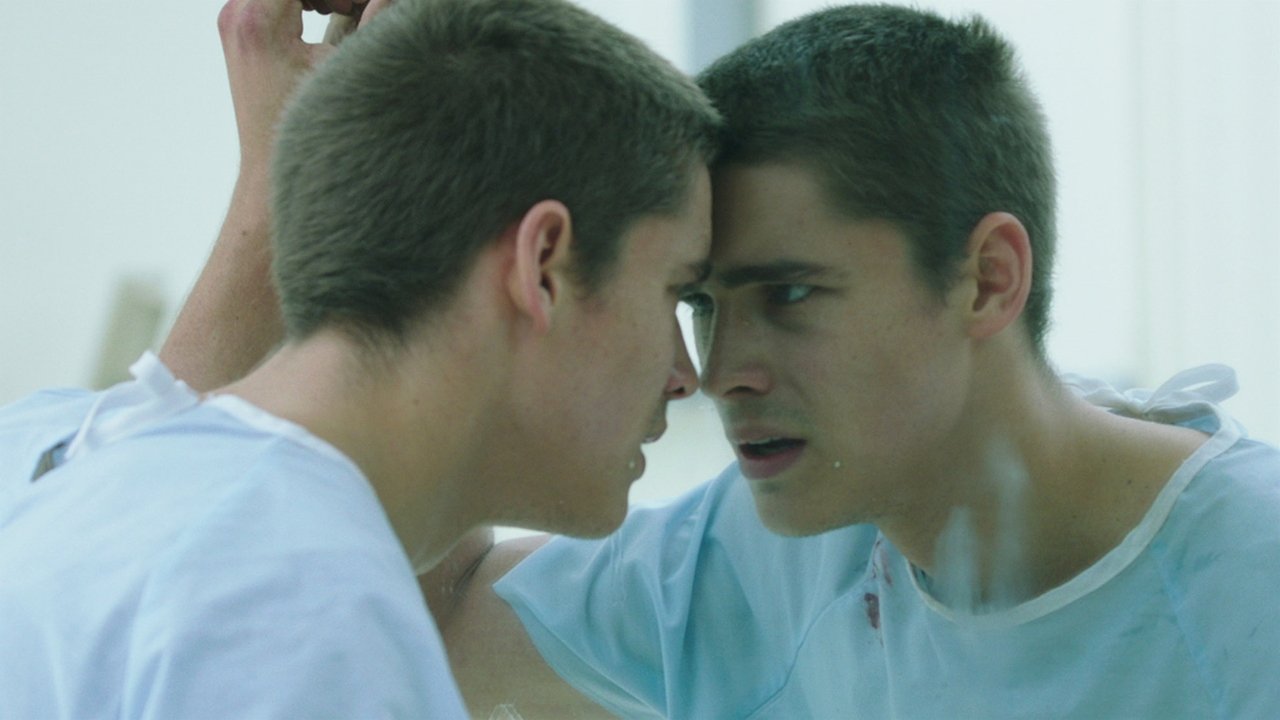
The story follows Nic (Brenton Thwaites), a MIT student struggling with a degenerative neurological condition that requires him to use forearm crutches. He’s on a cross-country move with his girlfriend, Haley (Olivia Cooke), and his best friend, Jonah (Beau Knapp). When they get baited into an abandoned house by a hacker, the film shifts gears from a Blair Witch style mystery into something far more Kafkaesque.
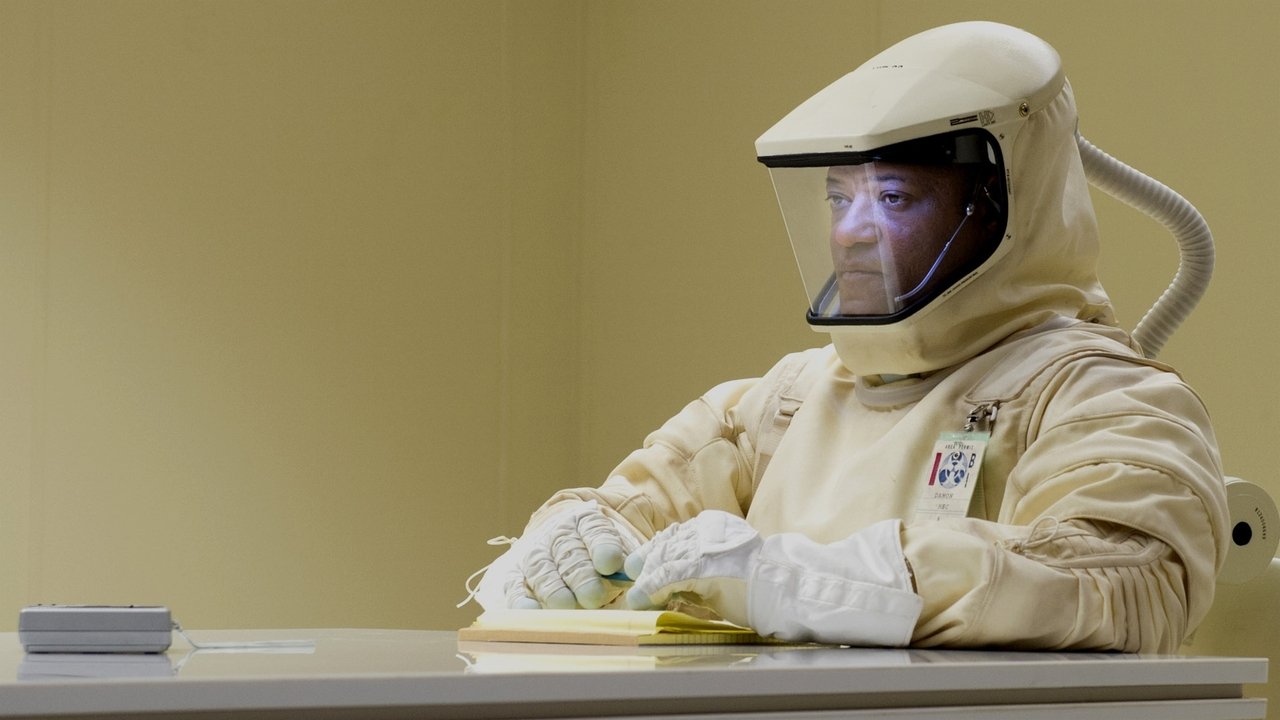
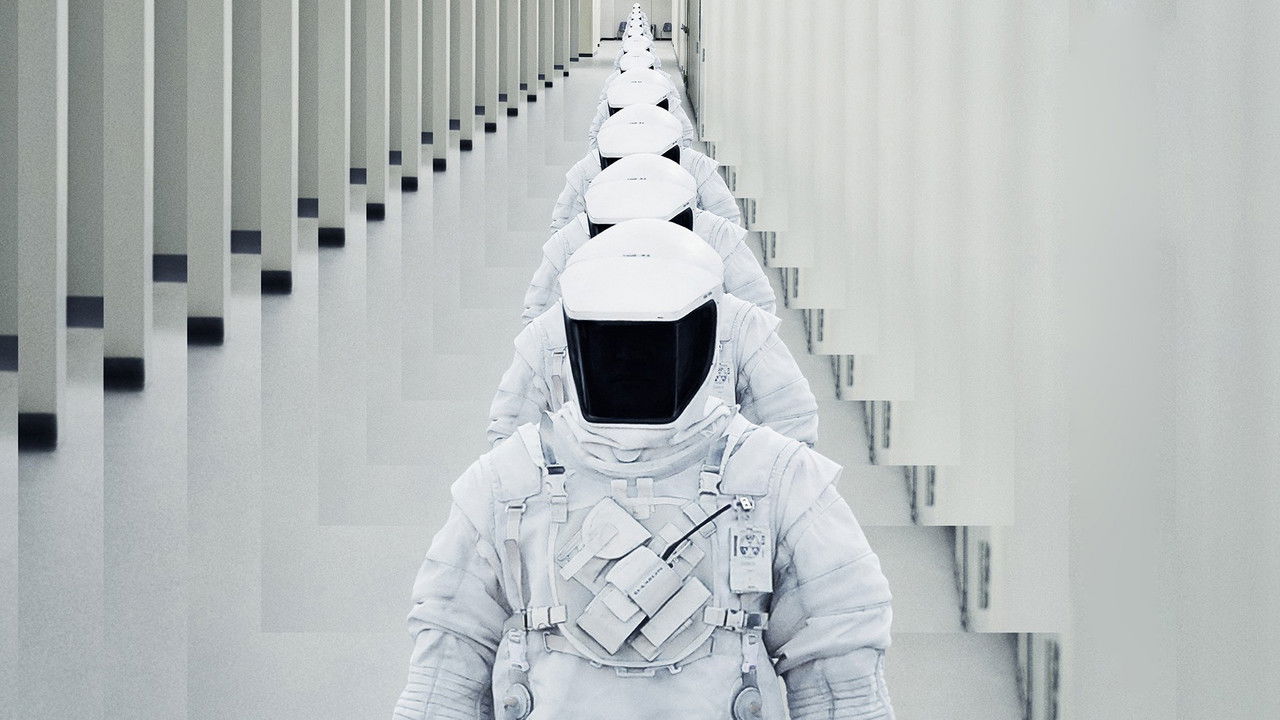
Nic wakes up in a sterile facility being questioned by Dr. Wallace Damon, played by Laurence Fishburne. This was a brilliant casting choice. At this point in his career, Fishburne could play a mysterious authority figure in his sleep, but here he brings a quiet, unsettling stillness. He’s wrapped in a bulky, white hazmat suit for most of the film, and the way Eubank frames him—often in perfectly symmetrical wide shots—makes him feel less like a doctor and more like a high-tech grim reaper. Fishburne manages to be more intimidating with a calm voice and a clipboard than most actors are with a machine gun.
Clinical Horrors and Chrome Dreams
As Nic tries to escape the facility, the film leans hard into its sci-fi conceit. We get some smaller, weirder performances from character actors like Robert Longstreet and a delightfully unhinged Lin Shaye, who help flesh out the feeling that the world has gone completely sideways.
Without spoiling the reveals, the third act is where the "Indie Gem" status really shines. The visual effects team (working on a shoestring) created some of the most unique prosthetic designs I’ve seen in the modern era. There is a specific reveal involving Nic’s legs that is both horrifying and undeniably cool. The climax of the film feels like a live-action version of a high-end video game cutscene, but it works because the emotional stakes—Nic’s desperation to find Haley—are kept front and center.
Looking back from the 2020s, The Signal feels like a bridge between the gritty realism of 2000s sci-fi and the neon-soaked "synth-wave" aesthetic that would take over the indie scene a few years later. It’s not a perfect film; the logic of the "Signal" itself is a bit hand-wavy, and the ending is the kind of "wait, what?" moment that will either leave you exhilarated or throwing your popcorn at the screen. But as a piece of visual storytelling, it’s a triumph of ambition over budget.
The Signal is a film that rewards those who appreciate the craft of filmmaking as much as the story itself. It’s a mood piece that isn't afraid to be weird, slow, and eventually, incredibly loud. While the narrative might feel a little thin if you try to pull all the threads, the sheer audacity of its visual execution makes it a mandatory watch for any sci-fi enthusiast. It reminds me that you don't need a hundred million dollars to build a world; you just need a good lens and the guts to get weird with it.
Keep Exploring...
-
Monsters
2010
-
Dark Skies
2013
-
Cube Zero
2004
-
Primer
2004
-

Predators
2010
-
Contagion
2011
-
Cube
1998
-

Timecrimes
2007
-
Coherence
2014
-

9
2009
-
Carriers
2009
-
Gamer
2009
-

G.I. Joe: The Rise of Cobra
2009
-

Knowing
2009
-
Pandorum
2009
-
Race to Witch Mountain
2009
-
Surrogates
2009
-

Terminator Salvation
2009
-

The Box
2009
-

The Fourth Kind
2009