The Theory of Everything
"The mathematics of hope, the physics of a marriage."
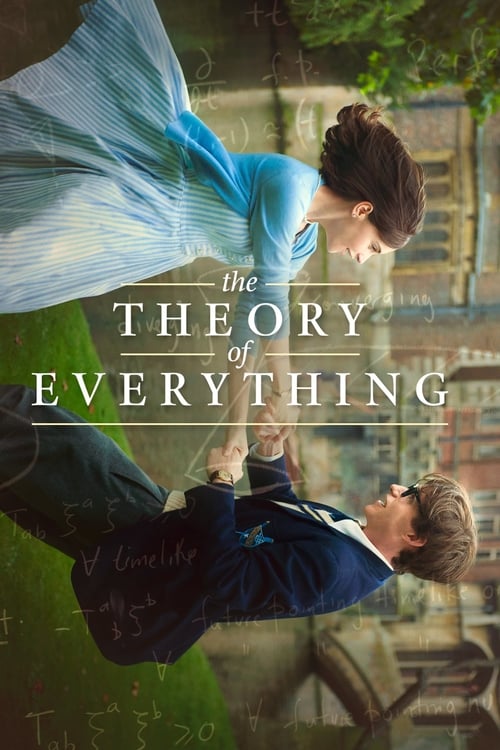
I watched The Theory of Everything on a Tuesday night while eating a bowl of Honey Nut Cheerios that had gone dangerously soggy, but I was so mesmerized by Eddie Redmayne’s eyebrows that I completely forgot to finish the milk. It’s one of those rare films where the physical transformation of the lead actor is so absolute that you stop looking for the performance and start worrying about the person.
Back in 2014, we were right in the thick of the "Prestige Biopic" era. You know the type: a British genius, a tragic obstacle, a supportive spouse, and enough soft-focus cinematography to make everything look like it was filmed inside a jar of marmalade. On paper, this film looks like "Oscar Bait" in its purest, most concentrated form. Most biopics are just glorified Wikipedia pages with a better lighting budget, but director James Marsh (who gave us the gripping documentary Man on Wire) manages to steer this away from being a mere checklist of life events.
The Physics of a Performance
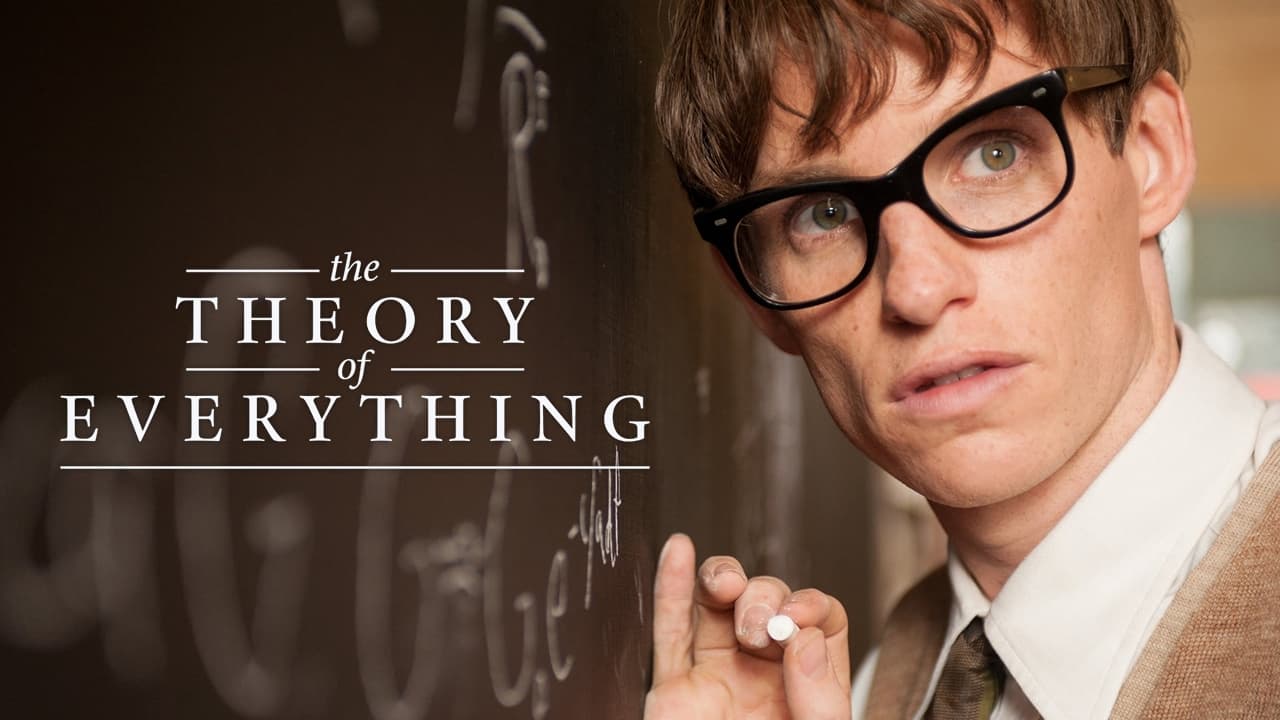
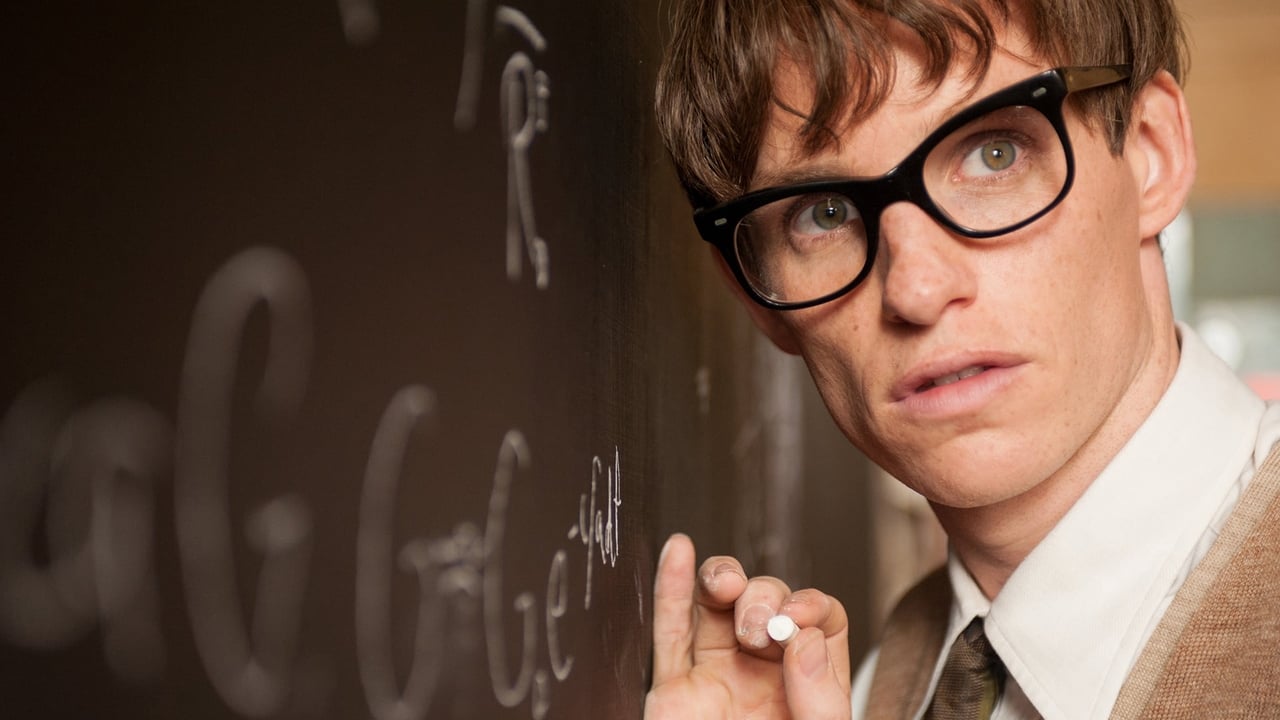
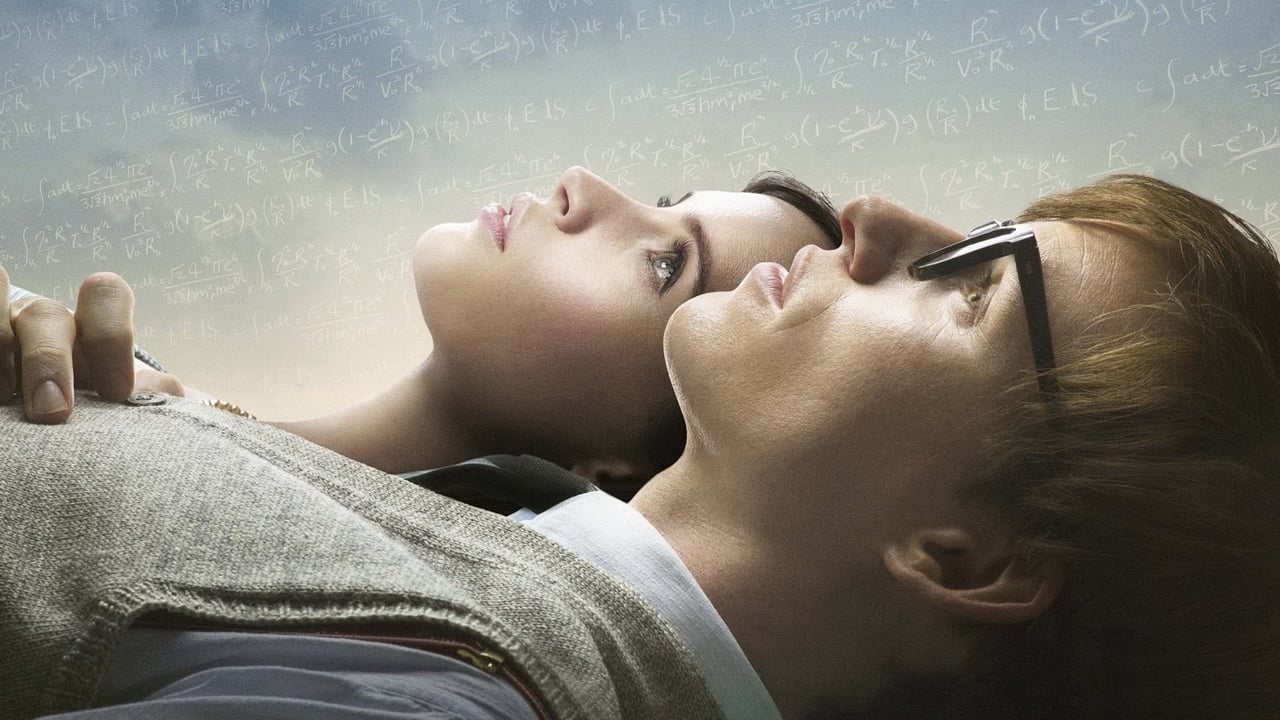
The heavy lifting here is done by Eddie Redmayne, who won the Best Actor Oscar for this role, beating out Michael Keaton in Birdman in what was one of the tensest awards races of the decade. Watching it now, you can see why. Redmayne doesn’t just "act" disabled; he captures the slow, agonizing erosion of Stephen Hawking’s motor functions with a terrifyingly quiet precision.
Apparently, Redmayne spent six months researching ALS, interviewing patients, and even working with a movement coach to ensure his body contorted in the exact way Hawking’s did. It’s said he spent so much time hunched over in the wheelchair between takes that he actually altered the alignment of his own spine. That’s the kind of dedication that makes my back ache just thinking about it. But the real magic isn't in the slump of his shoulders; it’s in his eyes. When the voice goes, the mischief remains. He plays Hawking not as a saintly figure of tragedy, but as a cheeky, occasionally stubborn man who happens to be trapped in a failing machine.
The Woman Behind the Blackboard
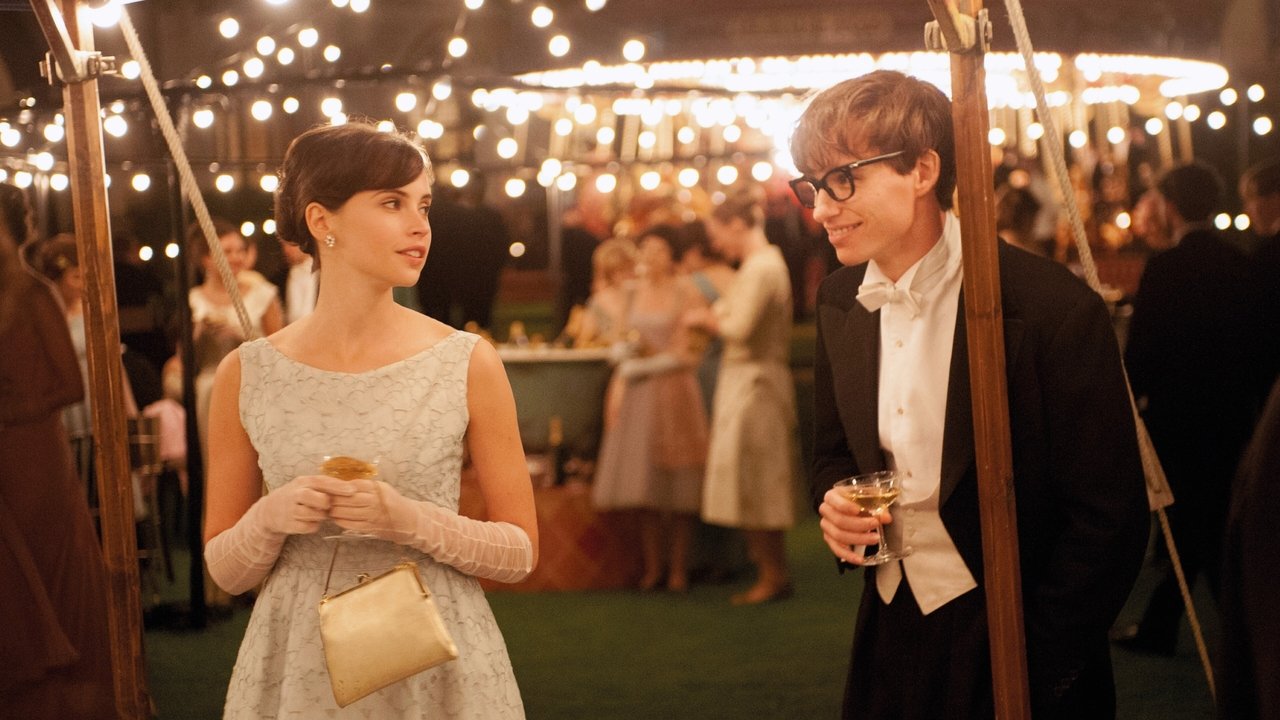
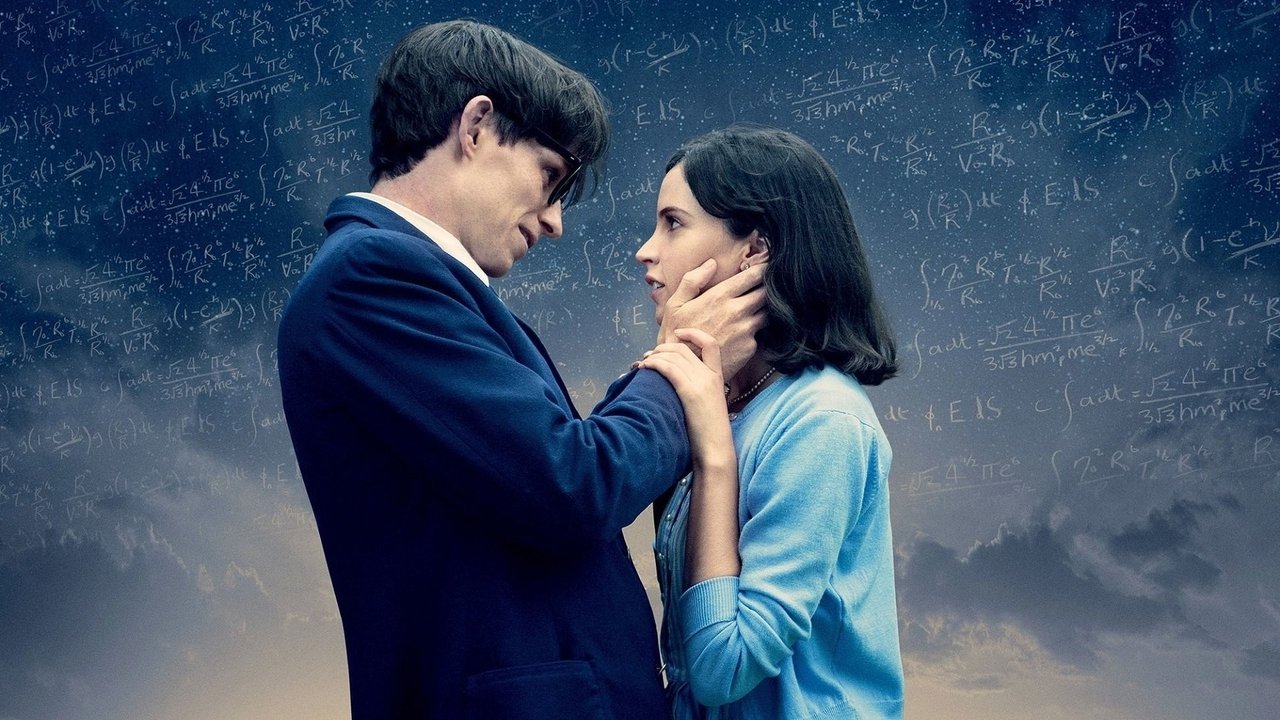
While Redmayne got the gold statue, I’ve always felt that Felicity Jones is the actual soul of the movie. Playing Jane Hawking, she has the thankless task of being the "supportive wife," a trope that usually ends up feeling flat. However, Jones brings a steely, quiet exhaustion to the role. We see the toll that caretaking takes—the isolation, the physical strain of hauling a wheelchair up the stairs of a Cambridge Victorian, and the complex guilt of falling for someone else (Charlie Cox, long before he was Daredevil).
The film is based on Jane’s own memoir, Travelling to Infinity: My Life with Stephen, and that perspective shift is vital. It’s not just a movie about black holes and singularities; it’s a movie about the crushing weight of a mortgage and three kids when your husband is a global icon who can't hold a spoon. The chemistry between Redmayne and Jones feels lived-in and honest, evolving from the giddy "meet-cute" at a college party to a relationship that eventually, realistically, fractures under the pressure of time.
A Voice for the Ages
One of the coolest details about the production is the involvement of Stephen Hawking himself. After seeing the film, Hawking was so impressed that he gave the filmmakers permission to use his actual copyrighted computer voice. Before that, they were using a synthesized approximation, but the real deal adds a layer of authenticity that gives you chills. He reportedly said that at certain points, he thought he was watching himself on screen.
The technical polish of the film is quintessential 2010s prestige. The score by the late Jóhann Jóhannsson (who also did the haunting music for Arrival) is a masterpiece of tinkling pianos and soaring strings that manages to feel like the movement of stars. It doesn't overbear; it breathes. Combined with the cinematography of Benoît Delhomme, which uses warm, amber tones for the early years before cooling down as the marriage chills, the film is a visual treat. If you don’t cry during the final reverse-montage, you might actually be a robot. It’s a sequence that justifies the entire two-hour runtime, wrapping the cosmic and the personal into one heartbreaking bow.
The Theory of Everything manages to be a crowd-pleaser without feeling cheap. It’s a film that respects the intellect of its subject while focusing squarely on the heart of his household. Looking back a decade later, it remains one of the high-water marks of the modern biopic, proving that sometimes the most fascinating "theory" of all is simply how two people manage to stay in each other's orbit for as long as they do. It’s smart, it’s beautiful, and it’s a genuine reminder that time is the one thing none of us can outrun.
Keep Exploring...
-

About Time
2013
-
Mr. Nobody
2009
-

Flipped
2010
-
Her
2013
-
Love, Rosie
2014
-

Jane Eyre
2011
-

Pride & Prejudice
2005
-

Dilwale Dulhania Le Jayenge
1995
-

A Walk to Remember
2002
-
Eternal Sunshine of the Spotless Mind
2004
-
The Notebook
2004
-

Never Let Me Go
2010
-

The Duchess
2008
-
Forrest Gump
1994
-
Before Sunrise
1995
-

Titanic
1997
-
In the Mood for Love
2000
-
A Beautiful Mind
2001
-

Before Sunset
2004
-
(500) Days of Summer
2009