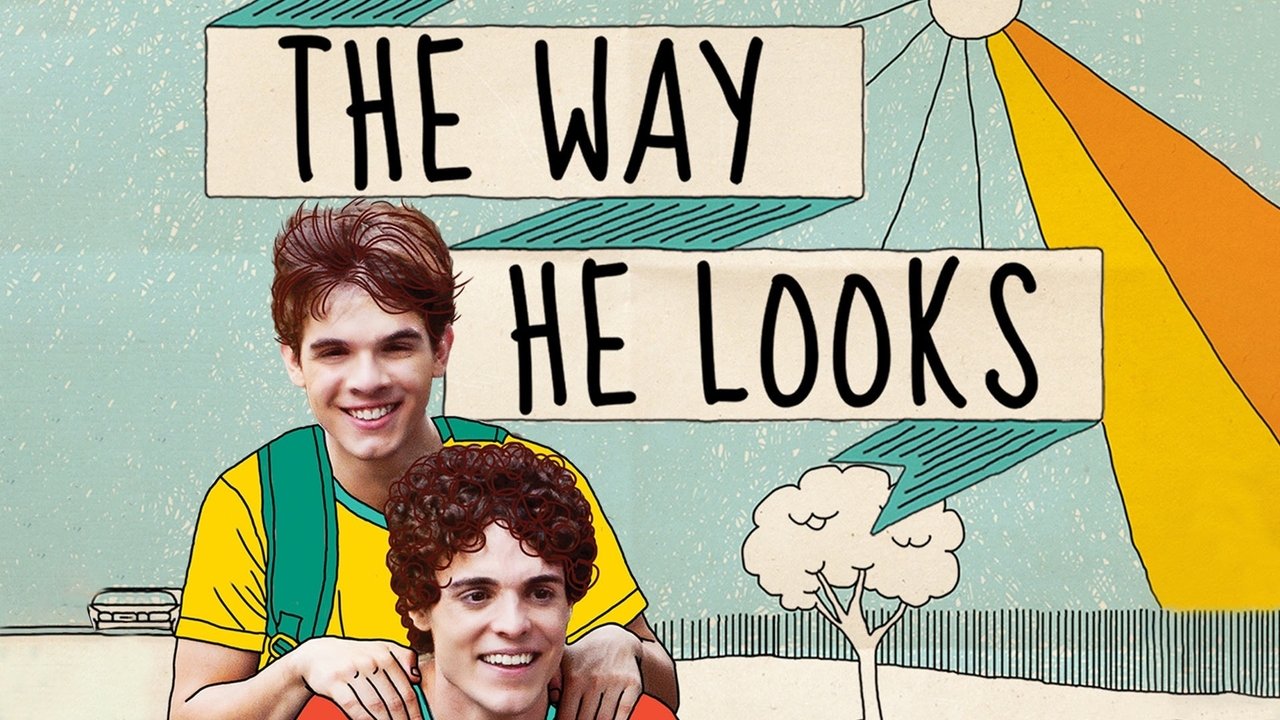
The Way He Looks
"Love is a sense all its own."
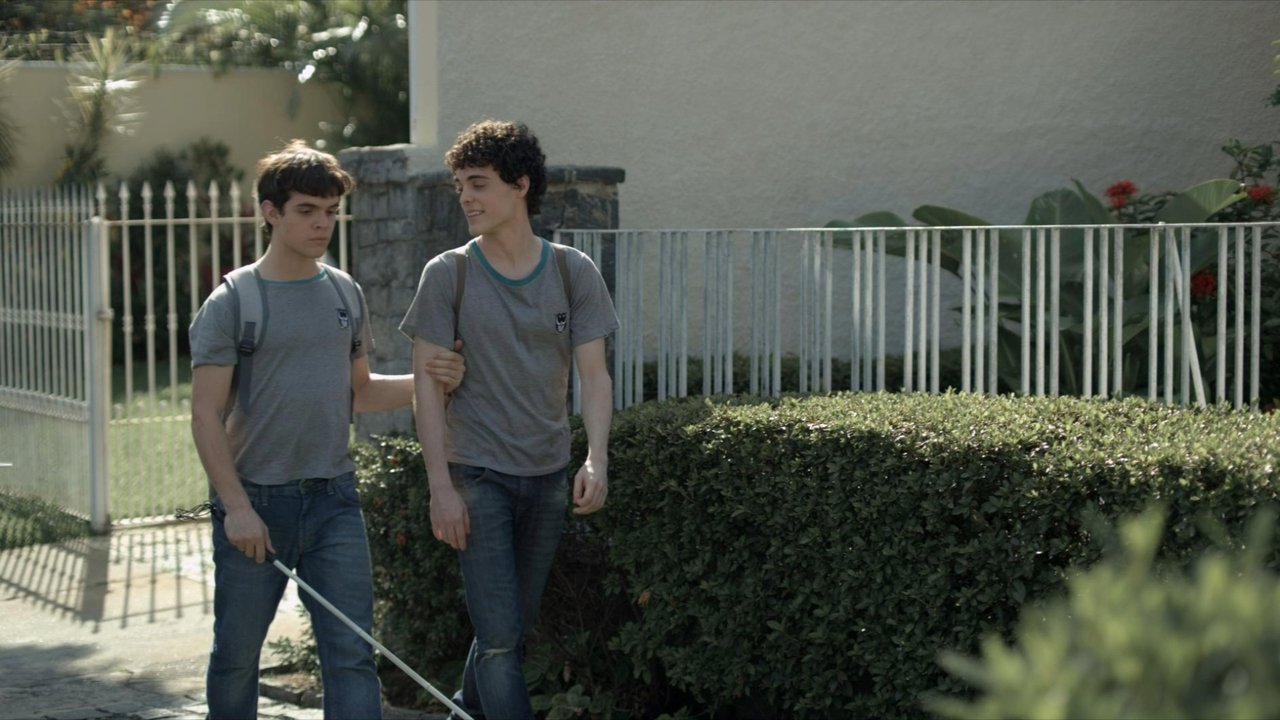
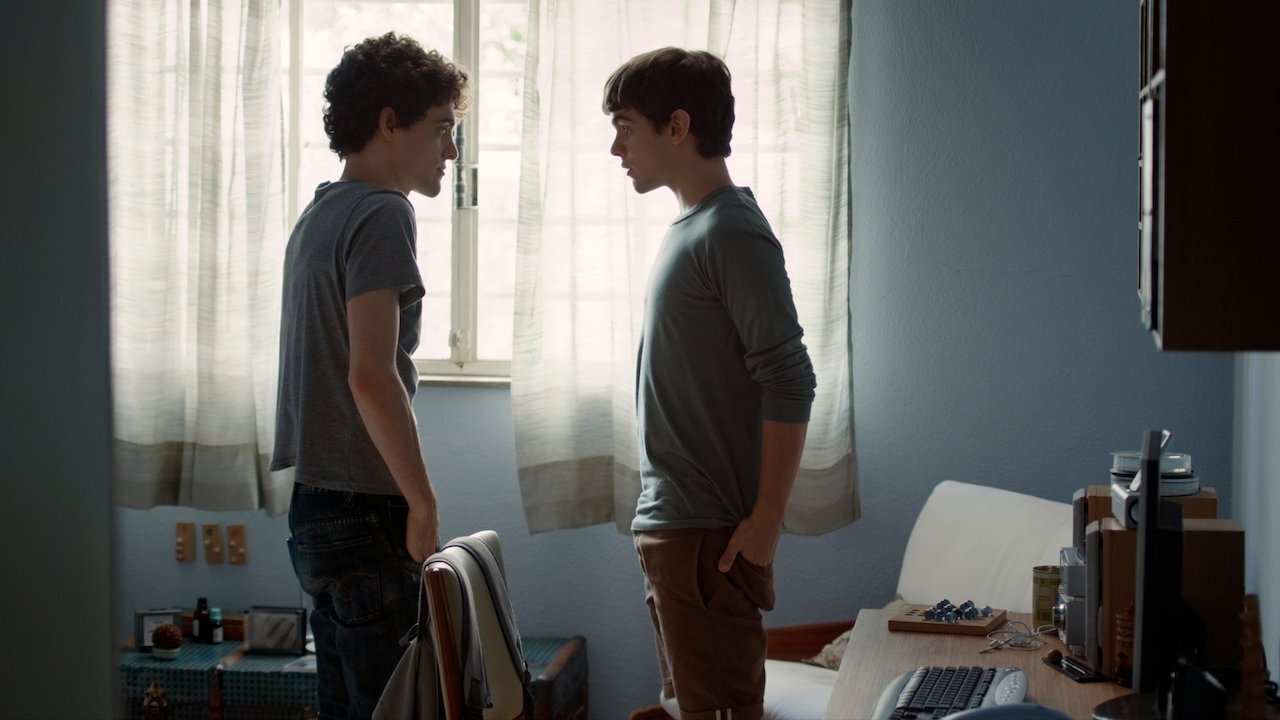
There is a specific, quiet rhythm to the way Ghilherme Lobo navigates a room as Leonardo. It isn't just about the white cane or the careful extension of a hand; it’s the way he tilts his head to catch the nuance of a voice or the shift of a body in the seat next to him. In a cinematic landscape usually obsessed with the "meet-cute" glance and the lingering stare, The Way He Looks (2014) performs a minor miracle: it crafts a romance that is entirely, stubbornly, and beautifully non-visual.
Released during that fascinating transition in the early 2010s—where global indie films were finally finding their legs on burgeoning streaming platforms after brief festival runs—this Brazilian gem feels like a time capsule of a more earnest era. It arrived just as the "Sundance aesthetic" was peaking, but it avoids the cynical irony that often plagued its contemporaries. Instead, director Daniel Ribeiro leans into the tactile.
The Philosophy of the Unseen Gaze
Most teen dramas are built on the architecture of looking. We see the popular girl walk down the hall; we see the pining boy watch her from afar. But what happens to the genre when the protagonist can’t participate in that visual economy? Leonardo is blind from birth, and his world is defined by the overbearing "protection" of his parents and the fierce, slightly possessive friendship of Giovana, played with a perfect mix of loyalty and teenage insecurity by Tess Amorim.
When Gabriel (Fábio Audi) arrives at their school, the shift in the atmosphere is felt rather than seen. I found myself thinking about the philosophical implications of Leo’s attraction. In our 2014 context—the height of the early Instagram "filtered" reality—Leonardo’s burgeoning crush on Gabriel is a radical rejection of the surface. He doesn't know if Gabriel is "hot" by social standards; he knows Gabriel’s music taste, the way he smells, and the way he treats Leo like a person rather than a project.
It’s a cerebral take on attraction that asks us to consider if we are all perhaps too blinded by what we see. The parents’ over-protectiveness isn’t just annoying; it’s a form of sensory claustrophobia that feels more stifling than Leo’s actual lack of sight.
A Masterclass in Subtlety
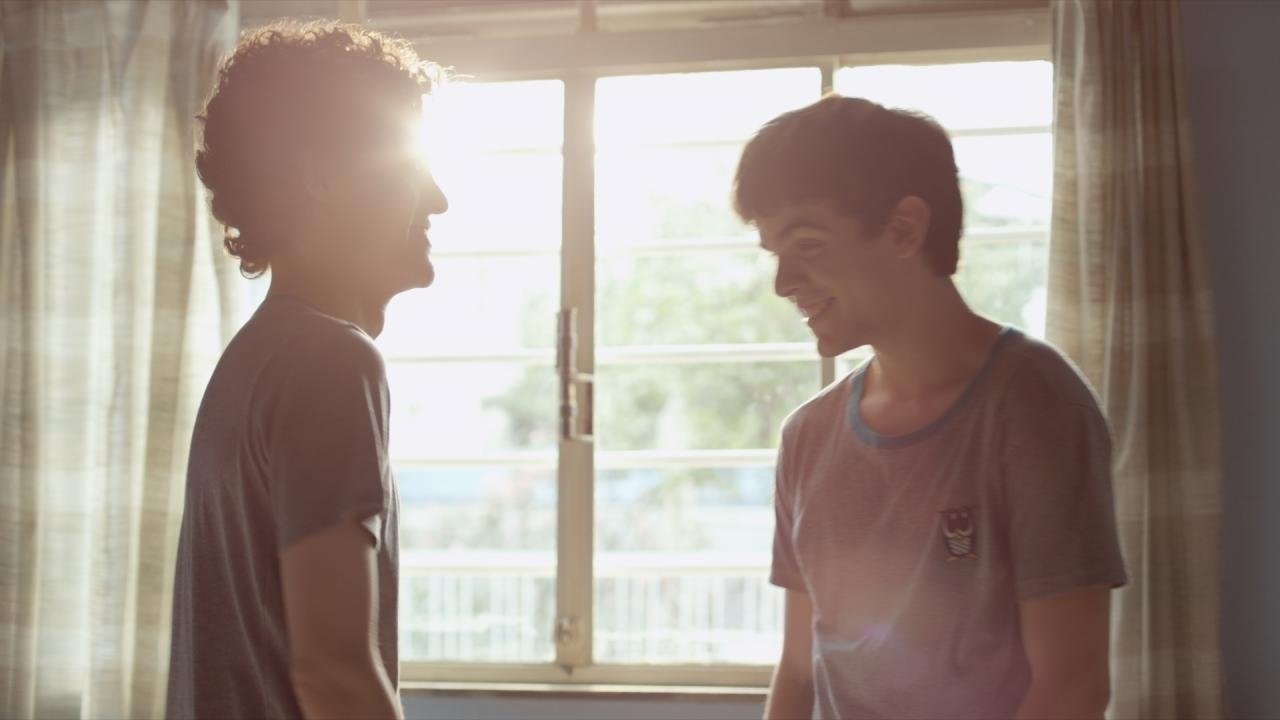
The chemistry between Ghilherme Lobo and Fábio Audi is the kind of lightning in a bottle that directors pray for. There’s a scene involving a shared hoodie and a dance to Belle and Sebastian’s "There’s Too Much Love" that I think about often. It’s a sequence that earns its emotional payoff by doing almost nothing at all. Daniel Ribeiro demonstrates incredible directorial restraint here, letting the camera linger on a hand or a shoulder, allowing the silence between the characters to do the heavy lifting.
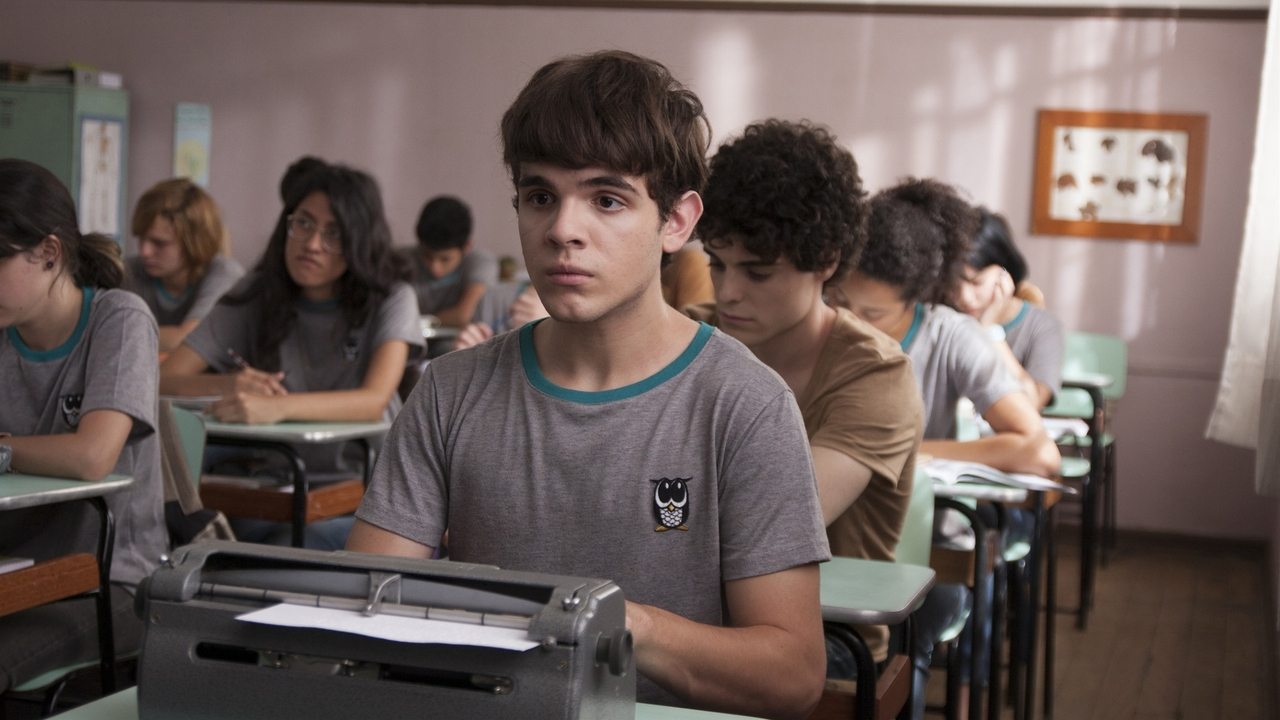
I watched this film on a Tuesday evening while my radiator was making a rhythmic, clanking sound that perfectly matched the beat of the music in the film, and it made the whole experience feel strangely immersive. It reminded me that drama doesn’t always need a high-stakes explosion or a tragic Third Act misunderstanding. Sometimes, the highest stake imaginable is just the courage to ask someone to help you with your braille homework.
Tess Amorim deserves a special mention for navigating the "best friend" trope without falling into caricature. Her Giovana is grieving the loss of her exclusive access to Leo. It’s a nuanced portrayal of that specific high school trauma: realizing your best friend is growing into a version of themselves that might not include you in the same way.
From Short Film to Global Indie Darling
Interestingly, The Way He Looks (originally titled Hoje Eu Quero Voltar Sozinho) started its life as a short film called Eu Não Quero Voltar Sozinho. In the early 2010s, that short became a viral sensation on YouTube, garnering millions of views from a global audience hungry for queer stories that didn't end in a hospital room or a funeral. It’s a rare example of a director taking a successful proof-of-concept and expanding the world without diluting the soul of the original.
The film also captures a specific moment in Brazilian cinema—one that was moving away from the gritty "favelas and firearms" tropes of the early 2000s (think City of God) and toward more intimate, character-driven narratives. It feels like a precursor to the wave of thoughtful, international LGBTQ+ cinema that would follow later in the decade.
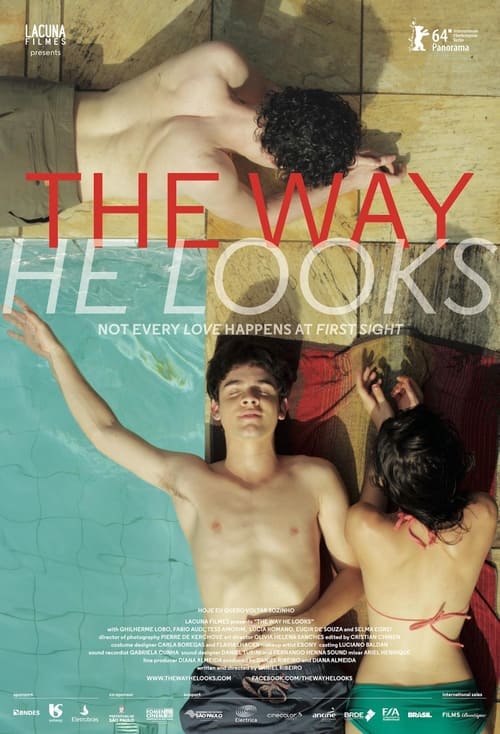
Looking back, the film’s "The Way He Looks" tagline—Not every love happens at first sight—is a bit on the nose, but it holds up. In an era where we were beginning to worry about the digital atomization of our lives, this movie was a reminder that the most profound connections are often the ones we can’t snap a photo of. It treats its characters with a level of respect that feels almost revolutionary.
The film is a triumph of empathy over artifice. It manages to be a "coming-of-age" story that actually feels like the characters are aging, learning, and expanding their boundaries in real-time. By the time the credits roll, you aren't just happy for Leonardo because he found love; you’re happy because he found the independence to decide what he wants his world to feel like. It’s a small, quiet film that leaves a massive footprint on the heart.
Keep Exploring...
-

My Name Is Khan
2010
-
Amour
2012
-
I Want You
2012
-
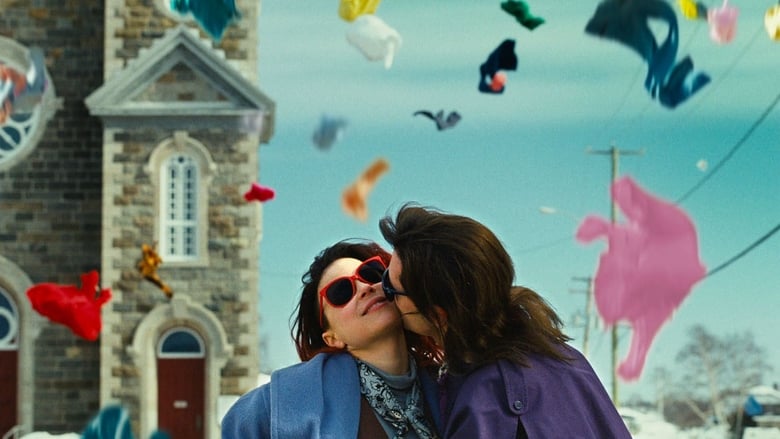
Laurence Anyways
2012
-
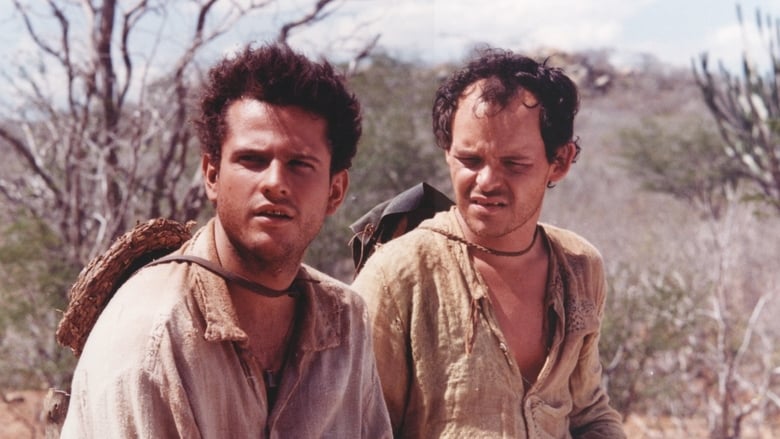
A Dog's Will
2000
-

Three Colors: Red
1994
-
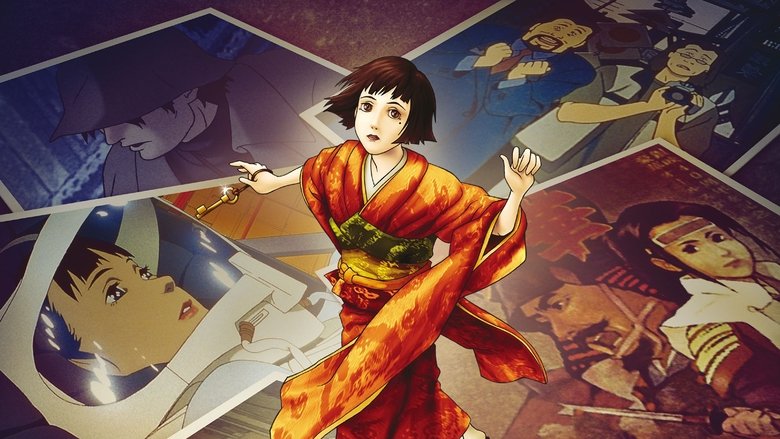
Millennium Actress
2002
-
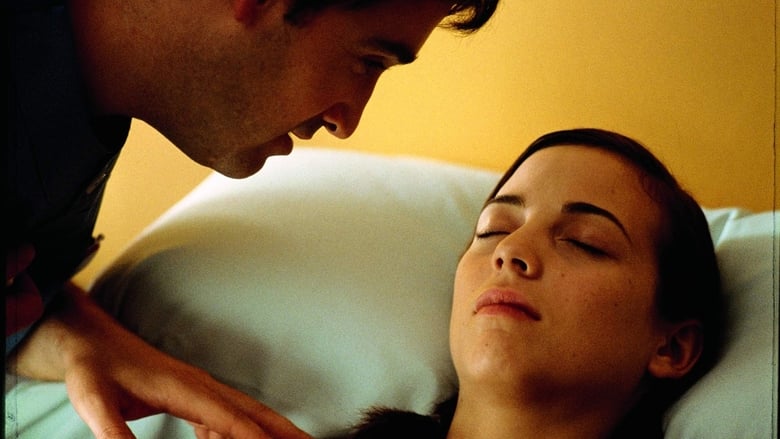
Talk to Her
2002
-
Mr. Nobody
2009
-

Flipped
2010
-

Three Steps Above Heaven
2010
-
Moonrise Kingdom
2012
-
About Time
2013
-
Before Midnight
2013
-
The Garden of Words
2013
-
A Single Man
2009
-
An Education
2009
-
Crazy Heart
2009
-
The Young Victoria
2009
-

Jane Eyre
2011