This Is Where I Leave You
"Four siblings, one house, zero boundaries."
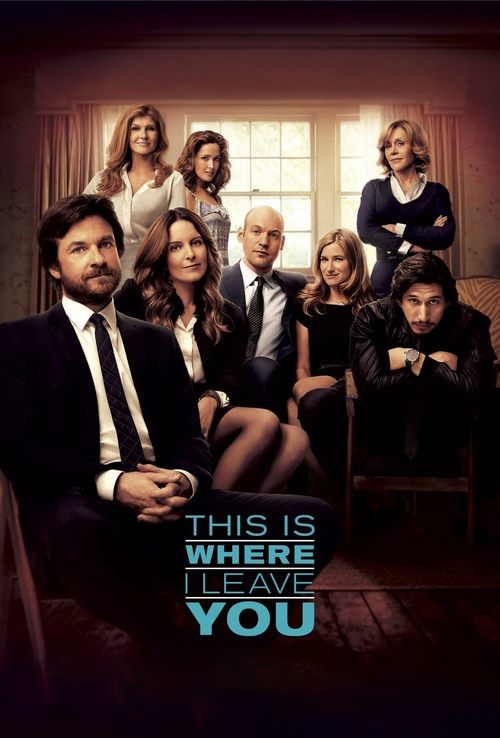
There was a specific window in the early 2010s where Hollywood was still convinced that if you threw enough A-list charisma into a suburban house and let them scream at each other for 100 minutes, you’d have a box office slam dunk. This Is Where I Leave You arrived right at the tail end of that era, acting as a sort of final, star-studded salute to the mid-budget ensemble dramedy before the industry pivoted almost entirely to capes, spandex, and multiversal reboots. Looking back at it now, it feels less like a typical "movie" and more like a high-end time capsule of a genre that has since been unceremoniously evicted from theaters and relocated to the "Original Movies" row on Netflix.
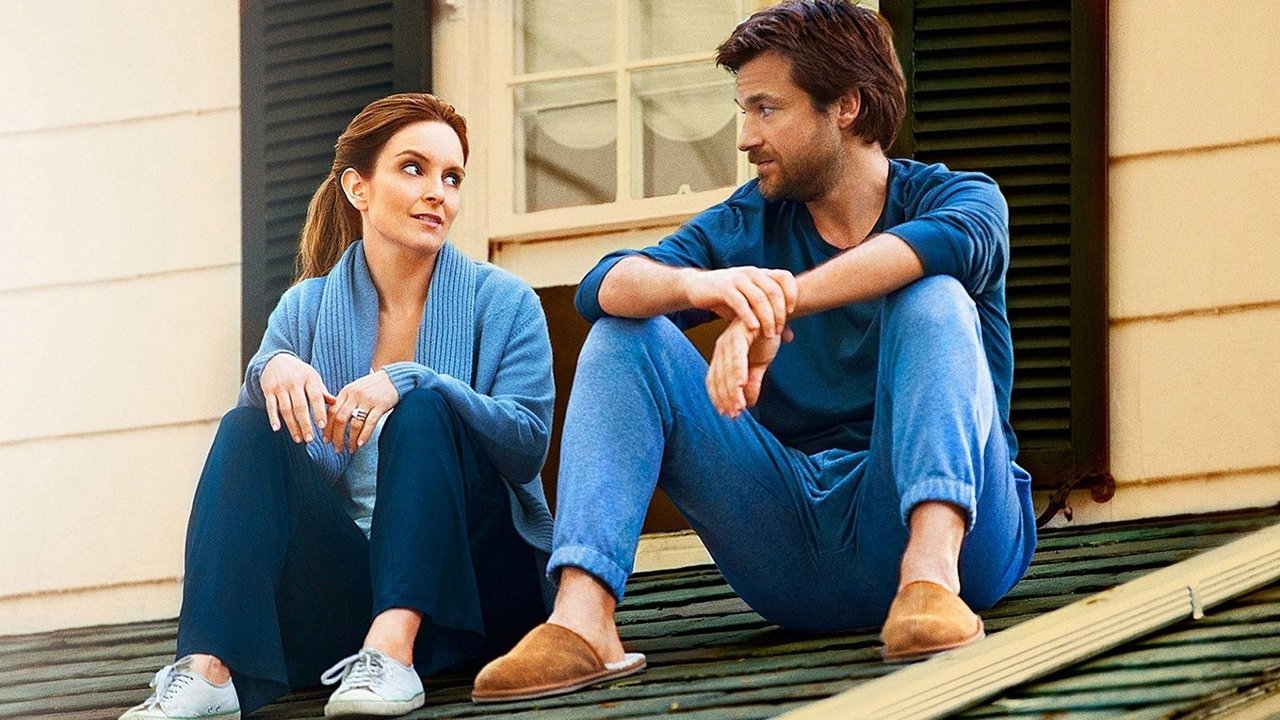
I recently revisited this one while my neighbor was outside unsuccessfully trying to learn the bagpipes. The mournful, wheezing drones of "Amazing Grace" drifting through my window actually provided a weirdly perfect soundtrack for the opening funeral scene. It added a layer of suburban absurdity that the film itself tries very hard to cultivate.
The Family Tree from Hell
The premise is a classic pressure cooker: a father dies, and his four grown children are forced to return to their childhood home to sit Shiva for seven days. This is at the request of their mother, played by a wonderfully filtered Jane Fonda (sporting a pair of surgically enhanced "bolts" that the movie references with the subtlety of a sledgehammer). The siblings are the real draw here, and the casting director deserves a vacation for assembling this roster.
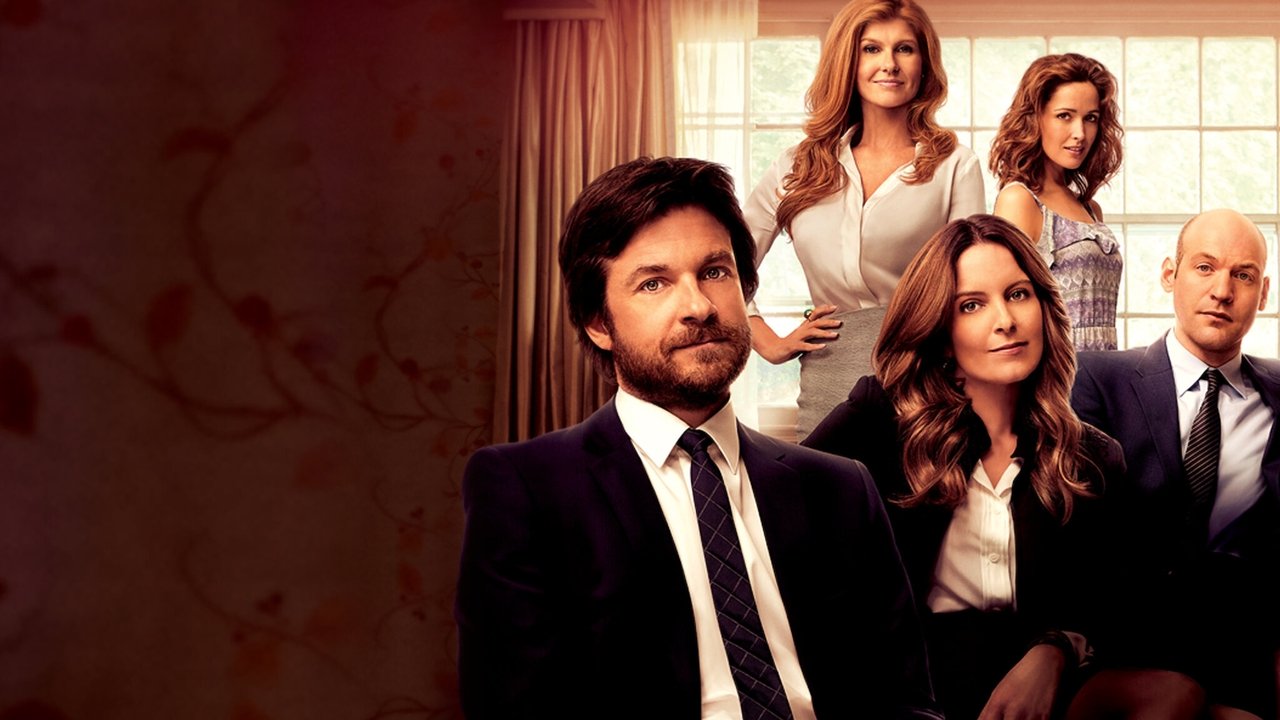
Jason Bateman plays Judd, the quintessential "Bateman Character"—dry, repressed, and currently reeling from finding his wife in bed with his boss. Tina Fey is Wendy, the sister who holds everyone’s secrets while her own marriage slowly turns into a lukewarm bath. Then you have Corey Stoll as the eldest brother, Paul, struggling with fertility issues and a massive chip on his shoulder, and Adam Driver as the youngest, Phillip.
Watching Adam Driver in this is a trip. This was 2014, just a year before The Force Awakens would catapult him into the stratosphere. Here, he’s a loose cannon in a vintage Porsche, playing the "irresponsible fuck-up" with an energy that feels slightly more dangerous and magnetic than the movie around him. His chemistry with the rest of the cast is what keeps the film from floating away into total cliché. He brings a jaggedness that offsets Jason Bateman’s polished exasperation.
A Snapshot of the "Almost-Blockbuster" Era

Director Shawn Levy is largely known for his massive, kinetic hits like Night at the Museum or, more recently, Deadpool & Wolverine. Seeing him work in a small-scale, dialogue-heavy space is fascinating. He doesn't go for flashy camera work; he lets the performers breathe. It’s a very "DVD Culture" kind of movie—the sort of flick where you can tell exactly which scenes were improvised and which ones were strictly from Jonathan Tropper’s screenplay (who also wrote the novel).
The film captures that weird 2014 aesthetic where digital cinematography started to look truly clean, almost too clean. The Altman house is a masterpiece of "shabby-chic" production design—the kind of place that looks like it smells of expensive laundry detergent and old secrets. It’s a very comfortable world to spend time in, even if the movie treats infidelity like a minor seasonal allergy. Everyone is cheating, or has cheated, or is thinking about cheating, yet the stakes feel oddly low because everyone is so charmingly attractive while they do it.
There’s a scene involving the four siblings hiding in a basement to smoke a joint that feels genuinely human. It’s not about the plot; it’s about the way siblings revert to being twelve years old the second they’re under the same roof. It’s those moments of performance nuance—the way Tina Fey looks at Rose Byrne (who plays Judd’s hometown "might-have-been") with a mix of pity and envy—that make the film worth the watch.
Why Did This One Slip Away?
Despite the star power, This Is Where I Leave You has sort of vanished from the cultural conversation. It’s a "hidden gem" not because it’s a misunderstood masterpiece, but because it’s a solid 7/10 in a world that now only seems to care about 1s and 10s. It was overshadowed in 2014 by bigger, louder dramas and the beginning of the "prestige TV" boom that started claiming these kinds of adult stories for the small screen.

Apparently, the production was a bit of a summer camp for the actors. Shawn Levy reportedly encouraged the cast to hang out in the house between takes to build a natural, bickering shorthand. You can feel that in the final cut; the insults fly with a speed that suggests they actually like each other. Also, look out for a pre-superstardom Kathryn Hahn and Timothy Olyphant in supporting roles. The bench is incredibly deep here.
The film handles its heavier themes—grief, infertility, the fear of becoming your parents—with a light touch. Some might call it "formulaic," but I’d argue it’s a well-executed formula. It’s comfort food with a sharp edge. It’s about the realization that you can never truly go home again, but you can at least go back and realize that everyone else is just as lost as you are.
This Is Where I Leave You is a charming reminder of what movies used to look like before they all had to lead into a sequel. It doesn't reinvent the wheel, but it features a group of world-class actors who seem to be having a genuinely good time being miserable together. It’s the perfect film for a Sunday afternoon when you want to feel something, but not too much.
---

Keep Exploring...
-
Big Fat Liar
2002
-
The Informant!
2009
-

Morning Glory
2010
-

The Odd Life of Timothy Green
2012
-

What to Expect When You're Expecting
2012
-

Men, Women & Children
2014
-
The Cobbler
2014
-
The Hundred-Foot Journey
2014
-
Veronica Mars
2014
-

Cheaper by the Dozen
2003
-
Night at the Museum: Battle of the Smithsonian
2009
-

Princess Protection Program
2009
-

Wizards of Waverly Place: The Movie
2009
-

Lemonade Mouth
2011
-

Salmon Fishing in the Yemen
2012
-
Drinking Buddies
2013
-

Filth
2013
-
Stuck in Love
2013
-
The 100 Year-Old Man Who Climbed Out the Window and Disappeared
2013
-
Night at the Museum: Secret of the Tomb
2014