Time Lapse
"Smile now. Die tomorrow."
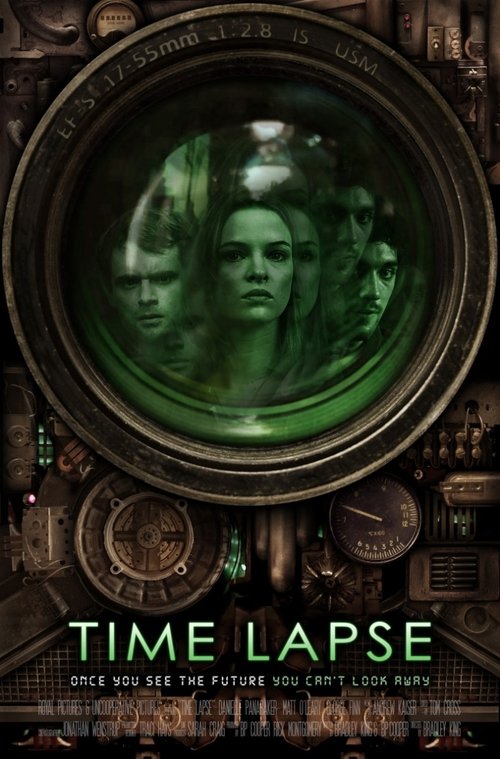
I’ve always had a soft spot for what I call "apartment thrillers"—those high-concept indie films that realize they don’t have the budget for a sprawling cityscape, so they turn a two-bedroom rental into a pressure cooker. I first stumbled upon Time Lapse on a rainy Tuesday while I was supposed to be fixing a leaky faucet in my kitchen. I ended up sitting on the floor with a pipe wrench in one hand and a half-eaten sleeve of Thin Mints in the other, completely forgetting about the water pooling near my boots as the credits rolled. It’s one of those "hidden gems" that actually deserves the label, mostly because almost nobody saw it when it sputtered into a handful of theaters in 2014.
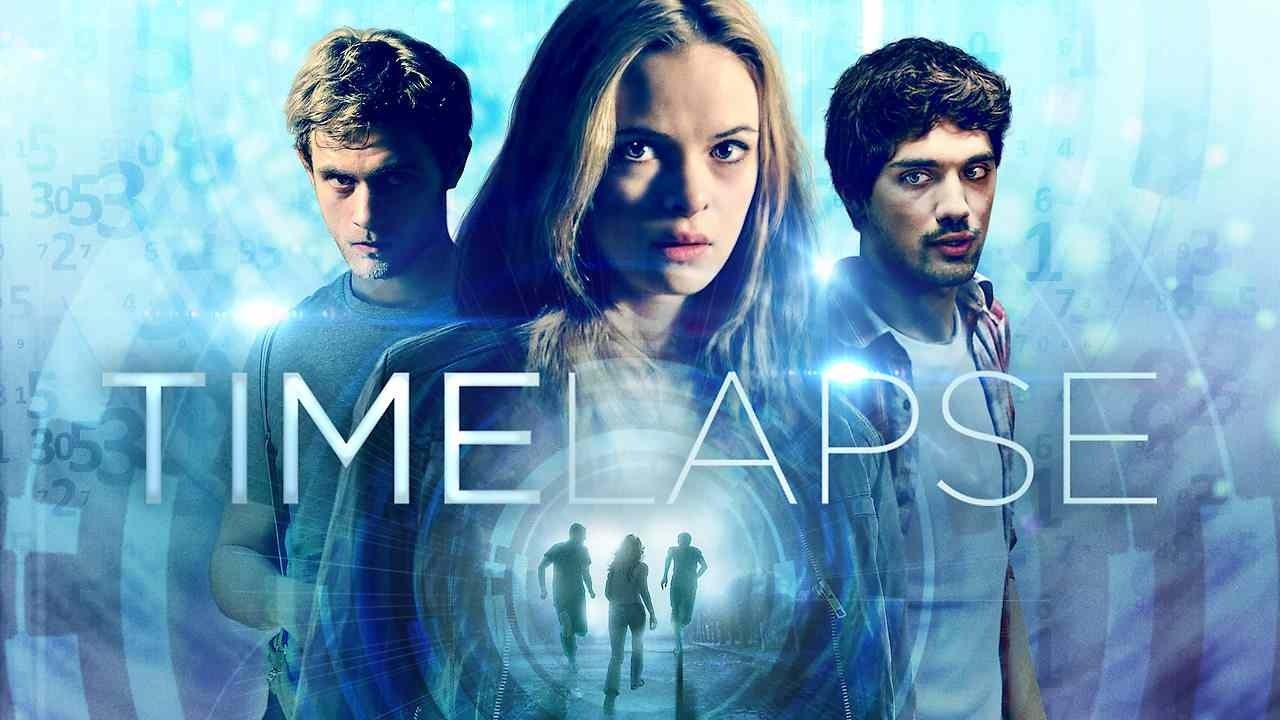
The setup is brilliantly simple: three friends living in a sun-drenched, slightly depressing apartment complex discover that their neighbor, a reclusive scientist, has died. More importantly, he left behind a massive, floor-to-ceiling camera aimed directly at their living room window. This isn’t your neighborhood Nikon; it’s a steampunk behemoth that spits out a single Polaroid every night at 8:00 PM. The catch? The photo shows what is going to happen exactly 24 hours in the future.
The Paradox of the Polaroid
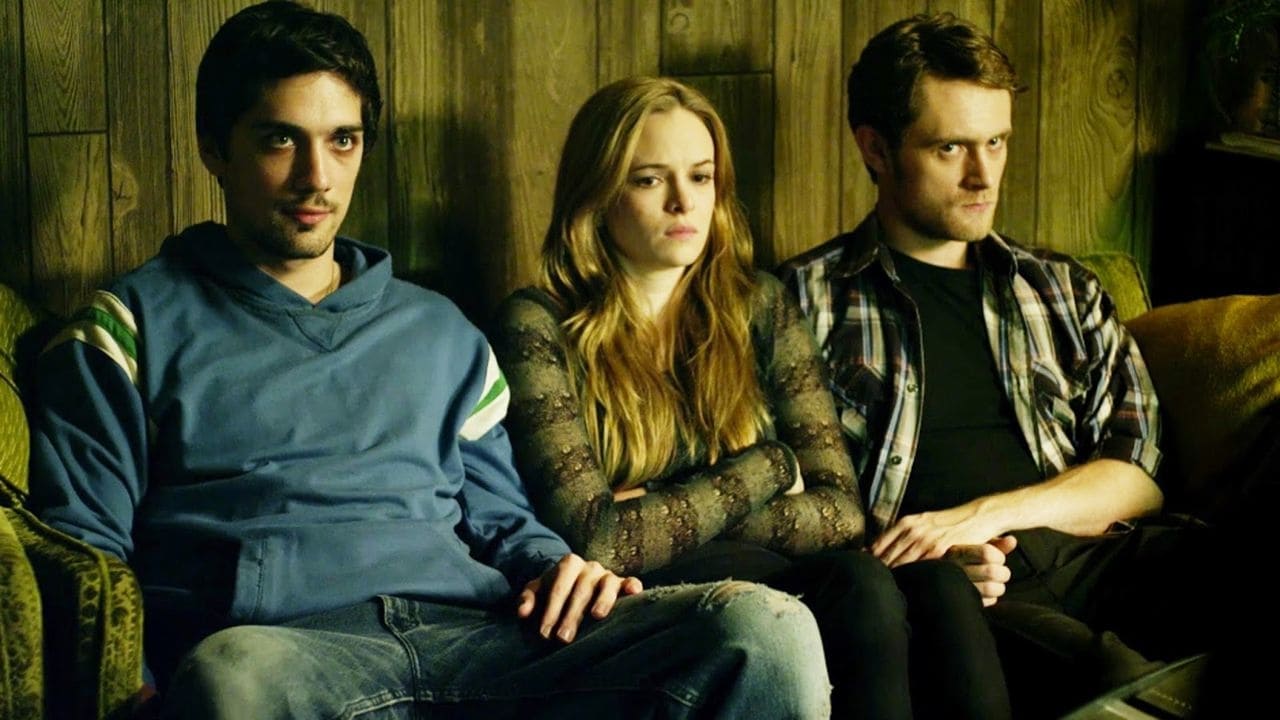
In the mid-2010s, we were seeing a brief, glorious resurgence of "box sci-fi"—films like Coherence or Primer that focused on a single impossible object and the human wreckage it leaves behind. Time Lapse fits perfectly into this niche. It doesn’t waste time explaining the physics of the machine. It doesn't need to. Instead, director Bradley King (who also co-wrote the script with B.P. Cooper) focuses on the "Fixed Future" problem. Once the trio—struggling painter Finn (Matt O'Leary), his girlfriend Callie (Danielle Panabaker), and their gambling-addicted roommate Jasper (George Finn)—see the photo, they feel obligated to make sure the photo actually happens.
This creates a deliciously dark feedback loop. If the photo shows them smiling and holding a winning dog-racing ticket, they have to make sure they are smiling and holding that ticket 24 hours later, or else they risk... well, the film suggests the universe might just delete them. It turns the concept of free will into a chore. I loved the way the film transitioned from "Hey, we can cheat at gambling!" to the characters behaving like stressed-out stage managers for their own lives.
A Descent into Roommate Hell
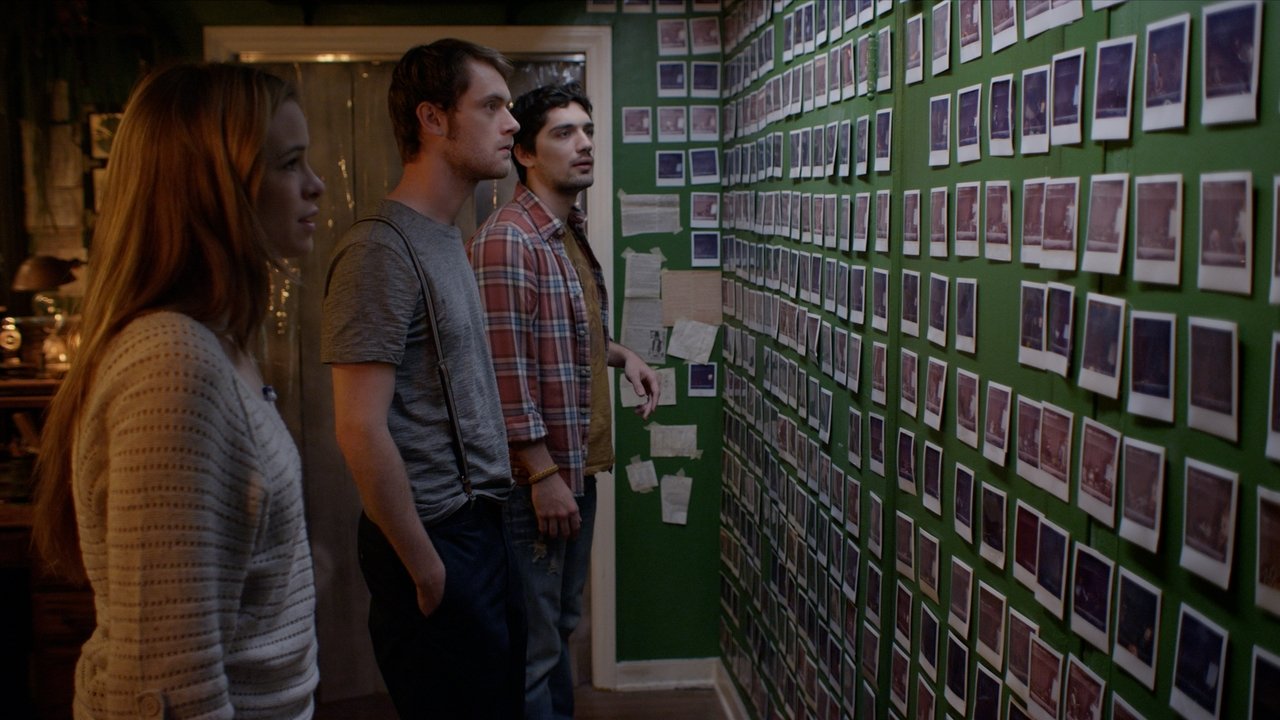
The performances are surprisingly gritty for a film that could have easily been a glossy CW-style thriller. Danielle Panabaker, just before she became a staple on The Flash, gives Callie a desperate, manipulative edge that I didn't see coming. Matt O'Leary, whom I still remember as the kid from the underrated 2001 thriller Frailty, plays Finn with a frantic, wide-eyed anxiety that feels earned.
But it’s George Finn as Jasper who really steals the show. He starts as the comic relief—the guy who just wants to win big—and slowly morphs into something genuinely threatening. By the time the legendary John Rhys-Davies (The Lord of the Rings, Raiders of the Lost Ark) shows up in a brief but pivotal role as the mysterious Mr. Bezzeredes, the tension in the apartment is thick enough to choke on. The name "Bezzeredes," by the way, is a lovely nod to A.I. Bezzerides, the hard-boiled screenwriter behind noir classics like Kiss Me Deadly. It’s a small detail that tells you the filmmakers knew exactly what kind of cynical, shadows-and-greed story they were telling.
The horror here isn't about jump scares or monsters. It’s about the slow-motion car crash of human relationships. The film treats its central conceit with the kind of grim logic usually reserved for tax audits and suicide notes. As the photos start showing increasingly disturbing images—blood on the floor, signs of betrayal—the trio begins to turn on one another. It captures that specific post-2008 indie anxiety where everyone is just one bad decision away from total ruin.
The $19,000 Mystery
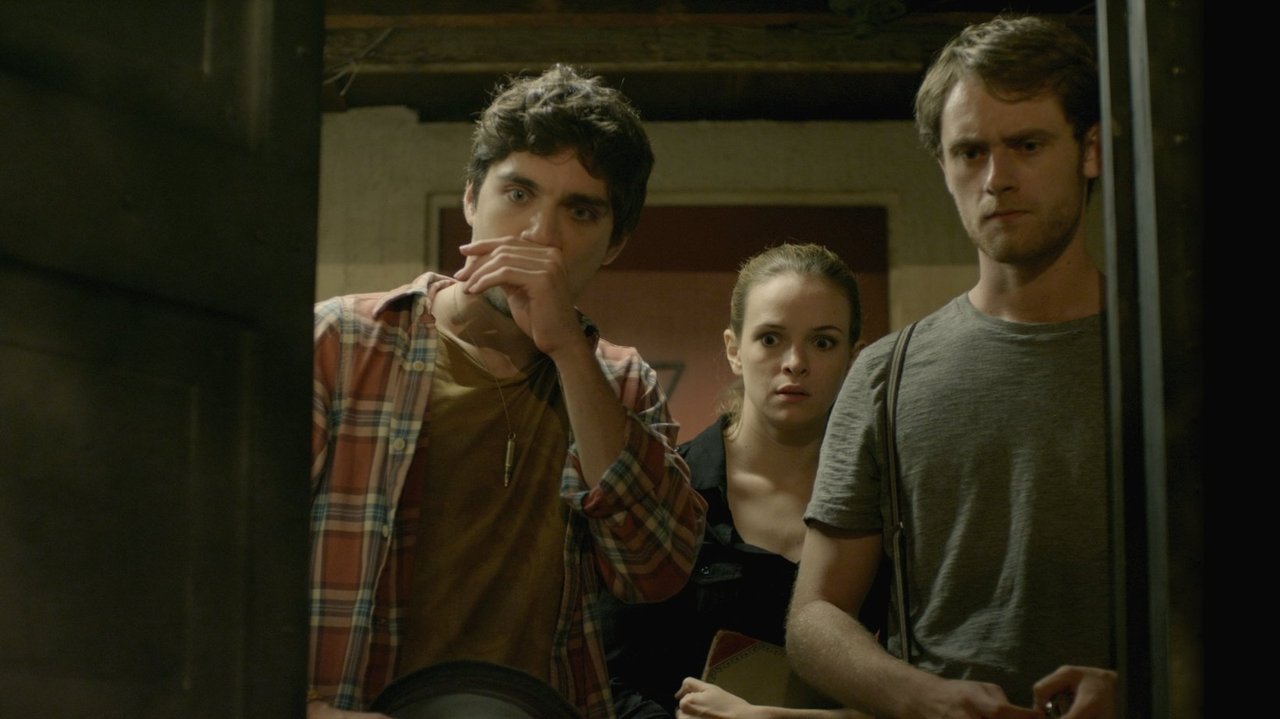
Looking back, it’s almost criminal that this movie only grossed $19,572 at the box office. That’s less than the price of a mid-sized sedan. It suffered from the classic 2014 distribution trap: it was too "smart" for a wide horror release but too "genre" for the prestige festival circuit. It arrived just as the DVD market was collapsing and streaming services hadn't quite become the all-consuming curators of indie content they are today.
Technically, the film holds up remarkably well. It was shot digitally, but the cinematography by Jonathan Wenstrup gives the apartment a claustrophobic, jaundiced look that feels appropriate. The "Big Camera" itself is a triumph of low-budget production design—it’s a physical, clunky presence that feels more threatening than any CGI effect could ever be. In an era where every sci-fi movie was starting to look like an iPhone commercial, Time Lapse felt wonderfully tactile.
If you’re a fan of "Twilight Zone" style morality plays or movies that make you want to scream at the characters to just stop talking, this is for you. It’s a tight, mean-spirited, and clever little thriller that proves you don't need a massive budget to break someone's brain. Just give them a giant camera and a glimpse of their own inevitable downfall. It's the ultimate "be careful what you wish for" story, updated for a generation that was just starting to realize that being "seen" isn't always a good thing.

Keep Exploring...
-

The Invasion
2007
-
Pandorum
2009
-
Carriers
2009
-

The Fourth Kind
2009
-
The Ward
2010
-
Stonehearst Asylum
2014
-
The Tall Man
2012
-

Village of the Damned
1995
-
Sphere
1998
-
The X-Files
1998
-
Lake Placid
1999
-

Stir of Echoes
1999
-
The Thirteenth Floor
1999
-

The Gift
2000
-
What Lies Beneath
2000
-

Paycheck
2003
-
Sky Captain and the World of Tomorrow
2004
-
The Forgotten
2004
-
The Jacket
2005
-
Inland Empire
2006