Tinker Bell and the Legend of the NeverBeast
"Sometimes the scariest monsters are the ones we need most."

If you walked into the room halfway through Tinker Bell and the Legend of the NeverBeast, you’d be forgiven for thinking you’d accidentally sat on the remote and switched from a sparkly Disney channel to a deleted scene from How to Train Your Dragon or a particularly high-stakes episode of Primal. By 2014, the "Tinker Bell" franchise had established a very specific, very profitable rhythm of seasonal adventures and glittery problem-solving. But for the sixth and final installment of the DisneyToon Studios series, they decided to go out not with a shimmer, but with a roar.
I’ll be honest: I went into this expecting the cinematic equivalent of a sugar cookie—sweet, predictable, and ultimately forgettable. I watched this on a rainy Tuesday while my neighbor was power-washing his driveway, and the constant hum of the machinery outside weirdly synced up with the mechanical whirring of the scout fairies’ gear. It turns out, this movie is far more "weird monster-flick" than "standard fairy fare."
The Creature Feature in the Fairy Garden
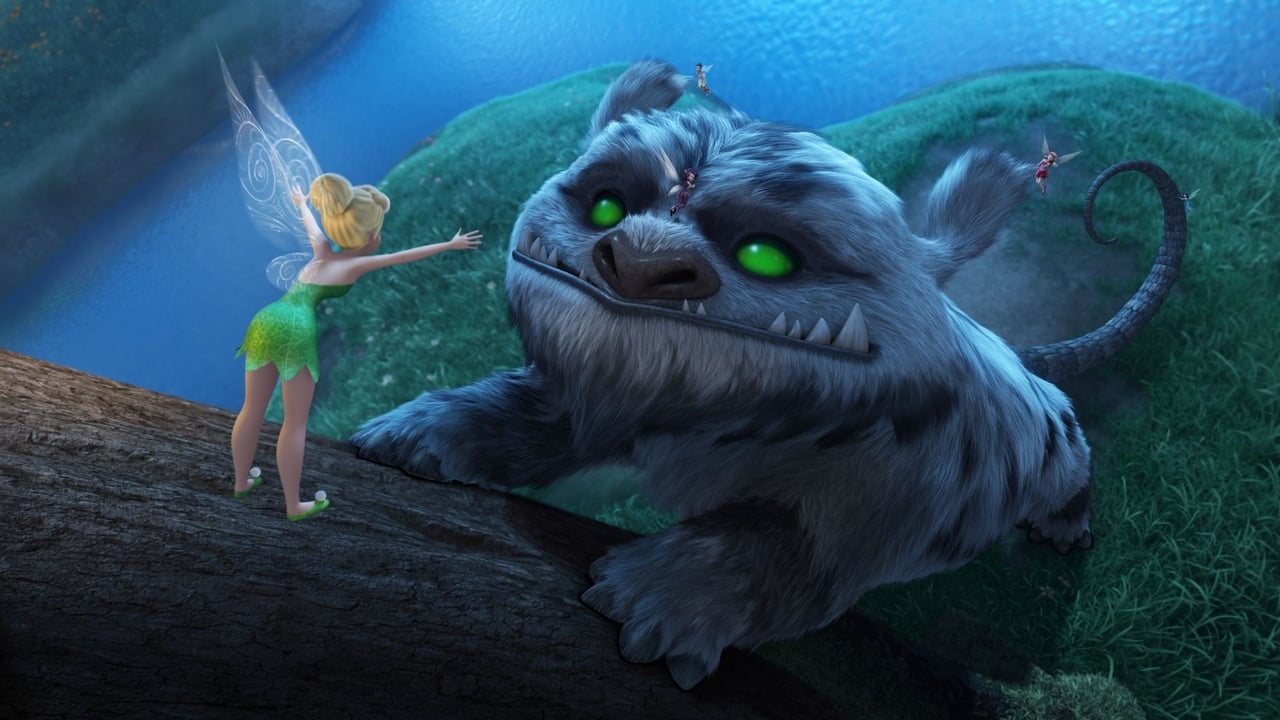
The story shifts the spotlight away from Mae Whitman’s Tinker Bell (who is essentially a supporting player here) and onto Fawn, the animal-talent fairy. Ginnifer Goodwin—who many will recognize as Snow White from Once Upon a Time—brings a frantic, heart-on-sleeve energy to Fawn. She’s the kind of character who sees a hawk with a broken wing and thinks "pet" rather than "predator," much to the chagrin of Pixie Hollow’s safety council.
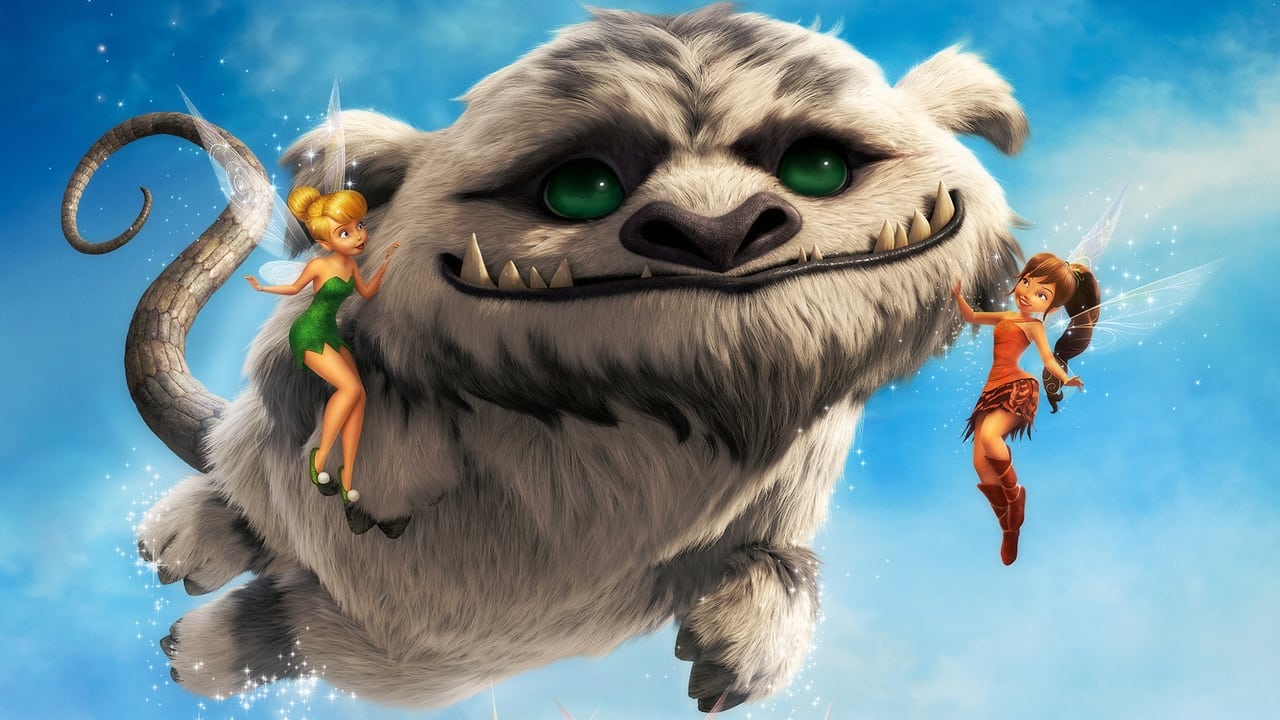
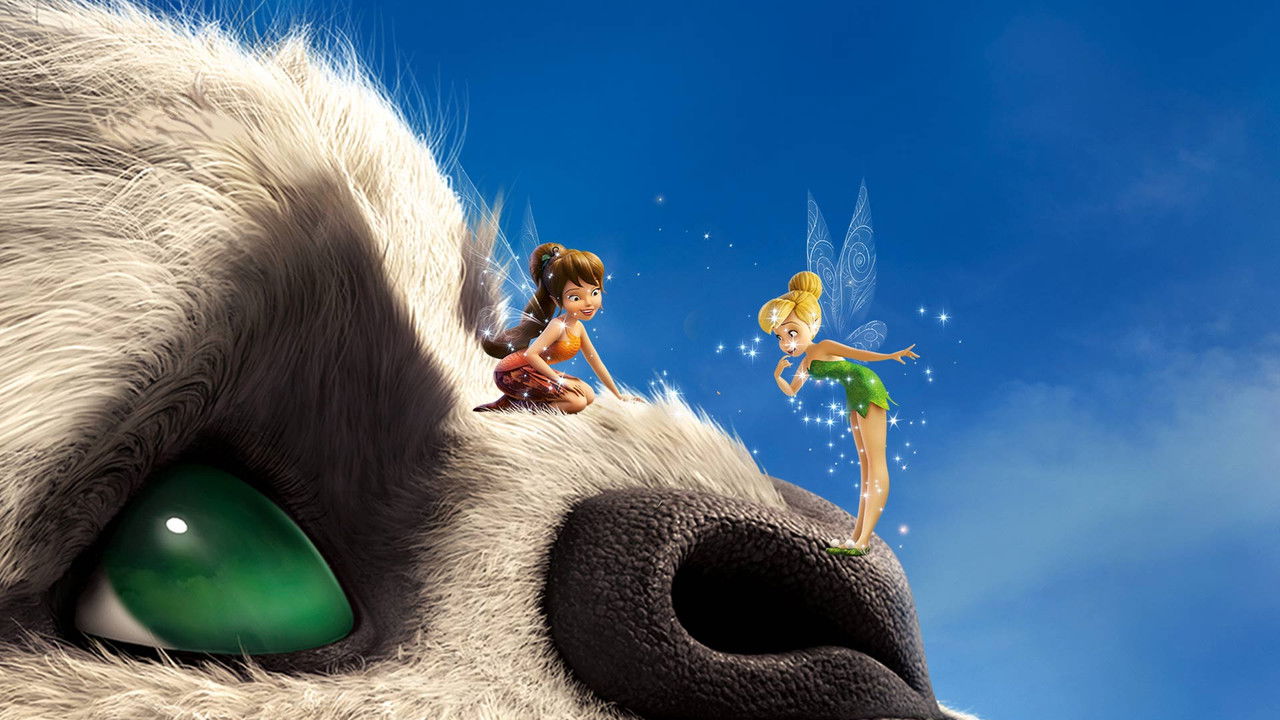
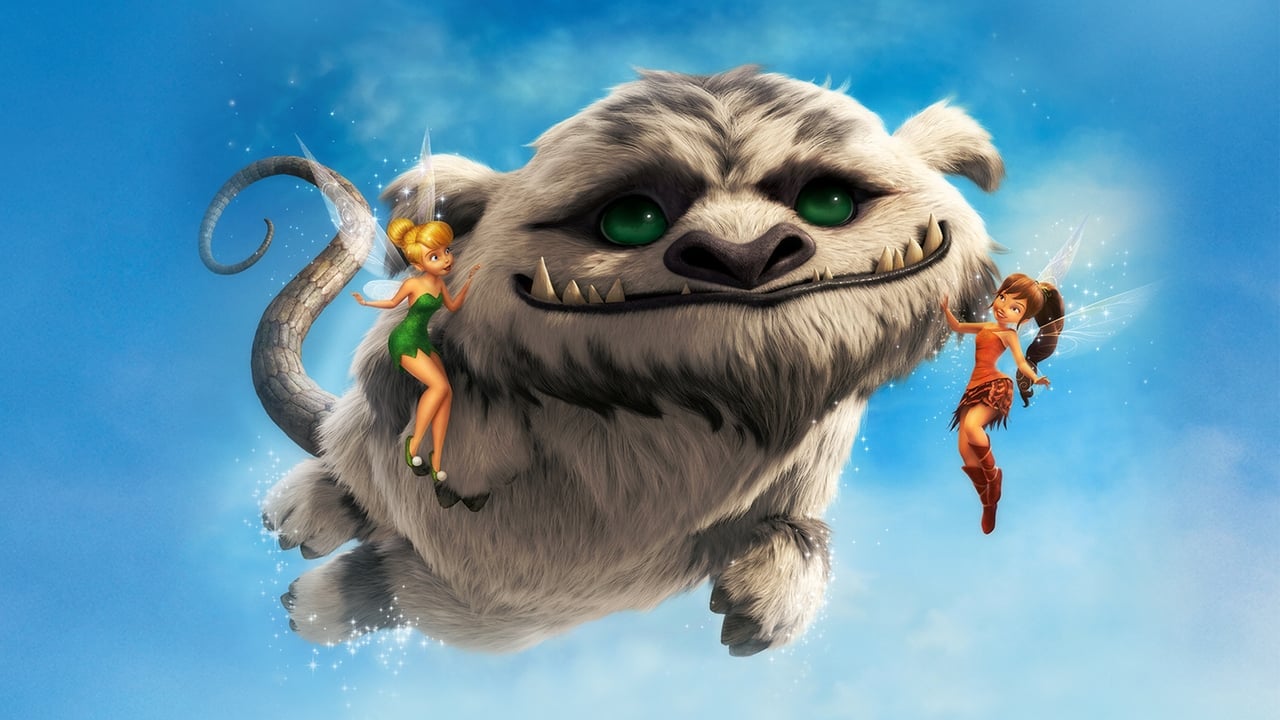
When Fawn discovers "Gruff," a massive, slouching, grey beast with glowing green eyes and a tail that could level a toadstool house, the film pivots into a surprisingly effective "boy and his dog" narrative—if the dog was a prehistoric omen of the apocalypse. Gruff is a masterpiece of character design for this era of CGI. He’s not "cute" in the traditional Disney sense; he looks like a cross between a bison and a gargoyle, covered in mossy fur that actually looks heavy. In the mid-2010s, direct-to-video sequels were often slagged off for "cheap" animation, but this film proves that DisneyToon was operating at a level that rivaled many theatrical releases of the time.
SWAT Teams and Fairy Logic
What really caught me off guard was the introduction of the Scout Fairies, led by Nyx (Rosario Dawson, long before she was wielding lightsabers as Ahsoka). These aren't the fairies who paint butterflies; these are the fairies who wear tactical bark-armor and practice formation flying. Nyx serves as a fantastic foil to Fawn. She isn't a villain; she’s a pragmatist. She sees a monster that ancient scrolls say will summon a storm to destroy the world, and she thinks, "Maybe we should stop that."
The conflict between Fawn’s empathy and Nyx’s duty gives the movie a layer of tension that feels remarkably grounded. The Scout Fairies are essentially the Pixie Hollow equivalent of a SEAL team, and watching them hunt a giant cryptid through the woods is a total genre-clash that shouldn't work, yet absolutely does. It captures that post-9/11 cinematic anxiety where "protection" and "prejudice" are often two sides of the same coin, even in a world populated by pixies.
The Bittersweet End of an Era
Behind the scenes, this film has a bit of a "last kid at the party" vibe. It was the final production of DisneyToon Studios before it was shuttered, and you can feel the crew pouring everything into it. Director Steve Loter, known for his work on Kim Possible, reportedly based the relationship between Fawn and Gruff on his own daughter’s fear of large dogs. That personal touch is what saves the film from being a mere commercial for plastic wings.
Looking back from 2024, the CGI holds up surprisingly well because it leans into atmosphere rather than just bright colors. The "Deadly Green Storm" sequences are genuinely moody, utilizing lighting and shadow in ways the earlier Tinker Bell films avoided. It’s also worth noting the score by Joel McNeely, which ditches the Celtic-lite fluff for something more tribal and percussive.
The film's legacy is a bit of a "hidden gem" situation. Because it’s wrapped in the branding of a franchise aimed at five-year-olds, it’s often overlooked by serious animation fans. But this movie is basically a G-rated version of The Mist without the depressing supermarket suicide, trading nihilism for a conclusion that is so profoundly bittersweet it rivals the furnace scene in Toy Story 3.
Tinker Bell and the Legend of the NeverBeast is a rare example of a franchise finding its soul just as the lights were being turned off. It’s an adventure that respects its audience enough to be scary, sad, and visually ambitious. While the "Tinker Bell" name might make you hesitate, the "Legend" part of the title is what actually delivers. If you’ve ever loved a pet that the rest of the world didn’t understand, this one is going to hit you right in the chest.
Don't let the glitter fool you; there’s a real heart beating under all that fairy dust.
Keep Exploring...
-

Secret of the Wings
2012
-
Tinker Bell and the Great Fairy Rescue
2010
-
Tinker Bell and the Pirate Fairy
2014
-
Tinker Bell and the Lost Treasure
2009
-
Tinker Bell
2008
-
Winnie the Pooh
2011
-
Toy Story of Terror!
2013
-
Toy Story That Time Forgot
2014
-
A Monster in Paris
2011
-

The Pirates! In an Adventure with Scientists!
2012
-
Asterix: The Mansions of the Gods
2014
-
DuckTales: The Movie - Treasure of the Lost Lamp
1990
-
The Rescuers Down Under
1990
-

The Swan Princess
1994
-
A Goofy Movie
1995
-
James and the Giant Peach
1996
-
The Little Mermaid II: Return to the Sea
2000
-
Titan A.E.
2000
-
Osmosis Jones
2001
-
The Lion King 1½
2004