Tinker Bell and the Pirate Fairy
"High-seas adventure meets Pixie Hollow's most ambitious outcast."
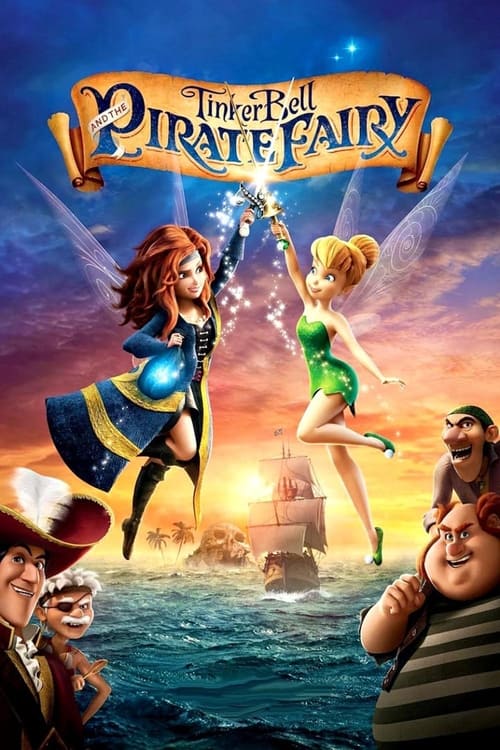
If you had told me ten years ago that the most charismatic portrayal of a legendary literary villain would happen in a 78-minute spin-off about fairies, I probably would’ve laughed you out of the room. Yet, here we are, looking back at Tinker Bell and the Pirate Fairy, a film that sits in that strange, often-overlooked pocket of Disney history: the DisneyToon Studios era. While the world was losing its mind over Frozen (2013), this little engine that could was quietly perfecting the art of the "straight-to-DVD" sequel that actually deserved a theatrical screen.
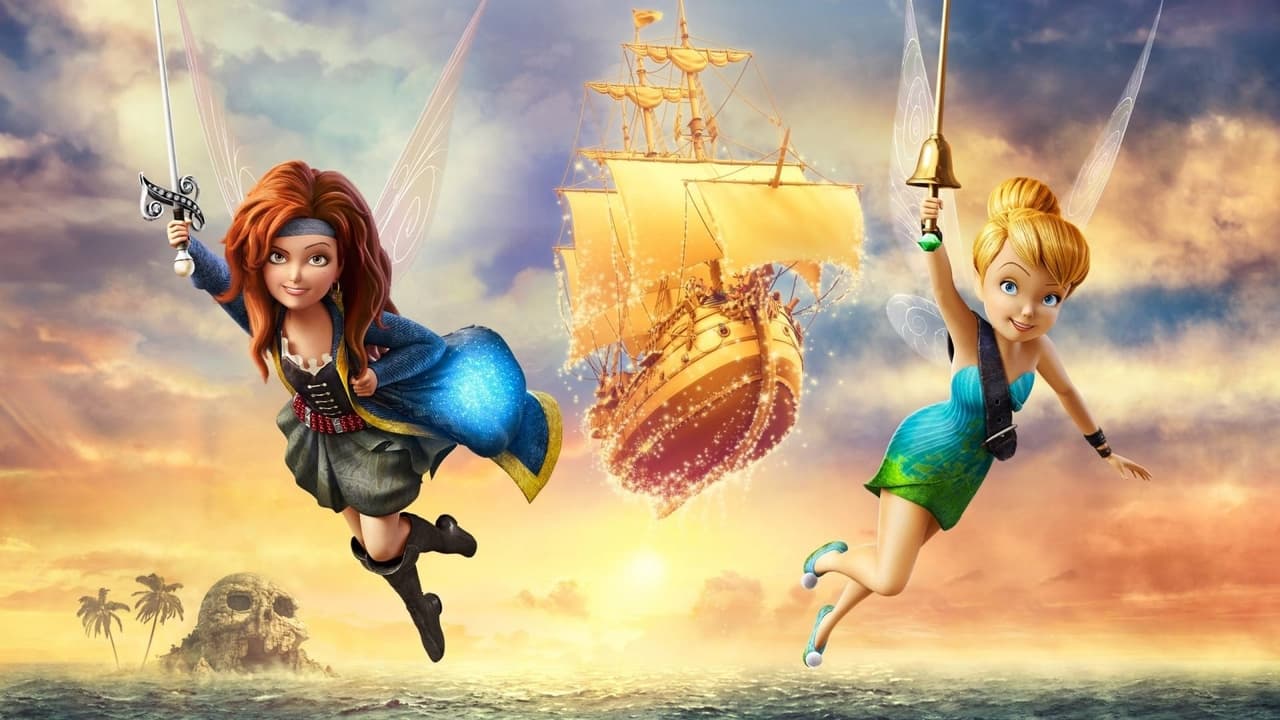
I watched this recently while eating a bowl of cereal that had gone slightly soggy because I got too distracted by the opening flight sequence, and honestly, the mushy flakes only added to the experience. It’s a film that demands your attention because it’s far better than its "direct-to-video" pedigree suggests.
The Curiosity of the Outcast
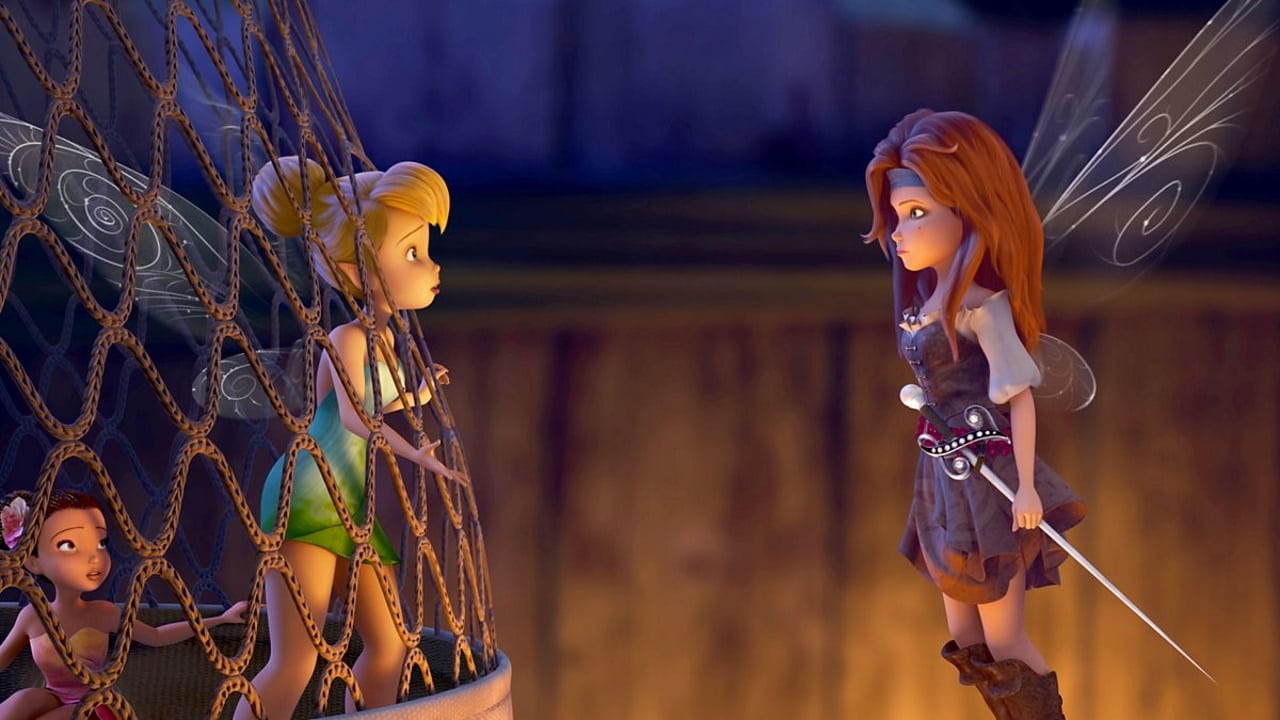
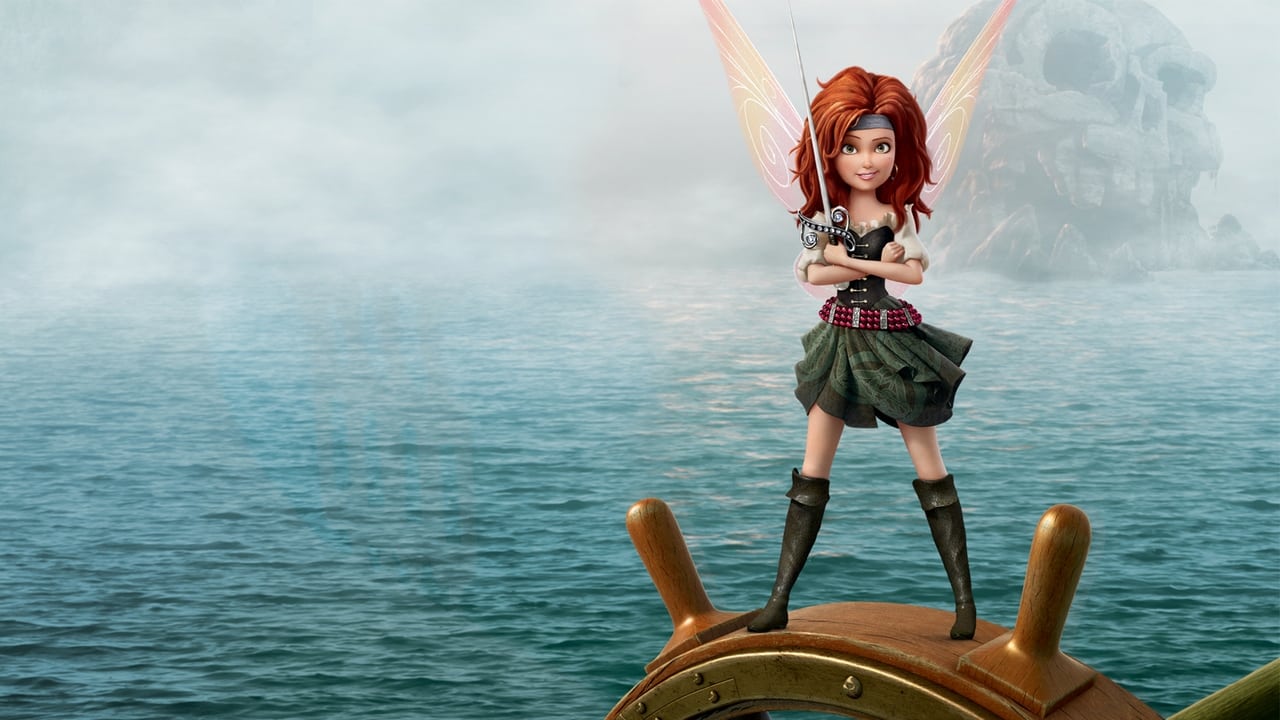
At the center of this story isn't actually Tinker Bell, but Zarina—voiced with a wonderful, raspy intelligence by Christina Hendricks. In a franchise often criticized for being too "sparkly," Zarina is a breath of fresh air. She’s a dust-keeper who refuses to accept the status quo, essentially the Oppenheimer of Pixie Hollow, experimenting with Blue Pixie Dust until she accidentally causes a botanical disaster and is exiled.
Looking back from 2024, Zarina’s arc feels surprisingly modern. She’s not a villain; she’s an innovator who lacked a proper outlet. When she returns as the captain of a pirate crew, she isn’t just seeking revenge; she’s seeking a place where her brilliance is valued. Christina Hendricks (whom most of us know from the high-stakes drama of Mad Men) brings a weighted, soulful quality to a character that could have been a cardboard cutout. You feel her hurt and her pride, making the eventual "drama" of the film feel earned rather than manufactured.
A Masterclass in Villainous Origins
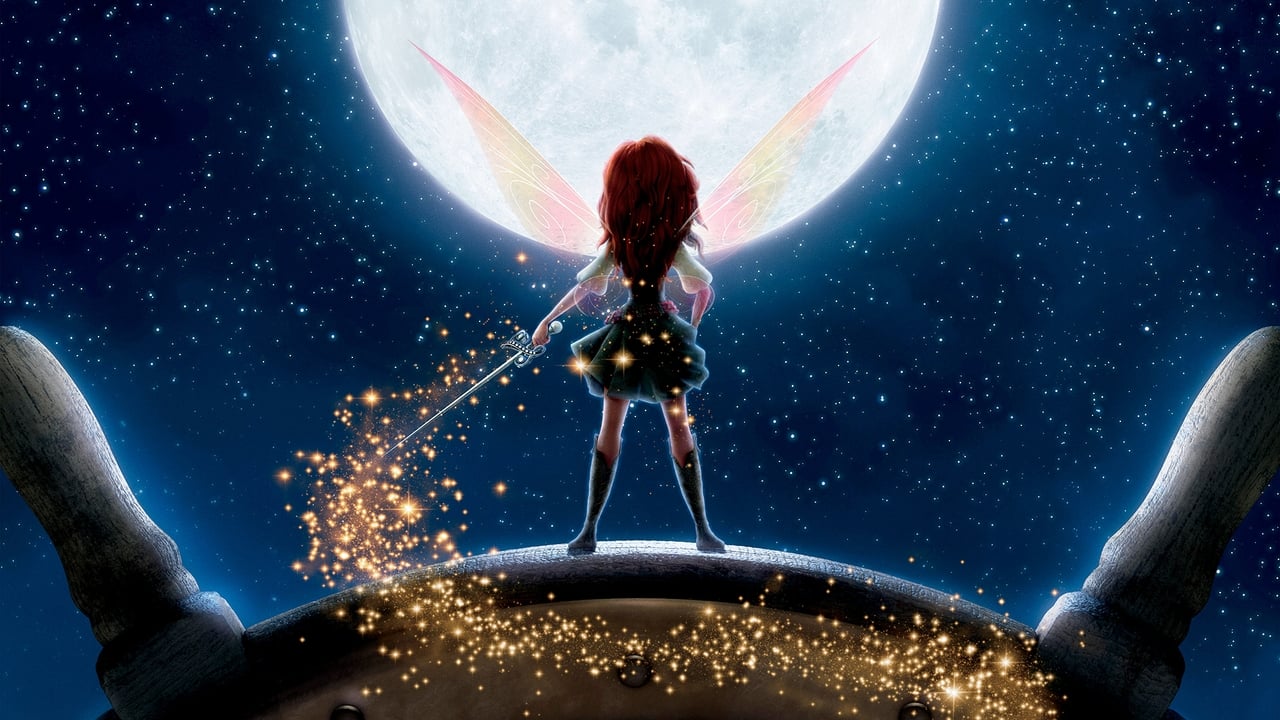
Then, we have the "James" problem. Or rather, the James delight. Tom Hiddleston voices a young cabin boy who is clearly destined to become Captain Hook, and he is having the absolute time of his life. This was released right as Hiddleston was cementing himself as the MCU’s premier antagonist in The Avengers, and you can hear that same playful, manipulative energy here.
The way he pivots from subservient "yes-man" to the ruthless pirate we know from Peter Pan is a genuine treat. He even breaks into a musical number, "The Frigate That Flies," and Tom Hiddleston’s singing voice is the secret weapon Disney should have used more. It’s theatrical, slightly campy, and perfectly captures that transition era of cinema where franchises were starting to realize that "origin stories" didn't always have to be gritty and dark—they could be fun.
The film also pulls off a brilliant mechanical gimmick: Zarina uses her "alchemy" to swap the talents of the core fairies. Suddenly, Mae Whitman’s Tinker Bell is a water fairy, and Lucy Liu’s Silvermist is a fast-flyer. Watching these characters struggle with their new identities provides some of the best physical comedy in the series. Honestly, the talent-swapping gimmick is better than the entire plot of most modern superhero movies because it forces the characters to rely on their wits rather than their established "superpowers."
The Digital Craft of DisneyToon
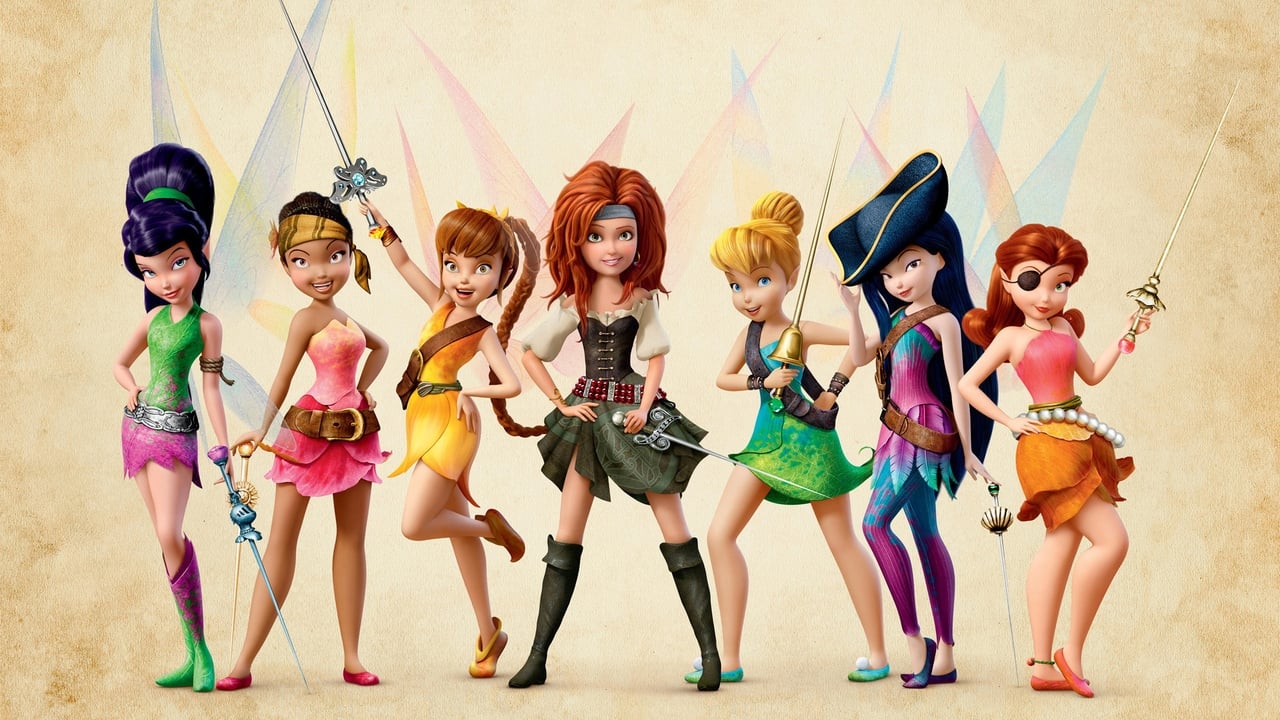
We often talk about the CGI revolution in terms of Toy Story or Avatar, but there’s something to be said for the mid-tier CGI of the early 2010s. DisneyToon Studios was the "workhorse" wing of Disney, and by 2014, they had mastered a lush, painterly style that felt distinct from the main studio's output. The textures of the pirate ship, the bioluminescence of the Blue Pixie Dust, and the crashing waves of Skull Rock are genuinely impressive for a film that didn't have a $200 million budget.
It’s a bit of a tragedy that DisneyToon Studios was shuttered in 2018. They occupied a space where filmmakers like Peggy Holmes could take risks with established IP. They weren't trying to change the world; they were trying to tell tight, engaging stories that expanded a universe. The score by Joel McNeely (who has a deep history with the Young Indiana Jones Chronicles) elevates the whole affair, giving it a swashbuckling, orchestral scale that feels like an old Errol Flynn movie.
Ultimately, Tinker Bell and the Pirate Fairy is a victim of its own branding. Because it’s part of the "Fairies" line, it’s often dismissed as "for kids," but there is a sophisticated understanding of character and legacy at work here. It bridges the gap between the classic Peter Pan lore and a new generation of storytelling with surprising grace. If you can get past the glitter, you’ll find a sharp, well-acted adventure that proves some of the best gems are the ones hidden at the bottom of the bargain bin. Give it a shot—if only to hear Loki sing about pirates.
Keep Exploring...
-

Secret of the Wings
2012
-
Tinker Bell and the Great Fairy Rescue
2010
-
Tinker Bell
2008
-
Tinker Bell and the Legend of the NeverBeast
2014
-
Tinker Bell and the Lost Treasure
2009
-
The Little Mermaid: Ariel's Beginning
2008
-
Astro Boy
2009
-
Partly Cloudy
2009
-
Day & Night
2010
-
Barbie: Princess Charm School
2011
-
Winnie the Pooh
2011
-
Paperman
2012
-

Tangled Ever After
2012
-
Toy Story of Terror!
2013
-
Feast
2014
-
Lava
2014
-
Planes: Fire & Rescue
2014
-
The Boxtrolls
2014
-
Toy Story That Time Forgot
2014
-
A Goofy Movie
1995