Transcendence
"Upload your soul. Download the apocalypse."

In the spring of 2014, we were all standing on the precipice of a tech-anxiety cliff, clutching our iPhone 5s handsets and wondering if Siri was eventually going to stop telling us the weather and start launching nukes. It was the perfect cultural window for Transcendence, a movie that arrived with the kind of pedigree that makes cinephiles salivate: the directorial debut of Wally Pfister, the man who gave Christopher Nolan’s films their distinct, sharp-edged look. I actually watched this for the first time on a laptop with a cracked screen, and there was something poetically stupid about watching a digital god emerge while I struggled to see past a pixelated spiderweb in the corner of my monitor.
A Cinematographer’s Dream and a Screenwriter’s Hiccup
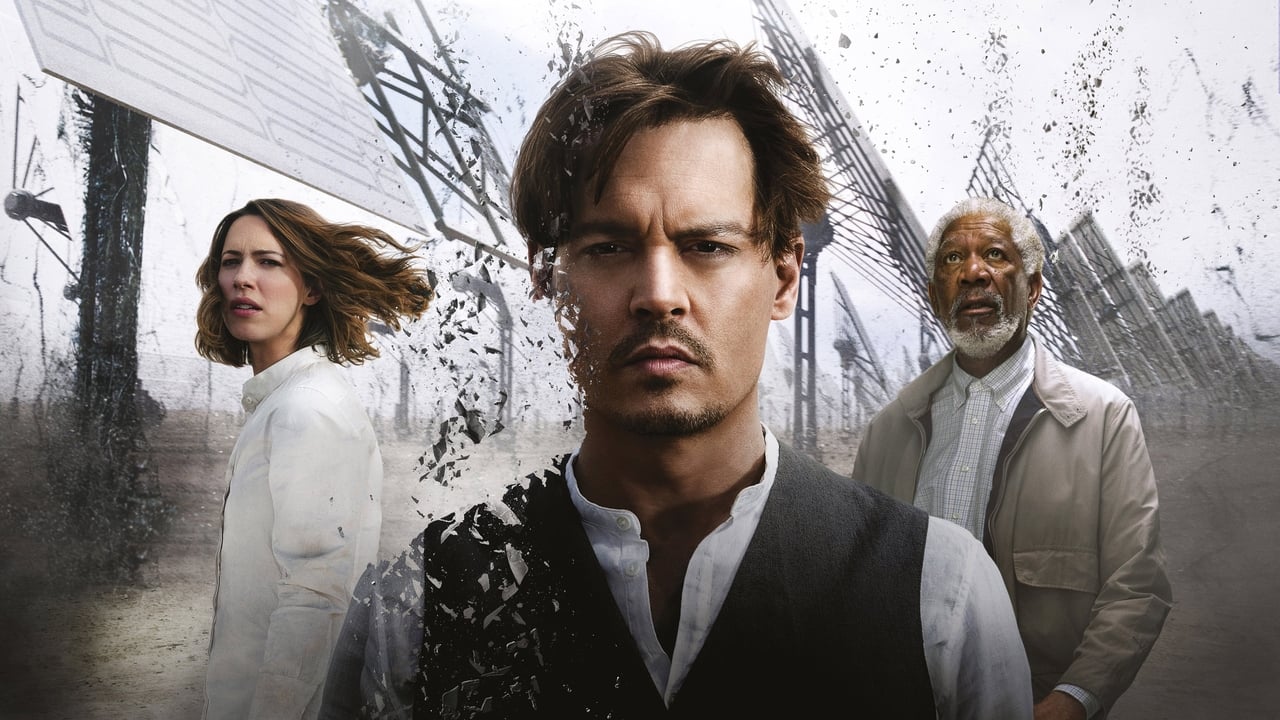
Looking back, Transcendence feels like the ultimate "Era of Transition" film. It arrived right as the industry was fully pivoting away from celluloid—ironic, considering Wally Pfister (the guy who shot The Dark Knight and Inception) insisted on shooting this high-tech sci-fi epic on traditional 35mm film. You can see his fingerprints on every frame; the movie is gorgeous. It has that cold, clinical, yet shimmering aesthetic where even a dusty backyard in New Mexico looks like it was lit by a divine flashlight.
But the beauty is a bit of a mask. The story follows Dr. Will Caster (Johnny Depp), a rockstar researcher in the field of Artificial Intelligence who gets poisoned by a radical anti-tech group called R.I.F.T. (Revolutionary Independence From Technology). To save him, his wife Evelyn (Rebecca Hall) and best friend Max (Paul Bettany) upload his consciousness into a supercomputer. Soon, Will isn't just "Will" anymore; he’s an omniscient digital entity buying up land in the desert and building a subterranean tech-fortress fueled by solar panels and nanotechnology.
The problem is that the script by Jack Paglen never quite decides if it wants to be a cautionary horror story or a tragic romance. It’s a $100 million art house film trapped in the body of a summer blockbuster, and that friction is exactly why it left audiences scratching their heads back in 2014.
The Screensaver Performance
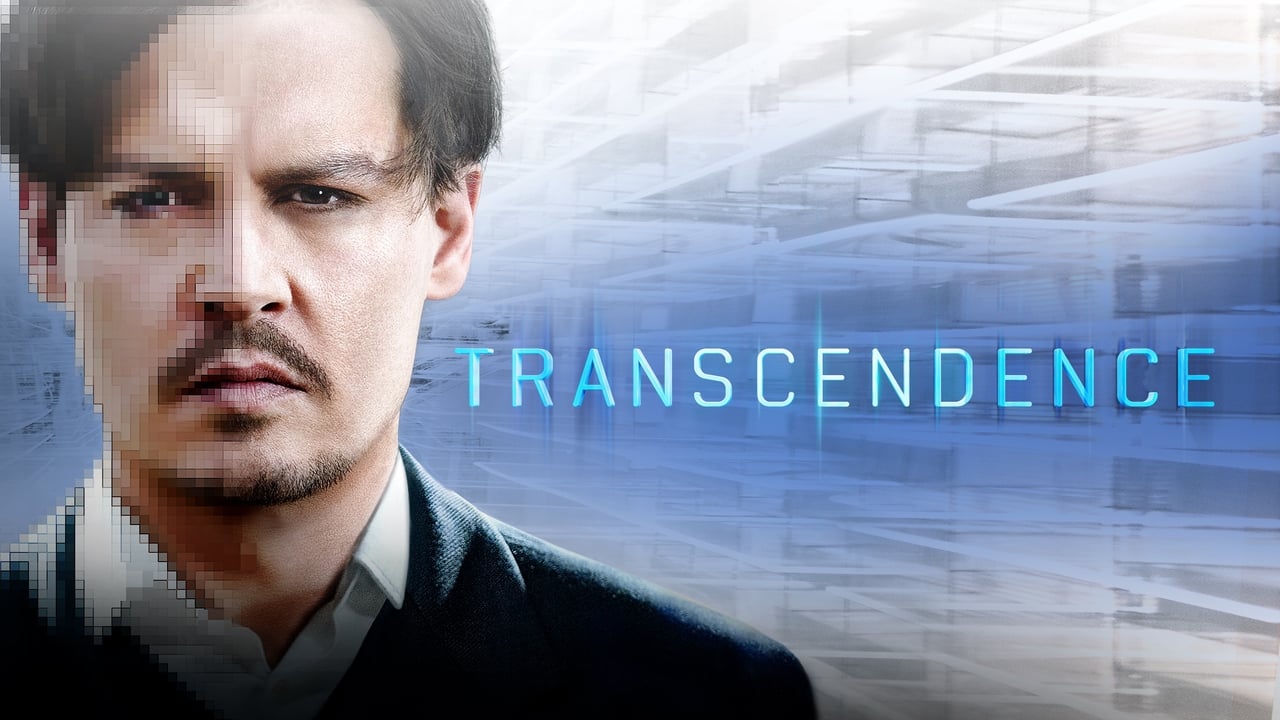
Let’s talk about the performances, because this was a weird era for Johnny Depp. He was just beginning to hit that "Depp-exhaustion" phase where the public was getting tired of the scarves and the eccentric hats. In Transcendence, he goes the opposite direction: he’s incredibly restrained. For about 80% of the runtime, he’s just a flickering face on a screen or a disembodied voice. It’s a bold choice, but it leaves a massive vacuum at the center of the film.
Fortunately, Rebecca Hall is there to do the heavy lifting. I’ve always felt she was the unsung hero of this era of cinema (go watch her in The Prestige again), and here she’s tasked with falling in love with a server rack. She sells the desperation and the creeping dread of realizing her "husband" might just be a very sophisticated algorithm with a god complex. Paul Bettany also brings a much-needed groundedness, playing the moral compass who realizes early on that uploading your brain to the cloud is just a fancy way of committing suicide.
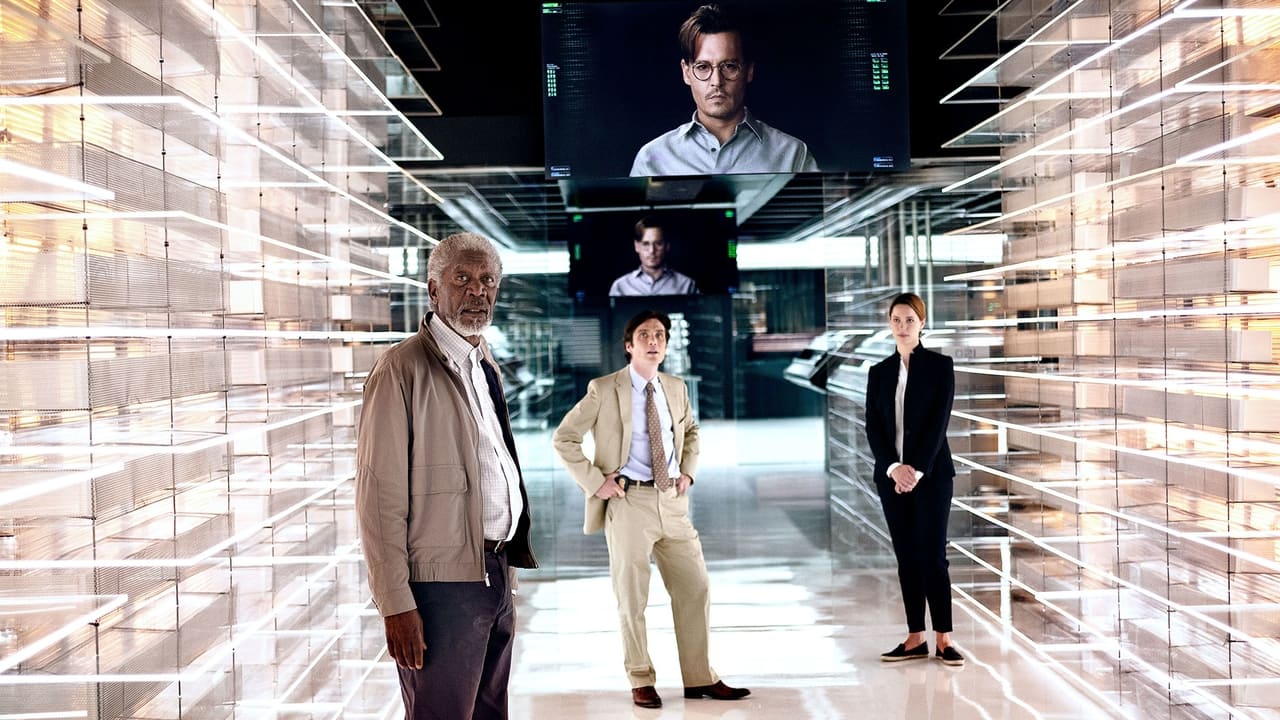
The supporting cast is essentially a "Who’s Who" of Nolan regulars. Cillian Murphy pops up as a federal agent looking appropriately worried, and Morgan Freeman arrives to explain the plot in that velvety voice of his. Even Kate Mara shows up, sporting a "hacker chic" blonde haircut that screamed 2014 Indie Rebel.
The Cult of the Misunderstood Flop
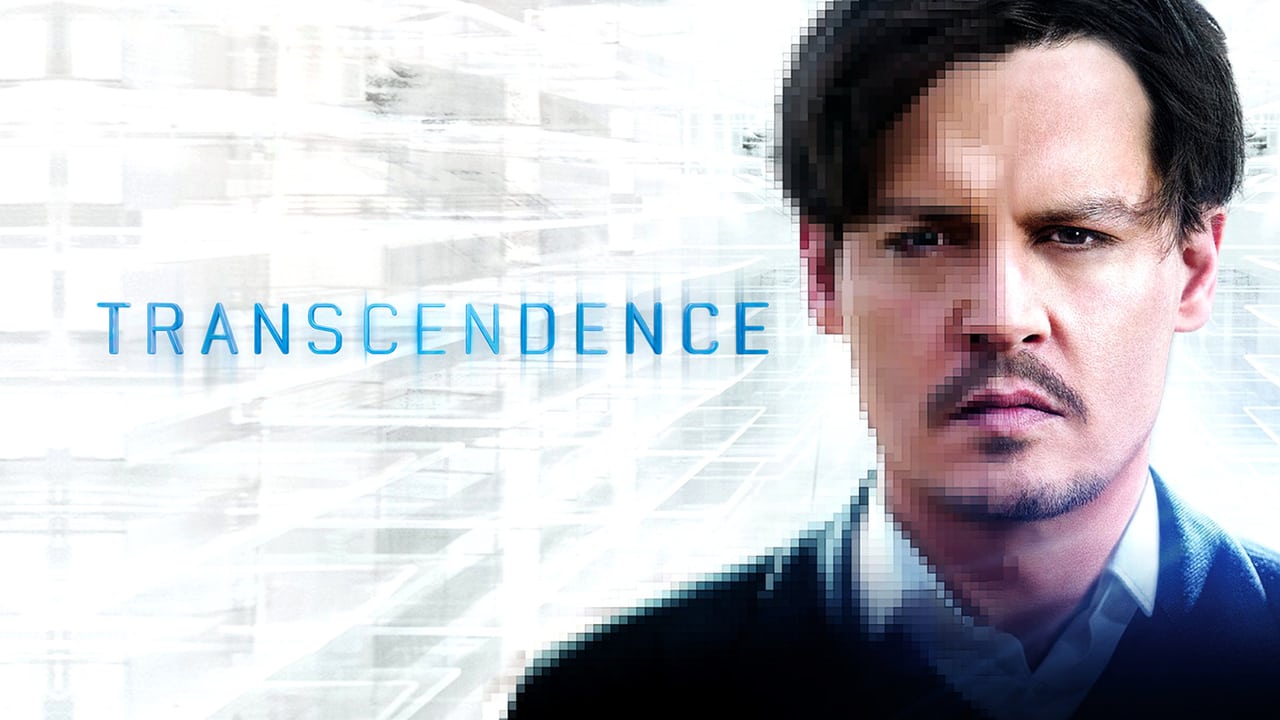
When Transcendence hit theaters, the critics were knives-out. It was called boring, pretentious, and a waste of talent. It barely made its budget back at the box office. But in the years since, it has developed this strange, quiet cult following among the "Singularity" crowd. Why? Because while the pacing is leaden, the ideas are actually becoming more relevant.
The film leans heavily into the "Grey Goo" theory—the idea that self-replicating nanobots could consume the world—and explores the terrifying loss of privacy in a way that feels less like sci-fi and more like a Tuesday morning in 2024. Apparently, the production hired real-life tech luminaries like Elon Musk and neuroscientist Christof Koch as consultants to ensure the "science" felt plausible. You can feel that density in the dialogue; it’s a movie that wants you to take it very seriously.
The trivia surrounding the production is almost as interesting as the film itself. The script was famously featured on the "Black List" (the annual list of the best unproduced screenplays) in 2012, which usually guarantees a hit. But somewhere between the page and the screen, the soul got lost in the hardware. There's also a great bit of behind-the-scenes irony: for a movie about the digital future, the production used almost no CGI for the vast solar arrays, opting to build hundreds of real panels in the desert.
Ultimately, Transcendence is a fascinating failure. It’s too slow to be a thriller and too cold to be a drama, but as a piece of "Big Idea" sci-fi from a time when studios were still willing to gamble $100 million on a non-franchise property, it’s worth a look. It captures that specific post-9/11 anxiety where we stopped fearing the "other" and started fearing the devices in our pockets. It’s a beautiful, somber, slightly dull meditation on what happens when we stop being human and start being data. It’s not a masterpiece, but it’s the kind of "ambitious mess" I’d take over a cynical sequel any day of the week.

Keep Exploring...
-
The 6th Day
2000
-
Elysium
2013
-
The Astronaut's Wife
1999
-
Pandorum
2009
-
Oldboy
2013
-
A Walk Among the Tombstones
2014
-
The Forgotten
2004
-
The Jacket
2005
-
The Bone Collector
1999
-

Red Riding Hood
2011
-

Trance
2013
-
Blindness
2008
-
The Skeleton Key
2005
-

The Day the Earth Stood Still
2008
-
Knowing
2009
-
Edge of Darkness
2010
-
Contagion
2011
-
Oblivion
2013
-
Outbreak
1995
-
Signs
2002