Transformers: Age of Extinction
"Giant robots, robot dinosaurs, and zero inside voices."
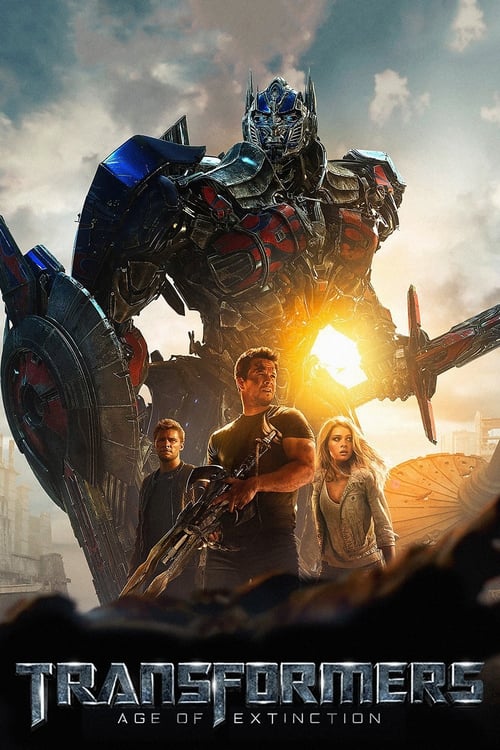
I remember watching Transformers: Age of Extinction on a humid Tuesday evening while trying to decide if the three-day-old lo mein in my fridge was still safe to eat. By the time the credits rolled nearly three hours later, I’d forgotten all about my hunger, replaced by a mild case of sensory vertigo and the distinct feeling that my eardrums had been through a high-intensity spin cycle. It is a movie that doesn’t just demand your attention; it holds it hostage with a chrome-plated gun to its head.
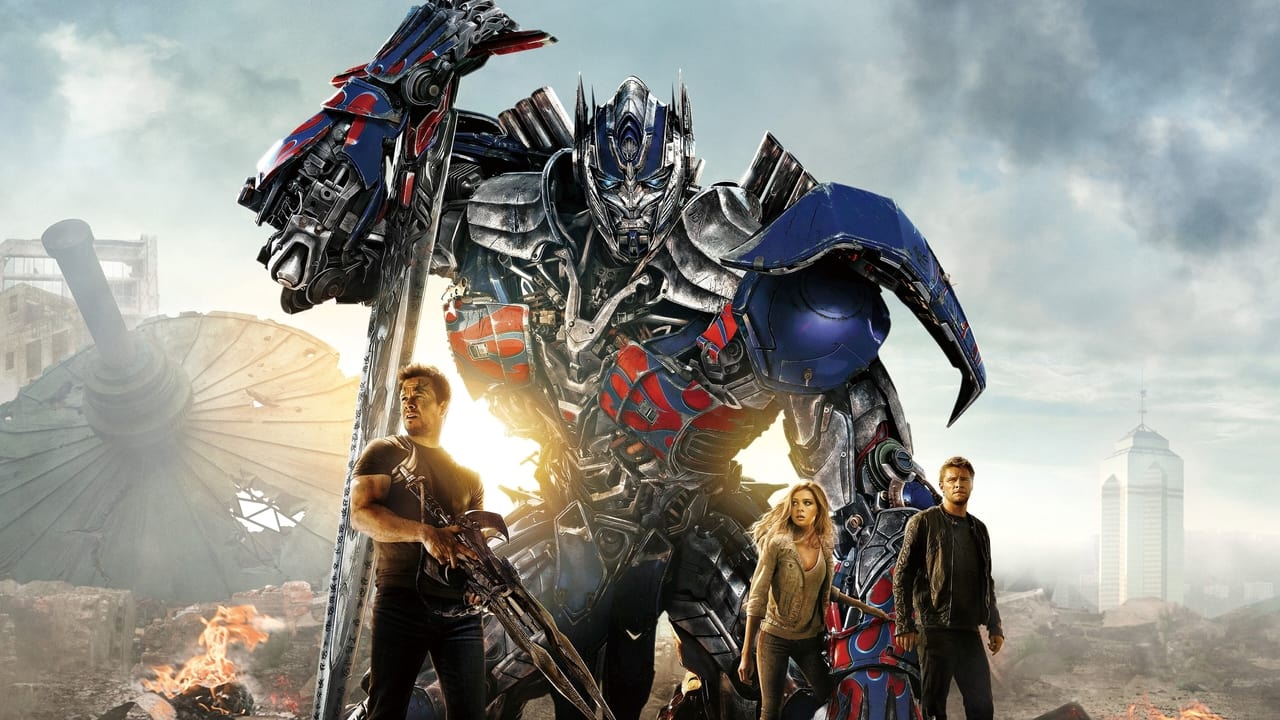
Coming out in 2014, this was the moment Michael Bay decided that "more" was the only direction left to go. The original trilogy had wrapped up, Shia LaBeouf was out, and the franchise was pivoting toward a more global, slightly more grizzled perspective. Looking back, this film represents the absolute zenith of the "megablockbuster" era—a time when budgets swelled to $210 million and movies were engineered with the precision of a Swiss watch to dominate the international box office, particularly in China.
The Art of Mechanical Chaos
If you’re coming to a Michael Bay film for a tight, 90-minute narrative, you’re in the wrong neighborhood. Age of Extinction is 165 minutes of pure "Bayhem." The action choreography here is a fascinating evolution from the 2007 original. While the first film relied on shaky-cam and rapid-fire edits to hide the seams of the CGI, by 2014, Industrial Light & Magic had mastered the digital metal. The fights are slower, heavier, and more expansive.
The sequence in Chicago, where the Autobots are being hunted by the CIA’s "Cemetery Wind" unit, feels grounded in that post-9/11 anxiety that permeated 2010s action cinema. There’s a weight to the destruction that feels less like a cartoon and more like a disaster movie. However, the film is the cinematic equivalent of being hit in the face with a chrome-plated sledgehammer. It just doesn't stop. By the time we get to the Hong Kong finale, the spectacle has reached such a fever pitch that the appearance of Grimlock—a giant mechanical T-Rex breathed on by a fire-breathing Peter Cullen-voiced Optimus Prime—feels almost logical.
The Wahlbergian Pivot
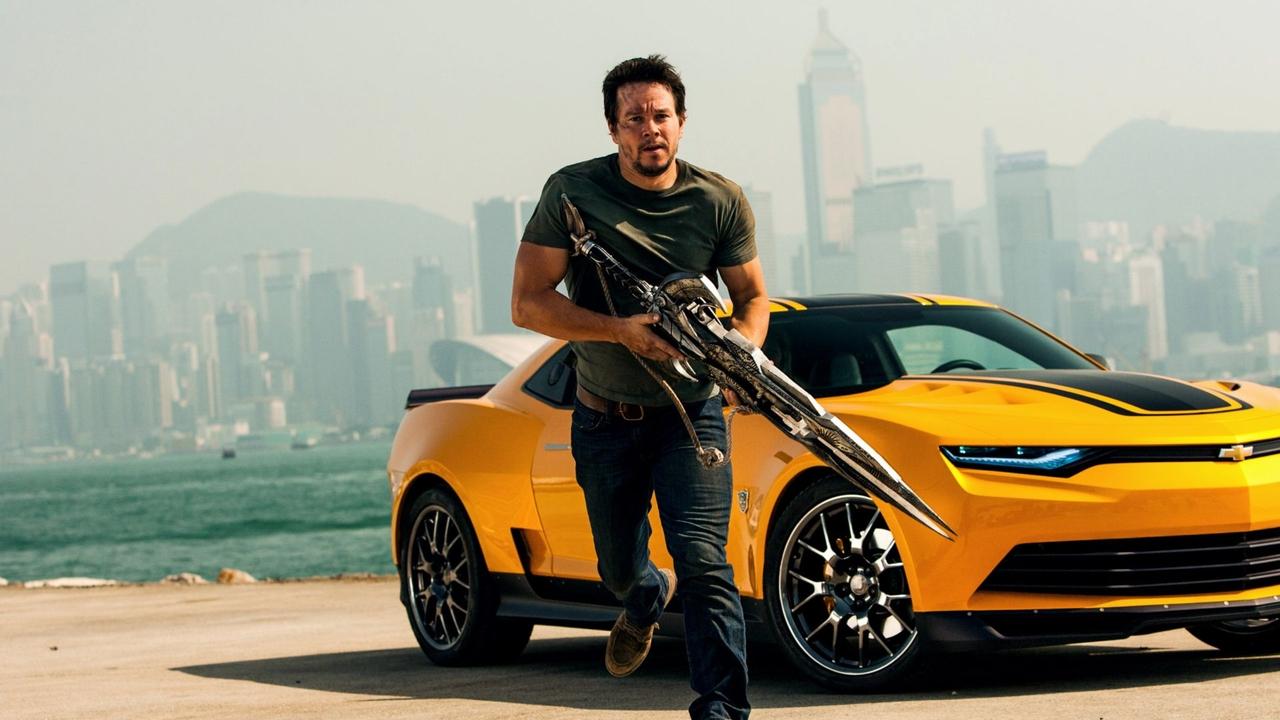
Replacing the frantic energy of Shia LaBeouf with the earnest, muscular "dad energy" of Mark Wahlberg changed the DNA of the series. Wahlberg plays Cade Yeager, a struggling inventor who finds a rusted-out truck in a barn and decides to fix it up. It’s a classic Spielbergian setup that quickly dissolves into Wahlberg doing parkour on alien spaceships while holding a laser sword. I actually prefer Wahlberg here; he brings a certain blue-collar grit that fits the "Autobots on the run" vibe.
The real MVP, however, is Stanley Tucci as Joshua Joyce. Tucci (who probably could have used a rest after The Hunger Games) plays a tech mogul who has figured out how to manufacture "Transformium"—a programmable metal. He starts as a Steve Jobs-esque visionary and ends the movie screaming in a Hong Kong alleyway while clutching a tactical nuke. It’s a performance that understands exactly what kind of movie this is: loud, absurd, and occasionally hilarious. Kelsey Grammer also shows up as a cold-blooded CIA spook, bringing a level of Shakespearean gravitas to a role that mostly involves him looking sternly at monitors.
A Billion-Dollar Strategy
From a production standpoint, Age of Extinction is a case study in 21st-century studio economics. This wasn't just a movie; it was a diplomatic mission. By partnering with China Movie Channel and filming significant portions in Hong Kong and Chongqing, Paramount ensured the film would bypass many of the restrictive quotas for foreign films. The result? A staggering $320 million haul in China alone, propelling the film to a $1.1 billion global total. It was the highest-grossing film of 2014 worldwide, proving that while critics might have winced, the global audience was hungry for giant robots.
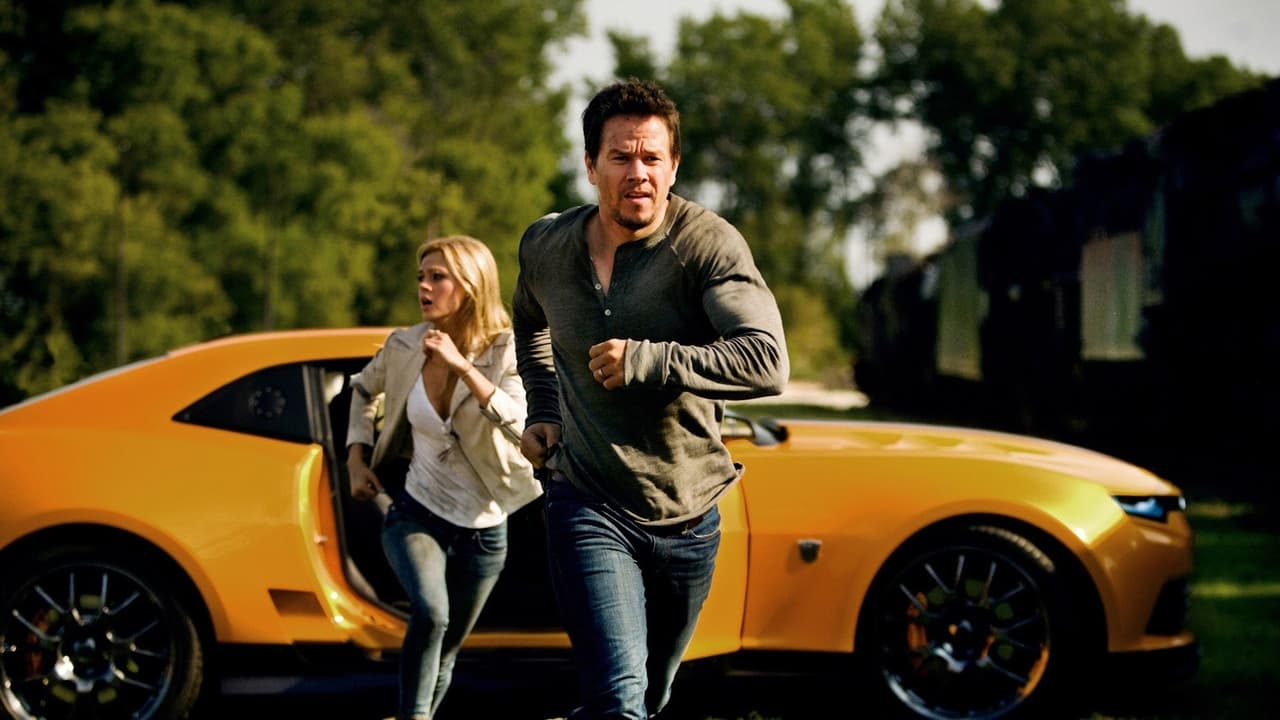
The trivia behind the scenes is just as massive as the box office. To capture the scale, Bay used the then-new IMAX 3D digital cameras, which were smaller and allowed him to put the audience right in the middle of the flying debris. Apparently, the production used over 50 different brands for product placement, which explains why a Bud Light truck practically explodes into the frame during a Texas car chase. It’s shameless, yes, but it’s also remarkably honest about its own commercialism.
Ultimately, Transformers: Age of Extinction is a film of incredible highs and exhausting lows. The visual effects are genuinely stunning, even a decade later, and the score by Steve Jablonsky provides a heroic, soaring backdrop to the madness. But the runtime is a genuine endurance test. It’s a movie that doesn't know when to quit, layering climax upon climax until you're practically begging for a quiet scene of two people talking in a room.
It’s the ultimate "big screen" experience that feels slightly diminished on a television, yet it remains a fascinating artifact of a specific moment in Hollywood history—the moment the blockbuster became a truly global, indestructible machine. If you have three hours and a high tolerance for explosions, there are worse ways to spend an evening. Just maybe skip the three-day-old lo mein.


Keep Exploring...
-
Transformers: Revenge of the Fallen
2009
-

Transformers: Dark of the Moon
2011
-
Transformers
2007
-
Transformers: The Last Knight
2017
-
Armageddon
1998
-
The Island
2005
-
Planet of the Apes
2001
-
2012
2009
-

Iron Man 2
2010
-

Resident Evil: Afterlife
2010
-
Journey 2: The Mysterious Island
2012
-

The Amazing Spider-Man
2012
-
The Wolverine
2013
-

Divergent
2014
-

Teenage Mutant Ninja Turtles
2014
-
The Amazing Spider-Man 2
2014
-
Congo
1995
-

The Lost World: Jurassic Park
1997
-

Star Wars: Episode I - The Phantom Menace
1999
-

Jurassic Park III
2001