Tusk
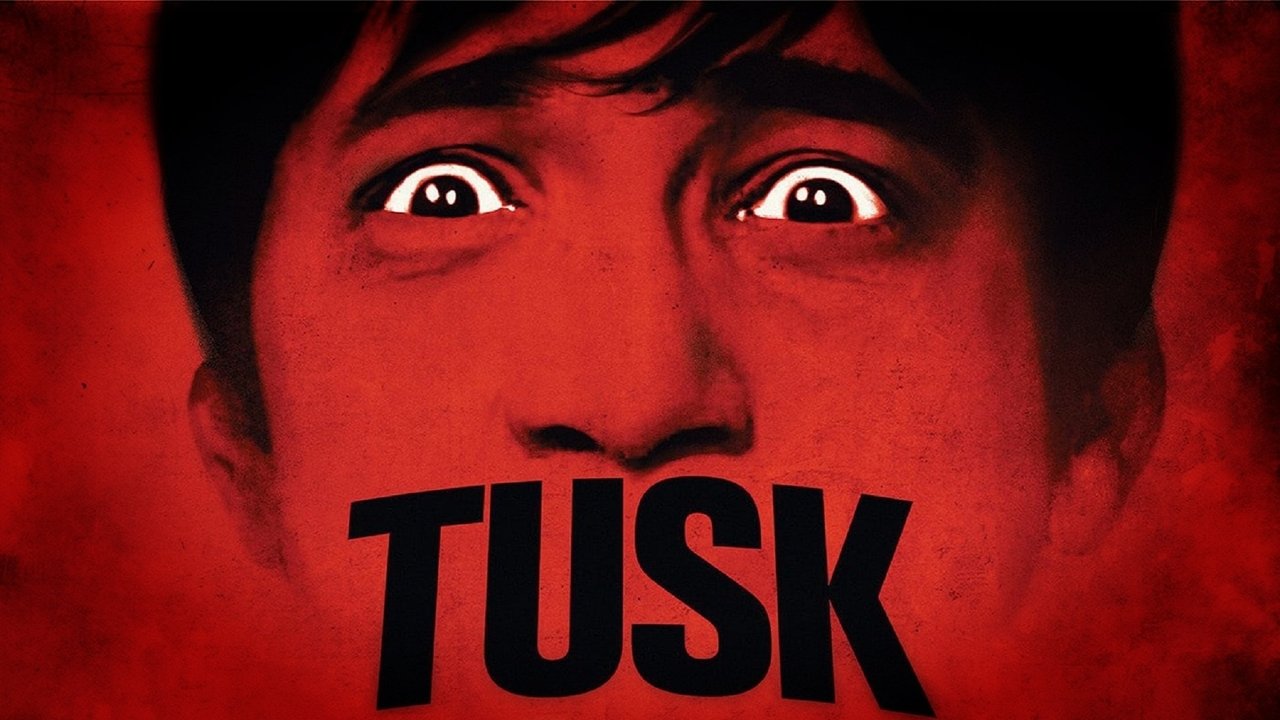
"Man is a savage animal. Walrus is better."
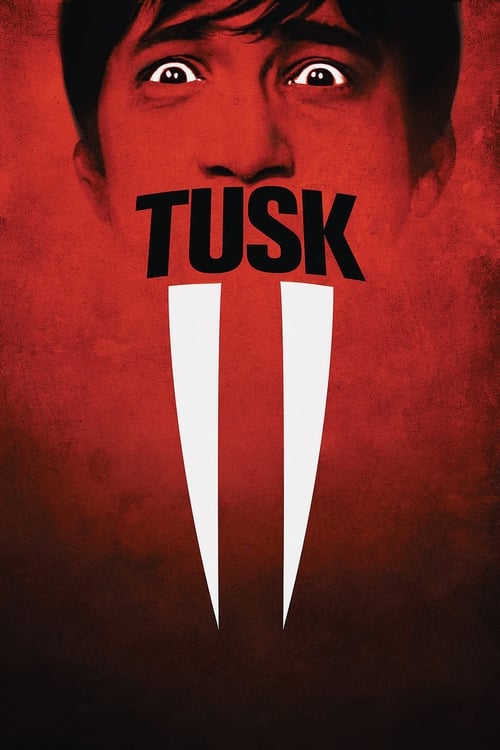
I clearly remember the moment I first heard about Tusk. It was 2013, and Kevin Smith—the guy who basically defined the 90s indie slack-vibe with Clerks—was telling a story on his podcast about a fake Craigslist ad. The ad featured a lonely homeowner offering free room and board to anyone willing to dress up as a walrus. Smith and his co-host laughed for an hour, eventually asking their audience to tweet "#WalrusYes" if they should turn the joke into a movie. The internet, being the chaotic engine it is, screamed "Yes."
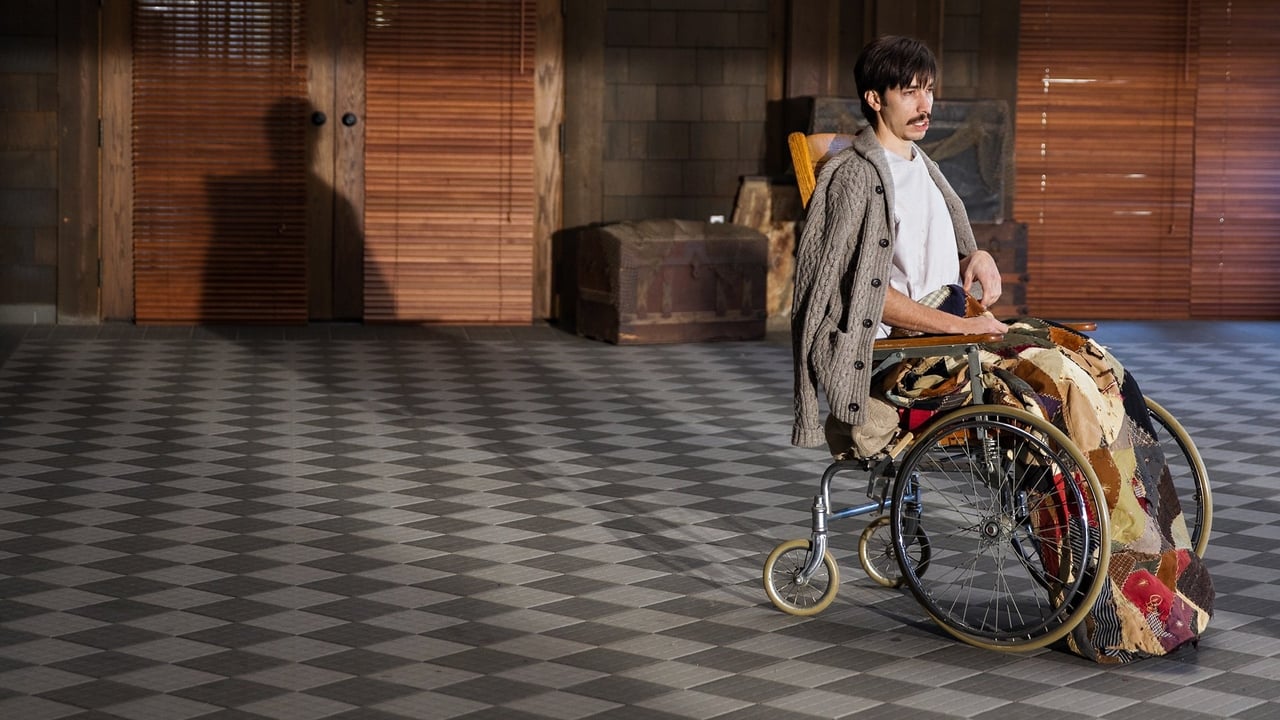
Watching the result felt like witnessing a high-speed car crash between a prestige character study and a $3 million dare. I watched this for the first time on a Tuesday night while trying to peel a stubborn price sticker off a new Moleskine notebook, and that sense of frustrating, sticky persistence oddly mirrored the movie’s own refusal to let go of its absurd premise. It’s a film that is impossible to recommend to everyone, yet impossible to forget once you’ve seen it.
The Podcaster and the Predator
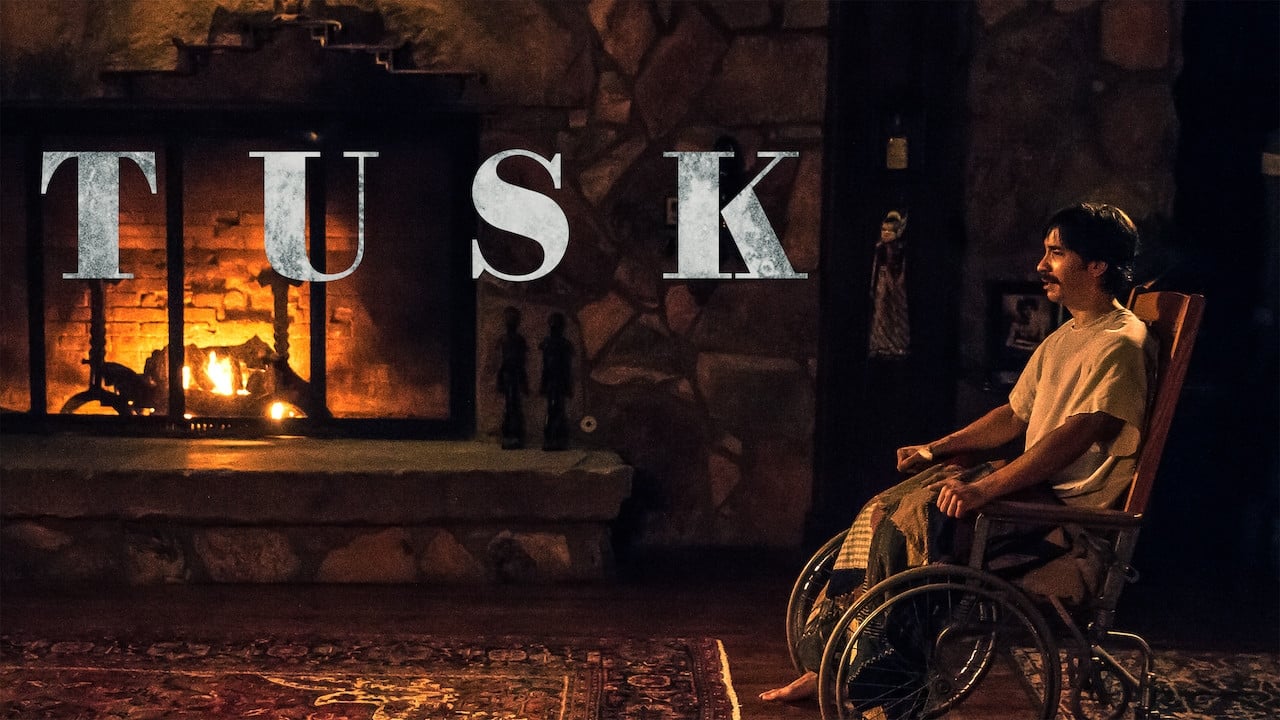
The film stars Justin Long as Wallace Bryton, a mustache-twirling, arrogant podcaster who travels to Canada to interview a viral video star. When that lead goes cold, he finds a handwritten note in a bar bathroom from a man promising stories of a life lived at sea. Enter Howard Howe, played with bone-chilling elegance by the late Michael Parks (whom you might recognize as the Texas Ranger from Kill Bill).
The first act of Tusk is actually a masterfully tense chamber piece. Parks delivers long, winding monologues about Ernest Hemingway and the nature of man that feel like they belong in a different, much more "serious" film. Justin Long spends the first thirty minutes being so unlikable that you almost look forward to his misfortune, which is a testament to his performance. He captures that mid-2010s "professional YouTuber" ego perfectly—the kind of guy who thinks his microphone is a shield against reality.
Practical Nightmares and Human Skin
Once the tea is spiked and the legs go missing, Tusk shifts into full-blown body horror. This was 2014, a time when the industry was leaning heavily into digital blood and CGI monsters, but Kevin Smith leaned into the expertise of Robert Kurtzman. The result is a practical "walrus suit" made of what looks like human leather and scar tissue. When the big reveal finally happens, it isn't scary in a traditional sense—it's profoundly upsetting.
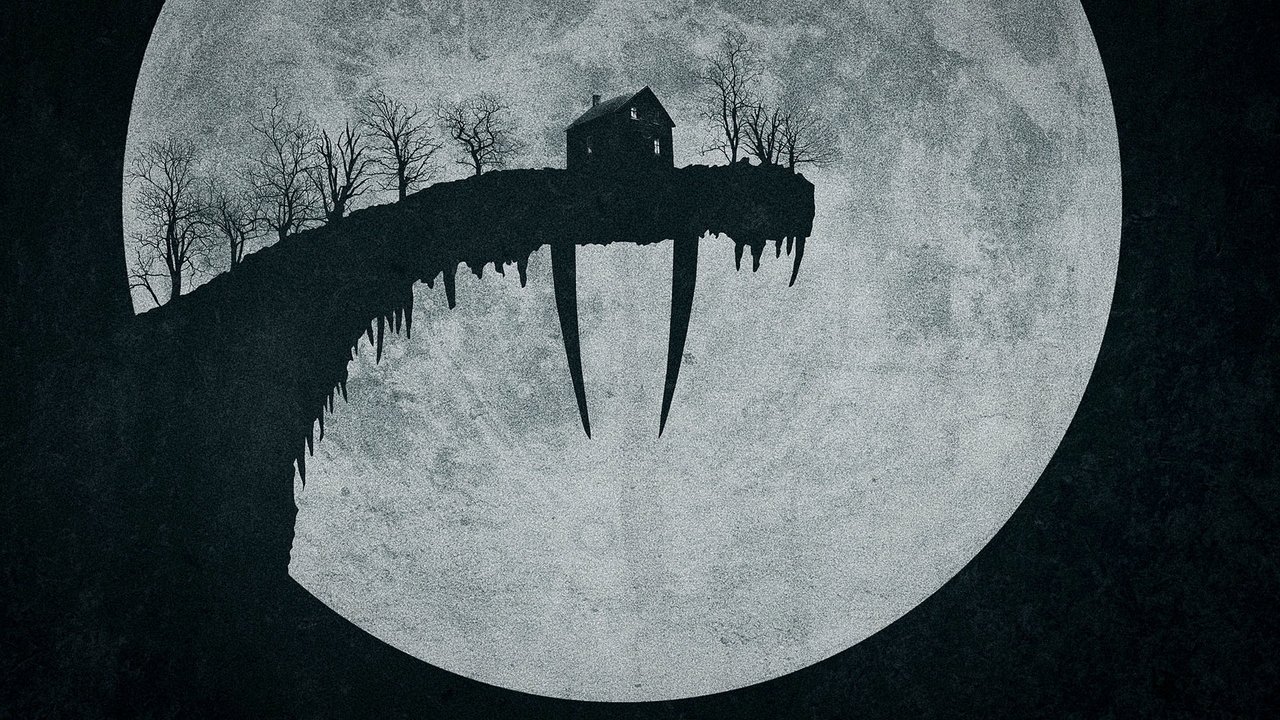
There is a tactile, wet, heavy quality to the creature design that CGI simply couldn't have achieved. It feels like the cinematic equivalent of a wet wool sweater that’s been soaked in old milk. The way Wallace, now "Mr. Tusk," makes those guttural, agonized sounds through a prosthetic snout is genuinely haunting. It taps into that specific era of "torture porn" residue left over from the Hostel and Saw years, but filters it through a lens of pitch-black comedy that makes you feel slightly guilty for watching.
The Guy Lapointe Problem
Just when you think you’ve settled into a dark horror groove, the film introduces Guy Lapointe, played by an uncredited Johnny Depp in heavy prosthetics and a thick Quebecois accent. This is where Tusk usually loses people. The tone shifts from The Silence of the Lambs to a Saturday Night Live sketch that’s gone on five minutes too long. Johnny Depp’s performance is a wandering, cartoonish distraction that feels like it belongs in a completely different zip code.
It’s a classic example of the "indie freedom" trap. Without a studio executive to say "no," Kevin Smith let the scenes with Johnny Depp, Haley Joel Osment, and Genesis Rodriguez breathe for way too long. The momentum of the horror dies a slow death in the middle of a convenience store while Lapointe eats a burger. Looking back, it reflects that specific moment in the early 2010s when Depp was deep into his "character actor in a leading man’s body" phase, often to the detriment of the actual story.
A Relic of the "True North" Ambition
Tusk was the first in a planned "True North" trilogy, followed by the even more bizarre Yoga Hosers. It represents a fascinating pivot point for Kevin Smith. He had moved away from the View Askewniverse and was using his podcasting empire to self-finance these weird, niche experiments. It’s an indie film in the truest sense—it exists because one guy thought it would be funny, and he had enough loyal fans to make it happen.
While the box office was a disaster, only clawing back about half of its $3 million budget, the film has carved out a permanent spot in the "What the hell did I just watch?" hall of fame. It’s a movie that rewards those who appreciate the craftsmanship of a practical monster suit but also enjoy the awkwardness of a script that doesn’t know when to quit. Kevin Smith basically filmed a dare and somehow convinced professional actors to participate in a leather-bound fever dream.
Ultimately, Tusk is a fascinating failure that manages to be more memorable than a hundred "perfect" studio horror films. It’s worth watching just for the sheer audacity of Michael Parks’ performance and the grotesque beauty of the walrus suit. It’s a polarizing, messy, and occasionally brilliant piece of Canadian-set madness. If you’re tired of the same old jump scares and want to see a movie that isn't afraid to get weirdly specific about marine biology and human sewing, give it a go. Just maybe skip the tuna sandwich before you hit play.
Keep Exploring...
-

Red State
2011
-
Jay and Silent Bob Strike Back
2001
-
Jersey Girl
2004
-

Zack and Miri Make a Porno
2008
-
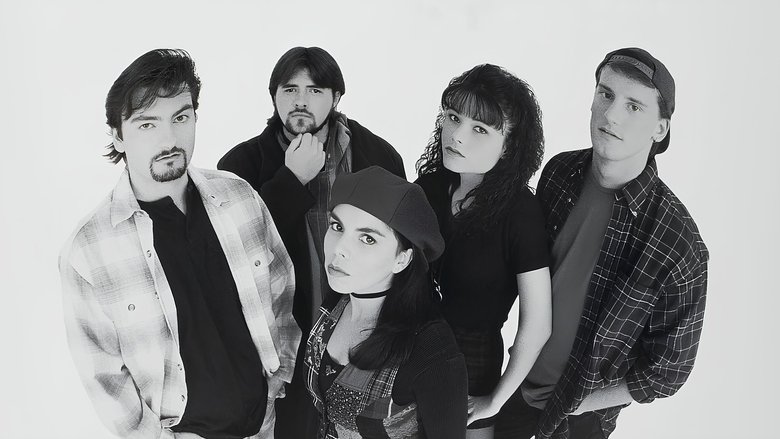
Clerks
1994
-
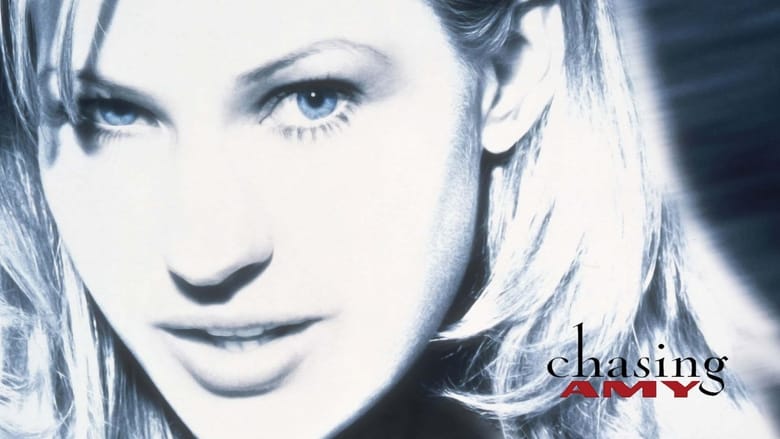
Chasing Amy
1997
-
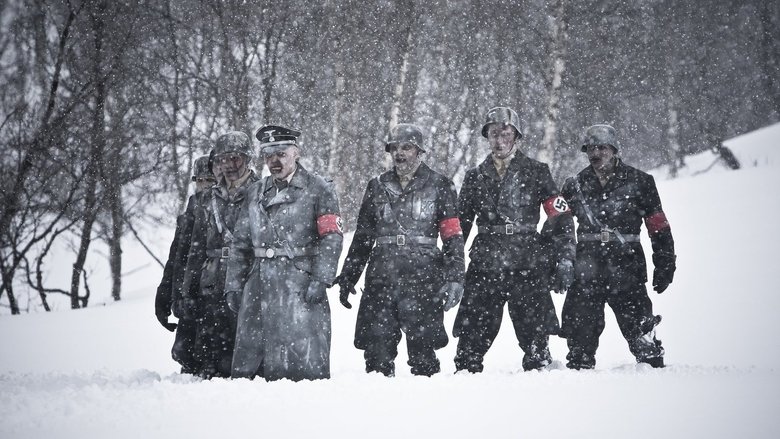
Dead Snow
2009
-
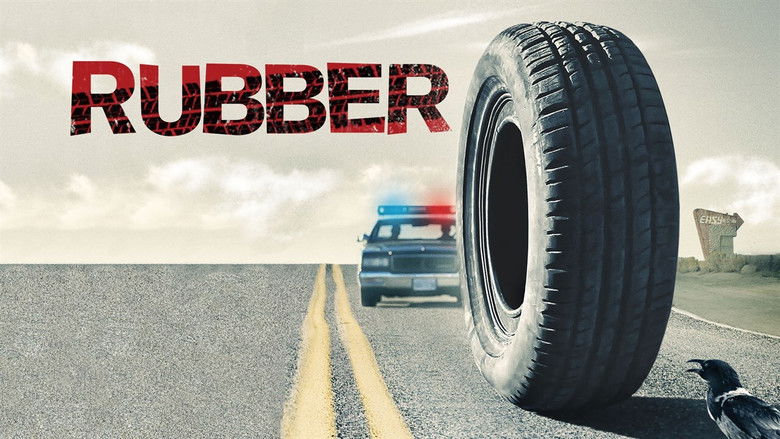
Rubber
2010
-
A Haunted House
2013
-
A Haunted House 2
2014
-
Cop Out
2010
-

Tremors 2: Aftershocks
1996
-

Clerks II
2006
-
After.Life
2009
-
Grave Encounters
2011
-

Mallrats
1995
-
Dogma
1999
-

What We Do in the Shadows
2014
-
Jennifer's Body
2009
-
Fright Night
2011