Two Days, One Night
"Your bonus or her life?"
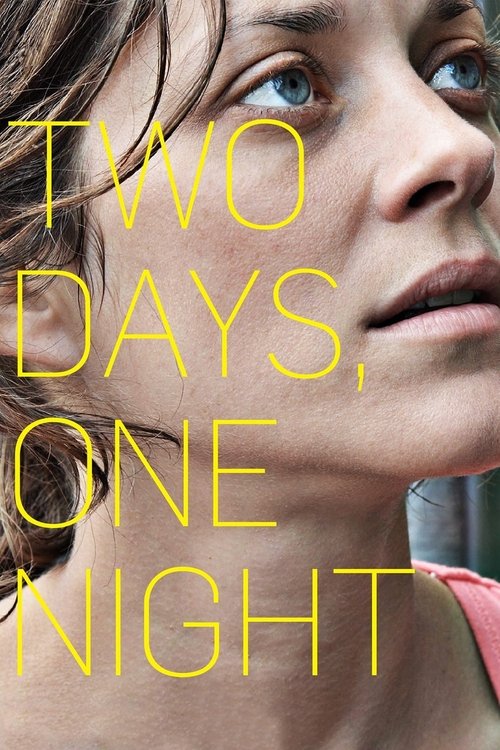
Imagine being asked to choose between your summer vacation fund and your neighbor’s ability to pay their mortgage. That is the nauseating, razor-sharp hook of the Dardenne brothers’ 2014 masterpiece, Two Days, One Night. It’s a film that functions like a ticking-clock thriller, but instead of a bomb under a bus, the explosive device is a 1,000-euro bonus. While 2014 was busy giving us the meta-theatrics of Birdman or the twelve-year gimmick of Boyhood, this quiet Belgian drama was arguably the most stressful thing put to celluloid that year.

I watched this recently on a rainy Tuesday while eating a piece of slightly burnt sourdough toast, and let me tell you, the dryness of the bread matched the grit of the film perfectly. It’s a "Modern Cinema" era relic that feels even more pointed today than it did a decade ago. It captures that specific post-2008 anxiety—where the "recovery" had supposedly happened, but the actual humans on the ground were still being crushed by the gears of efficiency.
The Most Relatable Thriller Ever Made
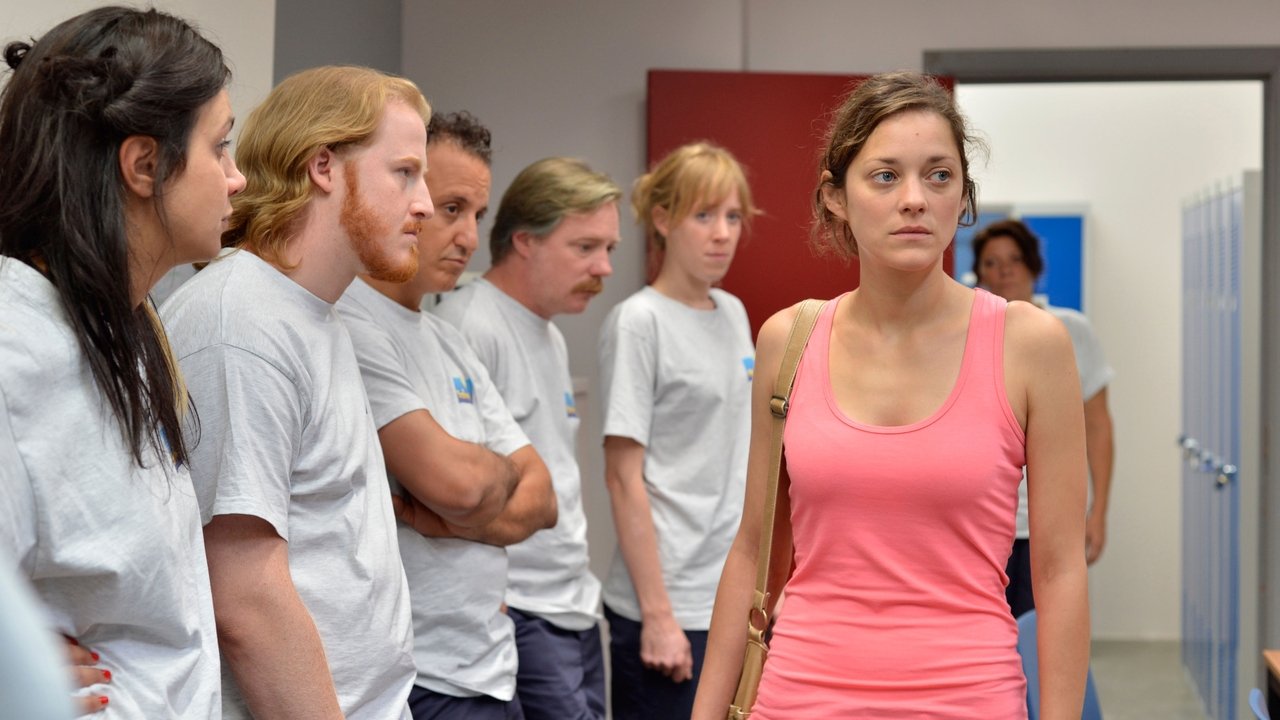
The setup is deceptively simple. Marion Cotillard plays Sandra, a wife and mother recovering from a bout of depression. She’s ready to return to her job at a small solar panel factory, only to find that in her absence, her boss realized sixteen people could do the work of seventeen. The boss gives the staff a choice: Sandra keeps her job, or everyone else gets a 1,000-euro bonus. In an initial vote, they chose the cash. Sandra has one weekend to track them down and convince them to change their minds before a second vote on Monday morning.
Directors Luc Dardenne and Jean-Pierre Dardenne (the guys behind Rosetta and The Child) are the kings of Belgian social realism. They don't do flashy camera moves or soaring orchestral scores. They shoot on what feels like a handheld camera that is perpetually trying to keep up with Sandra as she walks, drives, and stumbles through her mission. It’s repetitive by design. Every time Sandra knocks on a door, I felt my own stomach drop. You start to anticipate the rejection. You start to feel her humiliation. If you find this movie 'boring,' you’ve probably never had to worry about your bank balance hitting zero on a Tuesday.
Cotillard Stripped Bare

Marion Cotillard is a massive movie star. We’ve seen her in the dreamscapes of Inception (2010) or winning an Oscar for La Vie en Rose (2007). But here, she is unrecognizable in the best way. There is no "acting" in the traditional sense; there is only a woman barely holding onto the thread of her own dignity. She spends half the movie in a simple pink tank top, looking exhausted, her hair unwashed, constantly checking her phone.
Her husband, played by Fabrizio Rongione (a Dardenne regular), is the unsung hero of the film. He isn’t some dramatic foil; he is the guy making the pasta, driving the car, and gently nudging his wife out of bed when her depression tells her to give up. Their chemistry feels lived-in and weary. The film doesn't treat Sandra’s depression as a plot point or a "lesson"—it’s just a weight she’s carrying while she tries to save her house. The bosses who pit workers against each other are the real villains, obviously, but the coworkers aren't exactly saints either. It’s that moral gray area that makes the movie so uncomfortable.
Why It Disappeared (And Why You Need It)
For a film that earned Marion Cotillard an Academy Award nomination, Two Days, One Night has drifted into that "critics' darling" obscurity. It didn't have a massive marketing push, and as a subtitled drama about Belgian factory workers, it was never going to be a blockbuster. It’s a film that captures the transition from the physical to the digital era of labor—where workers are no longer a community, but a set of competing numbers on a spreadsheet.
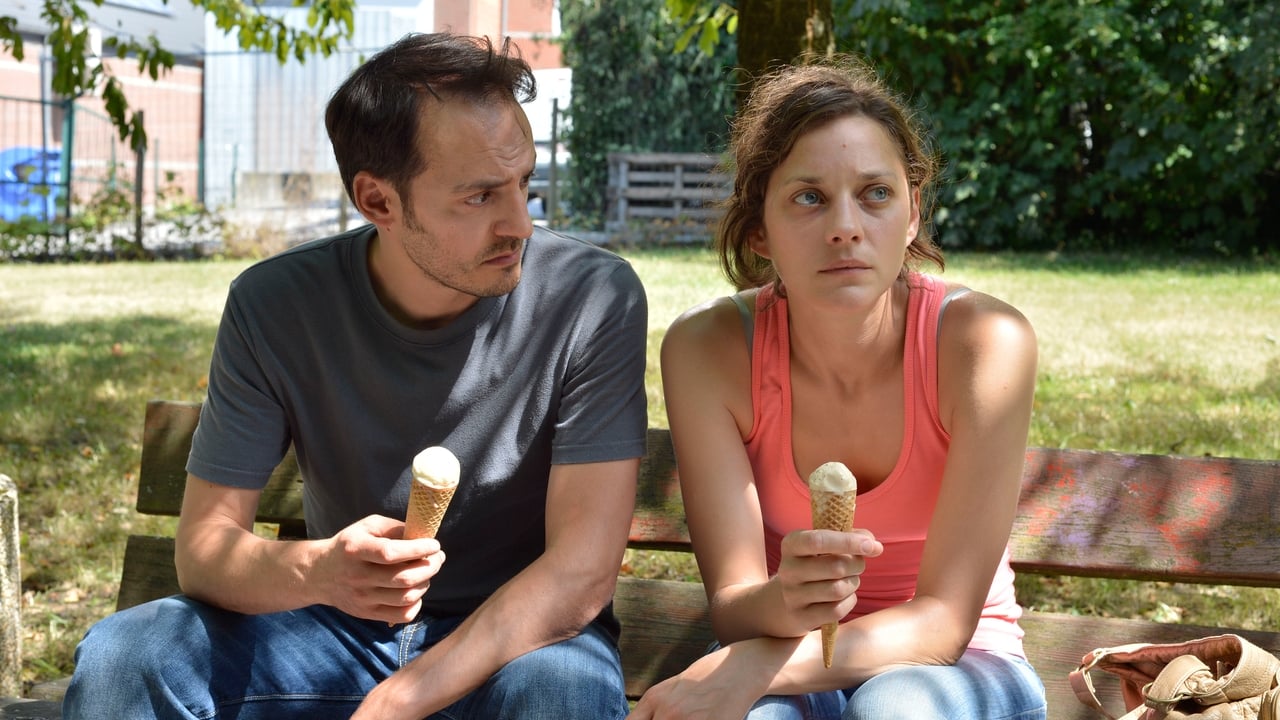
Interestingly, the Dardennes are famous for their grueling rehearsal process. Apparently, they spent months rehearsing every movement before the cameras even rolled, and they are known for doing dozens of takes (sometimes upwards of 50 or 80) to get that "accidental" feeling. Looking back at it now, in an era where movies are increasingly glossy and CGI-heavy, the tactile, sweaty reality of this film feels like a luxury. It’s a reminder of what film can do when it stops trying to escapist and starts trying to be honest.
The film's "Original Tagline" was "A quest for self-improvement," which I honestly think is a bit of a marketing misfire. This isn't a self-help book. It’s a fight. It’s a quest for survival in a world that views human beings as line items. By the time Monday morning rolls around, you won't care about the 1,000 euros. You’ll just want Sandra to be able to look at herself in the mirror.
This isn't a "fun" movie in the popcorn-munching sense, but it is deeply satisfying. It’s one of the few films that understands the actual value of money—not as a way to buy yachts, but as the difference between a stable life and a total collapse. It avoids every cliché of the "triumphant underdog" story to give us something much more profound. If you’ve ever felt like a cog in a machine, you owe it to yourself to watch Sandra try to break the gears.
Keep Exploring...
-

Rust and Bone
2012
-
The Immigrant
2013
-
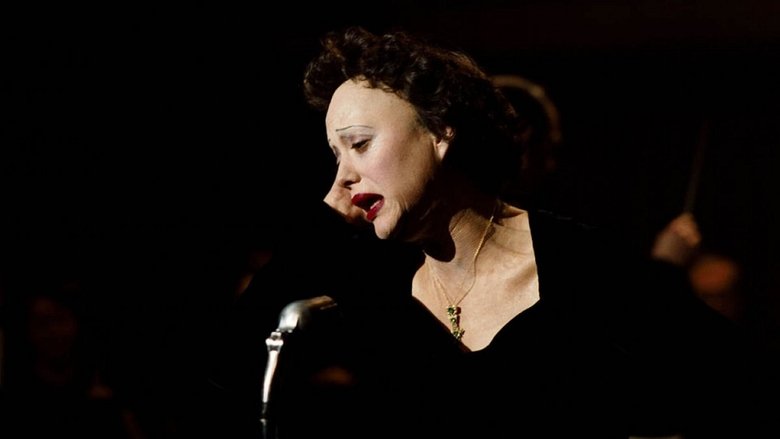
La Vie en Rose
2007
-
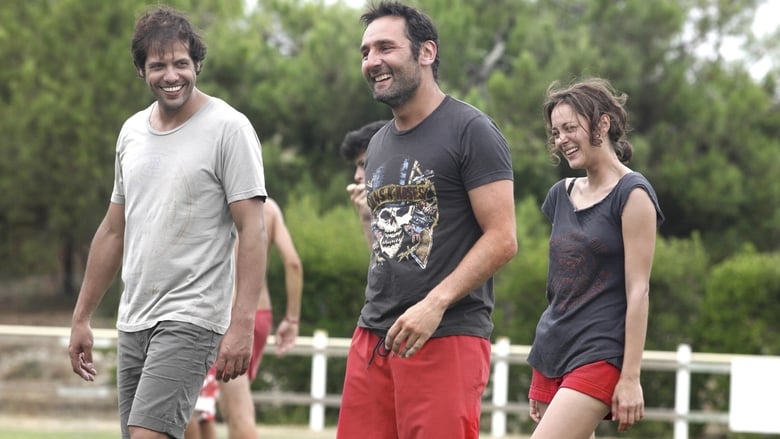
Little White Lies
2010
-

A Prophet
2009
-
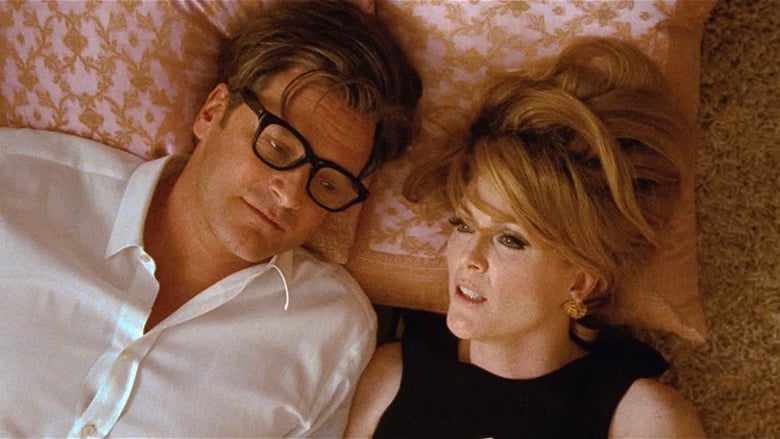
A Single Man
2009
-
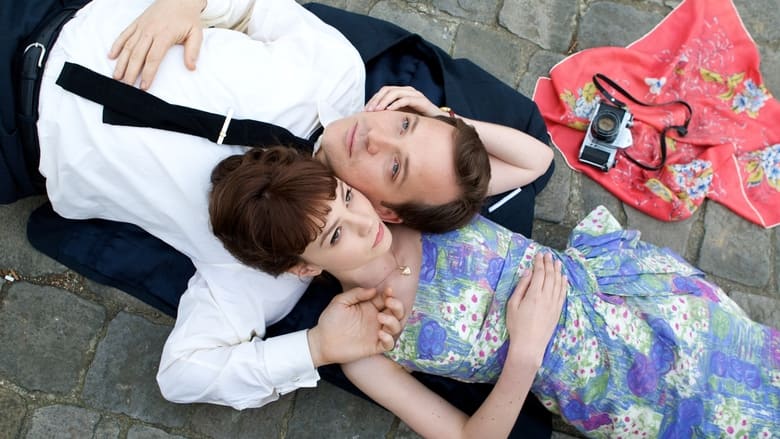
An Education
2009
-
Bad Lieutenant: Port of Call - New Orleans
2009
-
Cell 211
2009
-

Crazy Heart
2009
-

Evangelion: 2.0 You Can (Not) Advance
2009
-

Harry Brown
2009
-
Mother
2009
-

Precious
2009
-

The Informant!
2009
-
The Last House on the Left
2009
-

The White Ribbon
2009
-

The Young Victoria
2009
-
Thirst
2009
-

Valhalla Rising
2009