Two Night Stand
"Nature’s way of forcing a second date."
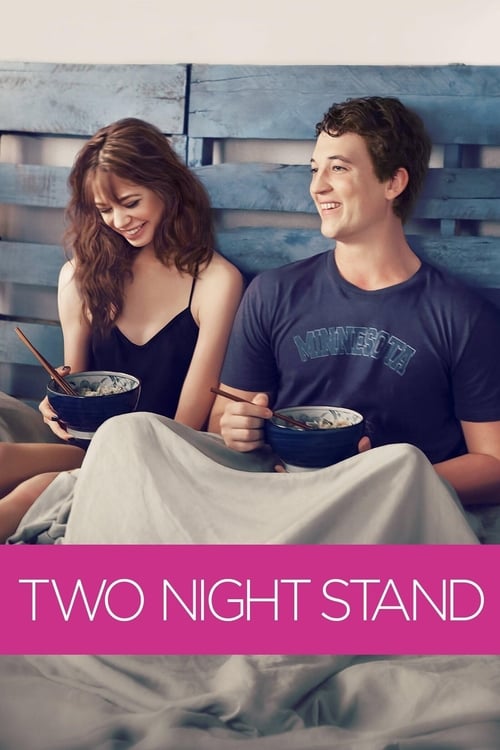
The year 2014 occupied a strange, transitional pocket of the cultural zeitgeist. We were fully entrenched in the "swiping" era of dating, yet we hadn’t quite reached the point where every romantic comedy felt like a manufactured Netflix algorithm. It was the tail end of the "indie-lite" boom—those movies that looked expensive enough to be professional but felt small enough to be personal. Two Night Stand is a quintessential artifact of this moment, a "bottle movie" that takes the most awkward social scenario imaginable and turns it into a surprisingly sharp study of millennial intimacy.

I watched this recently on a rainy Tuesday while my radiator was making a rhythmic clanking sound that strangely synced up with the movie’s score, and it reminded me just how much we’ve moved away from this kind of mid-budget, character-driven storytelling. It’s a simple setup: Megan (Lio Tipton), a recent grad in a life-funk, has a disastrous one-night stand with Alec (Miles Teller) after a desperate foray into online dating. When she tries to do the "walk of shame" the next morning, she discovers a historic blizzard has paralyzed Manhattan. She’s trapped in a cramped Brooklyn apartment with a guy she already decided she hates.
The Brutal Honesty of a Performance Review
What sets Two Night Stand apart from the standard-issue rom-com is its willingness to be deeply, uncomfortably cynical before it gets sweet. Most movies in this genre rely on "cute-meets" and misunderstandings. Here, the central hook is a "performance review." Since they assume they’ll never see each other again once the snow melts, Megan and Alec decide to give each other brutally honest feedback on why their hookup was so mediocre.
It’s a brave narrative choice. It’s basically "The Breakfast Club" if everyone had already seen each other naked and was really disappointed by the experience. This sequence is where the screenplay by Mark Hammer really shines. It captures that specific 2010s brand of irony and self-deprecation. Lio Tipton is fantastic here—they have this wide-eyed, frantic energy that feels grounded rather than "manic pixie." Opposite them, Miles Teller is doing his trademark thing: playing a character who is just arrogant enough that you want to shove him, but charismatic enough that you understand why Megan stays. Miles Teller’s face was engineered by scientists to be 15% more arrogant than a standard human, and this film utilizes that specific chemistry perfectly.
Indie Hustle on a Frozen Stage
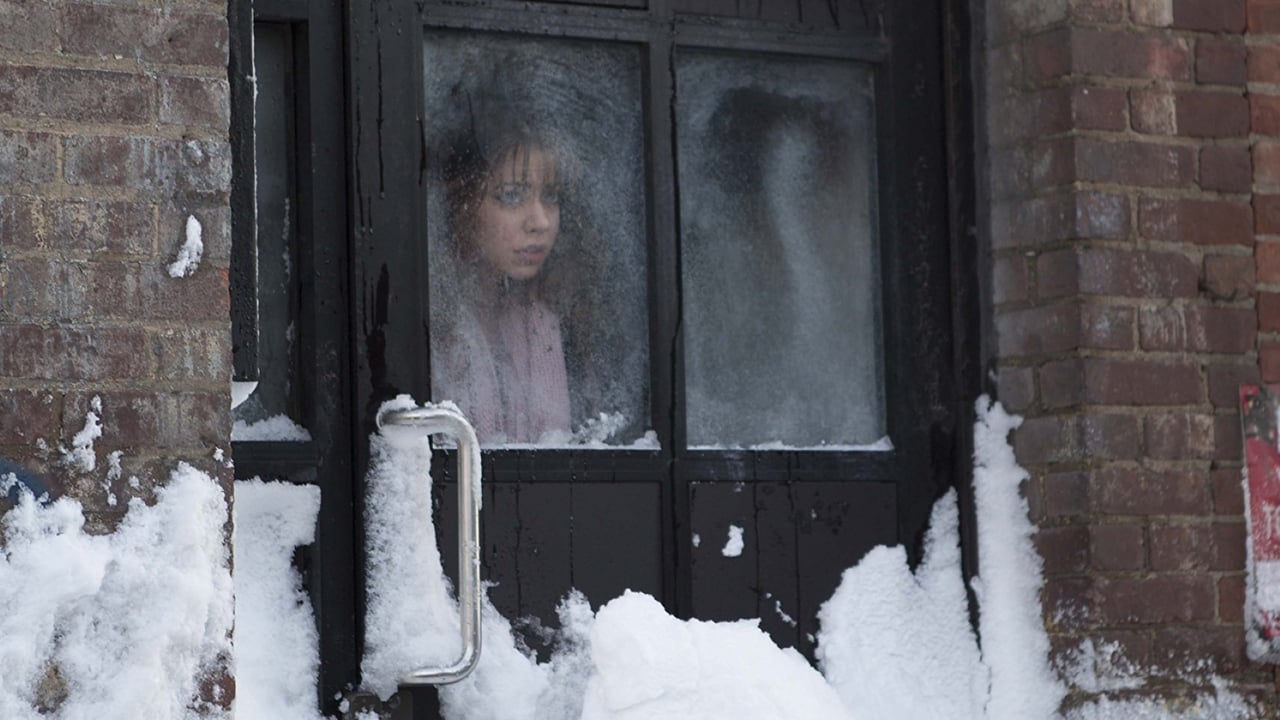
Director Max Nichols (son of the legendary Mike Nichols, who gave us The Graduate) had a challenge here that would terrify most first-time directors: keeping a movie interesting when 80% of it takes place in a messy one-bedroom apartment. This is where the independent spirit of the production really shows its teeth. With a budget of just $1.6 million, the film couldn’t afford grand vistas or massive set pieces. Instead, it leans into the claustrophobia.
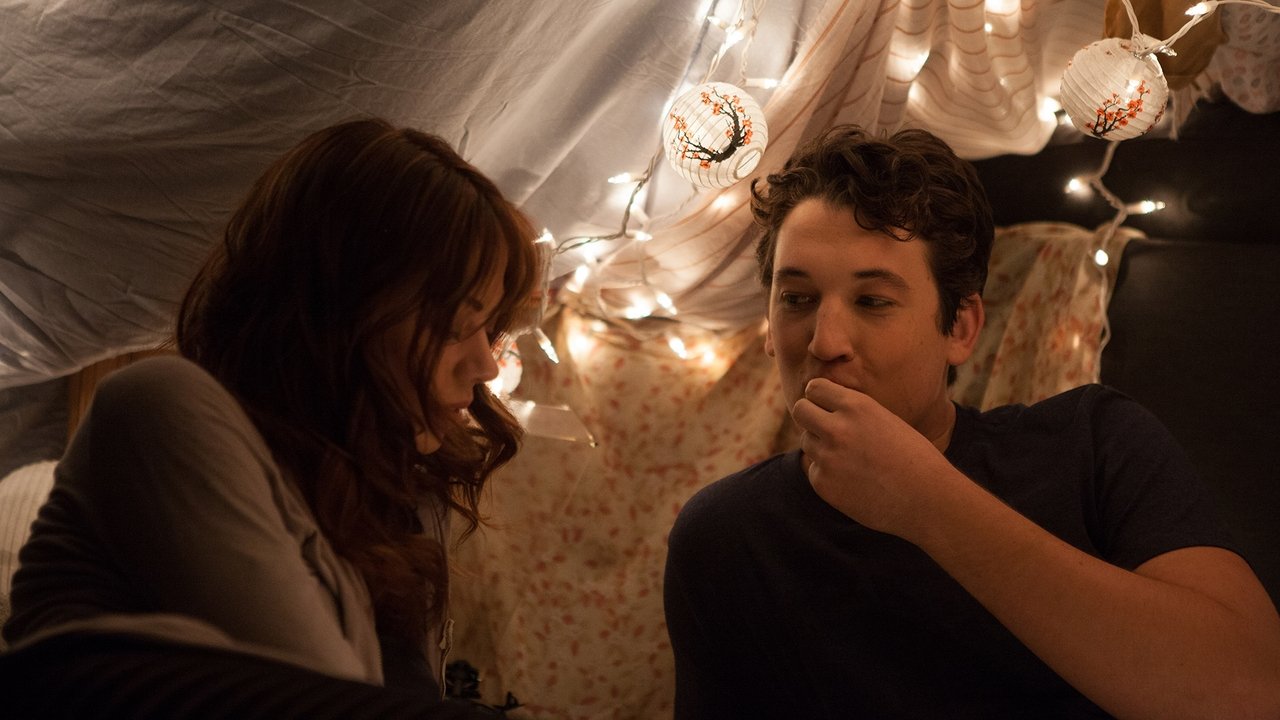
The production design by Sutton Dewitt deserves a shout-out. Alec’s apartment feels like a real place—cluttered, slightly dusty, and filled with the kind of "curated" junk that defined the 2014 Brooklyn aesthetic. Because they were working with limited resources, the film relies heavily on the rhythm of the editing and the score by Neil de Luca to keep the momentum going. It’s a masterclass in making a small budget look like a deliberate stylistic choice rather than a constraint. They even managed to snag Kid Cudi and Jessica Szohr for small supporting roles, which adds a bit of "cool-factor" to the world-building outside the apartment walls.
The Transition from Analog to Digital Love
Looking back, Two Night Stand captures a very specific anxiety about how technology was changing the way we connect. In 2014, the idea of meeting a stranger from an app was still transitioning from "weird and dangerous" to "the only way people meet." The film treats the app not as a gimmick, but as a symptom of a generation that is over-connected but deeply lonely.
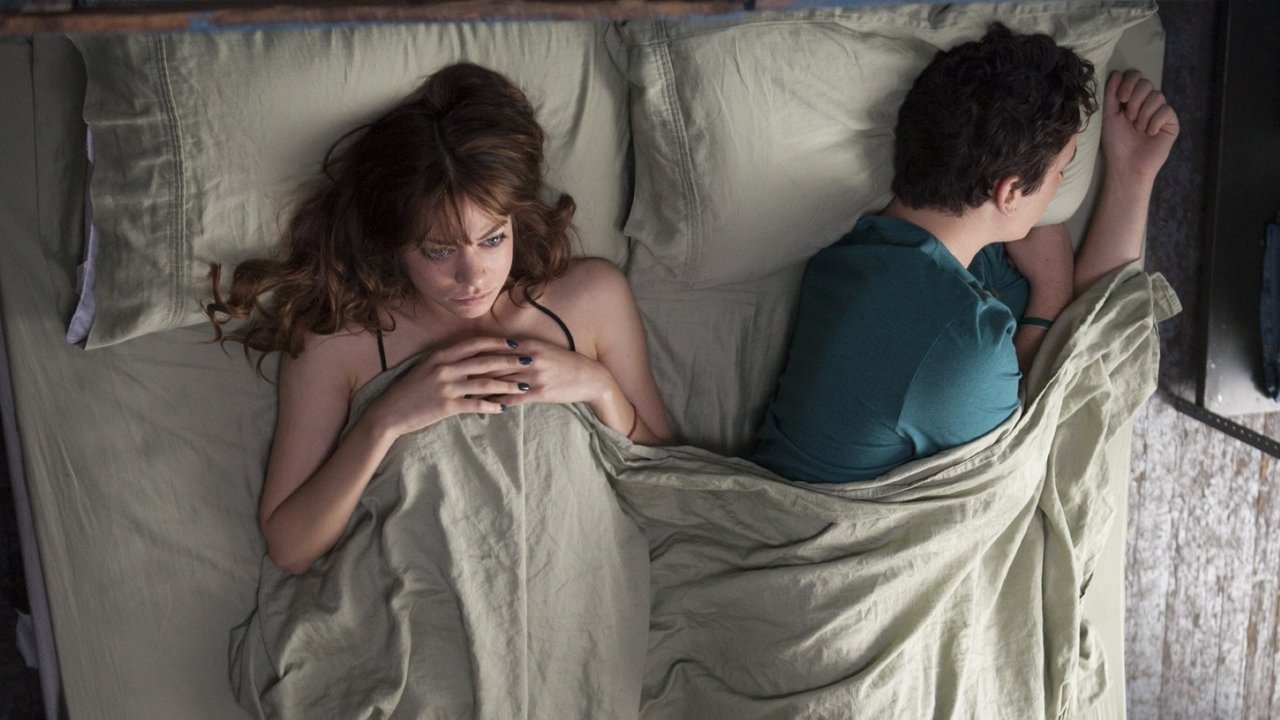
Does it all hold up? Mostly. Some of the banter feels a little too "written," and the third-act "grand gesture" feels like it belongs to a more conventional movie than the first two acts. However, the core of the film—the idea that intimacy requires a level of honesty that we usually hide behind our screens—is arguably more relevant now than it was a decade ago. It avoids the glossy, airbrushed feel of the 2000s studio rom-coms, opting instead for a grainy, digital look that feels appropriate for its shoestring origins. It’s a modest film, but its modesty is its strength. It doesn’t try to redefine the genre; it just wants to spend 86 minutes wondering if two people can find common ground when the Wi-Fi goes out and the door is frozen shut.
Two Night Stand is the cinematic equivalent of a grilled cheese sandwich: it’s not haute cuisine, but it’s exactly what you want when you’re stuck inside. While it hits a few predictable beats toward the end, the chemistry between Lio Tipton and Miles Teller carries it through the drifts. It’s a cozy, cynical, and ultimately charming time capsule of a decade when we were all still figuring out the rules of digital romance. If you’ve ever had a date you wished would end but couldn't, this is your catharsis.
Keep Exploring...
-

Beginners
2011
-
The First Time
2012
-
Don Jon
2013
-
Buffalo '66
1998
-
Secretary
2002
-
Safety Not Guaranteed
2012
-
The Spectacular Now
2013
-
The To Do List
2013
-
Chasing Amy
1997
-
Ghosts of Girlfriends Past
2009
-
The Rebound
2009
-
Killers
2010
-

Leap Year
2010
-
Love & Other Drugs
2010
-

Morning Glory
2010
-
She's Out of My League
2010
-

Starstruck
2010
-

The Bounty Hunter
2010
-
Friends with Benefits
2011
-

Monte Carlo
2011