Unbroken
"One man's endurance is another's salvation."
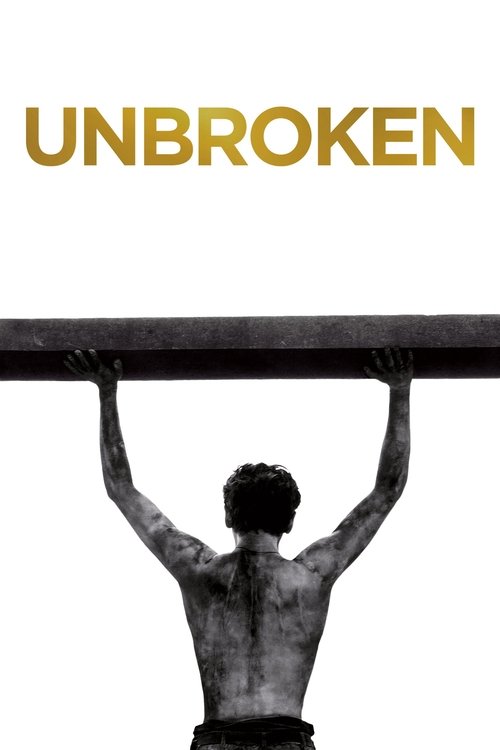
Louis Zamperini didn’t just survive the 20th century; he treated it like an obstacle course designed by a particularly sadistic deity. By the time Angelina Jolie got her hands on the script for Unbroken—a project that had been gathering dust in Hollywood’s "too hard to make" pile since the 1950s—the story of the Olympic-runner-turned-POW had already become a literary juggernaut. But translating that kind of sheer, unadulterated suffering to the screen is a dangerous game. Go too light, and you disrespect the man; go too heavy, and you end up with a movie that feels like a two-hour dental appointment without the Novocain.
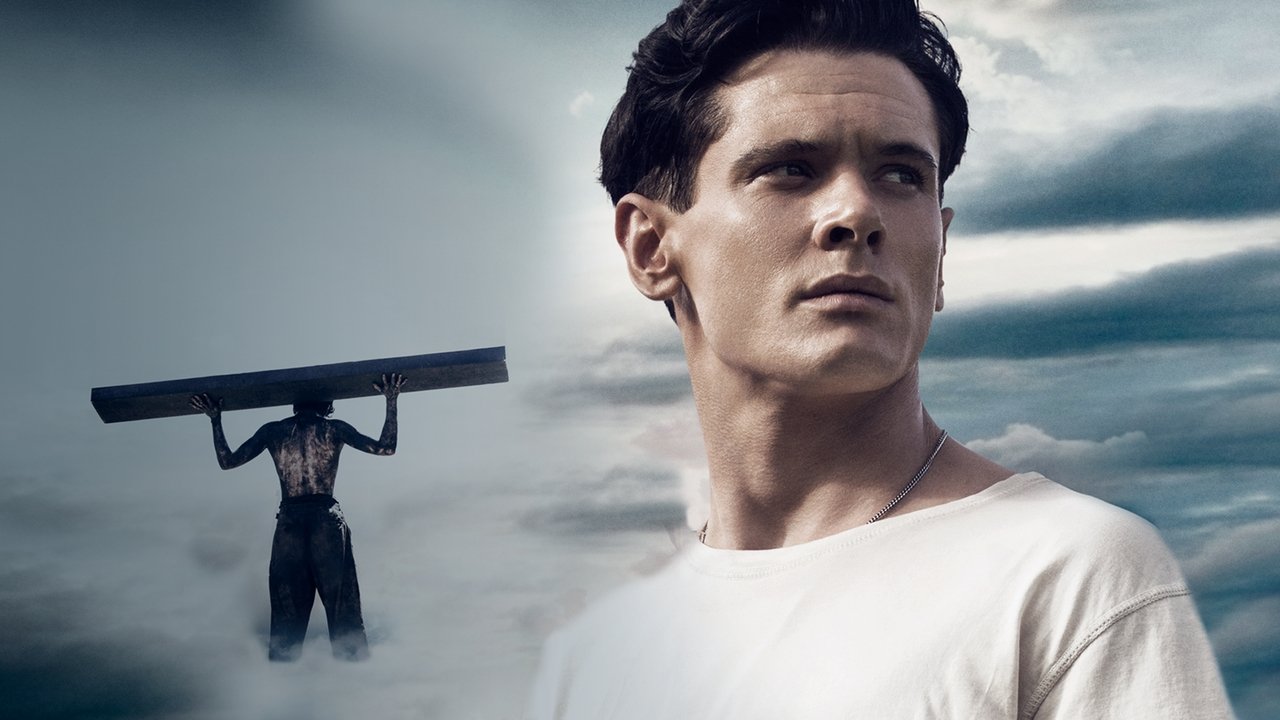
I watched this film while eating a bag of very salty pretzels, which turned out to be a massive mistake. As Jack O'Connell and his crew drifted across the Pacific, their lips cracking and eyes sinking into their skulls, my own thirst became a meta-textual part of the experience. It’s that kind of movie. It doesn't just ask for your attention; it demands your stamina.
The Long Walk on Short Water
The film’s first act is a masterclass in the "Modern Cinema" era’s ability to blend high-octane digital spectacle with intimate character drama. We get the B-24 crash—a sequence that captures the terrifying, mechanical chaos of WWII aerial combat—followed by the quiet, agonizing stillness of the raft. Here, Jack O'Connell establishes himself as a force of nature. He has this wiry, desperate energy that makes you believe he could actually outrun a bullet, or at least survive long enough to annoy the person firing it.
Alongside him, Domhnall Gleeson (Phil) and Finn Wittrock (Mac) deliver performances that are stripped of any Hollywood vanity. They look genuinely skeletal. However, looking back at the 2014 CGI, the raft sequence is where the seams occasionally show. The CGI sharks in the raft sequence are a weirdly glossy blemish on an otherwise gritty canvas, looking more like leftover assets from a mid-2000s nature documentary than the monsters of the deep they’re meant to be. But the psychological weight is what keeps the raft afloat. Watching them calculate their diminishing calories while staring at a horizon that refuses to offer a ship is where the "Dark/Intense" tone really starts to dig its heels in.
A Duel of Wills in the Dust
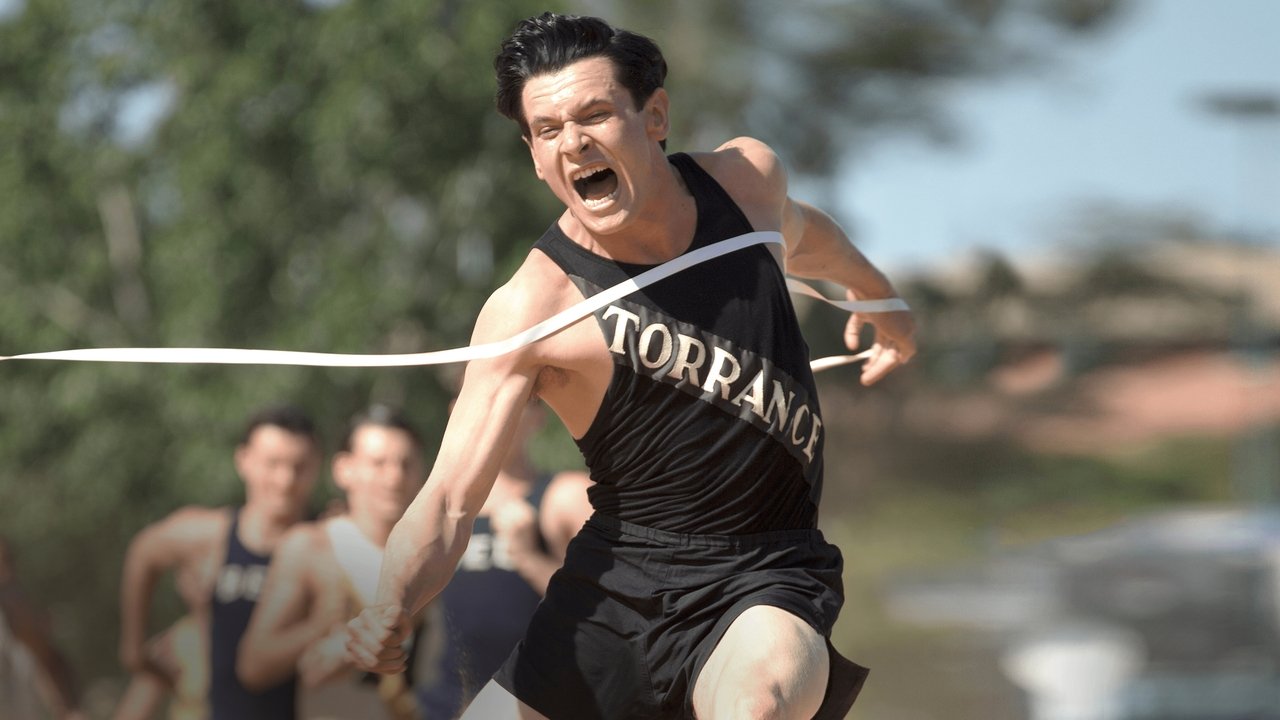
Once Louis is hauled out of the water and into the Japanese POW camps, Unbroken transforms from a survival adventure into a grueling psychological thriller. Enter MIYAVI, the Japanese rock star making his acting debut as Mutsuhiro 'The Bird' Watanabe. It’s a fascinating casting choice that paid off in ways a traditional actor might not have managed. There’s an ethereal, almost feline cruelty to his performance. He doesn't just want to break Louis’s body; he wants to colonize his spirit.
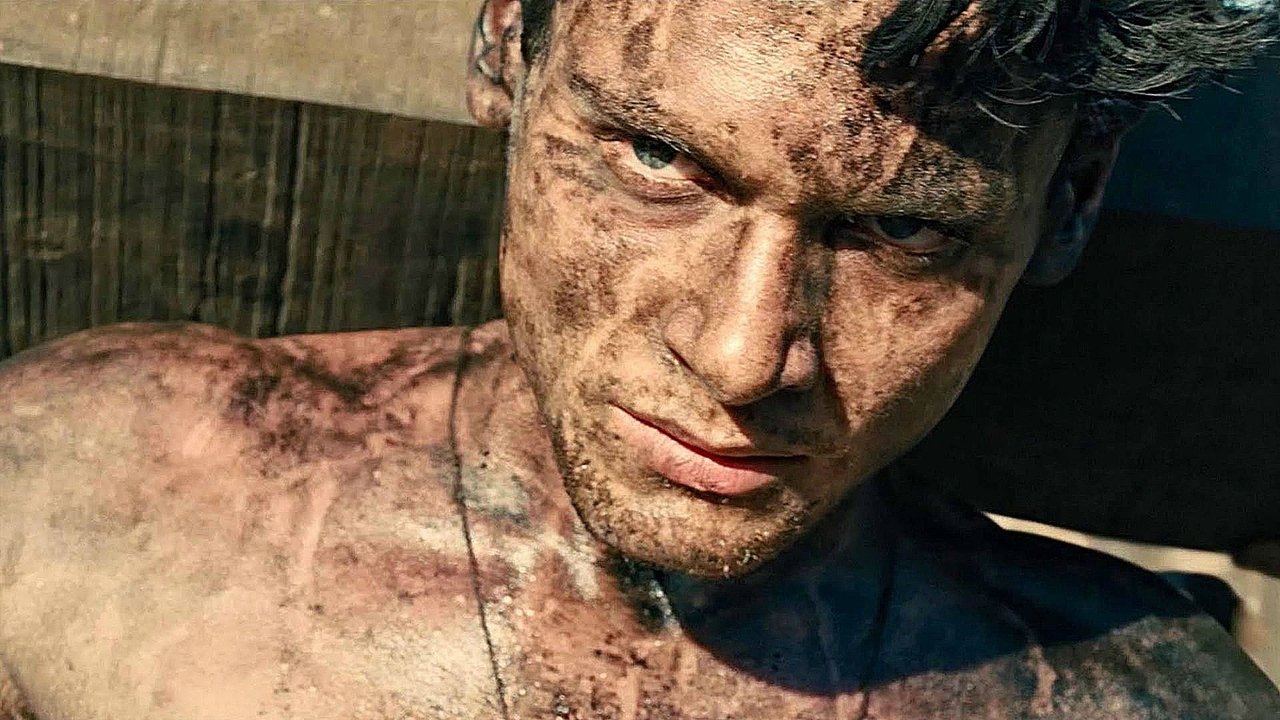
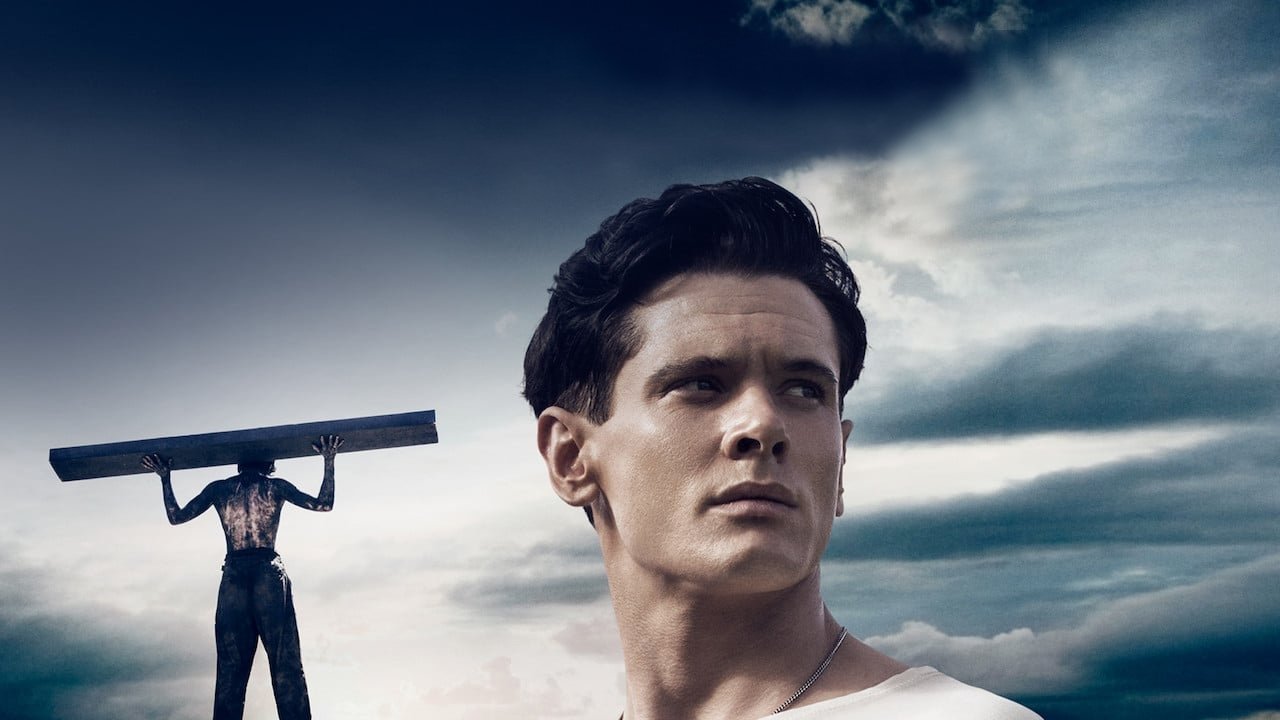
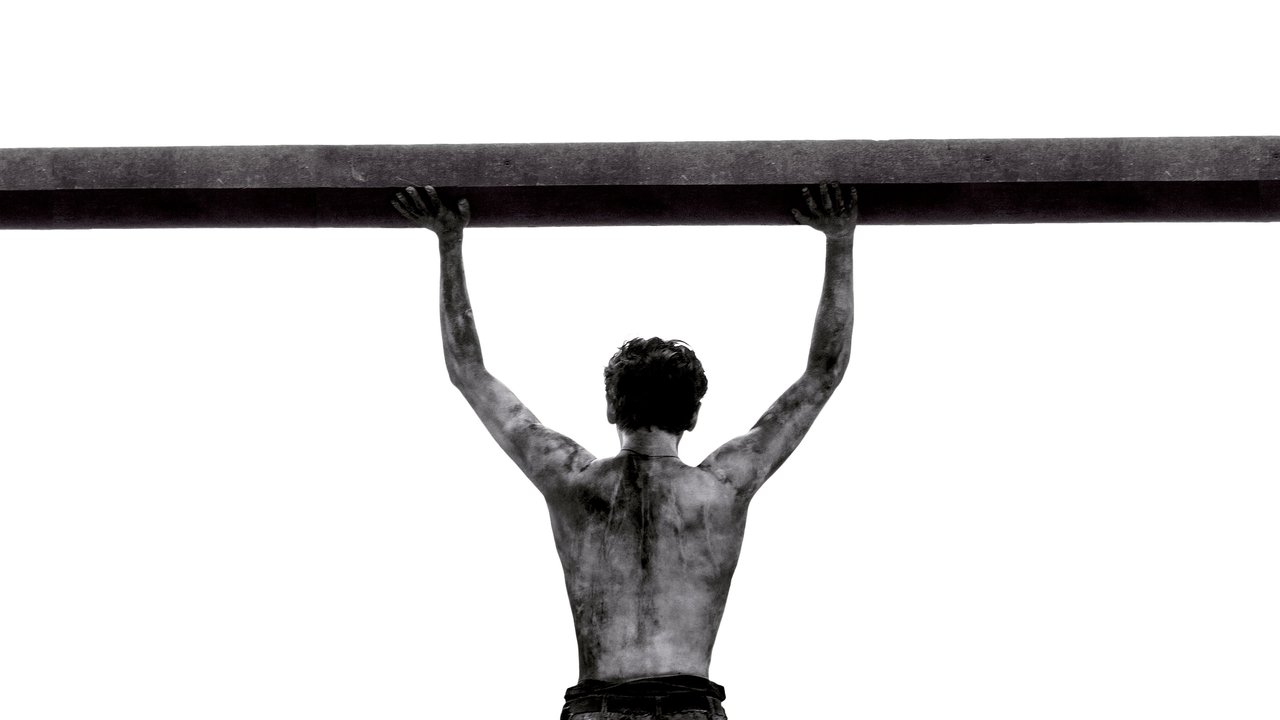
The scenes between O'Connell and MIYAVI are the heartbeat of the film. They are uncomfortable, protracted, and occasionally move into the realm of "misery porn," but they serve a thematic purpose. Angelina Jolie directs this like she’s trying to win a bet that she can make the audience feel physically dehydrated. She focuses on the texture of the charcoal, the weight of the wooden beams, and the salt in the wounds. It’s a drama that values "earning" its redemption through a calculated display of human cruelty.
The Survivalist’s Special Edition
While Unbroken was a box office success, it has developed a bit of a cult following among history buffs and survival-film enthusiasts who obsess over the production’s "could-have-beens." Fans often point to the fact that the Ethan Coen and Joel Coen did a pass on the screenplay, and you can see their fingerprints in the drier, more laconic dialogue of the soldiers. Apparently, the film was in development for so long that Tony Curtis was originally tipped to play Louis back in 1957.
The behind-the-scenes lore is almost as intense as the film itself. MIYAVI reportedly became so physically ill from the emotional intensity of the scenes where he had to beat O'Connell that he threw up on set. It’s also a little-known fact that the real Louis Zamperini gave Jolie a golden Olympic charm that he’d carried for decades, which she kept in her pocket during filming for good luck. This sense of reverence for the source material is likely why the film found such a dedicated fanbase on home video—it’s the kind of "DVD Culture" staple that people buy just to watch the making-of documentaries about the real Louis.
What keeps Unbroken relevant in the post-9/11 landscape of war films is its refusal to offer a simple "we won" catharsis. Instead, it’s about the refusal to be erased. It fits into that 1990-2014 window where we stopped making "John Wayne" war movies and started making "Experience the Trauma" war movies. It’s not always "fun" to watch, but it’s undeniably effective.
Unbroken is a heavy lift that occasionally sags under the weight of its own nobility. While the pacing in the middle act can feel as slow as a raft in a dead calm, the powerhouse performances by Jack O'Connell and MIYAVI keep it from sinking into biopic clichés. It’s a film that respects the darkness of its subject matter enough to make the final light feel hard-won. If you can handle the bruises, it’s a journey worth taking—just bring a large glass of water and maybe skip the pretzels.
Keep Exploring...
-

Brothers
2009
-
The Thin Red Line
1998
-
The Patriot
2000
-
Enemy at the Gates
2001
-
Master and Commander: The Far Side of the World
2003
-
Kingdom of Heaven
2005
-
Letters from Iwo Jima
2006
-
The Hurt Locker
2008
-
Inglourious Basterds
2009
-

Fury
2014
-
Green Zone
2010
-
Hotel Rwanda
2004
-
Pan's Labyrinth
2006
-
The Flowers of War
2011
-
Lone Survivor
2013
-

The Imitation Game
2014
-

Law Abiding Citizen
2009
-

Braveheart
1995
-
Crimson Tide
1995
-
Saving Private Ryan
1998