Under the Skin
"In the rain of Glasgow, a predator learns to feel."
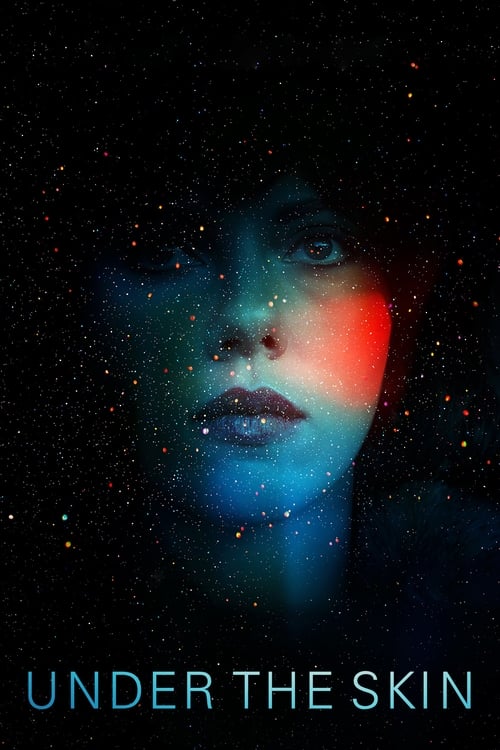
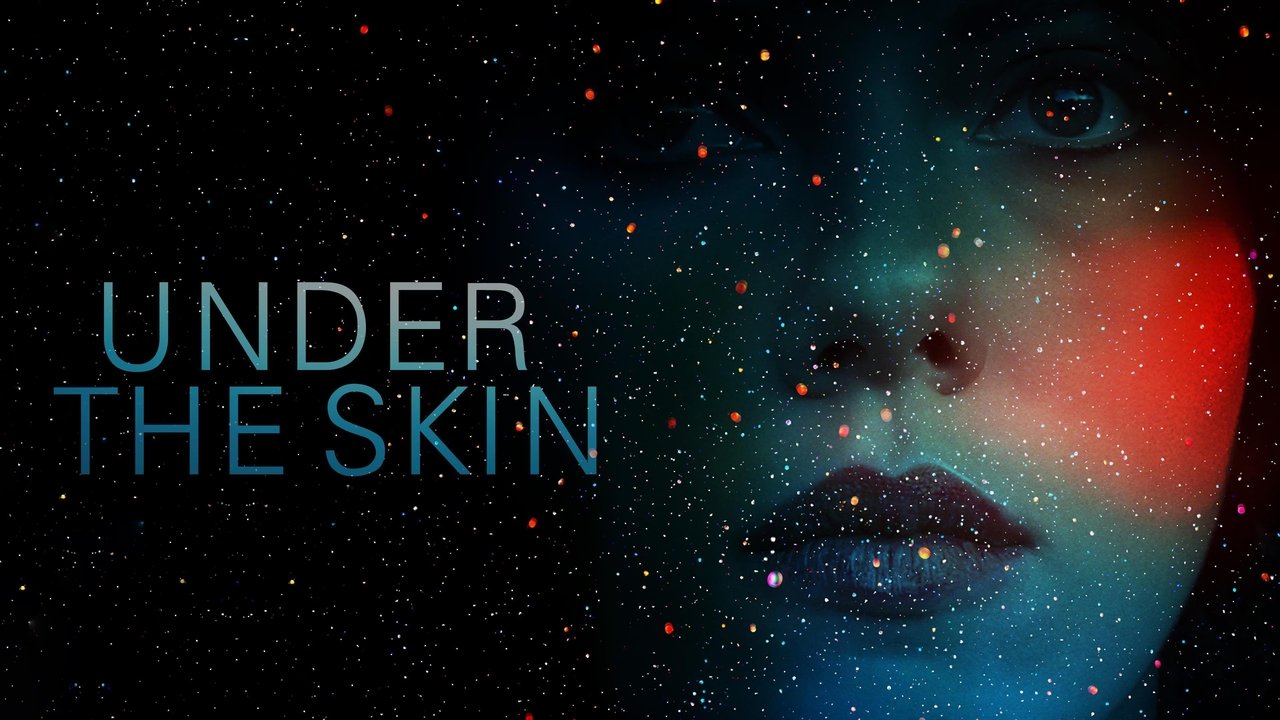
Imagine you’re walking home through the Glasgow drizzle on a Tuesday night, minding your own business, when a white transit van pulls over. The driver is a woman with messy black hair and a fur coat who looks exactly like Scarlett Johansson. She asks for directions, her voice a soft, hypnotic purr. Most of us would get in that van. I’d probably get in that van even if I knew I was headed for a liquid abyss, and that’s precisely the terrifying spell Jonathan Glazer weaves in Under the Skin.

I first watched this on a laptop in a cramped dorm room while eating a bowl of lukewarm cereal, and even on a thirteen-inch screen, the atmosphere was so thick I felt like I needed a shower afterward. It’s a film that manages to be both deeply alien and uncomfortably human, arriving right at the tail end of an era where indie cinema was beginning to use digital technology not just for convenience, but to capture a raw, hidden reality.
The Guerilla Alien Among Us
One of the most fascinating things about Under the Skin is how it was actually made. Looking back at the 2010s, we saw a lot of "found footage" gimmicks, but Jonathan Glazer and his co-writer Walter Campbell did something much ballsier. They rigged the van with hidden digital cameras and sent Scarlett Johansson—at the height of her Avengers fame—out into the real streets of Scotland to interact with actual, unsuspecting pedestrians.
Most of the men she "picks up" in the first half of the movie weren't actors. They were just guys going about their night who happened to get chatted up by a movie star. They didn't know they were in a sci-fi thriller until after the cameras stopped rolling. This gives the film a jittery, documentary-like energy that grounded the high-concept premise. It’s basically a nature documentary where the predator happens to have a Hollywood contract. This "hidden camera" approach was only possible because digital cameras had finally become small and high-quality enough to be tucked away in a dashboard without anyone noticing.
A Performance of Pure Silence
We’re used to seeing Scarlett Johansson as a quippy superhero or a romantic lead, but here she does something I find genuinely brave: she becomes a blank slate. As the unnamed alien, she has almost no dialogue. She navigates the world with a predatory curiosity, watching humans like we might watch ants in a jar.
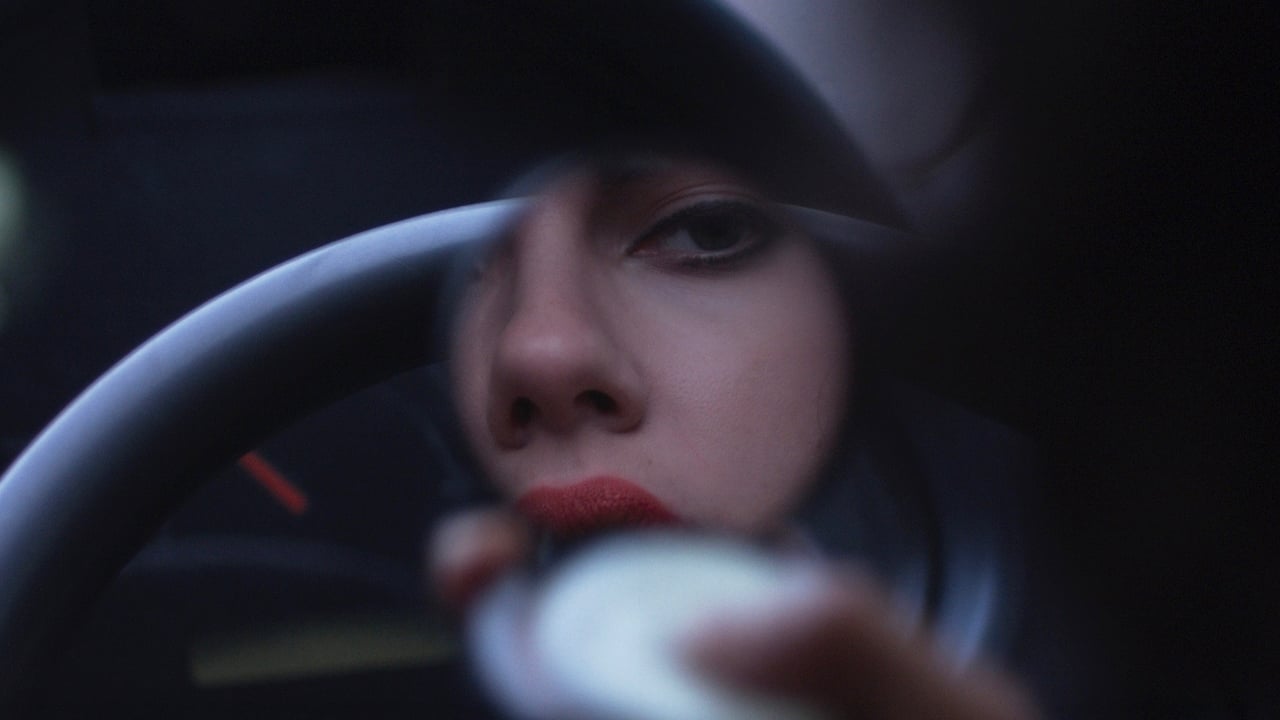
There’s a specific scene where she stands naked in front of a mirror, just examining her "costume"—the human body she’s wearing. It’s not sexualized; it’s clinical. It’s the kind of performance that relies entirely on micro-expressions and the way she holds her head. When she eventually encounters a man with neurofibromatosis (played by Adam Pearson, a real-life activist who is incredible here), the movie shifts. You can see the gears of empathy starting to grind against her alien programming. It’s a drama that earns its emotional weight by being incredibly sparse. It doesn't tell you how to feel; it just lets the rain and the silence do the work.
The Sound of the Void
I can't talk about this movie without mentioning the score by Mica Levi. If you're looking for sweeping orchestral melodies, look elsewhere. This music sounds like a hive of bees trapped in a cello. It’s screechy, repetitive, and deeply anxiety-inducing. Apparently, Glazer wanted the music to sound like the alien’s internal "life force"—something jagged and unnatural.
Then there are the "void" scenes. When the men follow her into her lair, the world dissolves into a floor of black liquid. It’s one of the few places where the film uses heavy visual effects, and even ten years later, those images haven't aged a day. They don't look like CGI; they look like a nightmare you had and forgot to tell anyone about. There's a shot of a man "deflating" under the water that still haunts my periphery every time I walk past a dark doorway.
A Cult Rebirth
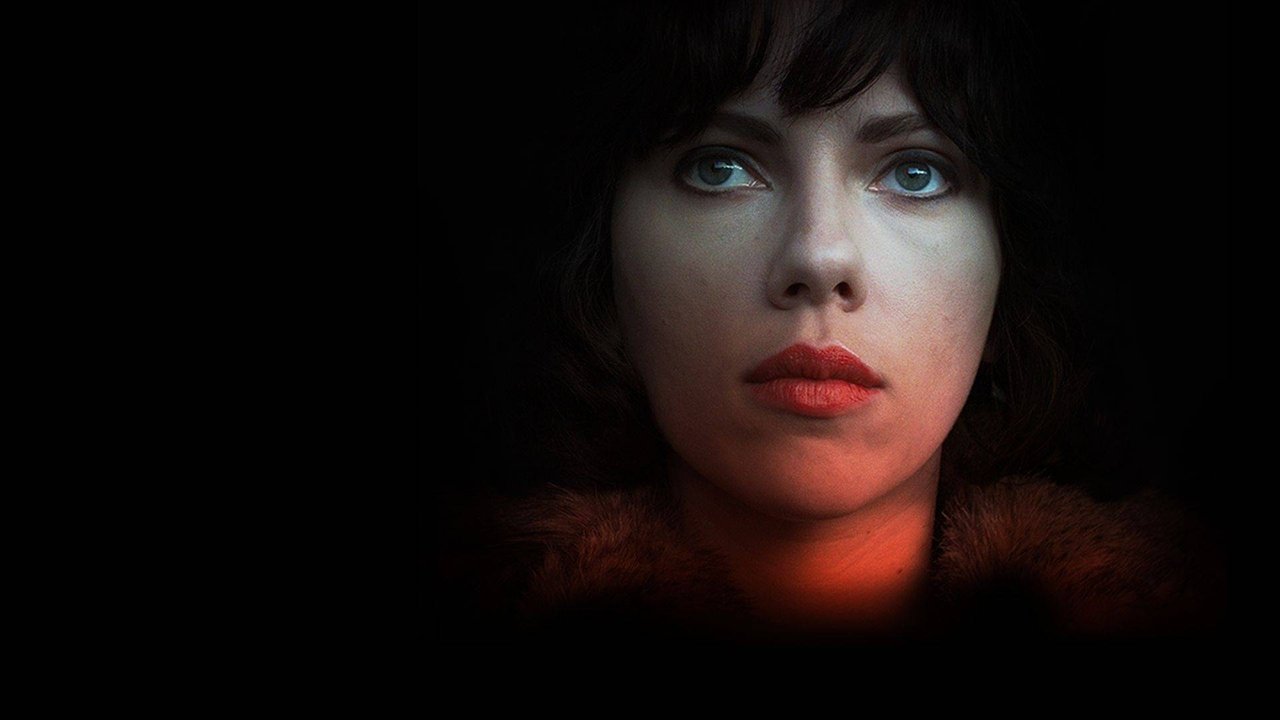
When Under the Skin hit theaters in 2014, it wasn't exactly a box office smash. In fact, it lost a fair chunk of change. It was too weird for the mainstream and too dark for the casual sci-fi fan. But like the best cult classics, it found its people through word-of-mouth and late-night digital rentals. It’s a film that gets better when you talk about it afterward, debating what the ending "means" or how that final, shocking scene in the woods reflects our own capacity for cruelty.
It took Jonathan Glazer nearly a decade to develop this project, and you can feel that obsessive attention to detail in every frame. It’s a reminder of a time when "big" actors were still willing to disappear into small, strange, experimental projects that didn't have a franchise logo attached to them.
Under the Skin is a masterpiece of "show, don't tell." It treats the audience like adults, assuming we don't need a voiceover to explain the alien's motivations or a map to navigate its geography. It’s cold, it’s beautiful, and it’s deeply empathetic in the most unexpected ways. If you can handle a slow burn and a score that might give you a mild headache, it’s one of the most rewarding cinematic experiences of the 21st century. Just maybe don't watch it right before you have to walk home alone in the rain.
Keep Exploring...
-

Sexy Beast
2001
-
Contagion
2011
-
Elysium
2013
-
Chronicle
2012
-
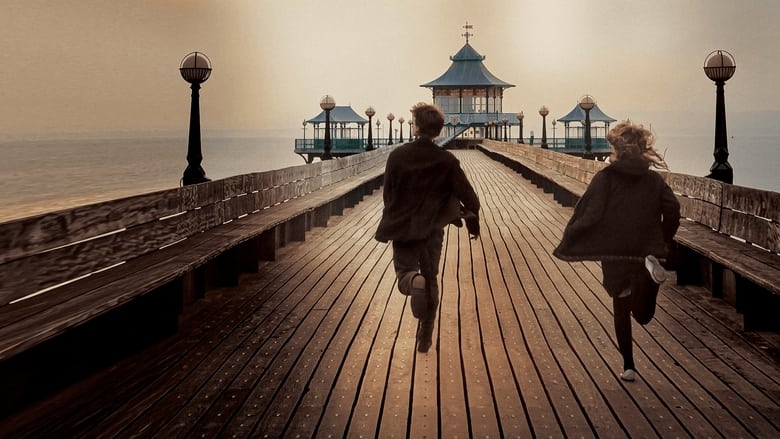
Never Let Me Go
2010
-
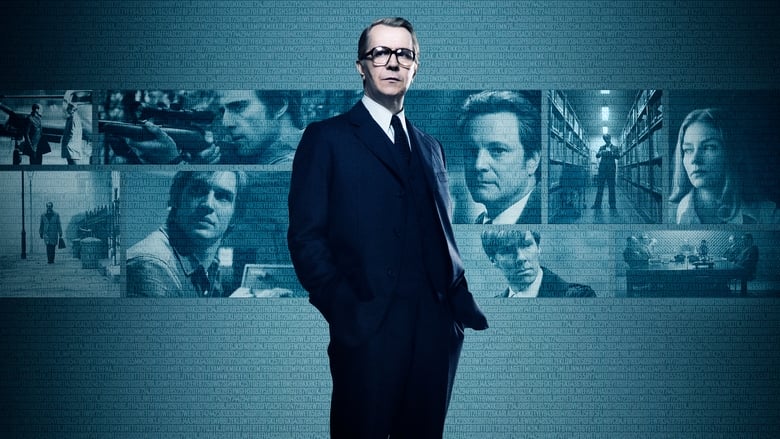
Tinker Tailor Soldier Spy
2011
-

Trance
2013
-
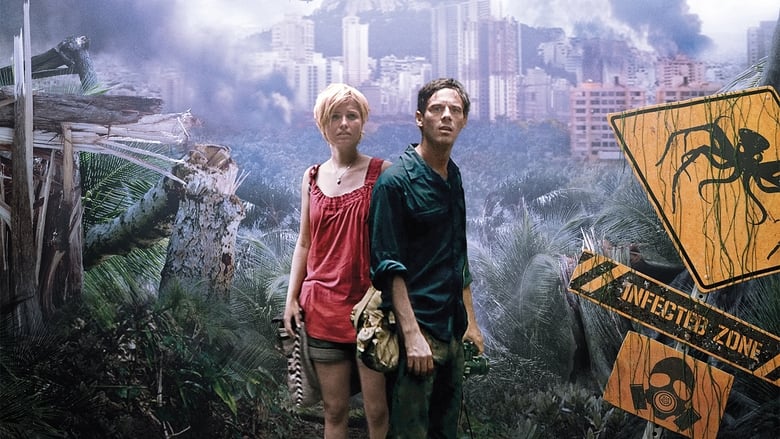
Monsters
2010
-

Transcendence
2014
-
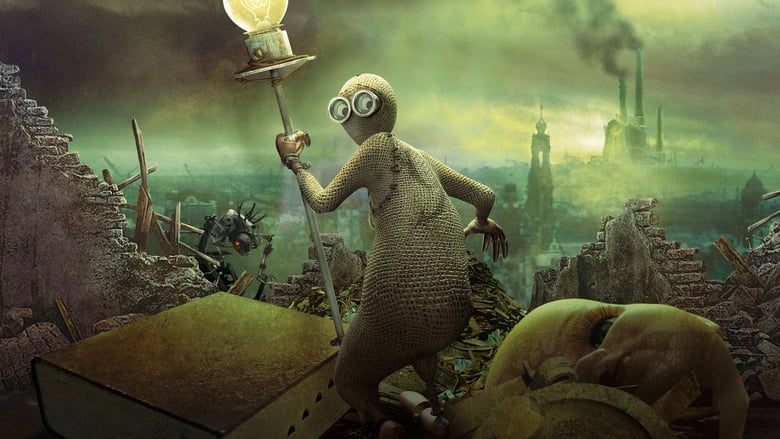
9
2009
-
Antichrist
2009
-
Pandorum
2009
-
Push
2009
-
127 Hours
2010
-
Faster
2010
-
The Next Three Days
2010
-
Contraband
2012
-
Looper
2012
-
The Grey
2012
-
Out of the Furnace
2013