Unfriended
"The internet never forgets. Or forgives."
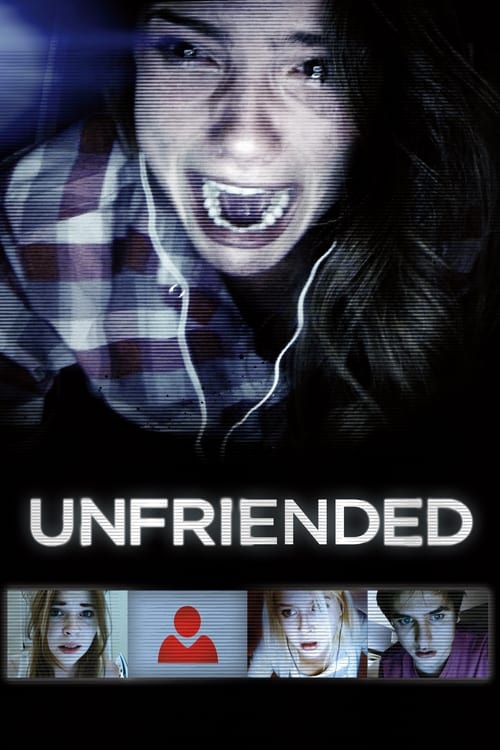
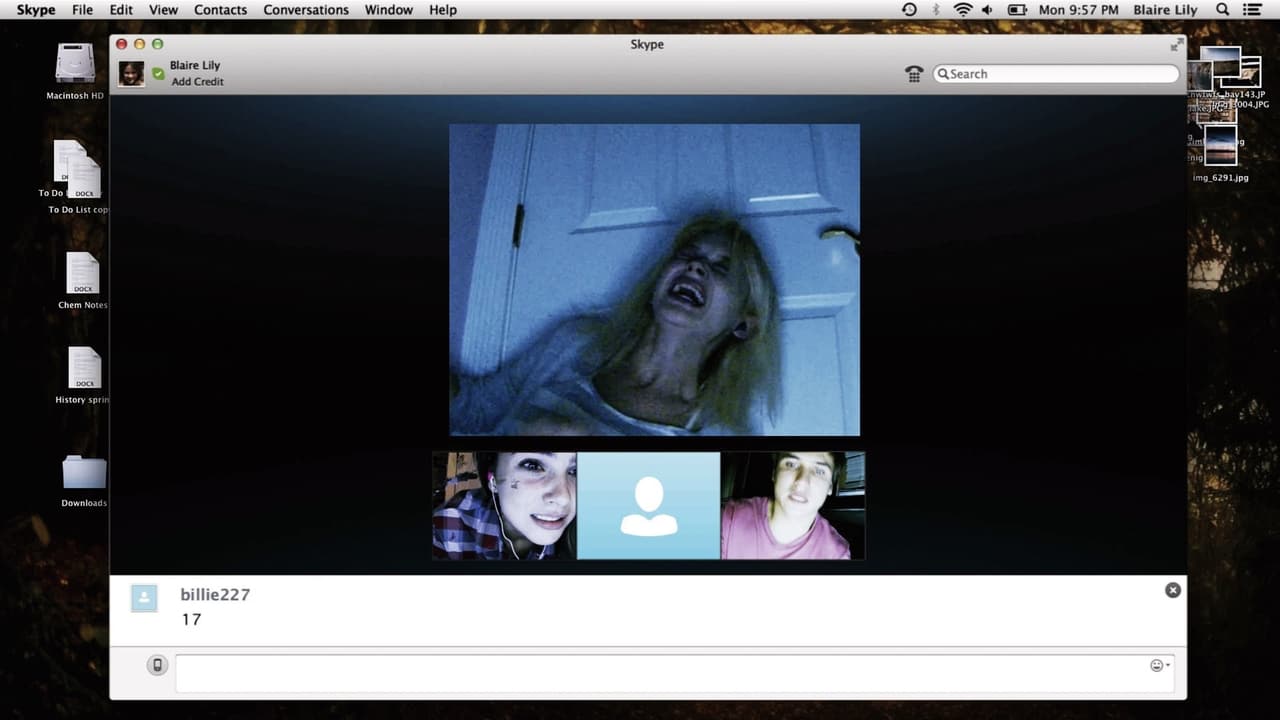
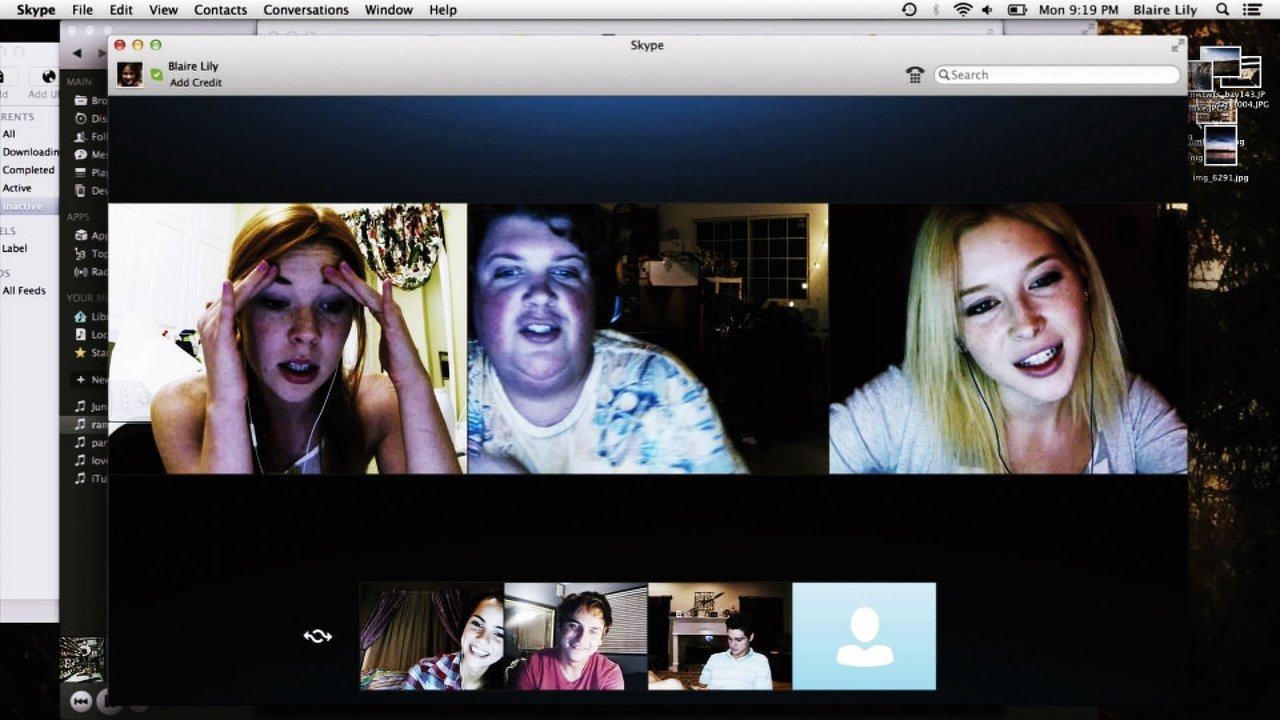
There is no sound more deceptively cheerful yet fundamentally haunting than the classic Skype ringtone. That bubbly, ascending chime used to signal a friendly chat with a grandma or a long-distance friend, but after watching Unfriended, I find my heart rate spikes whenever I hear it. It’s a Pavlovian response to a film that understood, perhaps better than any of its contemporaries, exactly how much of our souls we had already surrendered to our glowing rectangular screens by 2014.
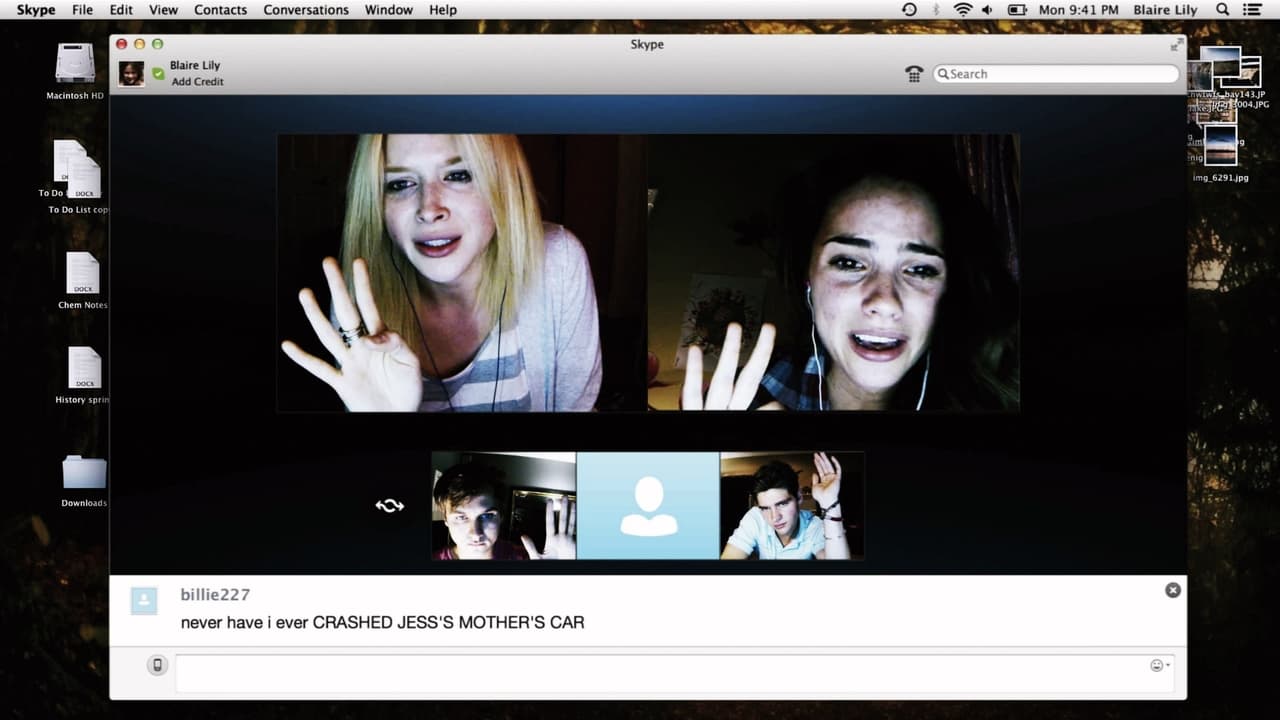
I watched this for the first time on a laptop with a small crack in the bottom left corner of the screen, and for the first fifteen minutes, I genuinely couldn't tell if the crack was a production choice or my own hardware failure. That is the magic trick of the "Screenlife" genre: it turns your own viewing device into a haunted house.
The Horror of the Loading Bar
Unfriended didn’t invent the desktop horror movie, but it was the first to realize that the scariest thing about the internet isn't a ghost in the machine—it’s the machine itself. Director Levan Gabriadze and producer Timur Bekmambetov took a micro-budget of just $1 million and turned a single computer desktop into a claustrophobic battlefield.
The premise is deceptively simple: six high school friends are hanging out on a group call on the anniversary of a classmate’s suicide. A mysterious user named "billie227" joins the call, and what starts as a suspected glitch or a tasteless prank quickly descends into a digital slasher flick. What makes this work isn't just the supernatural threat of the deceased Laura Barns (Heather Sossaman); it’s the relatable, agonizing tension of the user interface. We watch as Shelley Hennig’s character, Blaire, hesitates to click "send," hovers her mouse over a block button, or frantically refreshes a page that won’t load. It’s the first movie to make a buffering icon feel like a serrated knife to the throat.
A Slasher for the Fiber-Optic Age
The cast, including Renee Olstead, Matthew Bohrer, Moses Storm, and Will Peltz, deserves a massive amount of credit for pulling off what was essentially an experimental theater piece. To capture the authentic feel of a lagging video call, the actors were placed in different rooms of the same house, each on a real computer with a working camera. They would run through the script in long, grueling takes—sometimes up to 80 minutes at a time—allowing for genuine fatigue and frantic energy to bleed into their performances.
Because they were actually interacting through the software, the timing feels remarkably human. We’ve all been in those calls where everyone talks over each other, or someone’s audio drops out at the worst moment. By leaning into these technical frustrations, the film bypasses the usual "why don’t they just leave?" logic of horror movies. In Unfriended, the characters can’t leave because their digital lives are their only lives. The social cost of hanging up is portrayed as being as terrifying as the physical threat.
If you didn’t want to be haunted by a digital poltergeist, maybe don't be a terrible person on the internet. That’s the underlying moral of this 21st-century campfire story. The "Never Have I Ever" sequence is a masterclass in escalating dread, forcing the characters to choose between their physical safety and their social reputations. It exposes the "mean girl" tropes and toxic friendships of the mid-2010s with a sharp, cynical edge.
The Indie Hustle of the Desktop
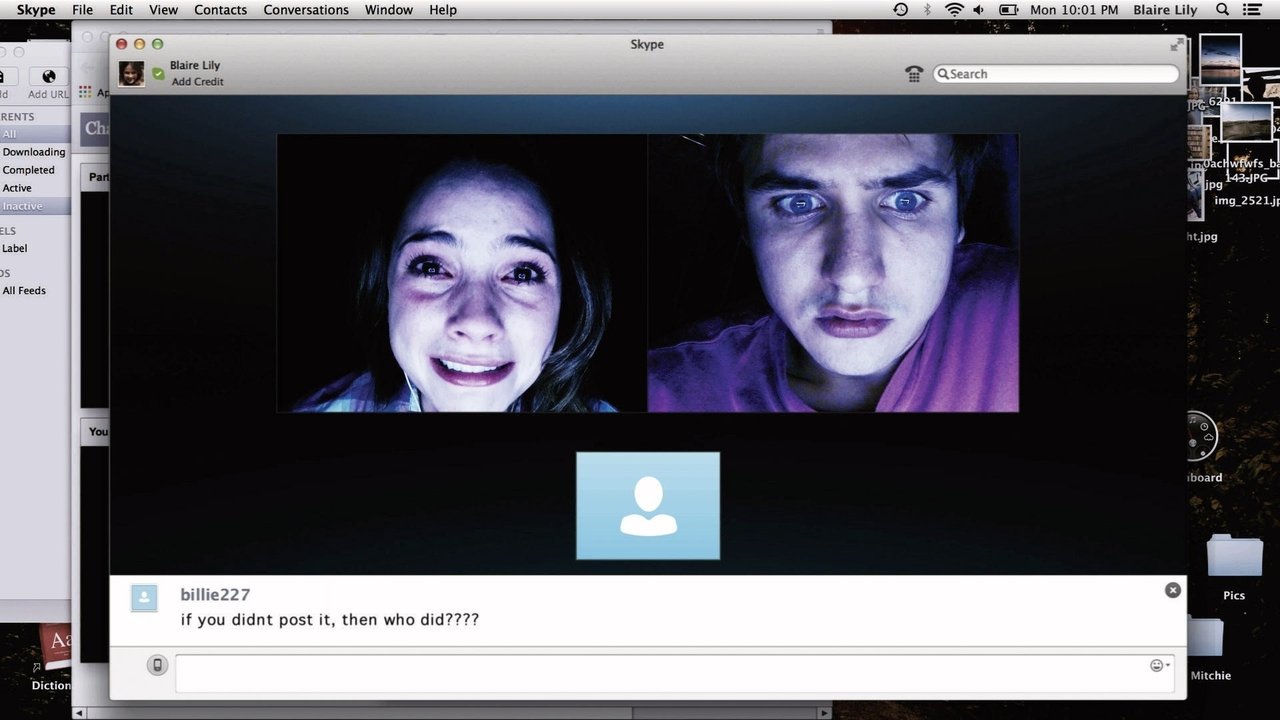
Looking back, Unfriended is a fascinating relic of the transition from the "found footage" craze of the 2000s to the more polished, tech-integrated thrillers of today. It was a massive financial success, raking in over $64 million, proving that you don't need expensive CGI or elaborate sets if you have a high-concept hook that resonates with how people actually live.
While the "desktop" format has since been perfected by films like Searching (2018), there’s a raw, experimental grit here that I still find effective. The creative team had to invent ways to show the ghost's influence without ever breaking the "one screen" rule. The sound design is particularly clever, using familiar notification pings and the hum of a cooling fan to create an ambient layer of anxiety. It’s a testament to indie resourcefulness; when you can’t afford a massive practical monster, you make the Spotify playlist go haywire instead.
The film serves as a time capsule for a specific era of social media—when Facebook was the primary battleground for high school drama and Skype was the undisputed king of video calls. It captures the specific, localized paranoia of the early 2010s, where we were just starting to realize that our digital footprints are permanent.
Unfriended is far more than a gimmick. While it occasionally leans on some loud jump scares that feel a bit cheap, the psychological weight of the "Screenlife" format keeps it grounded in a very modern kind of terror. It’s a lean, mean 83-minute exercise in tension that manages to make a spinning beach ball of death feel like a genuine omen of doom. If you're watching it on a laptop, just make sure your webcam is covered—you never know who might be lurking in the background of the call.
Keep Exploring...
-
Unfriended: Dark Web
2018
-
After.Life
2009
-
The Last Exorcism
2010
-
Rubber
2010
-
The Awakening
2011
-
Session 9
2001
-
Paranormal Activity 2
2010
-

Sinister
2012
-
You're Next
2013
-
The Final Destination
2009
-
Devil
2010
-
The Crazies
2010
-
The Ward
2010
-
Final Destination 5
2011
-
Paranormal Activity 3
2011
-
Scream 4
2011
-
The Thing
2011
-

Red State
2011
-
V/H/S
2012
-
A Haunted House
2013