What We Do in the Shadows
"Unlife is a lot messier than the movies."
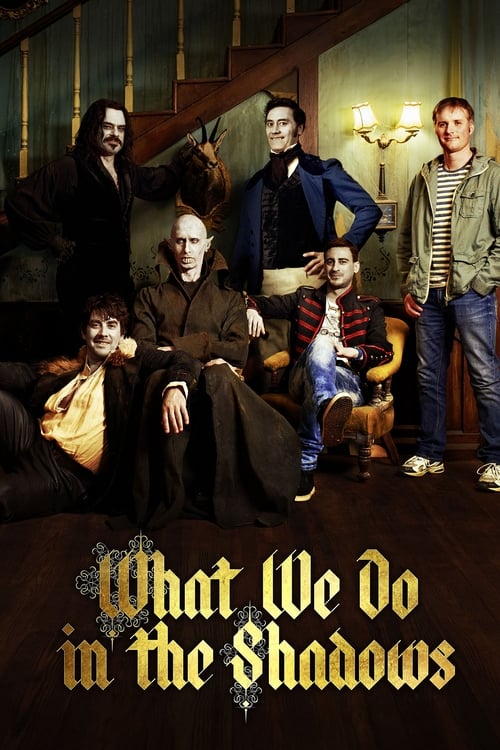
Imagine being 8,000 years old and still having to argue about who didn't put a towel down before eating a victim on the good sofa. Most vampire cinema spends its time obsessed with the leather-clad allure of the predator or the sparkling romance of eternal youth, but Taika Waititi and Jemaine Clement decided to look at the mounting pile of unwashed dishes instead.
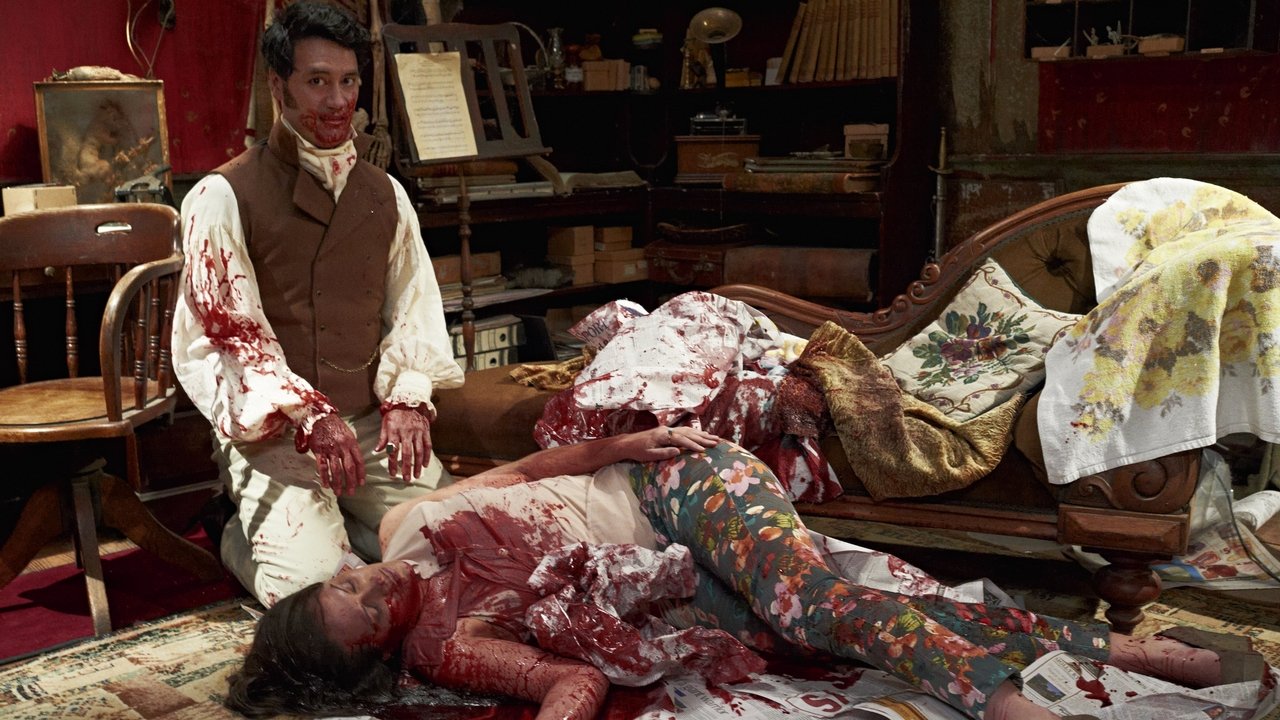
I first caught What We Do in the Shadows on a flight to Sydney while balancing a tiny plastic cup of tomato juice on my knee, and seeing the red liquid splash against the screen during the film's messiest scene made me feel like I was experiencing a 4D screening I didn't ask for. It’s a film that thrives on that specific kind of discomfort—the intersection of ancient, gothic horror and the crushing banality of living with three other guys in a flat in Wellington, New Zealand.
Blood on the Chore Wheel
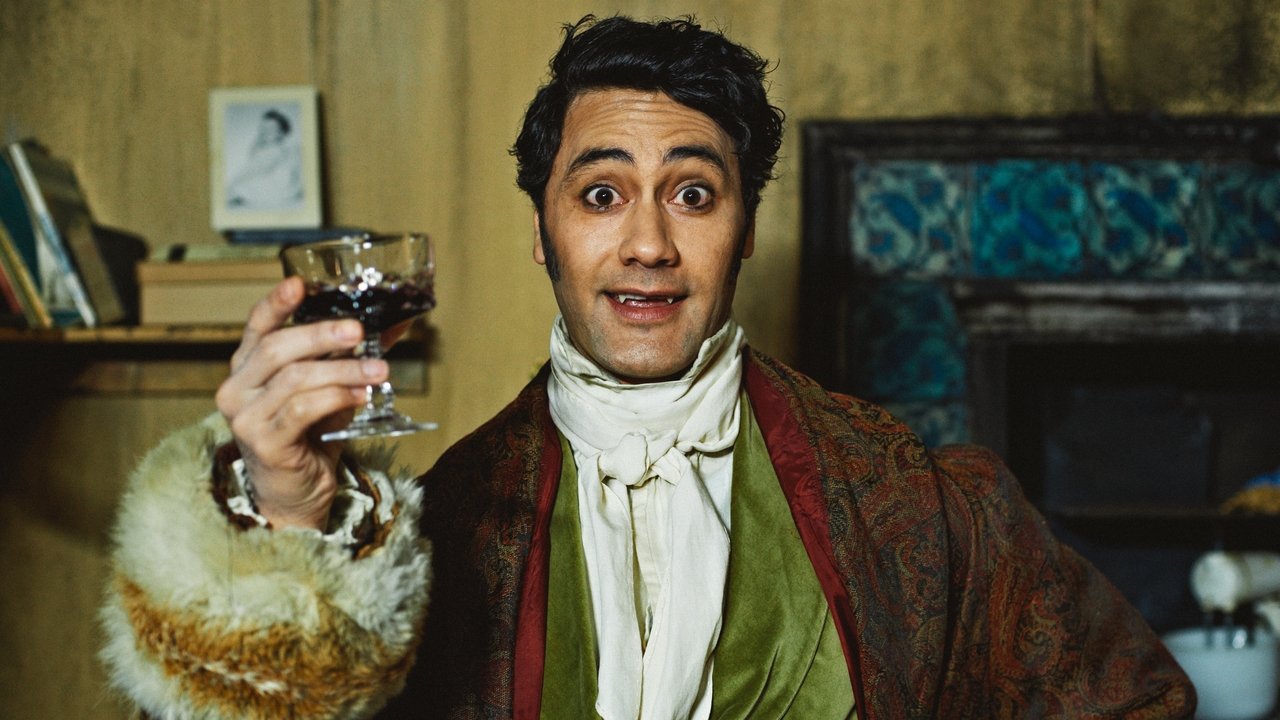
The film operates as a mockumentary, a format that by 2014 was beginning to feel a bit wheezy thanks to a decade of television overexposure. Yet, by applying the "shaky-cam" intimacy of The Office to the lives of the undead, the directors unearthed something genuinely unsettling and hilarious. We follow Viago (Taika Waititi), a 379-year-old dandy who acts as the house’s fussy mother hen; Vladislav (Jemaine Clement), a former tyrant who has lost his "poker" (it's a torture device, naturally); and Deacon (Jonny Brugh), the "young" rebel of the group at a mere 183.
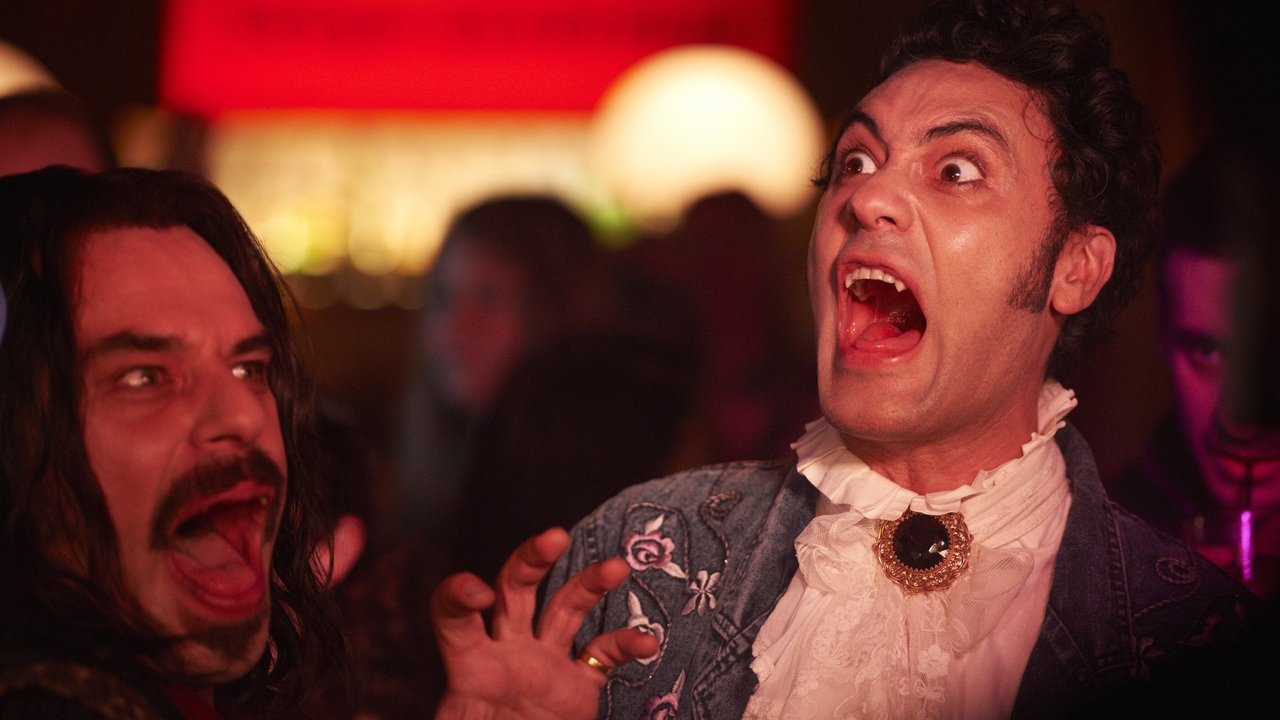
The horror here isn't just a punchline; it’s an atmospheric weight. There is a relentless, heavy gloom to the house that feels pulled straight from a 19th-century cellar. When the film leans into its horror mechanics, it doesn't pull punches. The scene where a dinner guest is chased through the house is filmed with a frantic, claustrophobic intensity that reminds you these characters aren't just quirky roommates—they are apex predators. The gore is surprisingly wet and unapologetic, serving as a constant reminder that for all their bickering about the housework, they are still monsters who leave a trail of corpses in their wake.
The Loneliness of the Long-Distance Predator
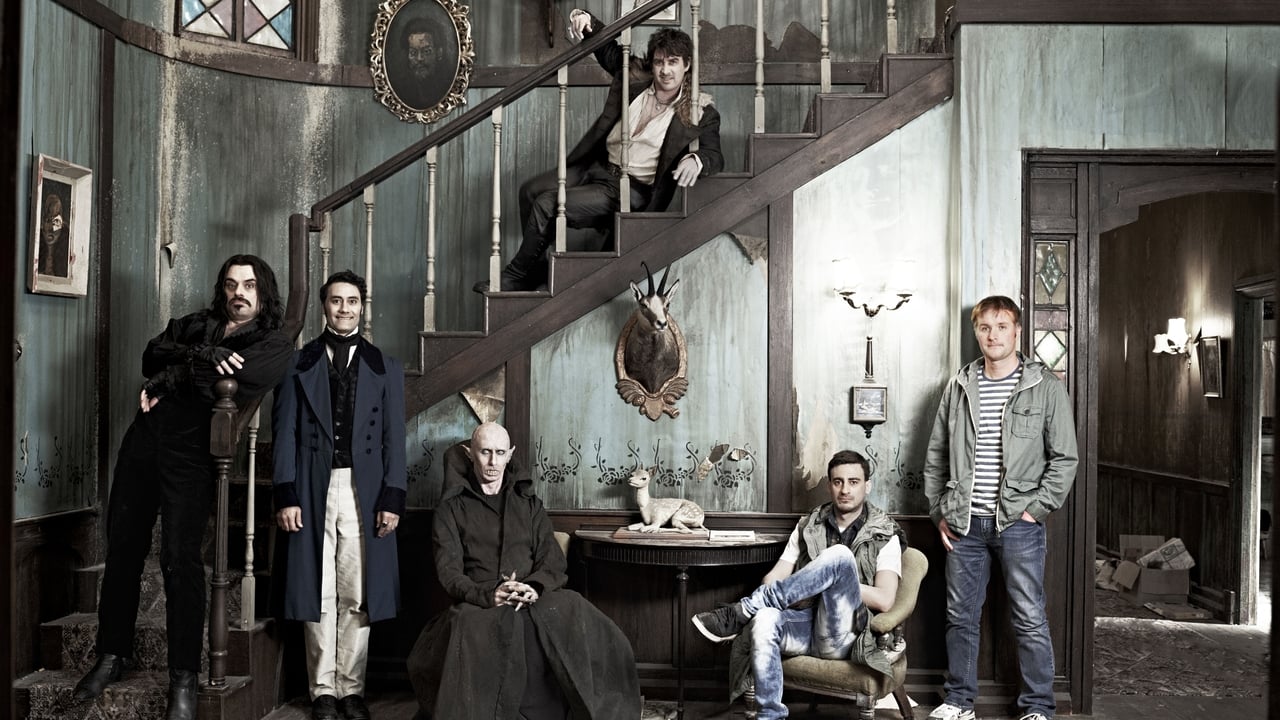
Beneath the gallows humor lies a surprisingly grim look at the isolation of immortality. This is where the film’s "dark" heart really beats. We see this most clearly in Petyr (Ben Fransham), the 8,000-year-old vampire in the basement who looks exactly like Max Schreck in Nosferatu (1922). Petyr doesn't speak; he just lurks in a stone coffin, a silent testament to what happens when you live long enough to lose your humanity entirely. He is basically a sentient piece of rot that occasionally eats people, and the film treats his presence with a mix of reverence and genuine dread.
The introduction of Nick (Cori Gonzalez-Macuer), a newly turned vampire, highlights the tragic gap between the old world and the new. Nick is a "hipster" who can’t stop telling everyone he’s a vampire, a reckless vanity that threatens the safety of the coven. However, the true emotional anchor is Stu (Stu Rutherford), a human friend who works in IT. Stu is the bridge to the modern world, teaching the vampires about Google and cameras. The way the vampires protect Stu feels like a desperate attempt to hold onto a warmth they lost centuries ago. There’s a quiet tragedy in watching these ancient beings huddled around a glowing laptop screen, mesmerized by a YouTube video of a sunrise they can never see again without bursting into flames.
A Wellington Legend Born of Scraps
As an indie gem, the production of this film is a masterclass in making a little go a long way. With a budget of roughly $1.6 million, the team couldn't afford the CGI spectacles that were dominating the 2010s. Instead, they leaned into high-contrast cinematography by Richard Bluck and practical effects that feel tactile and dangerous. The flying fight between Vladislav and Viago in the kitchen used old-school wirework that looks slightly clunky, but that imperfection adds to the "documentary" authenticity.
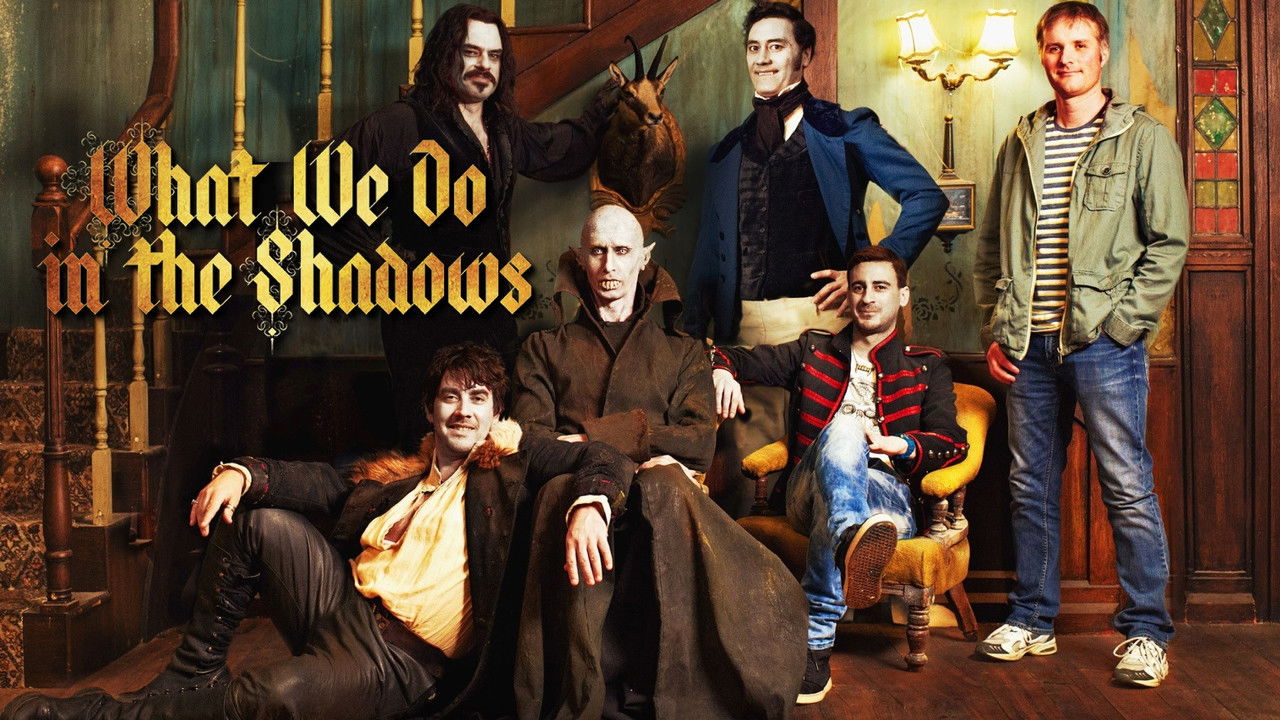
Apparently, the directors shot over 125 hours of footage, much of it improvised. They didn't show the actors a full script, instead giving them bullet points to ensure their reactions to the "scary" moments were genuine. Even more impressive is the story of Stu Rutherford, who wasn't actually an actor but a part-time crew member and friend of the directors. They told him he’d have a small part, but he ended up becoming the soul of the movie. That kind of "find it on the day" filmmaking is what gives the movie its loose, energetic friction. It was a breakout moment for Taika Waititi, proving he could balance tonal shifts that would make most directors dizzy before he eventually moved on to massive projects like Thor: Ragnarok.
What We Do in the Shadows is a rare creature: a comedy that respects its horror roots and a horror film that understands the absurdity of its own tropes. It captures that transition era of the mid-2010s where indie filmmakers were using digital cameras to reclaim genres that had grown stale under studio control. Looking back, it remains the definitive take on the "modern" vampire—not as a sparkling idol or a caped crusader, but as a guy who’s just really, really tired of his roommates' nonsense. It’s grisly, lonely, and profoundly funny.
Keep Exploring...
-
Jojo Rabbit
2019
-
Hunt for the Wilderpeople
2016
-
Zombieland
2009
-
Tucker and Dale vs. Evil
2010
-
Braindead
1992
-
One Cut of the Dead
2017
-
Man Bites Dog
1992
-
Don't Be a Menace to South Central While Drinking Your Juice in the Hood
1996
-
Lock, Stock and Two Smoking Barrels
1998
-
Ring
1998
-
Audition
2000
-

Ichi the Killer
2001
-

The Devil's Backbone
2001
-
Shutter
2004
-
![[REC] backdrop](https://image.tmdb.org/t/p/w780/xfrguTH6maYiGsC8FXiQ9N3lZXw.jpg)
[REC]
2007
-
The Orphanage
2007
-
Let the Right One In
2008
-
Dead Snow
2009
-
Rubber
2010
-
Tusk
2014