When Marnie Was There
"Some secrets are woven into our DNA."
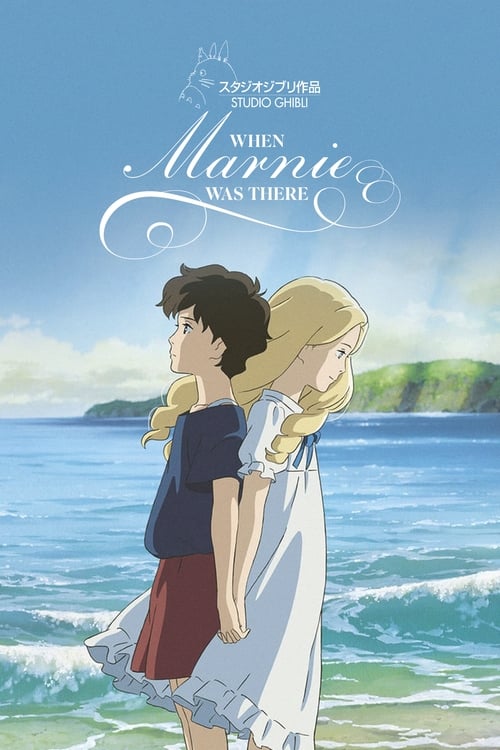
I’ve always felt that the most painful part of adolescence isn't the acne or the awkward growth spurts, but that sudden, sharp realization that you are standing on the outside of a circle everyone else seems to belong to. In Hiromasa Yonebayashi’s When Marnie Was There, our protagonist Anna Sasaki doesn't just feel like an outsider; she’s practically vibrating with a self-loathing that’s rare to see in "family" animation. I remember watching this for the first time on a Tuesday afternoon while my refrigerator hummed a low, dying B-flat in the background, and that lonely domestic silence felt like the perfect overture for a film that treats childhood depression with the gravity of a gothic thriller.
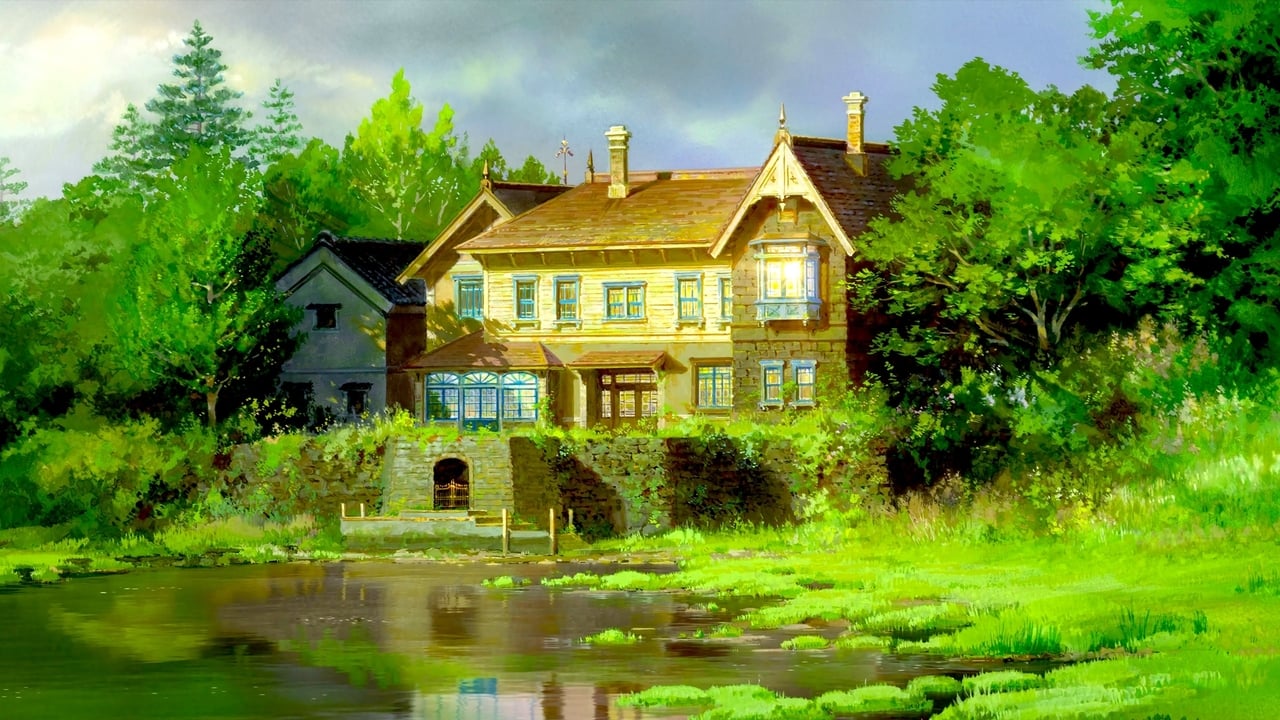
Coming out in 2014, When Marnie Was There arrived at a strange crossroads for Studio Ghibli. Hayao Miyazaki had "retired" (again), and the studio was facing a terrifyingly uncertain future. While the rest of the world was sprinting toward the hyper-saturated, plastic perfection of 3D renders, Ghibli doubled down on the tactile. There is a "wetness" to this film—the dampness of the Hokkaido marshlands, the mist clinging to the reeds, the watercolor bleeds of the evening sky—that feels like a defiant, hand-drawn sigh.
The Edge of the Circle
The story follows Anna (Sara Takatsuki), a twelve-year-old artist with "ordinary" features and a heart like a locked cellar door. Because of her chronic asthma and even more chronic social anxiety, her foster mother (Nanako Matsushima) sends her to the countryside to stay with the boisterous, easy-going Oiwa family. It’s here that Anna becomes obsessed with a decaying, European-style mansion that sits across a salt marsh—a house that seems to exist in a different time zone.
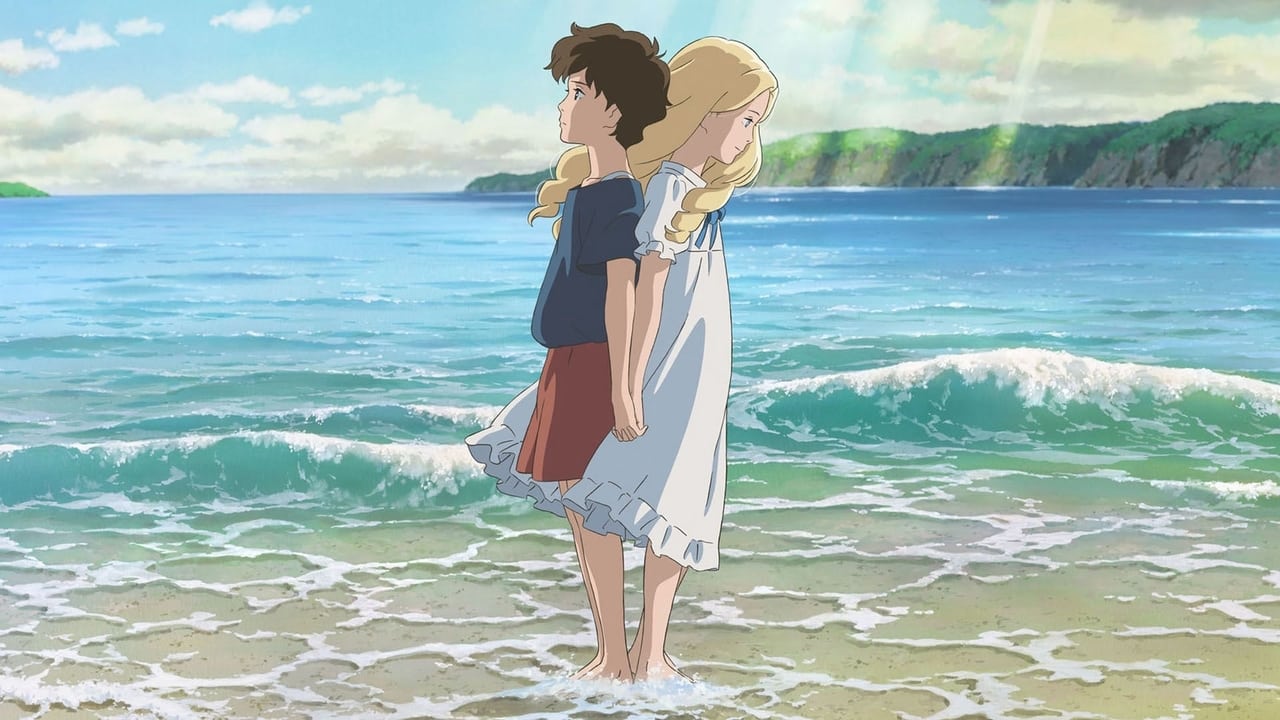
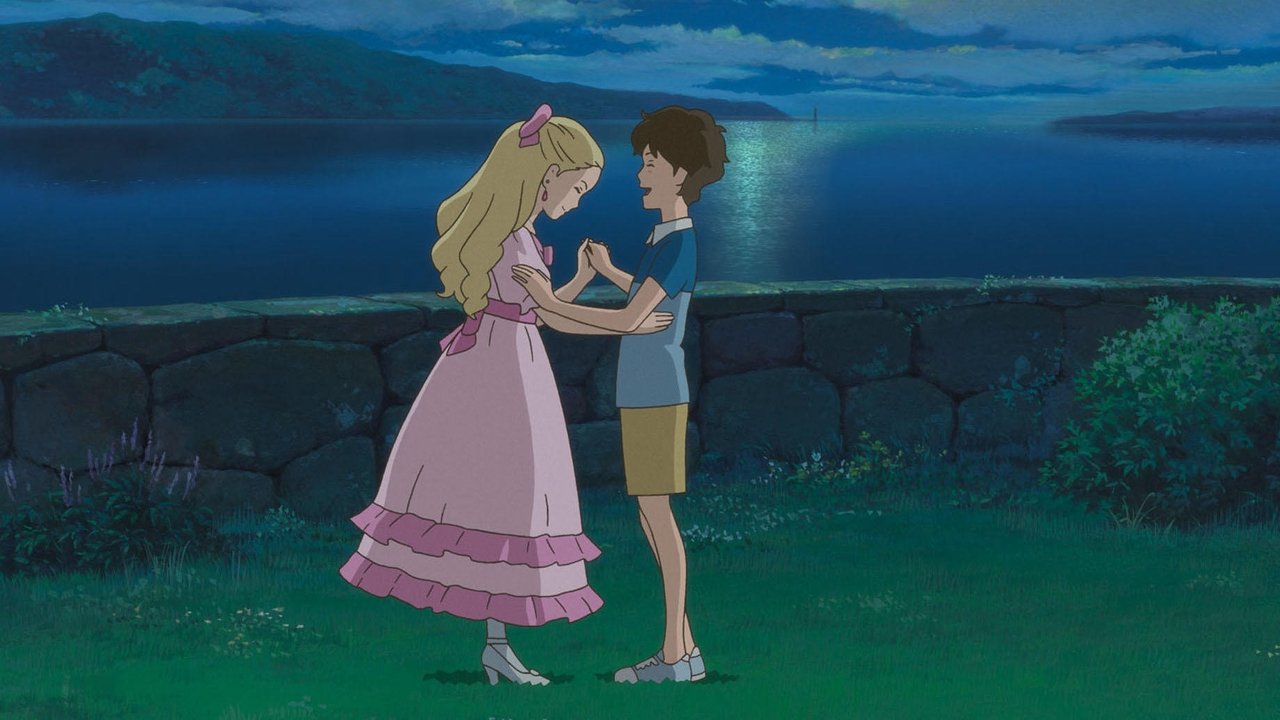
Then there’s Marnie (Kasumi Arimura). She’s the girl in the window, blonde and ethereal, looking like she stepped off the cover of a Victorian novel. Their friendship develops with a desperate, feverish intensity. They share secrets, they dance in the moonlight, and they promise to keep each other a secret forever. But the film keeps pulling the rug out. One moment the mansion is a glowing gala of high-society parties; the next, it’s a hollowed-out ruin dripping with seagull droppings.
Ghibli is actually at its most potent when there aren’t any literal dragons or cat-buses in the way. By stripping away the high-fantasy stakes of a Howl’s Moving Castle, Yonebayashi (who also gave us the lovely The Secret World of Arrietty) forces us to sit with Anna’s internal weather. It’s a mystery, sure, but the "whodunnit" is really a "who am I?"
Ghosts of the Marshland
What makes Marnie so intellectually sticky is its handling of memory. It flirts with the idea of "cellular memory"—the notion that we carry the traumas and joys of our ancestors in our blood like a quiet radio frequency. It’s a deeply philosophical approach to a ghost story. Is Marnie a spirit? Is she a hallucination born of Anna’s loneliness? Or is she a bridge between generations?
The film rewards a second viewing once you know the "twist," but even on a first pass, the atmosphere is intoxicating. The score by Takatsugu Muramatsu is heavy on the piano, echoing the loneliness of a house that hasn't seen a guest in decades. I’ve often thought that this movie handles the "unreliable narrator" trope better than most live-action psychological dramas. We see the world through Anna’s skewed, hurting perspective, and when the truth finally washes up with the tide, it doesn’t feel like a cheap gimmick. It feels like a long-overdue hug.
The Last Hand-Drawn Sigh
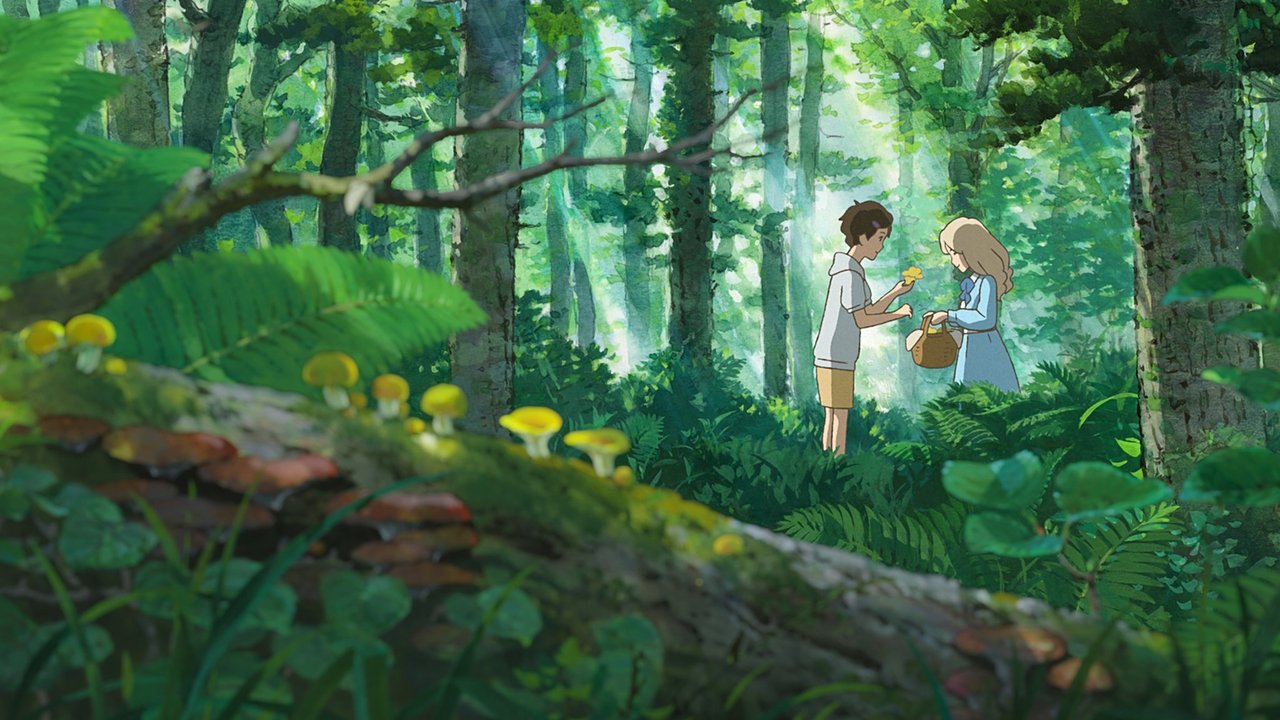
Looking back from a decade later, Marnie feels even more precious. It was one of the last major 2D films of its scale before the industry almost entirely surrendered to the digital gods. There’s a scene where Anna is drawing by the water, and you can practically feel the tooth of the paper and the smudge of the pencil. It captures a specific Y2K-era transition where we were mourning the analog world even as we were being sucked into the screen.
Apparently, when Hiromasa Yonebayashi first pitched the adaptation of Joan G. Robinson’s novel, Miyazaki told him it was "unfilmable" because the book’s internal monologue was too dense. Yonebayashi proved him wrong by letting the environment do the talking. The way the light changes from a golden-hour glow to a cold, blue evening tells us more about Anna’s mental state than a thousand lines of dialogue ever could.
The film didn't set the box office on fire, and it often gets overshadowed in "Best of Ghibli" lists by the heavy hitters. But for those of us who grew up feeling a bit "outside the circle," this is the one that lingers. It’s a film about forgiving your parents, forgiving yourself, and realizing that even if you feel alone, you’re standing on the shoulders of everyone who came before you.
It’s rare to find a film that treats a child’s sadness with this much respect. When Marnie Was There is a gorgeous, haunting puzzle box that reminds us that the past isn't really behind us—it’s just waiting for the tide to go out so we can walk across and visit it. If you missed this one because you were waiting for a Totoro to show up, do yourself a favor and catch the next boat to the marsh house. Just bring some tissues; the ending hits like a freight train of catharsis.

Keep Exploring...
-
The Secret World of Arrietty
2010
-
From Up on Poppy Hill
2011
-
Wolf Children
2012
-
Mary and The Witch's Flower
2017
-
Evangelion: 2.0 You Can (Not) Advance
2009
-
The Tale of The Princess Kaguya
2013
-
Whisper of the Heart
1995
-
Batman: Under the Red Hood
2010
-
Batman: The Dark Knight Returns, Part 1
2012
-

Batman: The Dark Knight Returns, Part 2
2013
-
Feast
2014
-
Paperman
2012
-
Song of the Sea
2014
-
The Boy and the Beast
2015
-
The Iron Giant
1999
-
Spirit: Stallion of the Cimarron
2002
-
Neon Genesis Evangelion: The End of Evangelion
1997
-
Millennium Actress
2002
-

Evangelion: 1.0 You Are (Not) Alone
2007
-
Batman: Mask of the Phantasm
1993