Whiplash
"Practice until your hands bleed or your soul breaks."
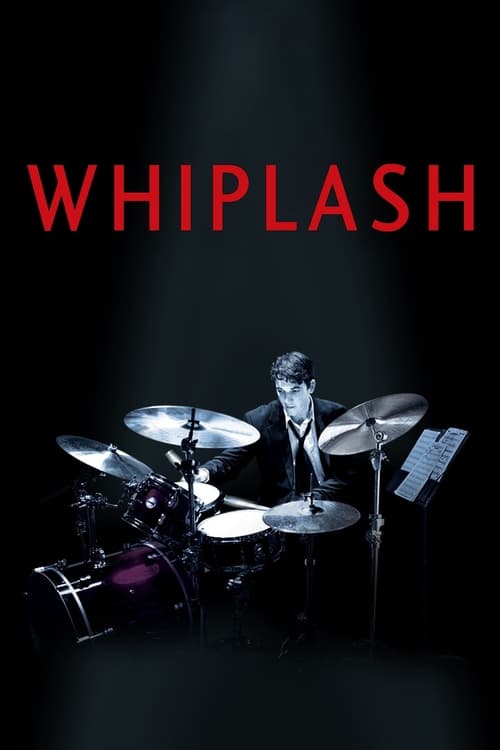
The first thing I noticed wasn't the music; it was the sweat. Not the cinematic, misted-on-an-actor’s-brow kind of sweat, but the desperate, grimy, "I haven’t slept in three days" variety. Whiplash arrived in 2014 like a brick through a window, shattering the polite, reverent tropes of the "inspiring teacher" subgenre and replacing them with a psychological thriller that just happened to have a jazz soundtrack.
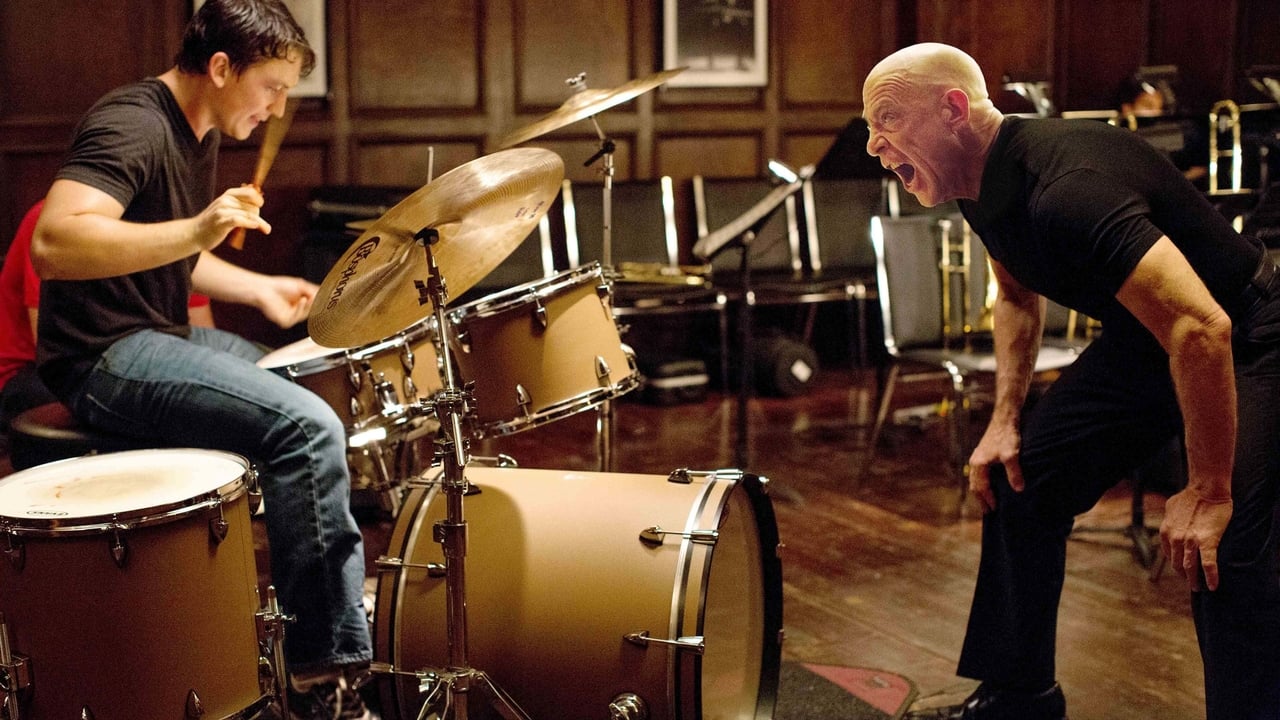
I watched this film for the first time while wearing a pair of noise-canceling headphones that were slightly too tight, and by the final frame, my ears were throbbing in sync with the bass drum. It was an accidental 4D experience that perfectly mirrored the claustrophobia of Shaffer Conservatory.
The Anatomy of a Musical Slasher
Director Damien Chazelle (who later gave us the much dreamier La La Land) didn't set out to make a movie about the joy of music. He made a movie about the terror of it. Looking back at the indie landscape of the early 2010s, Whiplash feels like the ultimate "proof of concept" success story. Chazelle couldn't get the funding for a full feature, so he made a short film of the "double-time swing" scene, took it to Sundance, and effectively bullied the industry into letting him finish the job.
The result is a film that moves with the jagged, high-speed precision of a drum fill. The editing by Tom Cross (who rightfully bagged an Oscar for this) is the real heartbeat here. It doesn’t just show you the music; it mimics the rhythm of a panic attack. Every cut is a rimshot. Every close-up of a bleeding knuckle or a splashing cymbal feels like a jump scare. It’s a film that demands your attention with the same intensity that Fletcher demands a perfect B-flat.
The Physics of the Performance
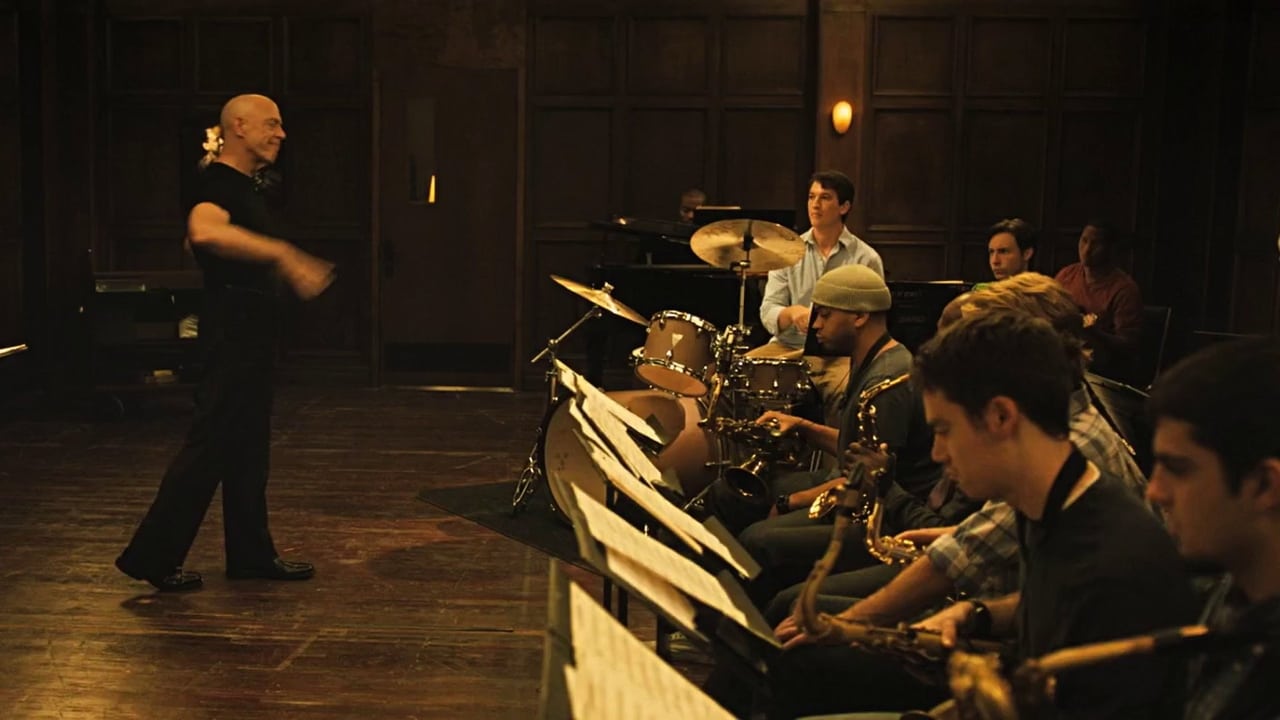
We have to talk about J.K. Simmons. Before this, I mostly knew him as the guy from the insurance commercials or the grumpy editor in Spider-Man. Here, as Terence Fletcher, he is a force of pure, concentrated malice. Fletcher is basically a Sith Lord who traded a lightsaber for a baton and a very tight black T-shirt. He doesn’t walk; he looms. He uses psychological warfare to find the next Charlie Parker, and if he has to destroy a dozen talented kids to find one genius, he considers that a bargain.
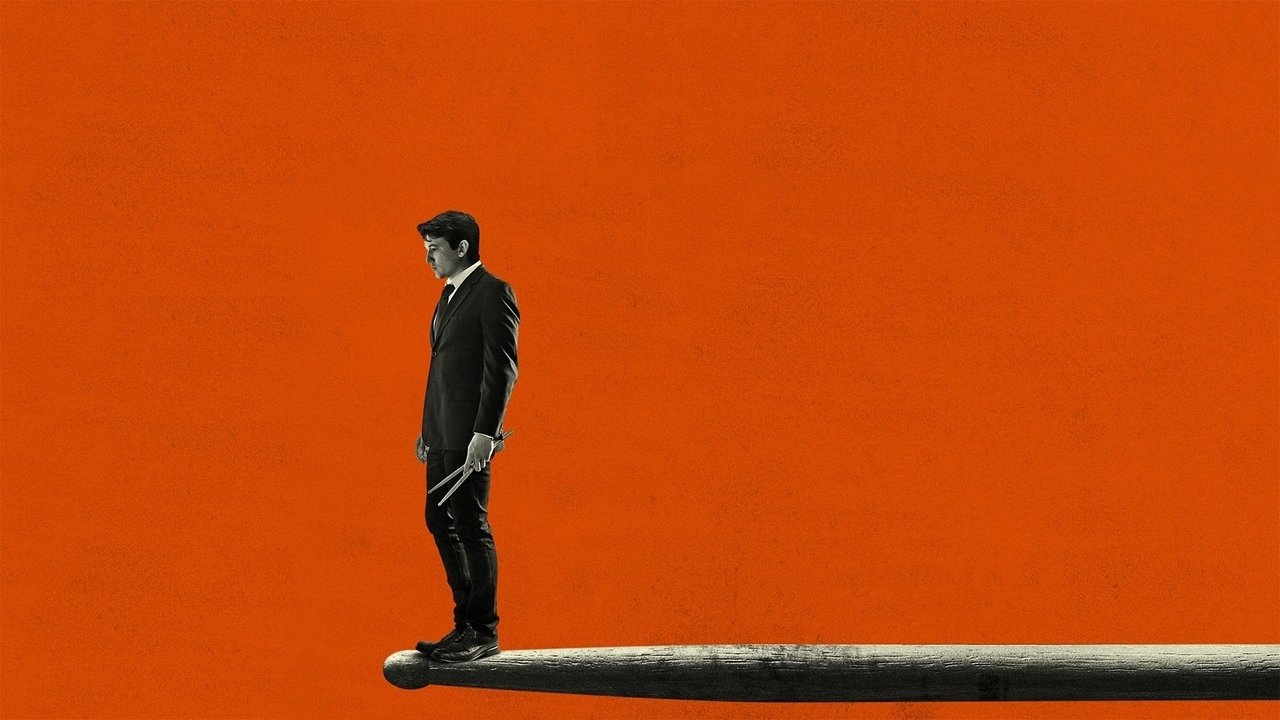
Simmons won the Academy Award for Best Supporting Actor for this, and frankly, I’m surprised he didn’t just take the trophy by force. But the film wouldn't work if he didn't have a worthy punching bag. Miles Teller, as Andrew Neiman, puts in the most physical performance of his career. Knowing that Teller is a real-life drummer adds a layer of authenticity that CGI simply couldn't replicate in 2014. When you see the sweat flying off him during "Caravan," that’s not a special effect—that’s a man actually red-lining his heart rate.
The chemistry between them is toxic and electric. It’s less a teacher-student relationship and more a collision of two egos that are willing to sacrifice everything—relationships, sanity, and literal pints of blood—for a moment of perfection. I’ve always found the dinner table scene with Paul Reiser (playing Andrew's dad, Jim) to be the secret MVP of the script. It highlights the tragic gap between "normal" success and the sociopathic drive for greatness. Andrew’s dismissal of his family's achievements is cold, arrogant, and perfectly illustrates his descent.
A Legacy Written in Blood and Sweat
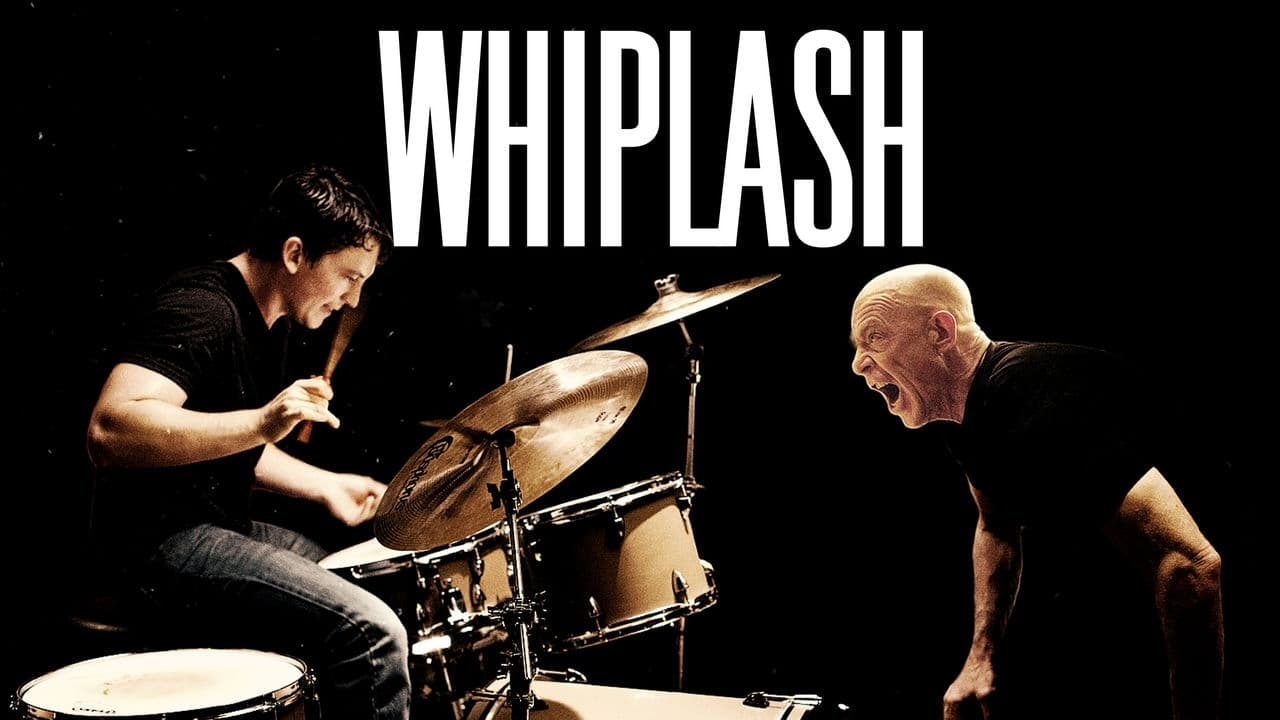
Produced on a shoestring budget of $3.3 million by Jason Blum’s Blumhouse (proving they could do more than just haunted house jump-scares), Whiplash grossed over $50 million and cemented itself as a modern classic. It’s one of those rare films that hasn’t aged a day. In the decade since its release, the debate over its ending has only grown louder. Is the finale a triumph or a tragedy? Does Andrew win, or has he finally been consumed?
I once dropped a drumstick during a middle school talent show and felt like the world was ending for a week, so watching Andrew crawl through a literal car wreck to get to a gig felt like a personal attack on my own cowardice. The film asks a terrifying question: Is "good job" the two most harmful words in the English language? I don’t know if I agree with Fletcher’s philosophy, but I know I can't look away when he's on screen.
The technical craft is flawless. Justin Hurwitz’s score isn’t just background noise; it’s a character that evolves from a chaotic mess into a crystalline, terrifyingly sharp weapon. For a film shot in just 19 days, the level of polish is staggering. It serves as a reminder that in the transition from the big-budget spectacles of the early 2000s to the more streamlined digital era, a great script and two powerhouse performances are still the most effective tools in cinema.
Whiplash is a high-octane nightmare dressed in a tuxedo. It’s a movie that makes you want to practice your craft until you’re the best in the world, while simultaneously warning you that the cost of doing so might be your humanity. If you haven't seen it, turn the volume up until it hurts. If you have, it’s probably time to see if you can still handle the tempo. It’s a blistering, uncompromising piece of filmmaking that remains Chazelle’s best work.
Keep Exploring...
-
La La Land
2016
-
Lemonade Mouth
2011
-
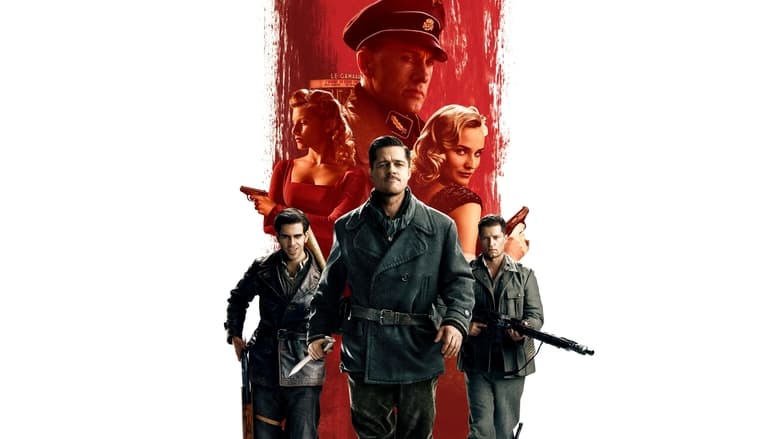
Inglourious Basterds
2009
-

Flipped
2010
-
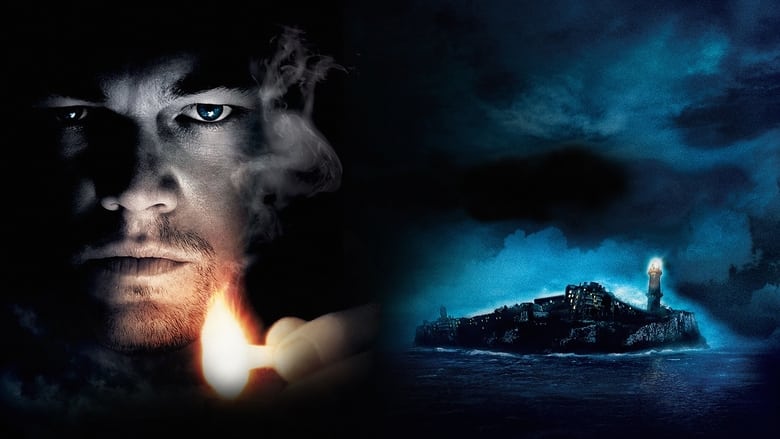
Shutter Island
2010
-
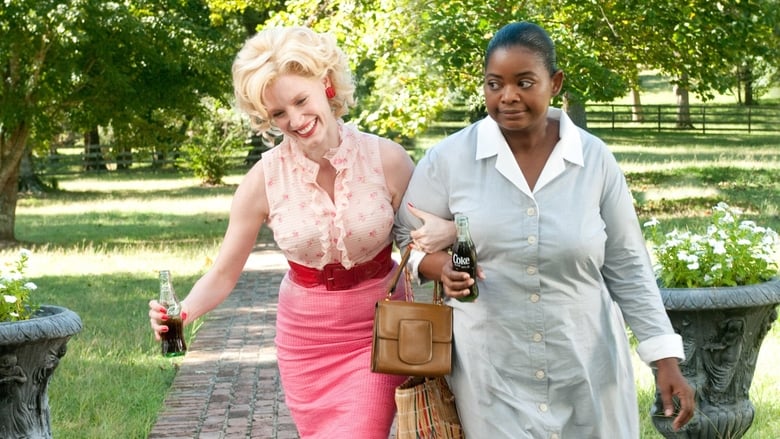
The Help
2011
-

Warrior
2011
-
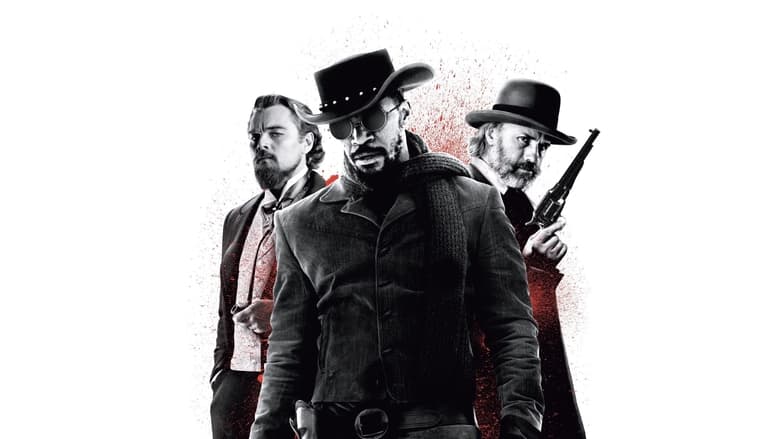
Django Unchained
2012
-
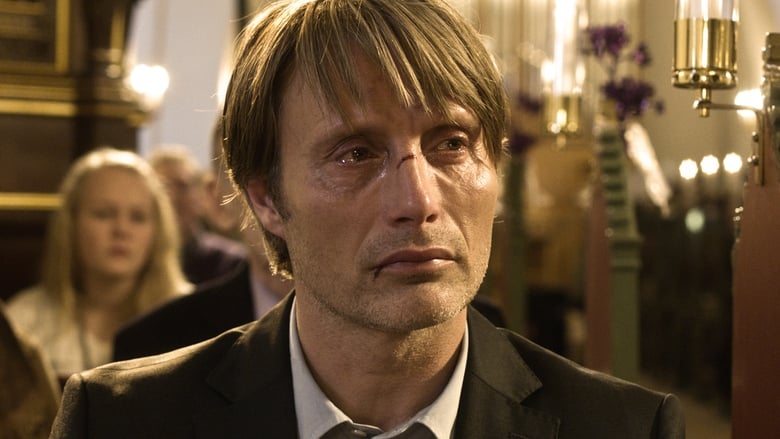
The Hunt
2012
-
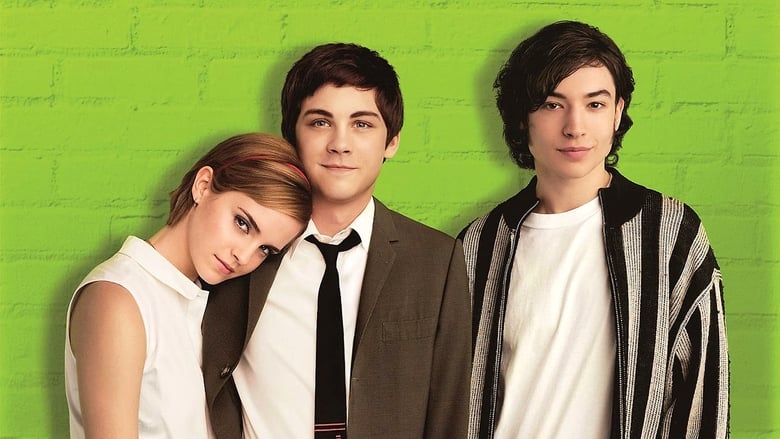
The Perks of Being a Wallflower
2012
-

12 Years a Slave
2013
-
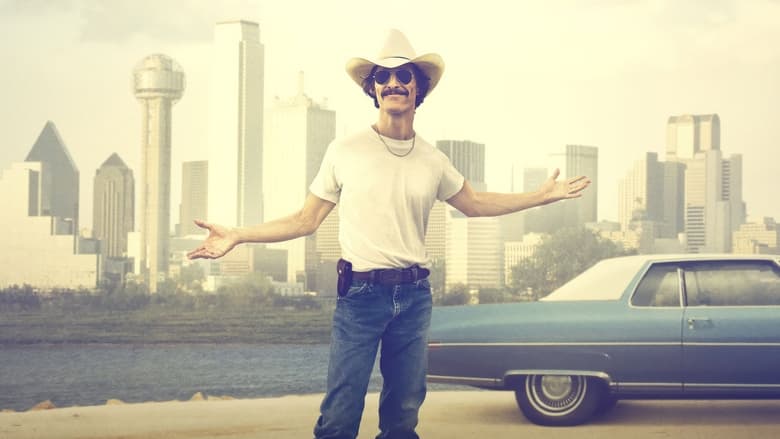
Dallas Buyers Club
2013
-
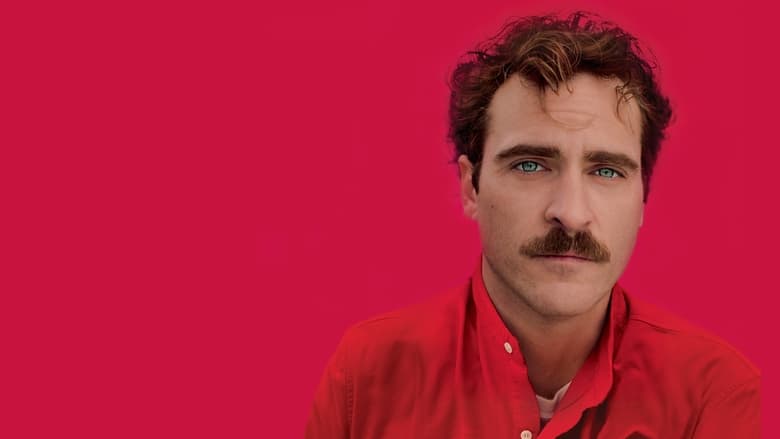
Her
2013
-
Prisoners
2013
-
The Wolf of Wall Street
2013
-

Gone Girl
2014
-

Interstellar
2014
-

The Grand Budapest Hotel
2014
-

The Imitation Game
2014
-
Wild Tales
2014