Wild
"Lose yourself to find what remains."
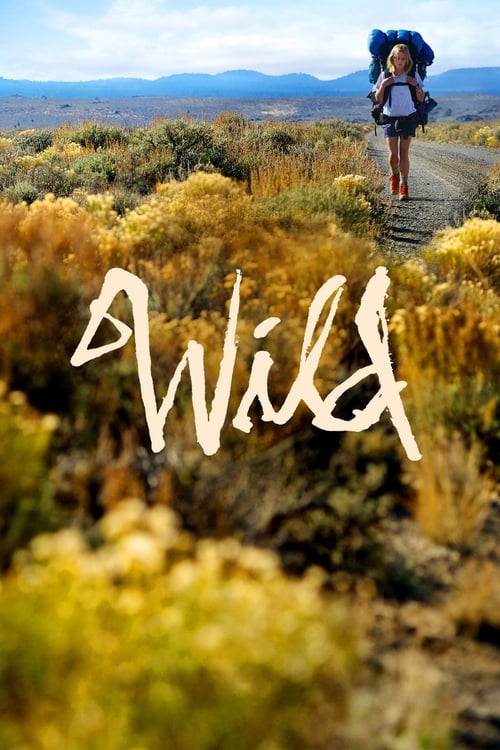
The first thing you hear in Wild isn't a sweeping orchestral score or a poetic monologue. It’s the sound of a woman losing her mind over a lost boot.
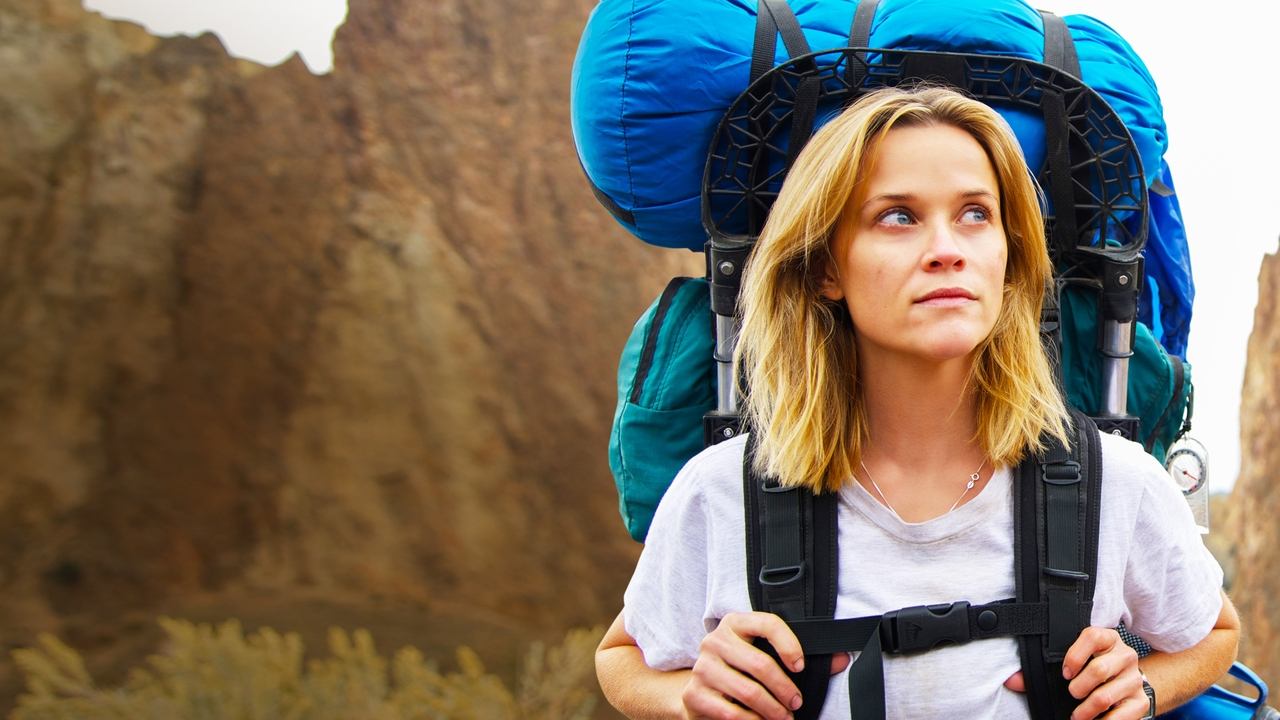
I remember watching Reese Witherspoon hurl that remaining hiking boot off a mountain cliff in a fit of primal rage and thinking, Yeah, that’s exactly how grief feels. It’s not always a quiet, dignified sadness; sometimes it’s just being stuck on a ridge with a bloody toenail and a backpack that weighs more than your will to live. I watched this film for the first time while eating a bag of dehydrated mango that had expired in 2019, and honestly, the slight crunch of the questionable fruit only made Cheryl Strayed’s trek through the Mojave feel more authentic.
The Weight of the "Monster"
By 2014, we were well into the era of the "Prestige Indie." Fox Searchlight was the king of the mountain, and Reese Witherspoon was in the middle of a massive career pivot. She wasn't just "America’s Sweetheart" anymore; she was a powerhouse producer (through her Pacific Standard banner) who was tired of waiting for Hollywood to write complex roles for women. She optioned Cheryl Strayed’s memoir before it was even published, and you can feel that hunger in her performance.
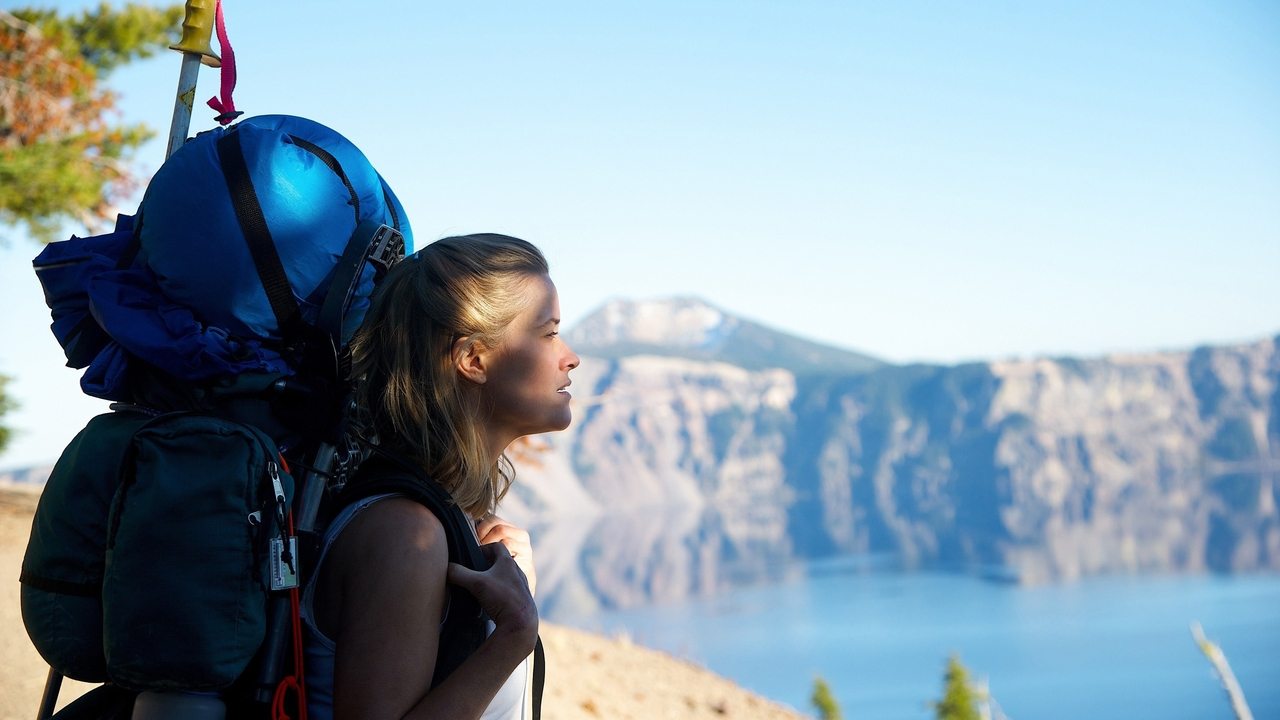
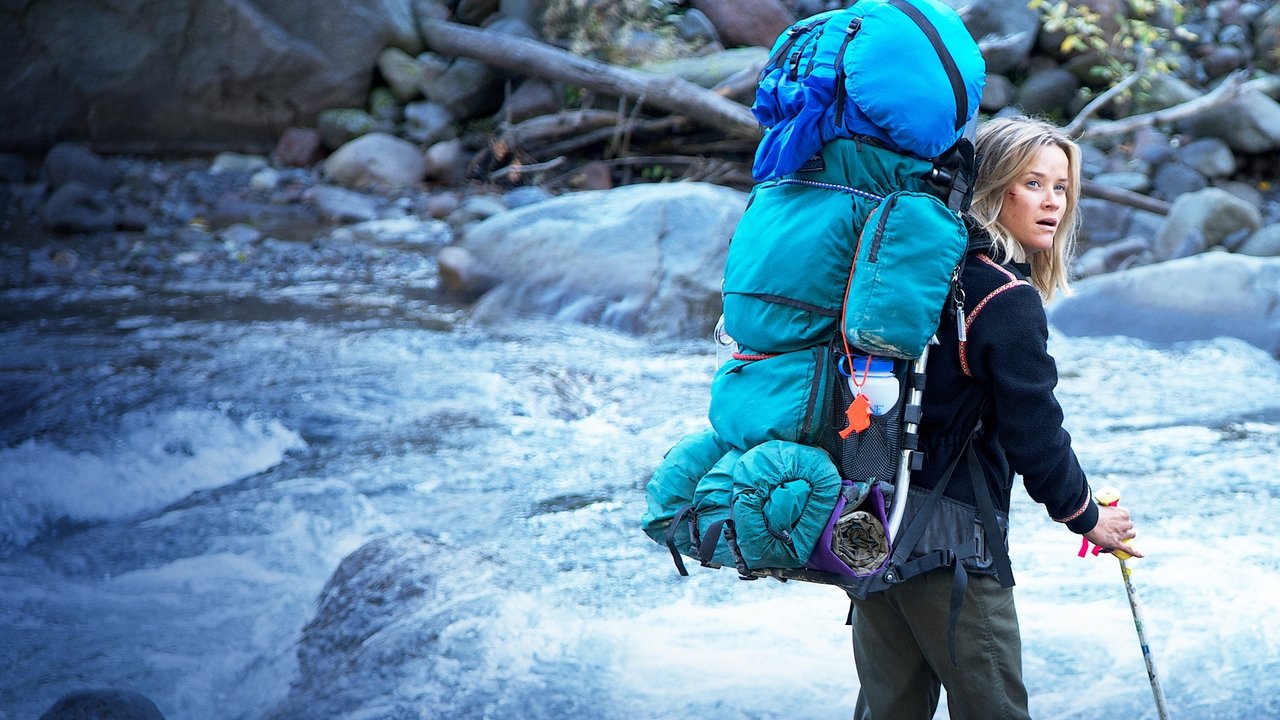
She plays Cheryl with a jagged, unwashed edges that we hadn't really seen from her since Election (1999). There’s a scene early on where she’s trying to put on her backpack—which she nicknamed "Monster"—and she literally cannot stand up. It’s played for a bit of dark humor, but it’s also a perfect metaphor for the emotional baggage she’s lugging across the Pacific Crest Trail. Most 'hiking' movies are basically just high-end gear commercials, but this one smells like unwashed socks and genuine regret.
The film doesn't shy away from the "why" of her journey. Through fragmented, almost intrusive flashbacks, we see her life in Portland spiraling: the heroin use, the anonymous sex, the dissolution of her marriage to Paul (played with heartbreaking patience by Thomas Sadoski). It’s messy, and the film doesn’t ask you to like her—it just asks you to walk with her.
Editing the Human Brain
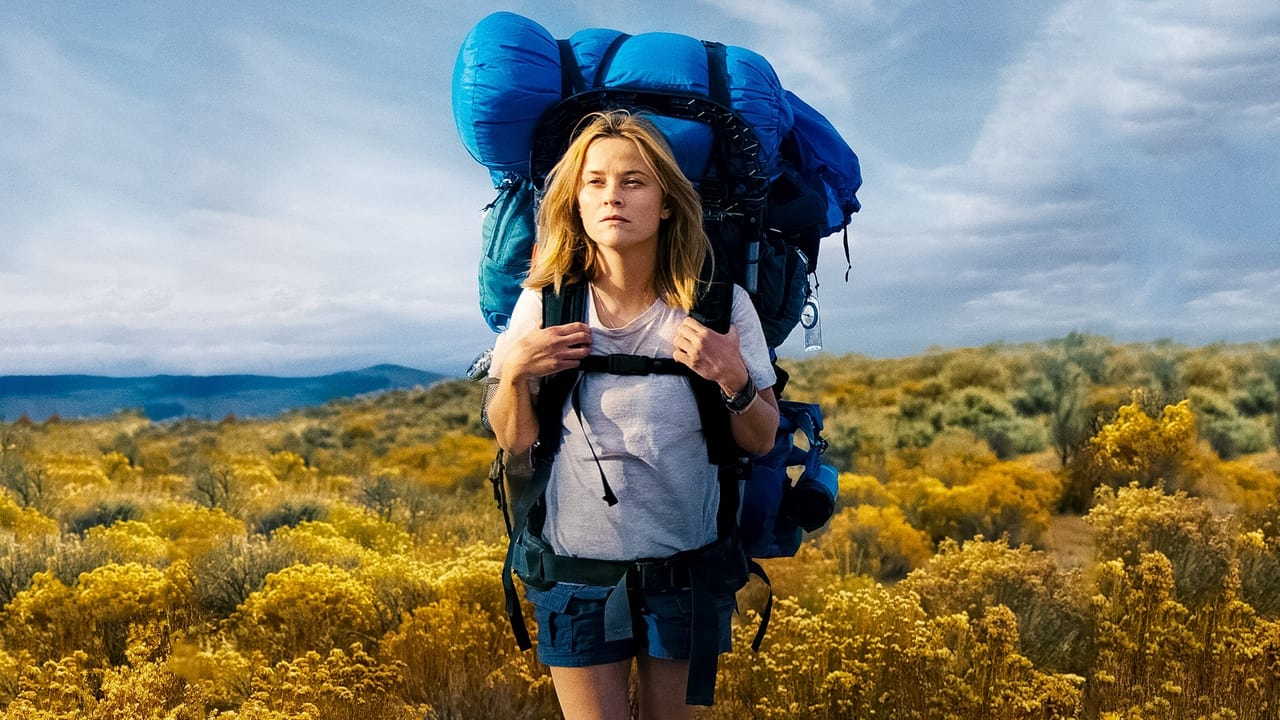
What makes Wild stand out from other "person vs. nature" dramas like Into the Wild (2007) is the direction by the late Jean-Marc Vallée. Fresh off Dallas Buyers Club (2013), Vallée brought a very specific, handheld energy to the proceedings. He and screenwriter Nick Hornby (the guy who wrote High Fidelity) decided to ignore the traditional "and then this happened" structure.
Instead, the movie functions like a human brain on a long walk. When you’re alone for ninety days, you don’t think in chronological order. You hear a song fragment (like Simon & Garfunkel’s "El Condor Pasa") and it triggers a memory of your mother. You see a certain shade of yellow and you’re back in a hospital room. The editing is jumpy and rhythmic, mimicking the way trauma loops back on itself when you have nothing to do but put one foot in front of the other.
And then there is Laura Dern. As Cheryl’s mother, Bobbi, Dern is the ethereal, sun-drenched heart of the movie. She’s the person who says, "There’s no way to teach you to be happy," while living in a household defined by poverty and an abusive husband. Dern has this incredible ability to look like she’s lit from within, which makes her eventual decline even more devastating. It’s a performance that earns every bit of its Oscar nomination without ever feeling like "Oscar bait."
Not Your Average Nature Documentary
There’s a great bit of trivia about the production: Jean-Marc Vallée reportedly didn't let Reese Witherspoon read the manual for her stove or her tent before filming. He wanted her genuine frustration to be on screen. When you see her struggling with those tiny fuel canisters, that’s not "acting"—that’s a movie star realizing that the wilderness doesn't care about your Golden Globe.
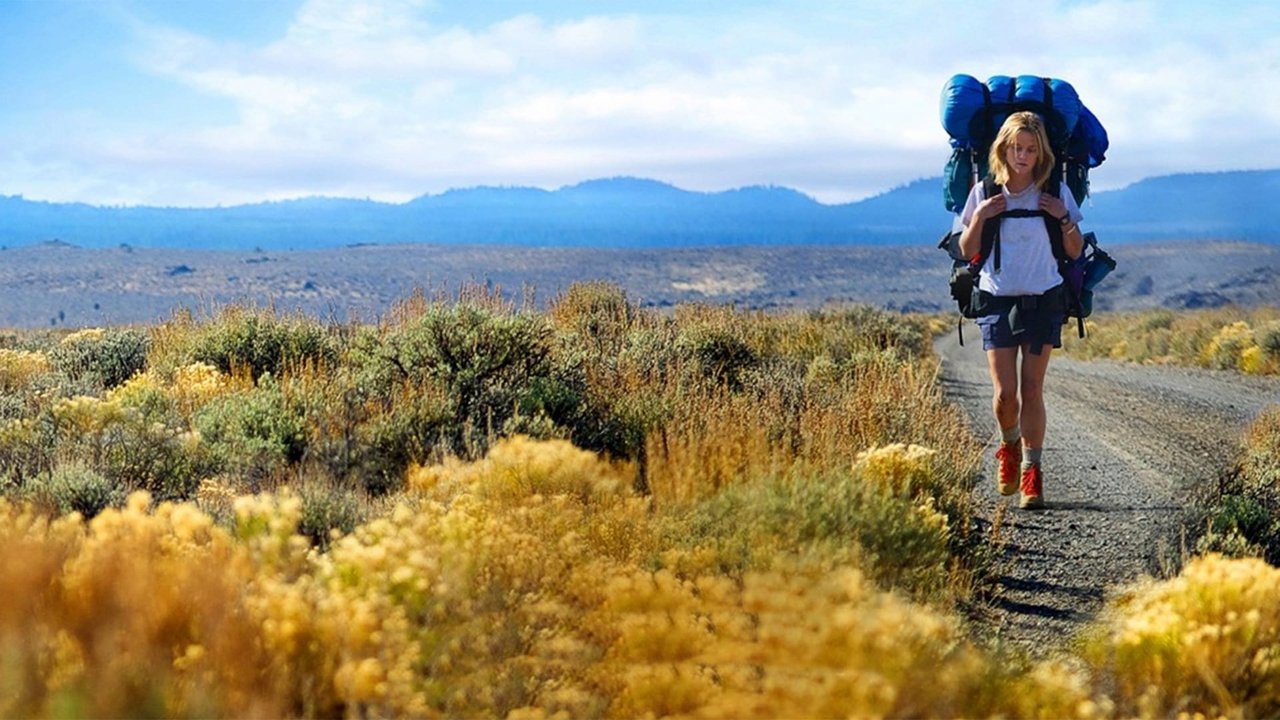
I also love the way the film handles the men Cheryl encounters on the trail. In a lesser movie, every guy would be a threat or a savior. Here, they’re a mixed bag. You have Kevin Rankin as the friendly hiker Greg, and then you have a genuinely tense encounter with two hunters that reminds you how vulnerable a solo female hiker actually is. It captures that constant "internal GPS" women have to run—calculating exits and assessing intent—even when they're supposed to be "finding themselves."
By the time Cheryl reaches the Bridge of the Gods, the film hasn't given us a magical cure for her grief. She’s still the same person, just a version of herself that has been sanded down by the elements. It’s a quiet, defiant ending that respects the audience’s intelligence.
Wild is a rare bird: a mid-budget adult drama that actually feels like it has stakes. It’s a film about the radical act of forgiving yourself for being a disaster. Looking back from a decade later, it remains the gold standard for the "searching for yourself" subgenre, mostly because it acknowledges that the person you find at the end might still be a work in progress. If you’ve ever felt like throwing your own life off a cliff just to see if it bounces, this one is for you.
Keep Exploring...
-
Dallas Buyers Club
2013
-
The Young Victoria
2009
-
Demolition
2016
-
The Master
2012
-
Just Like Heaven
2005
-
(500) Days of Summer
2009
-
A Serious Man
2009
-

Adventureland
2009
-
An Education
2009
-

Brothers
2009
-
My Sister's Keeper
2009
-
The Road
2009
-
The Time Traveler's Wife
2009
-
127 Hours
2010
-
Faster
2010
-
It's Kind of a Funny Story
2010
-

Let Me In
2010
-
Letters to Juliet
2010
-
Life As We Know It
2010
-
Remember Me
2010