Winter's Tale
"Love, light, and a very confused flying horse."
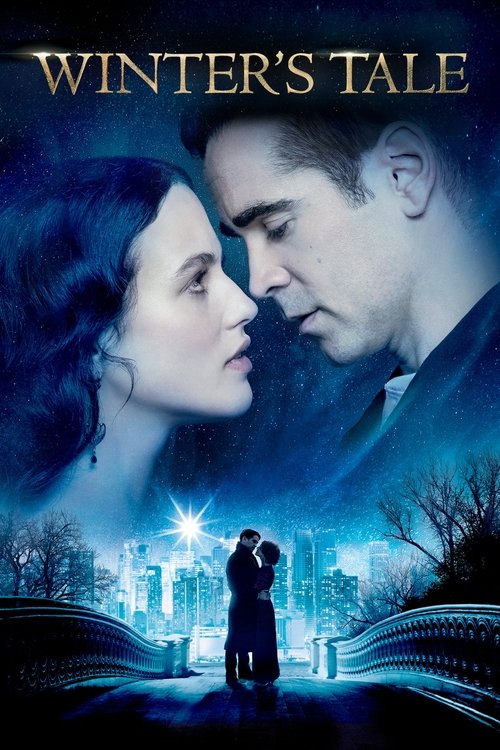
If you ever find yourself wondering what happens when an Oscar-winning screenwriter is given $60 million and a complete lack of editorial supervision, look no further than Winter’s Tale. I watched this recently on a Tuesday night while eating a bowl of cereal that had gone slightly soggy, and honestly, the mushy texture of the flakes was the perfect sensory accompaniment to the narrative I was witnessing. It is a film so aggressively sincere, so profoundly weird, and so bafflingly structured that it feels less like a major studio release and more like a high-budget fever dream someone had after reading a Hallmark card and a physics textbook at the same time.
The Gospel of the Flying Horse
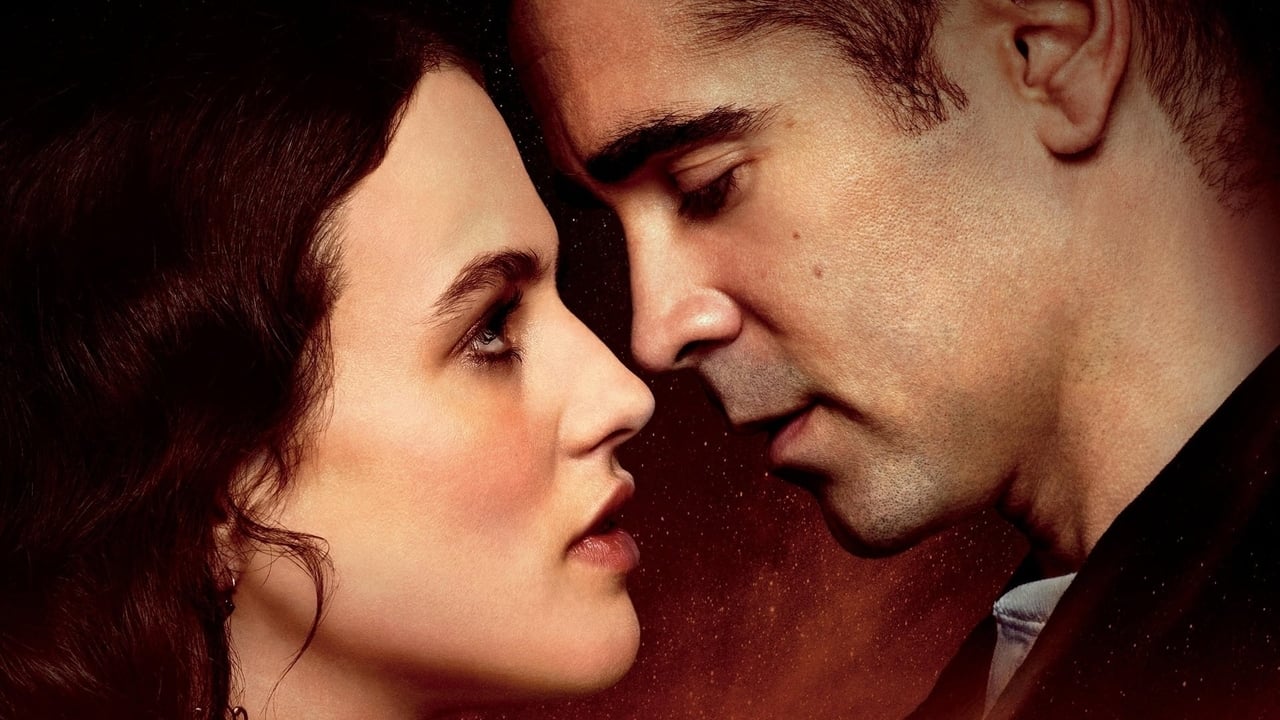
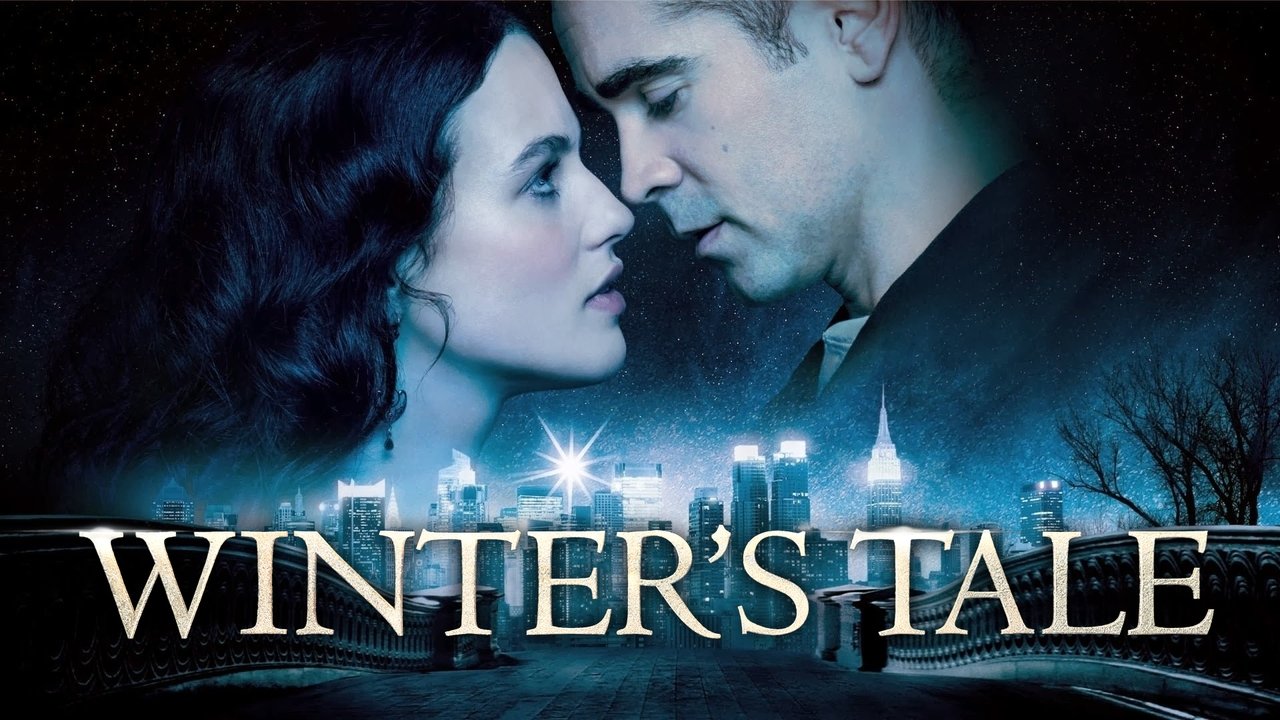
Based on Mark Helprin’s massive, lyrical 1983 novel, the film is the directorial debut of Akiva Goldsman, the man who gave us the scripts for A Beautiful Mind (great!) and Batman & Robin (the one with the ice puns). In Winter's Tale, Goldsman decides to lean heavily into the latter’s penchant for camp, even if he thinks he’s making the former. The story follows Colin Farrell as Peter Lake, a thief in 1916 New York who falls for Beverly Penn (Jessica Brown Findlay), an heiress dying of consumption whose "glow" is literal—she’s so hot she has to sleep in a tent on the roof to keep from combusting.
Oh, and there’s a flying horse. A literal, white, CGI horse that sprouts wings and jumps over clouds whenever the plot gets stuck in a corner. It’s a movie that treats a flying horse with the same level of casualness you’d reserve for a Honda Civic. In the landscape of 2014, when the MCU was busy grounding its fantasy in "science" and the Dark Knight era of grit was still echoing, Winter's Tale arrived like a glittery relic from a different dimension. It refuses to wink at the camera. It demands you take its magic seriously, even when Russell Crowe shows up as a demon named Pearly Soames.
Scenery: Chewed, Swallowed, and Regurgitated
Let’s talk about Russell Crowe. As the villainous Pearly, Crowe is doing something I can only describe as "The Full Irish-Brooklyn Gargoyle." He’s a demon who works for the Devil, and he spends most of the movie trying to stop Peter Lake from fulfilling his destiny. Crowe looks like he’s trying to headbutt the very concept of acting. He’s intense, he’s growling, and he has a weirdly intimate scene with Will Smith, who plays Lucifer (credited simply as "Judge").
Yes, Will Smith is the Devil. He wears a Jimi Hendrix t-shirt and spends his screen time hissing at Russell Crowe in a dark room. It is perhaps the most bizarre casting choice of the 2010s. Watching a post-9/11 movie star of Smith’s caliber play a middle-management Satan is a reminder of that weird transitional era where A-listers were still trying to figure out how to be "edgy" in the burgeoning streaming age.
Despite the insanity, there is real heart in the middle of this mess. Jessica Brown Findlay—who many of us loved as Lady Sybil in Downton Abbey—is genuinely radiant. She and Colin Farrell (sporting a haircut that can only be described as "The New York Undercut from Hell") actually have lovely chemistry. Their romance feels earned, even if the world around them is falling apart into a puddle of CGI lens flares. Farrell has always been better than the "leading man" roles Hollywood tried to shove him into, and here he brings a vulnerability that almost makes you forget he’s talking to a horse.
The $60 Million Disappearing Act
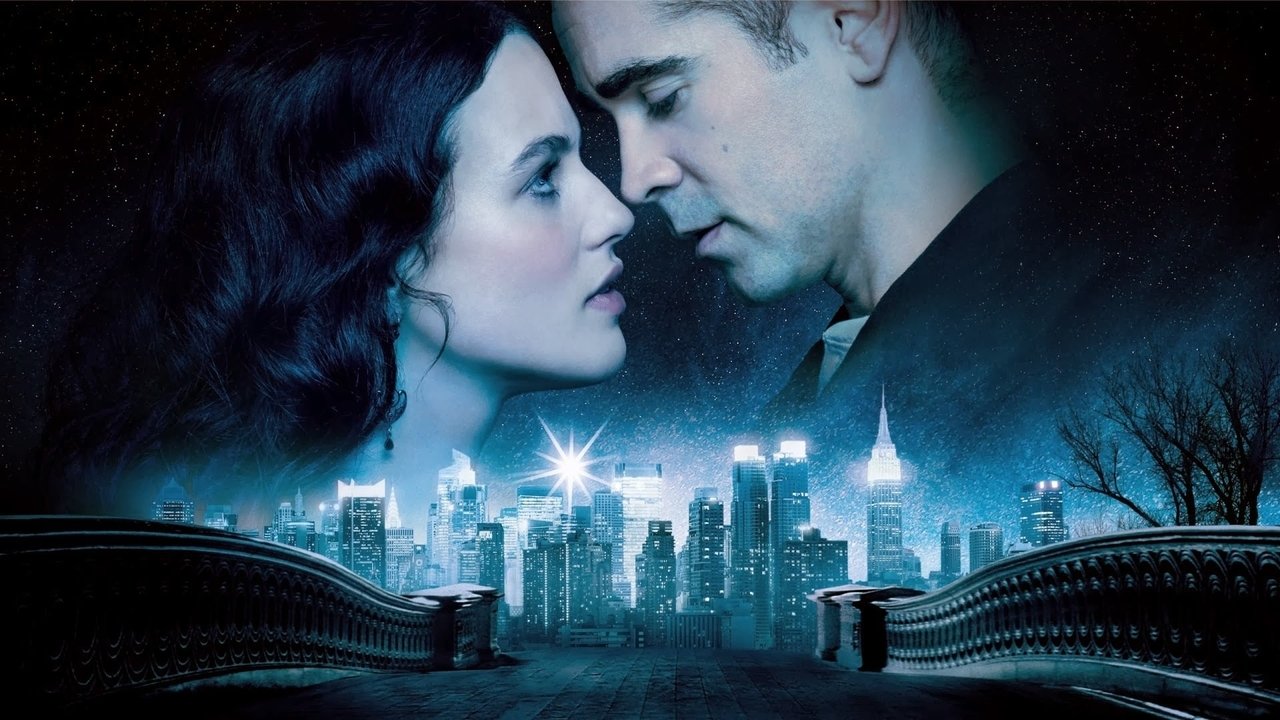
So, why did this movie vanish? For one, it’s a tonal nightmare. It starts as a period romance, turns into a supernatural thriller, and then suddenly jumps to 2014 New York, where Colin Farrell is an amnesiac wandering around Central Park looking for Jennifer Connelly. It’s the kind of narrative whiplash that test audiences usually kill in the crib. The film was a massive box office bomb, recouping barely half its budget, and was promptly buried by critics who weren't ready for a movie this earnest about "miracles."
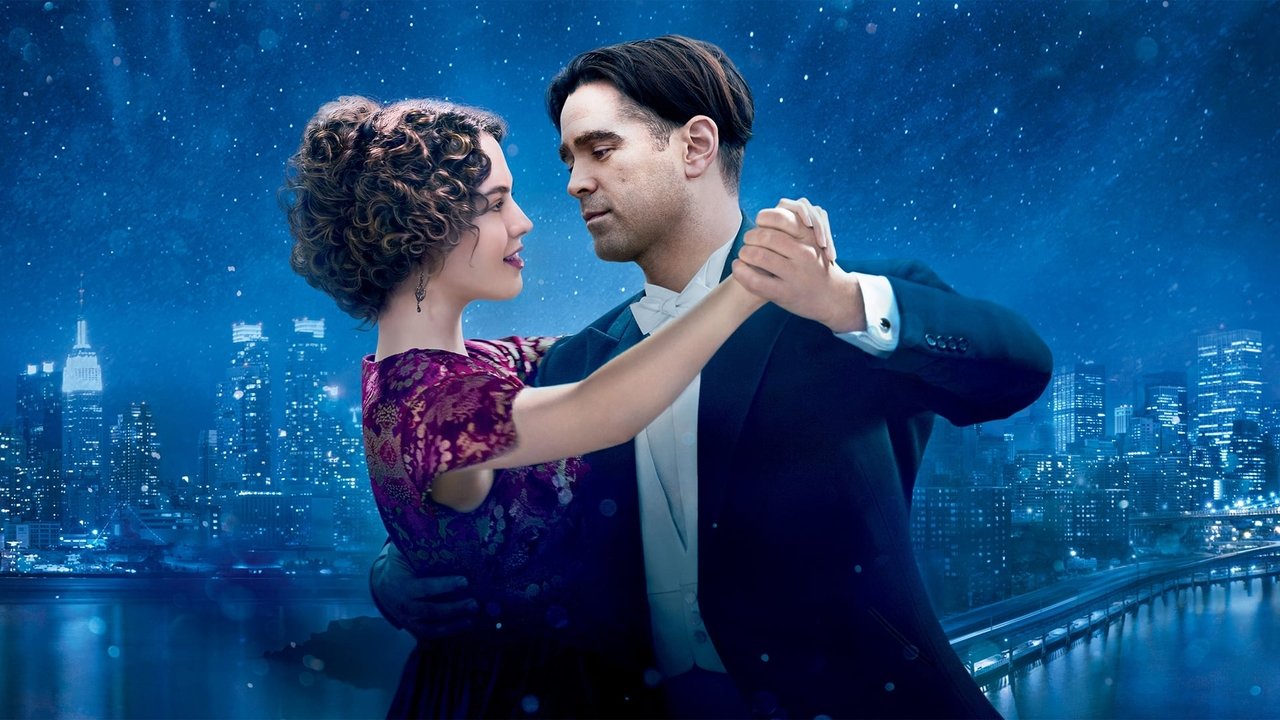
Looking back, the CGI is a fascinating time capsule. We were just moving past the "rubbery" phase of digital effects, yet the white horse—Athansor—frequently looks like he was rendered on a high-end PlayStation 3. This was the era where directors were obsessed with digital light, influenced heavily by the look of The Lord of the Rings and the digital cinematography of Caleb Deschanel. Deschanel, a legend who shot The Right Stuff, actually makes the movie look gorgeous. The way he captures the golden hour in 1910s New York is breathtaking, proving that even a movie about a demon-punching thief can have top-tier lighting.
Ultimately, Winter's Tale is a "lovable disaster." It’s a film made by someone who clearly loved the source material so much they lost their mind trying to translate it. It lacks the cynicism of modern blockbusters, and for that, I have a soft spot for it. It’s the cinematic equivalent of a puppy that keeps running into a glass door—you feel bad for it, but you can’t help but admire its spirit.
If you're in the mood for something that makes absolutely no sense but looks beautiful while doing it, give this a shot. It’s a relic of an era when studios still took massive, weird risks on literary adaptations. Just be prepared for the horse. Seriously, the horse is a lot. It’s not a masterpiece, but it’s a spectacular curiosity that reminds me why I love the messy, unpredictable nature of film.
Keep Exploring...
-
The Legend of Bagger Vance
2000
-

Red Riding Hood
2011
-
Lady in the Water
2006
-

Ruby Red
2013
-
Sapphire Blue
2014
-
Original Sin
2001
-
Just My Luck
2006
-

The Twilight Saga: New Moon
2009
-

The Twilight Saga: Eclipse
2010
-

The Twilight Saga: Breaking Dawn - Part 2
2012
-
Beautiful Creatures
2013
-
Passengers
2008
-
The Time Traveler's Wife
2009
-
Beastly
2011
-

Ruby Sparks
2012
-
Upside Down
2012
-
Ghost
1990
-
Hereafter
2010
-
Sex and the City 2
2010
-

When in Rome
2010