X-Men: Days of Future Past
"The timeline is broken. Only the past can fix it."
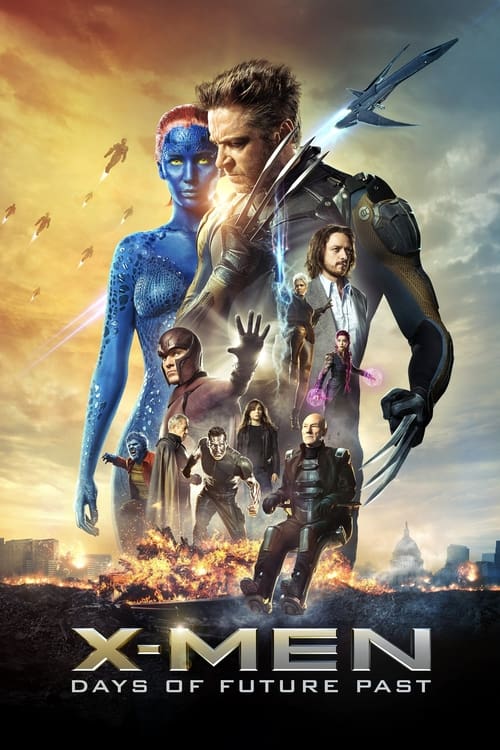
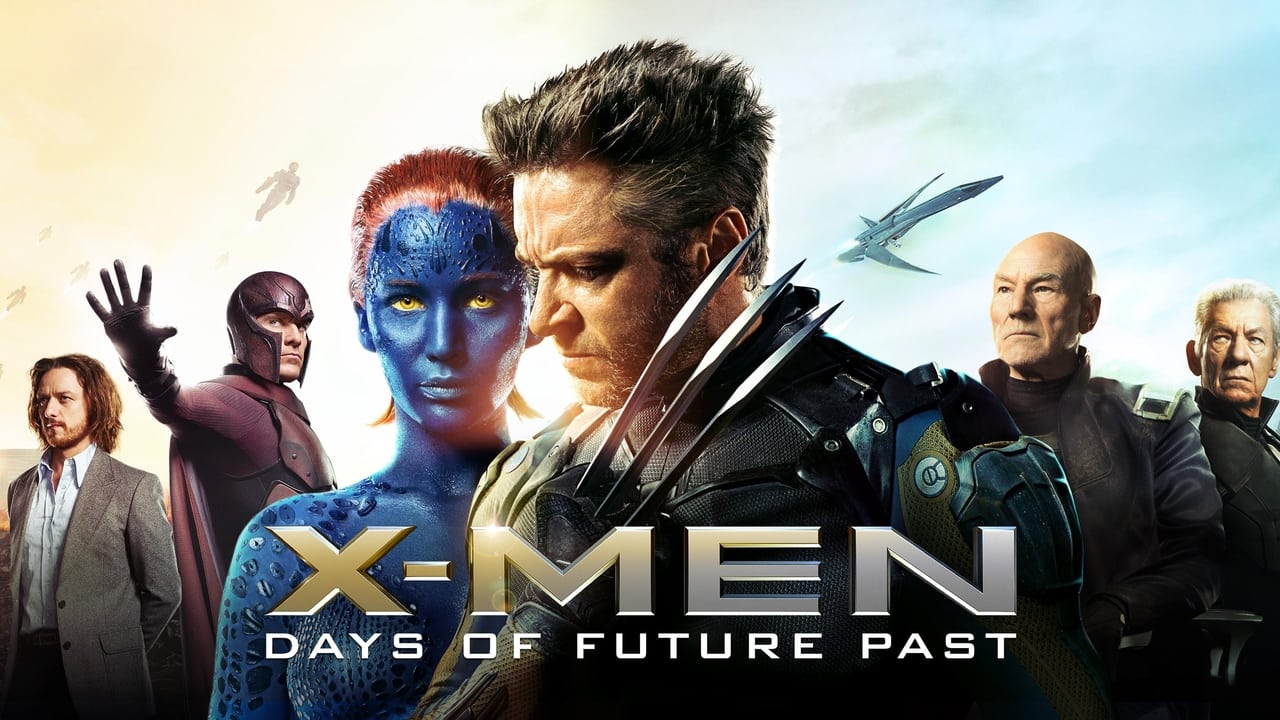
I’ll never forget sitting in a half-empty theater on a rainy Tuesday afternoon, nursing a lukewarm Diet Coke and a bag of popcorn that was roughly 40% unpopped kernels, watching Hugh Jackman wake up in 1973. There’s a specific kind of magic when a massive, bloated franchise finally figures out how to apologize for its own mistakes. After the messy fallout of X-Men: The Last Stand and the forgettable slog of the early solo outings, X-Men: Days of Future Past felt less like a sequel and more like a high-stakes rescue mission for our collective childhood memories.
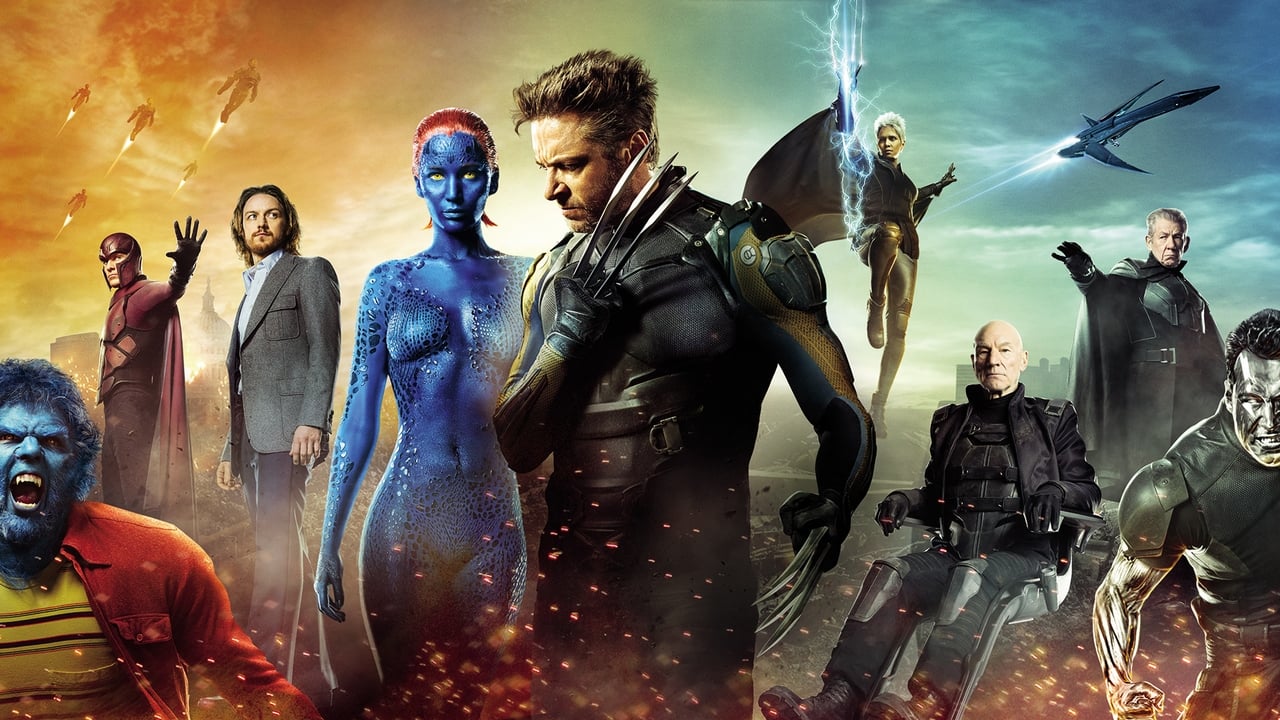
This was the era of the "soft reboot," a time when Hollywood realized you didn’t have to throw the baby out with the bathwater; you just had to send a Canadian with knives in his hands back to the Nixon administration to move the bathwater somewhere else. It’s a film that manages to bridge the gap between the leather-clad 2000s aesthetic and the vibrant, character-driven energy of X-Men: First Class (directed by Matthew Vaughn). Looking back, it’s arguably the last time the X-Men felt like the center of the cinematic universe before the MCU's relentless machine turned everything into a 20-movie homework assignment.
The Continuity Cure
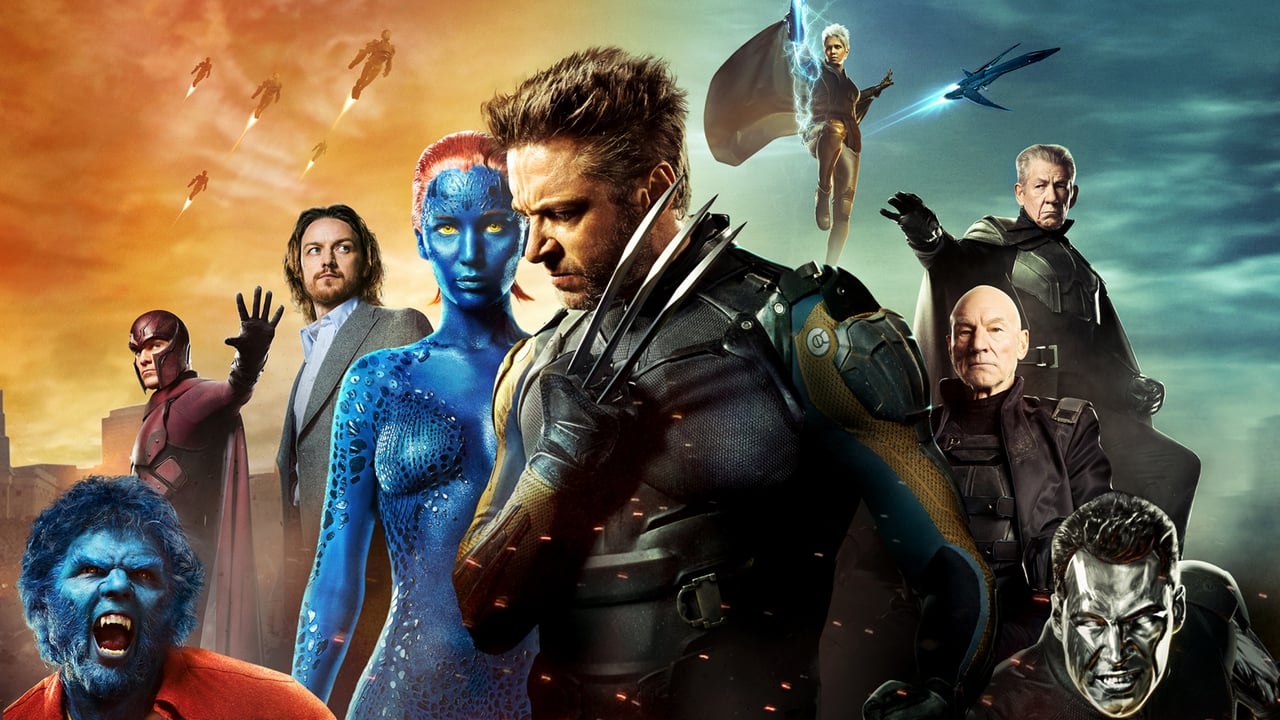
The plot is a classic "fix-it" story. In a bleak, post-apocalyptic future, giant robots called Sentinels have effectively wiped out mutantkind and most of humanity. To stop this, Patrick Stewart (Professor X) and Ian McKellen (Magneto) put aside their chess-match rivalry to send Logan’s consciousness back to 1973. His goal? Stop Jennifer Lawrence as Raven/Mystique from assassinating a military scientist, an event that triggers the Sentinel program.
What makes this work isn’t the time-travel logic—which, if you think about it for more than ten seconds, falls apart like a wet paper towel—but the friction between the generations. Seeing a young, disillusioned James McAvoy trading barbs with a weary Hugh Jackman provides an emotional weight that most superhero movies skip in favor of "sky beams." McAvoy is the MVP here; he plays Charles Xavier not as a saintly mentor, but as a broken man addicted to a serum that lets him walk but silences the voices in his head. It’s a messy, human performance in a movie about people who can control metal.
Speaking of metal, Michael Fassbender continues to prove that he was born to wear a cape. His Erik Lehnsherr is a shark in a disco-era suit. He doesn't just walk into a scene; he occupies it. When he breaks out of a plastic prison beneath the Pentagon, it’s played with a ruthless efficiency that reminds you why Magneto is the most compelling "villain" in comic book history.
Kitchen Nightmares and High-Speed Wonders
If we’re talking about action, we have to talk about the kitchen scene. You know the one. Evan Peters as Quicksilver, a pair of headphones, "Time in a Bottle" by Jim Croce, and a room full of frozen-in-time security guards. In 2014, this was a revelation. While other films were leaning into shaky-cam chaos, director Bryan Singer (who launched the franchise back in 2000) opted for a sequence of pure, stylized wit.
The production utilized high-speed Phantom cameras shooting at 3,200 frames per second to make the world stand still while Quicksilver played with soup and redirected bullets. It’s a masterclass in tone—shifting from a tense prison break to a moment of slapstick comedy without losing the momentum. The Quicksilver sequence is the only time "super-speed" hasn't looked like a blurry mess on screen.
Conversely, the future-set action sequences have a desperate, grim quality. The Sentinels are legitimately terrifying—shifting, mimicry-based obsidian nightmares that feel impossible to beat. Watching fan favorites like Colossus or Blink get systematically dismantled creates a genuine sense of stakes. You aren't just watching a CG light show; you’re watching a slaughter that makes Logan’s mission feel vital.
The Blue Paint and the Big Budget
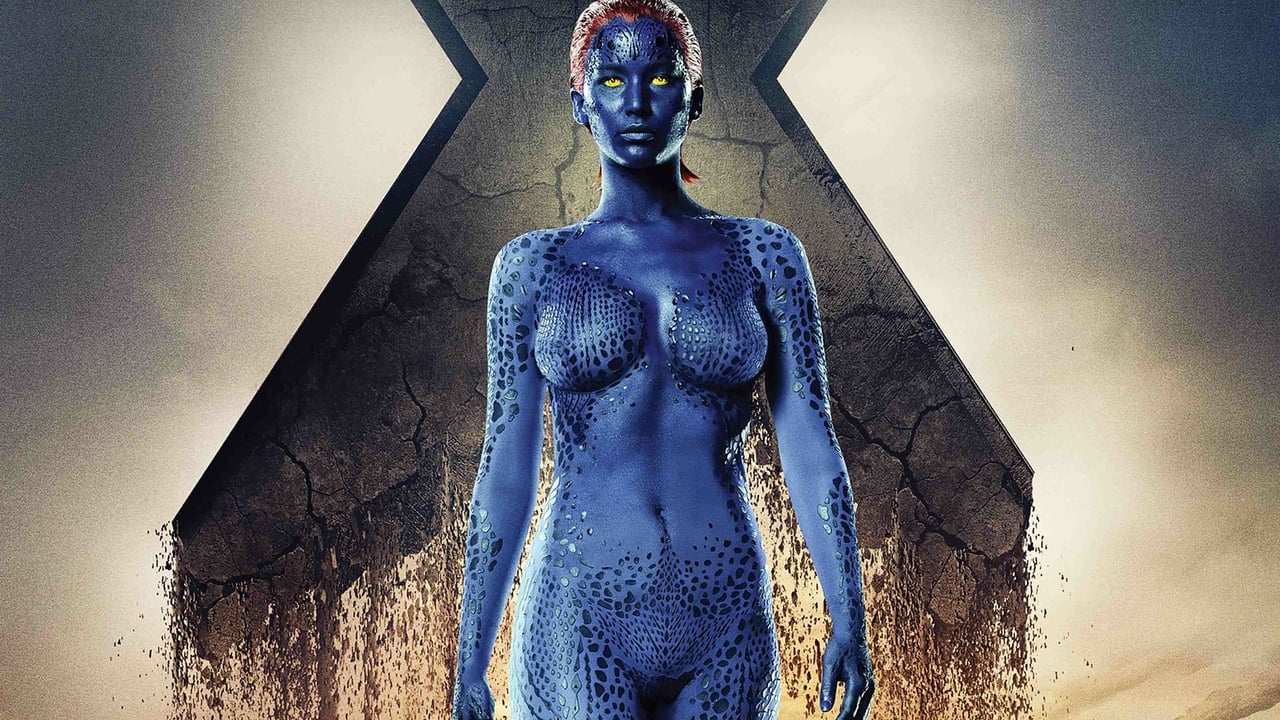
Behind the scenes, this movie was a logistical nightmare that somehow came together. It turns out Jennifer Lawrence was actually quite vocal about her distaste for the Mystique makeup process. By this point, she was an Oscar winner and the face of The Hunger Games, and the grueling eight-hour sessions of being painted blue for First Class were a deal-breaker. The production compromise? She wore a body suit from the neck down for most of the film, which ironically made the character look more like her comic-book counterpart.
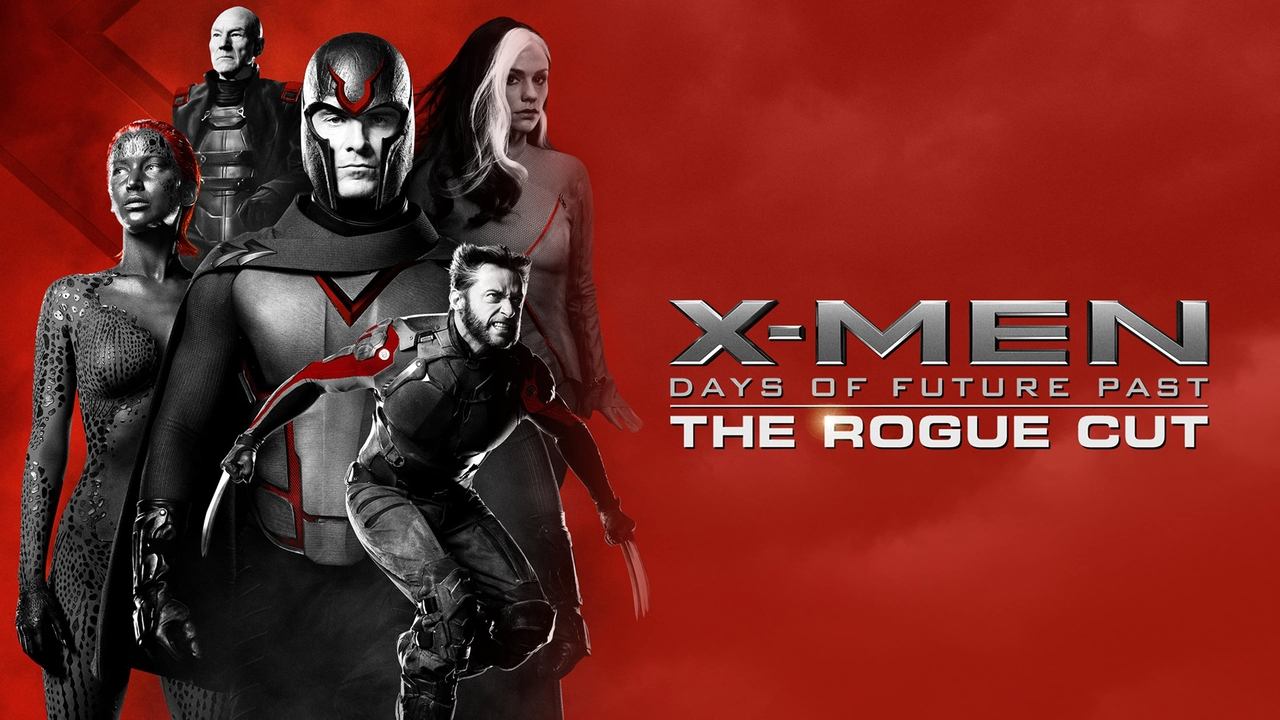
Interestingly, Patrick Stewart and Ian McKellen were actually in the middle of a Broadway run of Waiting for Godot when they were asked to return. That theatrical chemistry bleeds into their scenes; there’s a shorthand between them that you can’t manufacture with CGI. And for the trivia buffs: Hugh Jackman reportedly had to film his 1973 "awakening" scene—where he's naked and facing off against mobsters—while dealing with a massive "wardrobe" malfunction involving his prop claws and his own thighs. The things actors do for their craft.
The film also captures that weird, transitional 2010s moment where digital effects were starting to lose their "weight." While the 1970s Sentinels look fantastic because they have a physical, mechanical presence, the "future" Sentinels occasionally feel a bit too much like a video game. But the film saves itself through its sound design. The thrum of Magneto’s powers and the metallic clack of the Sentinels' plates give the action a sensory punch that keeps you grounded.
Ultimately, Days of Future Past succeeds because it cares about its history. It treats the 14 years of franchise baggage not as a burden, but as an emotional resource. It’s a movie that understands the power of a face you haven't seen in a decade appearing for a three-second cameo. It’s the rare blockbuster that manages to be both a spectacular action flick and a genuine character drama about the difficulty of changing one's nature.
I left that rainy Tuesday screening feeling something I hadn't felt about the X-Men in a long time: hope. It’s a film that earns its happy ending by dragging you through the mud first. If you’re looking for a reminder of why we fell in love with these mutants before the era of cinematic universes became a chore, this is the one to revisit. Just make sure your popcorn is actually popped.
Keep Exploring...
-

X-Men
2000
-
X2
2003
-

X-Men: The Last Stand
2006
-

X-Men: First Class
2011
-
X-Men: Apocalypse
2016
-

Dark Phoenix
2019
-
Superman Returns
2006
-

Star Trek
2009
-
TRON: Legacy
2010
-

Captain America: The First Avenger
2011
-

Ender's Game
2013
-
Man of Steel
2013
-
Oblivion
2013
-
Pacific Rim
2013
-
Star Trek Into Darkness
2013
-
Real Steel
2011
-

Jack the Giant Slayer
2013
-
9
2009
-
Inception
2010
-

Starship Troopers
1997