Yves Saint Laurent
"The genius of the stitch, the chaos of the soul."
In 2014, the French film industry decided it wasn't enough to have just one biopic about the most famous melancholic in fashion history. We got two. It was a "Duel of the Designers" situation that rarely happens outside of asteroid movies or volcano thrillers. On one side, you had the avant-garde, unofficial Saint Laurent; on the other, you had this film, Jalil Lespert’s Yves Saint Laurent, which came with the iron-clad blessing of Pierre Bergé, Yves's long-time partner in business and life.
I watched this film on a rainy Tuesday while wearing a pair of grey sweatpants with a noticeable bleach stain on the left knee, and I have never felt more judged by a piece of media in my life. There is something about the sheer, terrifying elegance of this era that makes your own living room feel like a dumpster.
The Man in the Glass Box
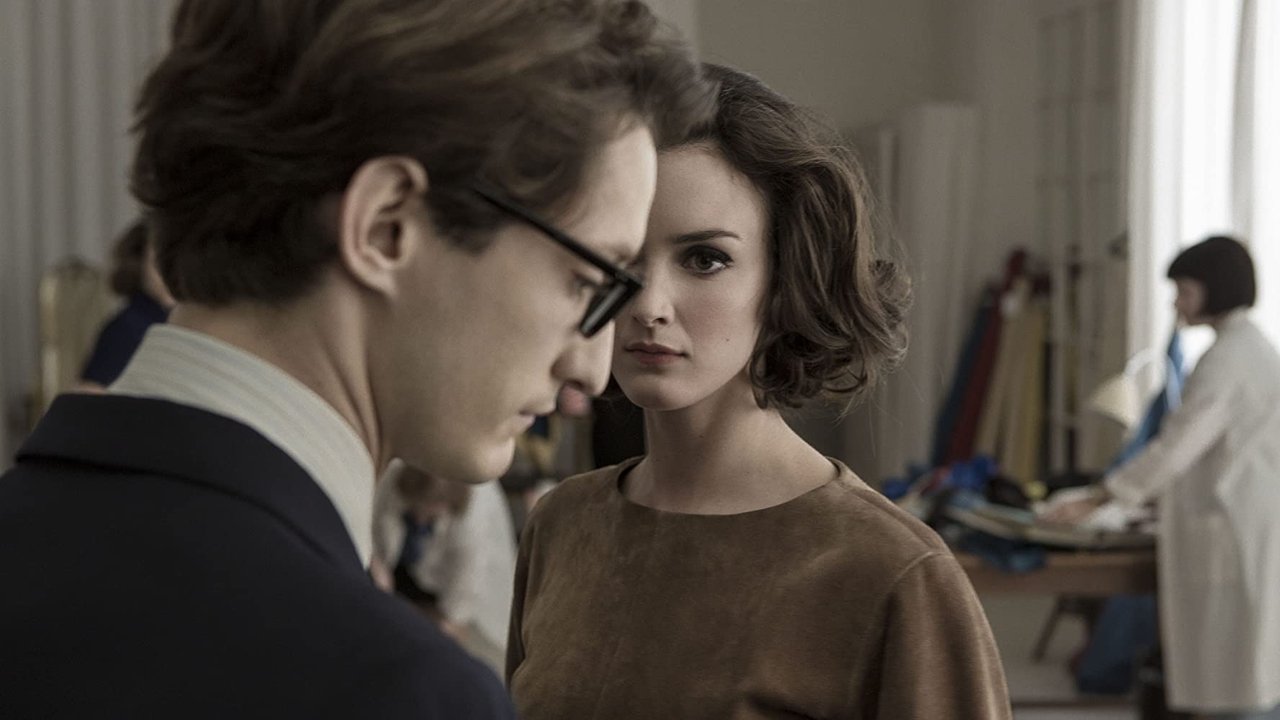
Biopics often struggle with the "Great Man" trope, where the protagonist feels like a statue being polished rather than a human being. However, Pierre Niney (who you might recognize from the recent The Count of Monte Cristo or his hilarious turn in OSS 117: From Africa with Love) performs a feat here that is nothing short of a haunting. He doesn't just play Yves; he inhabits that specific, fragile vibration the designer always seemed to emit. Pierre Niney manages to make a pair of horn-rimmed glasses look like a high-security prison.
The film kicks off in 1958, catching Yves as a wunderkind at Dior before he was unceremoniously ousted and forced to build his own empire. What I found most compelling wasn't the rise to fame, but the physical toll of genius. Niney captures the transition from a shy, stammering boy to a man ravaged by the very industry he revolutionized. There’s a scene involving the "Mondrian" collection that perfectly illustrates the film’s strength: it treats the clothes not as fabric, but as armor for a man who felt he had no skin.
A Partnership of Lead and Gold
If Yves is the soul of the film, Guillaume Gallienne (the brilliant mind behind Me, Myself and Mum) is its spine as Pierre Bergé. This isn't just a movie about a designer; it’s a movie about a caretaker. Their relationship is the messy, codependent, and occasionally toxic heart of the story. Guillaume Gallienne plays Bergé with the weary intensity of a man trying to catch a falling star with his bare hands.
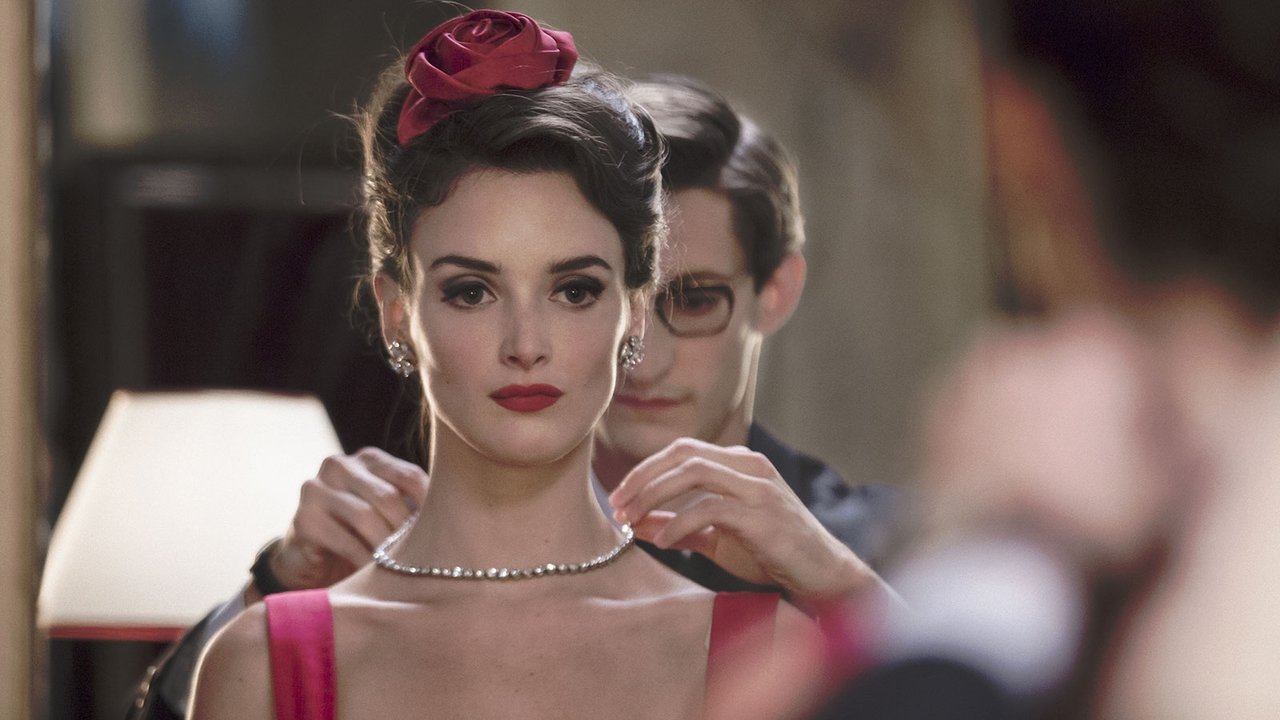
I’ve always been fascinated by the "person behind the curtain" in these stories. Bergé was the businessman, the protector, and the one who had to navigate Yves’s descents into addiction and depression. The chemistry between Pierre Niney and Guillaume Gallienne feels lived-in and heavy. When they fight, it’s not Hollywood drama; it’s the sound of two people who have tied their identities together so tightly that they’re suffocating.
The supporting cast adds the necessary "Mod" flavor. Charlotte Le Bon (of The Hundred-Foot Journey fame) is radiant as Victoire Doutreleau, Yves’s early muse. Then there’s Nikolai Kinski as a young Karl Lagerfeld, back when he looked less like a high-fashion vampire and more like a competitive socialite. Seeing the proto-rivalry between Yves and Karl is a treat for anyone who enjoys a bit of historical fashion shade.
The Archival Advantage
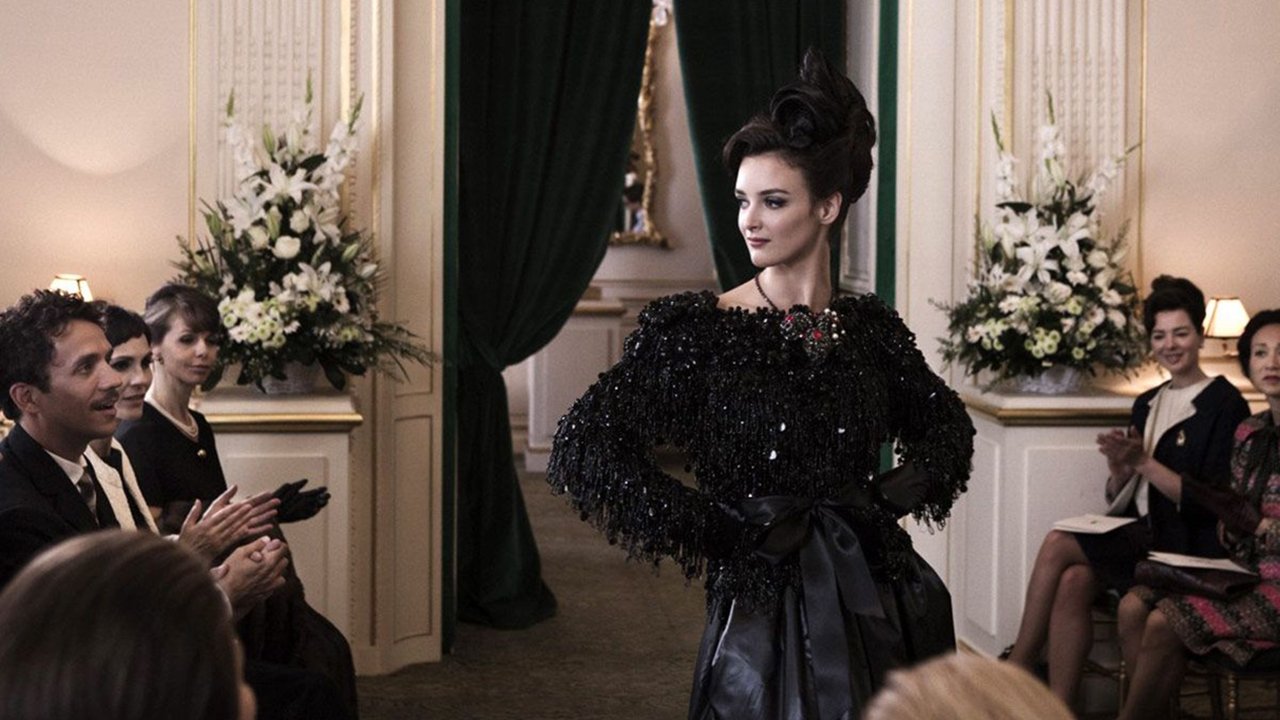
Because this was the "authorized" biopic, the production had access to the actual YSL archives. This is a bigger deal than it sounds. Usually, costume designers have to recreate iconic looks, which can sometimes look like high-end cosplay. Here, the dresses on the runway are the actual historical artifacts. There is a weight and a sheen to the silk that digital cameras usually struggle to capture, but Lespert’s direction treats the garments with a hushed reverence.
The film perfectly captures that early 2010s trend of European dramas that were shifting from film to digital. While it lacks some of the grain and grit of the 1970s-set sequences, the clarity allows you to see every bead and sequin. The cinematography treats a sewing machine with more tension than a ticking time bomb.
However, being the "authorized" version has its drawbacks. At times, the film feels a bit protective of Bergé’s legacy. It’s honest about the drug use and the affairs—specifically the appearance of Jacques de Bascher, played with oily charm by Xavier Lafitte—but it occasionally pulls its punches where the "unofficial" rival film leaned into the decadence. It’s a bit like reading a biography written by a very honest, very exhausted spouse.
Ultimately, Yves Saint Laurent is a lush, emotionally resonant look at a man who changed how the world looks, even as he struggled to look at himself in the mirror. It’s a drama that understands that style isn’t just about vanity; it’s about survival. While it might follow some of the standard biopic beats, the powerhouse performances from Pierre Niney and Guillaume Gallienne elevate it into something that feels deeply personal.
If you’re looking for a film that captures the transition from the rigid 1950s to the explosive 1970s through the lens of a single, brilliant, broken man, this is your ticket. It’s the kind of movie that makes you want to throw out your entire wardrobe and start over, or at the very least, finally wash those bleach-stained sweatpants. It’s a beautiful, tragic, and meticulously tailored experience that deserves a spot on your "to-watch" list.

Keep Exploring...
-

The Hundred-Foot Journey
2014
-

A Prophet
2009
-

22 Bullets
2010
-

Enter the Void
2010
-
The Round Up
2010
-
This Must Be the Place
2011
-

Rust and Bone
2012
-

Human Capital
2013
-

Samba
2014
-
A Single Man
2009
-
An Education
2009
-
Bad Lieutenant: Port of Call - New Orleans
2009
-
Cell 211
2009
-

Coco Before Chanel
2009
-

Crazy Heart
2009
-
Everybody's Fine
2009
-
Harry Brown
2009
-
Precious
2009
-

The Informant!
2009
-

The Last House on the Left
2009