A Man Called Ove
"A life measured in Saabs and second chances."
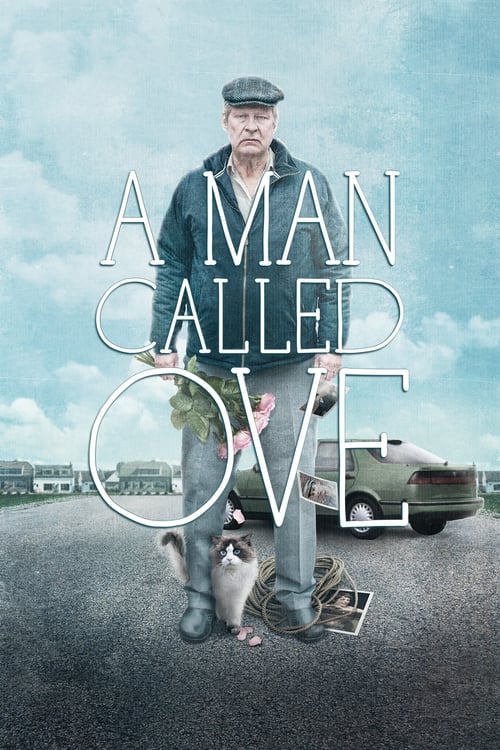
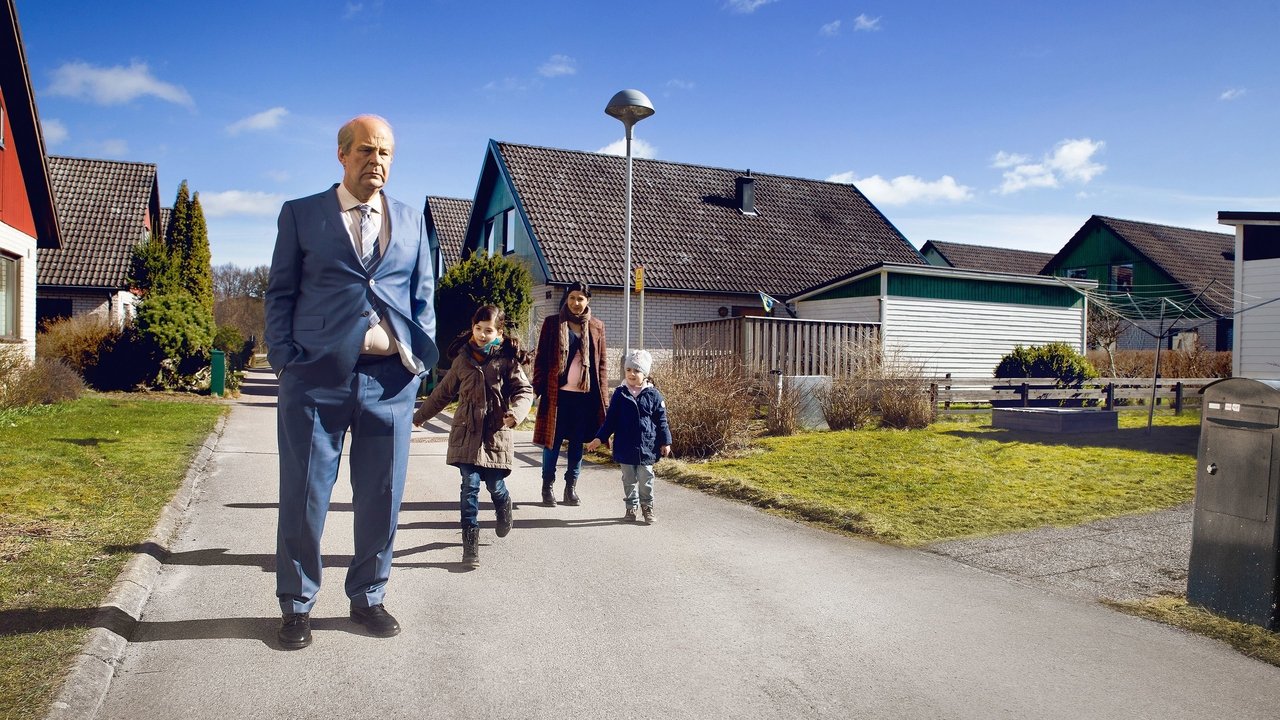
Ove doesn’t just want you off his lawn; he wants you to understand precisely why your presence there violates the municipal code of 1994. He is the kind of man who treats a stray cat like a federal fugitive and views a neighbor’s un-braked trailer as a personal declaration of war. When we first meet him in Hannes Holm’s 2015 Swedish hit, Ove is buying flowers for his wife’s grave and arguing with a teenage clerk about a "two-for-one" coupon that he insists should translate to a half-price single bouquet. He’s exhausting, rigid, and—as I realized while watching this on a Tuesday night while eating a bowl of cereal that was two days past its expiration date—he is exactly the hero we deserve in an era of digital chaos.
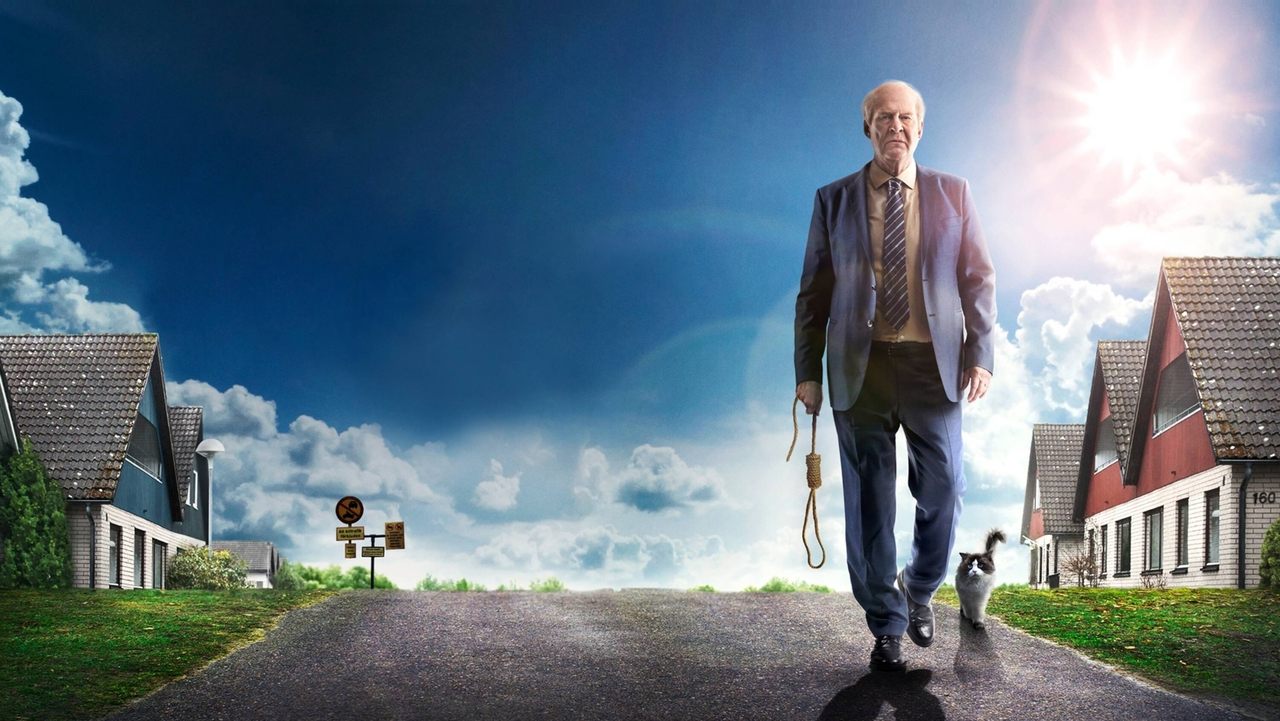
The Art of the Curmudgeon
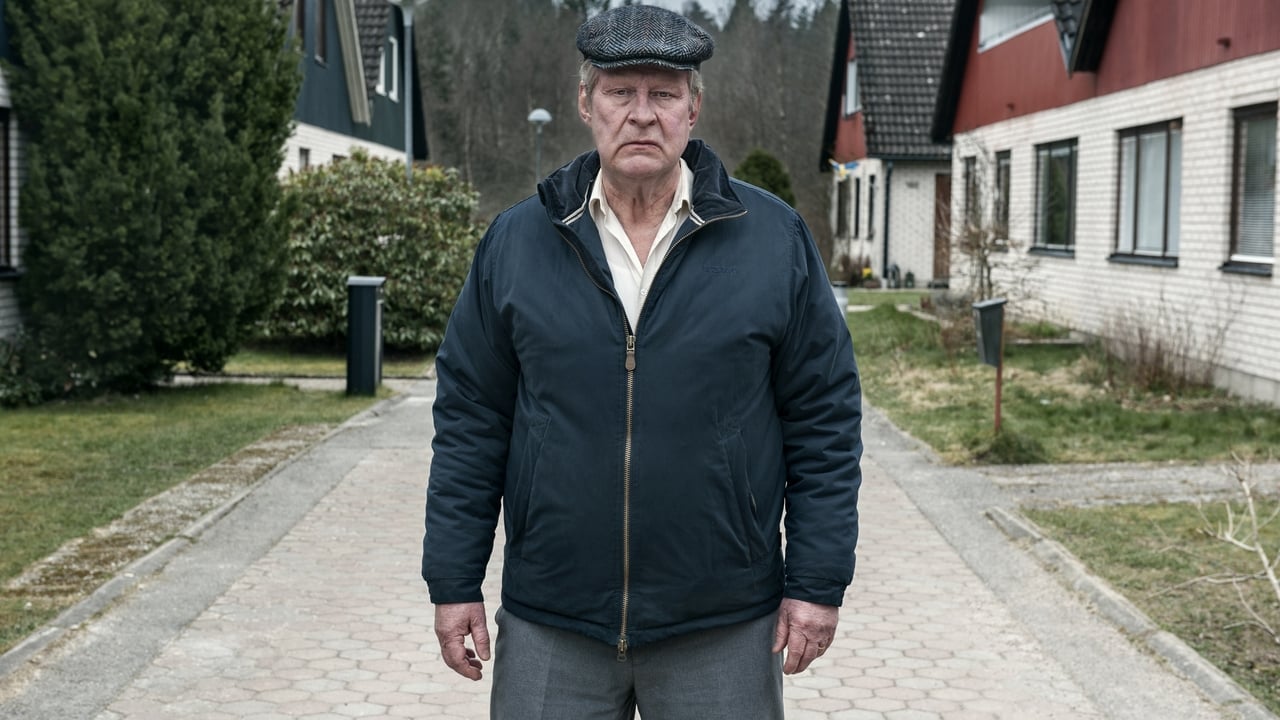
In the hands of a lesser actor, Ove could have been a caricature of the "get off my lawn" trope. But Rolf Lassgård brings a heavy, tectonic-plate kind of gravity to the role. He doesn’t play "grumpy"; he plays a man whose heart has literally grown too large for his chest (a medical condition the film uses with poetic irony). Lassgård moves with the stiff-backed certainty of someone who believes that if he stops upholding the rules, the entire world will simply dissolve into a puddle of incompetence.
The film’s brilliance lies in its refusal to make Ove "likable" in the traditional sense. He’s actually quite mean. He’s also trying, quite unsuccessfully, to end his own life so he can join his late wife, Sonja. These suicide attempts—thwarted by the sheer incompetence of his neighbors—should be morbid, but Holm directs them with a pitch-black comedic timing that feels startlingly fresh. It’s the arrival of Parvaneh, played with infectious, high-energy warmth by Bahar Pars, that finally breaks his stride. She backs her car into his mailbox, and in doing so, she accidentally knocks a hole in the fortress he’s built around his grief. Pars is the perfect foil; she’s the only person in the neighborhood who isn't intimidated by Ove's barking, mostly because she’s too busy asking him for driving lessons or a ladder.
A Technicolor Ghost Story
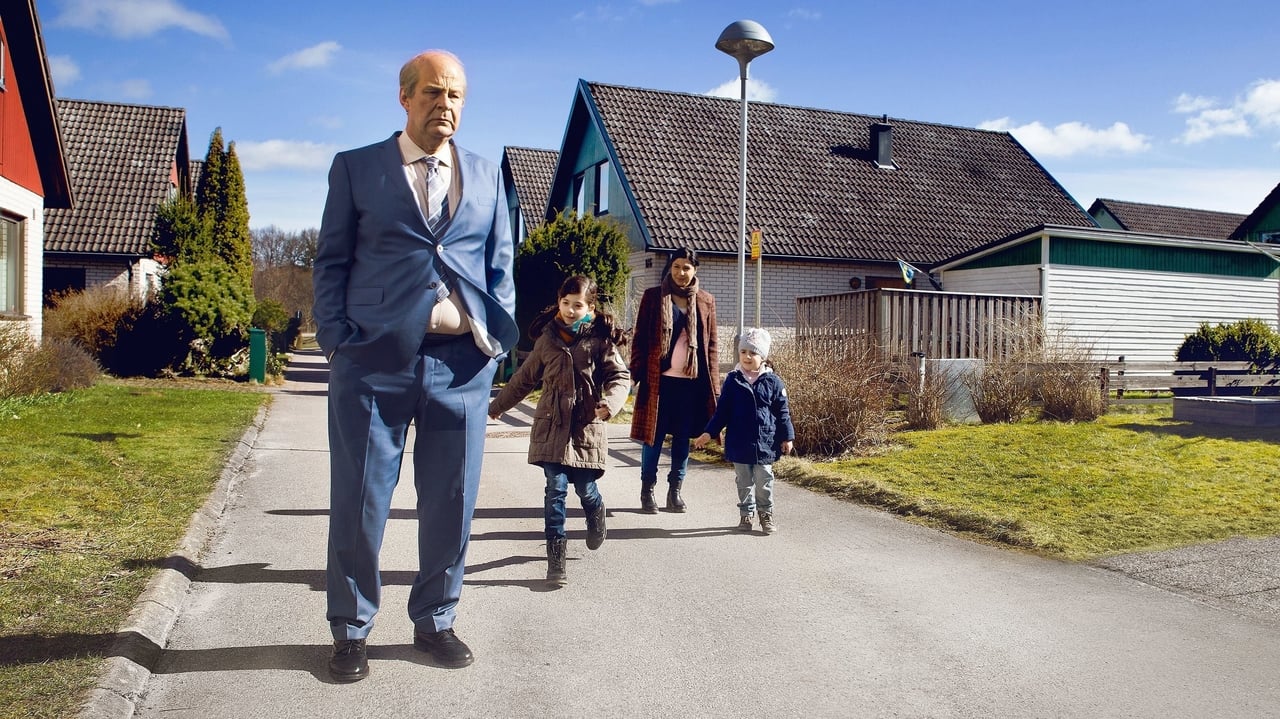
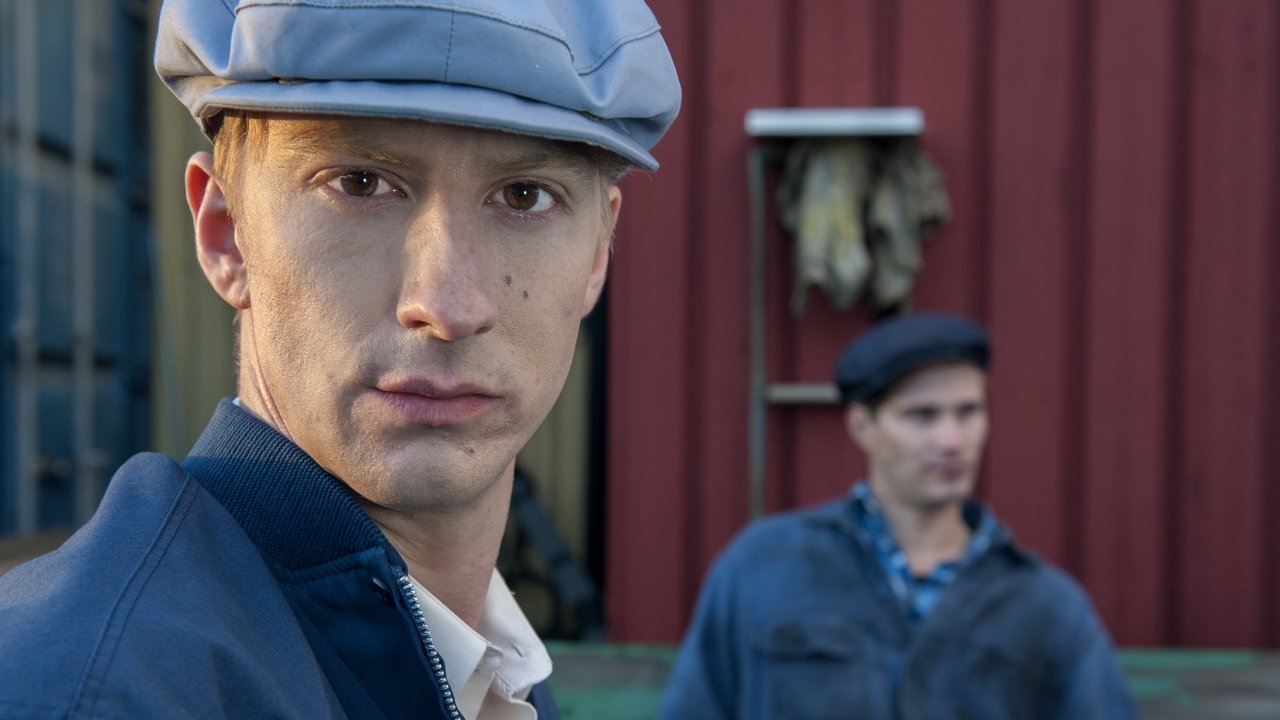
While the present-day scenes are shot with the crisp, cool blues of a Swedish winter, the flashbacks to Ove’s youth are bathed in a warm, golden glow. This isn't just a stylistic choice; it represents the only time Ove felt the world was in focus. Filip Berg plays the younger Ove with a wide-eyed, silent stoicism, while Ida Engvoll radiates as Sonja, the woman who "read all the books while he fixed all the things."
Ida Engvoll is essentially the soul of the movie. She doesn't have as much screen time, but her presence is felt in every sharp word Ove speaks. You realize that his obsession with rules isn't about being a jerk; it’s a way of grieving. If he can keep the neighborhood perfectly organized, maybe he can make sense of a world that took her away. American remakes usually sand down the interesting jagged edges of foreign films, and while the Tom Hanks version (A Man Called Otto) is perfectly fine, it misses the specific, dry Swedish bite that Holm captures here. There’s a philosophical weight to the original—a question about what a person owes their community when they feel the community has nothing left to offer them.
Saabs, Volvos, and Small Stakes
One of my favorite recurring bits—and something that feels so distinctly contemporary in its exploration of brand loyalty—is Ove’s lifelong feud with his former friend Rune over car brands. It’s a decades-long cold war fought with Saabs and Volvos. To Ove, a man who switches from a Saab to a Volvo hasn't just changed cars; he’s abandoned his moral compass. It’s a hilarious, petty detail that speaks volumes about how we use external markers to define our internal values.
Apparently, the production had to source several vintage Saabs to track Ove’s life through the decades, and there’s a genuine tactile joy in seeing these machines. It reminds me of how much "stuff" matters in dramas—not as consumerism, but as the physical evidence of a life lived. The cinematography by Göran Hallberg captures the texture of a knitted sweater or the click of a gate latch with a reverence that makes the neighborhood feel like a living, breathing character. It’s a reminder that in our current era of CGI spectacle, there is still immense power in the image of an old man trying to fix a radiator.
I walked into this movie expecting a "feel-good" fluff piece, but I walked away feeling like I’d actually done some emotional work. It’s a film that respects its audience enough to be sad when it needs to be and absurd when it has to be. By the time the credits rolled, I found myself looking at my own neighbors—even the one who leaves their trash cans out for three days—with a little more patience. It’s a contemporary classic that proves that even if you’re convinced the world is full of "idiots," you might still want to stick around to see what they do next.
Keep Exploring...
-
The Specials
2019
-
Feel the Beat
2020
-
Perfect Strangers
2016
-
Instant Family
2018
-
Love, Simon
2018
-
Another Round
2020
-
Anomalisa
2015
-
Dope
2015
-

The Dressmaker
2015
-
Florence Foster Jenkins
2016
-
Justice League vs. Teen Titans
2016
-
Like Crazy
2016
-
My Life as a Zucchini
2016
-
Toni Erdmann
2016
-
Battle of the Sexes
2017
-
Le Brio
2017
-
The Man Who Invented Christmas
2017
-
Can You Ever Forgive Me?
2018
-
Dumplin'
2018
-
Sink or Swim
2018