Amy
"The strobe lights were her only ghosts."
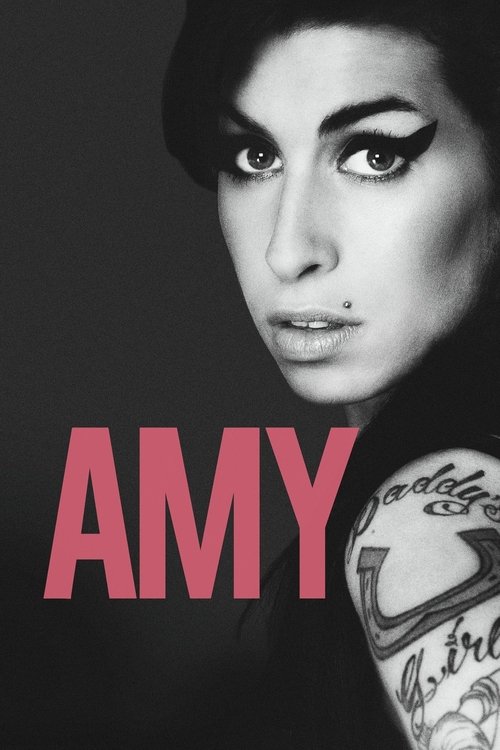
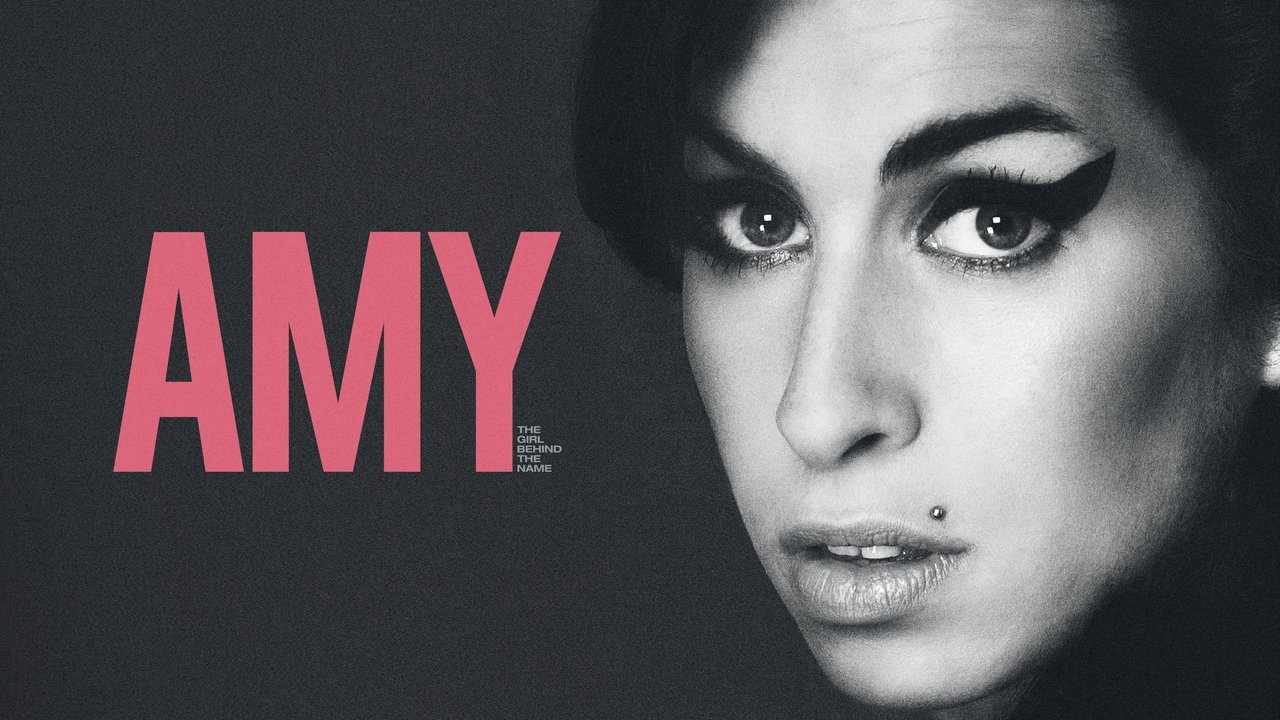
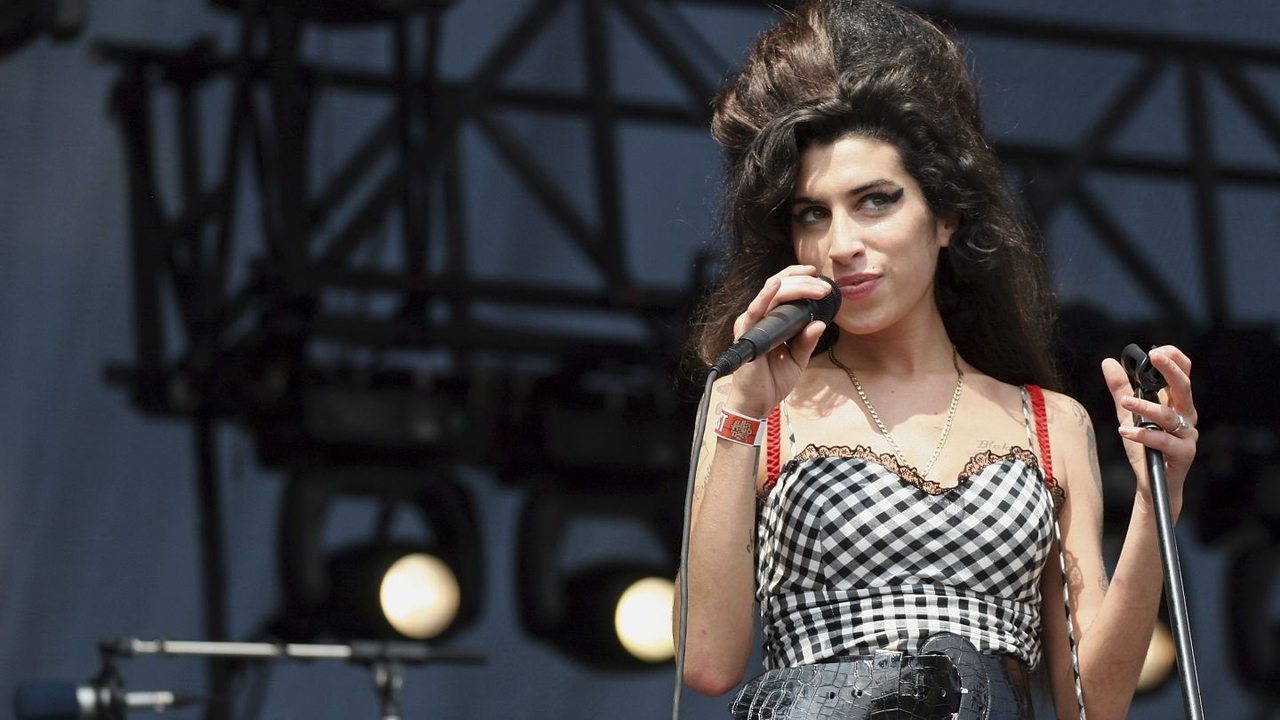
There is a specific, haunting frequency in Amy Winehouse’s voice that seems to vibrate at the exact speed of a breaking heart. It’s not just the jazz phrasing or the smoky, mid-century grit; it’s the sound of a woman who was perpetually being chased by her own talent. I watched this film on a Tuesday afternoon while my cat stared intensely at a fly on the window, and that quiet, mundane stillness in my living room made the absolute, flashing-light chaos of Amy’s final years feel like a transmission from a distant, much crueler planet.
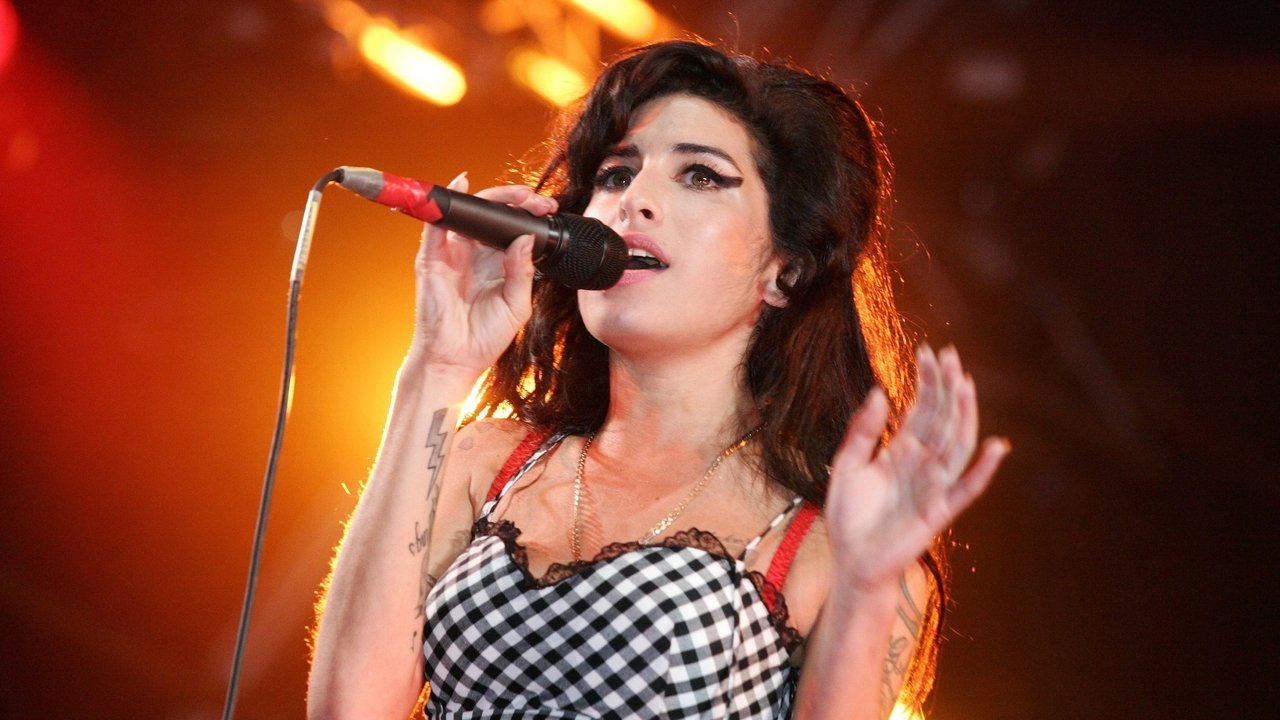
Directed by Asif Kapadia, who previously turned the racing world inside out with Senna (2010), Amy isn't your standard VH1 "Behind the Music" special. It’s a ghost story. By stripping away the modern convention of the "talking head" interview—you know the ones, where people sit in front of a bookcase and look somber—Asif Kapadia keeps us trapped in the archive. We are forced to look at what we, as a collective audience, did to her.
The Voyeurism of the Archive
The film leans heavily into the "contemporary" reality of the mid-2000s: the birth of the 24-hour tabloid cycle and the democratization of the camera. Because Amy grew up during the transition from analog to digital, the film has access to an staggering amount of intimate home video. We see her at fourteen, singing "Happy Birthday" with a voice that sounds like it’s been drinking bourbon for forty years. We see her with her friend Juliette Ashby, just a girl from North London who loved Salt-N-Pepa and didn't want to be famous.
The brilliance of the editing here is how it implicates the viewer. As the film progresses, the graininess of the home movies gives way to the blinding, high-definition glare of the paparazzi. The transition is subtle but sickening. The paparazzi in this film look less like journalists and more like a pack of hyenas in North Face jackets. By the time we reach the Back to Black era, the camera is no longer a tool for capturing memories; it’s a weapon of exhaustion. It raises a heavy philosophical question: at what point does our "appreciation" of an artist’s pain become a form of consumption that eventually eats them alive?
A Performance of the Self
Even though this is a documentary, it feels like a high-stakes drama because of the "characters" surrounding Amy. Mark Ronson appears as a sort of creative midwife, capturing the lightning of her soul in the studio, while Tony Bennett provides the film’s most moving moments. When Amy stands in a recording booth with Tony Bennett, she is terrified. It’s the only time we see her truly respect the gravity of her own gift. She’s not a "junkie" or a "train wreck" in that room; she’s a peer to a legend.
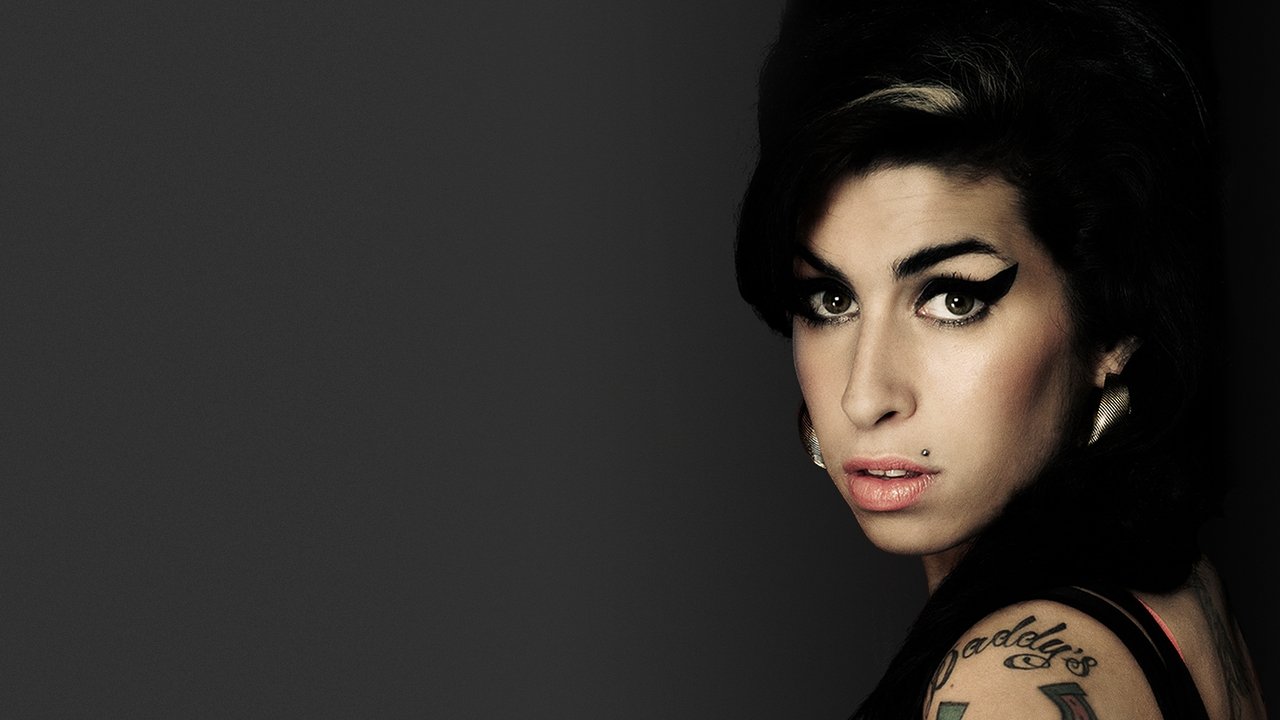
Then there are the villains—or at least, the people who failed her. The film is remarkably unsparing toward her father, Mitchell Winehouse, who famously brought a camera crew to visit his daughter while she was trying to recover in St. Lucia. Her dad comes off as a man who viewed his daughter’s career as a venture capital project rather than a human life. It’s a harsh take, perhaps, but the film presents the footage as evidence. In the era of the #MeToo movement and the recent cultural re-evaluation of how we treated women like Britney Spears, Amy feels incredibly prescient. It was one of the first major pieces of media to stop laughing at the "celebrity meltdown" and start asking who was holding the match.
The Ghost in the Machine
What makes Amy work on a cerebral level is its obsession with the lyrics. Asif Kapadia splashes Amy’s handwriting across the screen as she sings. It’s a simple trick, but it forces you to realize that she was telling us exactly what was happening in real-time. We weren't just listening to catchy soul throwbacks; we were listening to a suicide note set to a Motown beat.
The film handles the downward spiral—the drugs, the toxic relationship with Pete Doherty and Blake Fielder-Civil—without the usual "rock star" glamour. It’s ugly. It’s sweaty. It’s the sound of a girl who just wanted to go home but didn't know where home was anymore. By the time the film reaches its inevitable conclusion, the silence is deafening.
I’ve seen a lot of documentaries about musicians, but few manage to bridge the gap between "biography" and "existential critique" so seamlessly. It’s a film about the streaming era’s appetite for tragedy, released right as that appetite was becoming our primary diet. It reminds me that behind every "iconic" image—the beehive hair, the winged eyeliner—there was a girl who was fundamentally overwhelmed by the world.
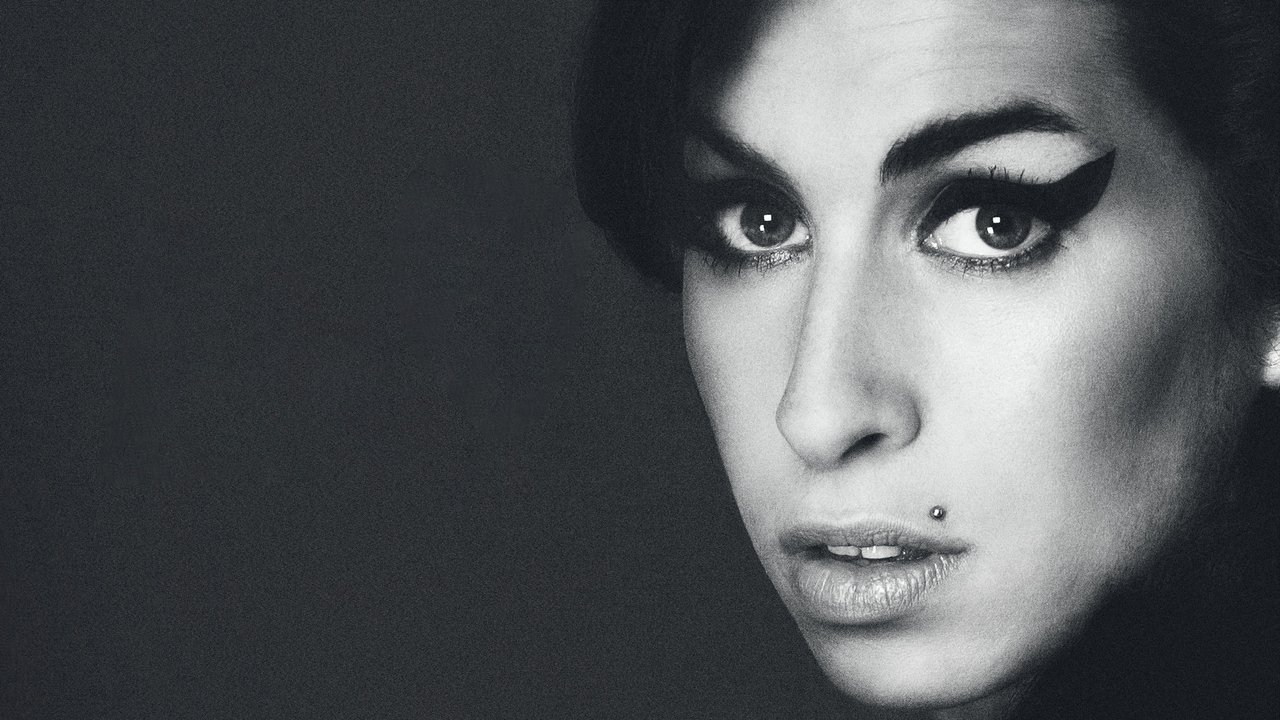
This is a monumental achievement in non-fiction storytelling that demands you look closer at the art you consume. It isn't an easy watch, and it shouldn't be. Asif Kapadia managed to take a story we all thought we knew from the headlines and turn it into a devastating mirror held up to our own faces. If you haven't revisited this since its 2015 release, do so—it’s only become more relevant as our culture of digital voyeurism has expanded. It’s a masterpiece that earns every tear it draws.
***
Stuff You Didn't Notice
Asif Kapadia and his team conducted over 100 interviews with friends, family, and collaborators to piece together the narrative, but decided early on to use only audio from these interviews to keep the focus entirely on Amy’s image. The "isolated vocal" tracks from the Back to Black sessions were used to emphasize the vulnerability of her voice, stripped of the lush production. * Despite the heavy criticism he received after the film's release, Mitchell Winehouse initially supported the project before seeing the final cut and publicly distancing himself from it.
Keep Exploring...
-
Senna
2010
-
Free Solo
2018
-
Clouds
2020
-
My Octopus Teacher
2020
-

One Direction: This Is Us
2013
-
Friends: The Reunion
2021
-

Judy
2019
-
Searching for Sugar Man
2012
-

Straight Outta Compton
2015
-
Descendants 3
2019
-
Feel the Beat
2020
-
I Still Believe
2020
-
Sound of Metal
2020
-
Work It
2020
-
A Street Cat Named Bob
2016
-
I, Daniel Blake
2016
-
God's Own Country
2017
-
Popstar: Never Stop Never Stopping
2016
-
Descendants 2
2017
-

Fyre
2019