Beasts of No Nation
"The jungle breathes, the boy bleeds, the war consumes."
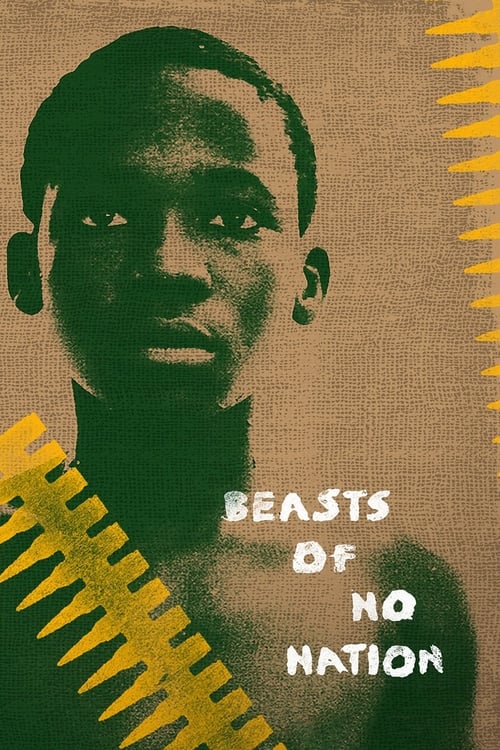
The last thing I remember from my childhood before the world turned into a fever dream of mud and muzzle flashes was a hollowed-out television set. In one of the most heartbreakingly clever scenes in Cary Joji Fukunaga’s Beasts of No Nation, a group of boys in an unnamed West African country "perform" a TV show inside a wooden frame for a group of bored soldiers. They call it "Imaginary TV." It’s the final gasp of play before the air is sucked out of the room, replaced by the metallic tang of blood and the heavy, humid silence of the bush.
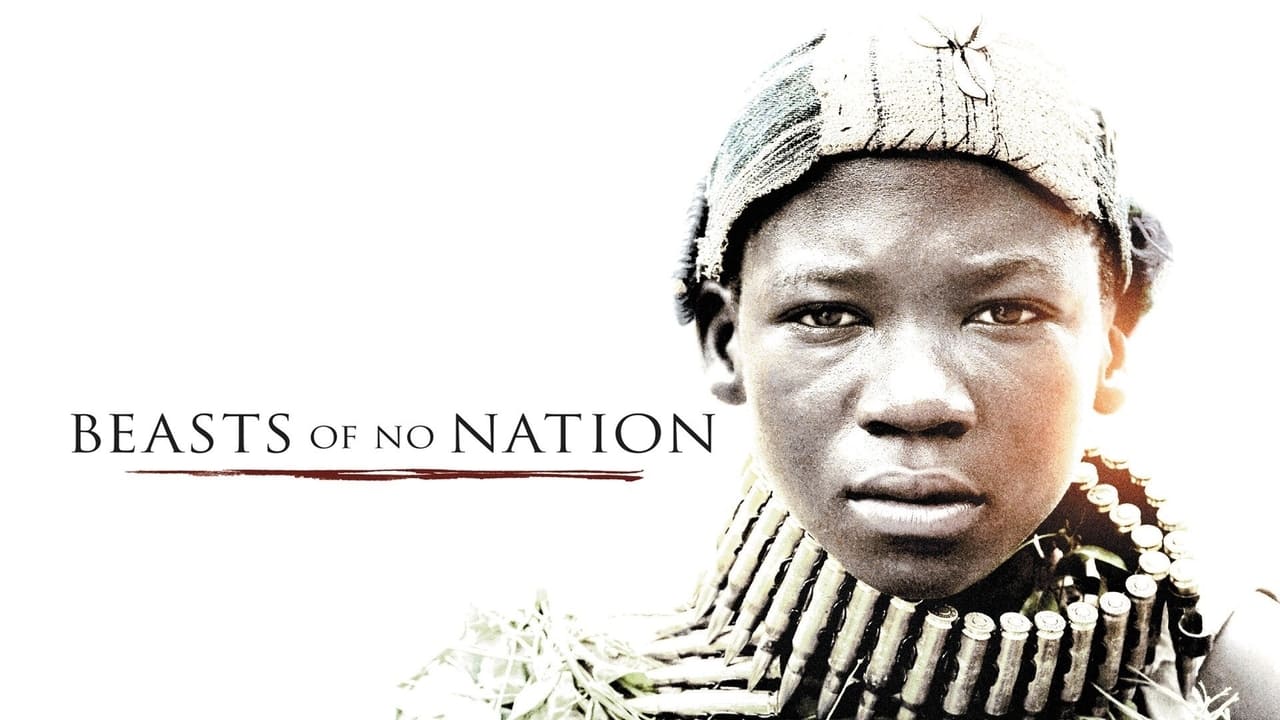
I first watched this in my old apartment during a particularly nasty November cold snap. My radiator was doing this rhythmic, metallic clanking that sounded uncannily like a distant machine gun, and honestly, it made the whole experience twice as unnerving.
The Netflix Pioneer That Got Left Behind
It’s strange to think of Beasts of No Nation as a "forgotten" film, but in the hyper-compressed timeline of the streaming era, it might as well be an ancient relic. Released in 2015, this was Netflix’s first real shot across the bow of the traditional studio system—their first big-budget, prestige "Original Movie." At the time, the industry was in a minor panic. Would people watch a harrowing war drama on their laptops? Could it win an Oscar without a massive theatrical run?
Ironically, the very platform that gave it life eventually buried it. The algorithm is a cruel mistress; once the awards buzz faded, the film drifted into the bottomless pit of the "Gritty Dramas" category, overshadowed by a thousand true crime docuseries and whatever Ryan Reynolds was doing that month. It’s a tragedy, because Netflix’s algorithm has the memory of a goldfish, and it effectively buried its first masterpiece under a mountain of mediocre content.
A Masterclass in Human Erasure
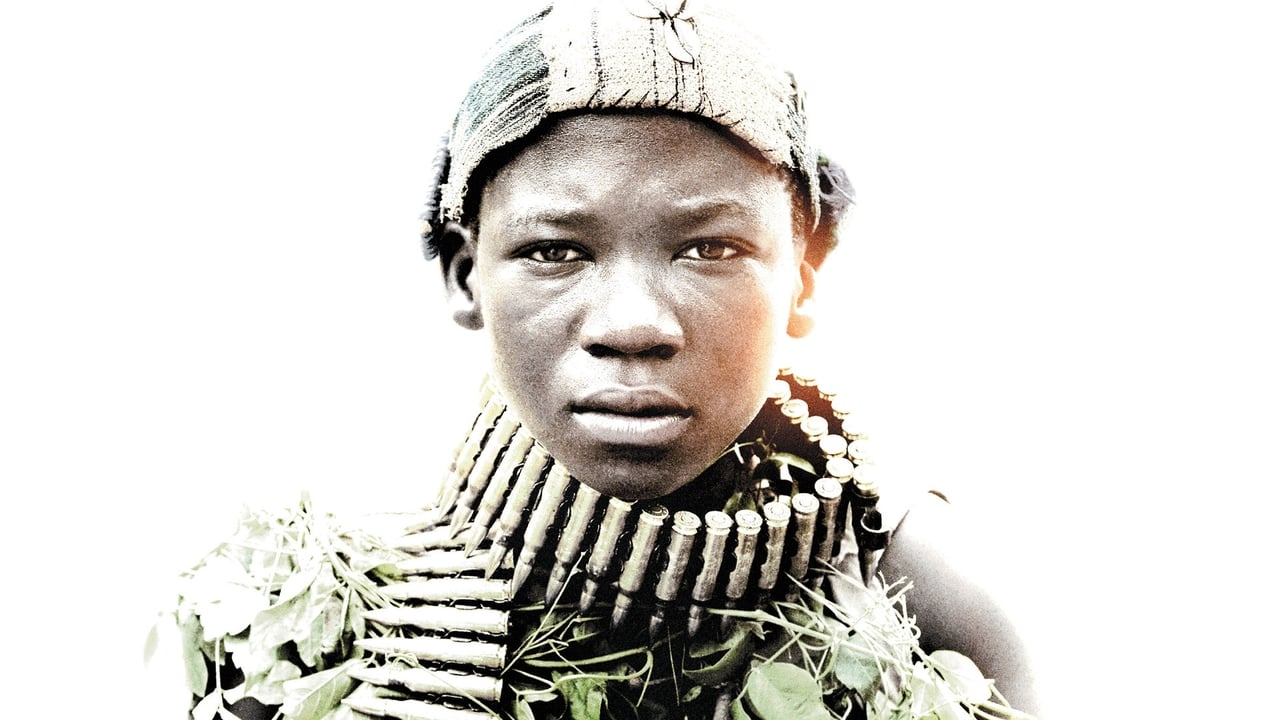
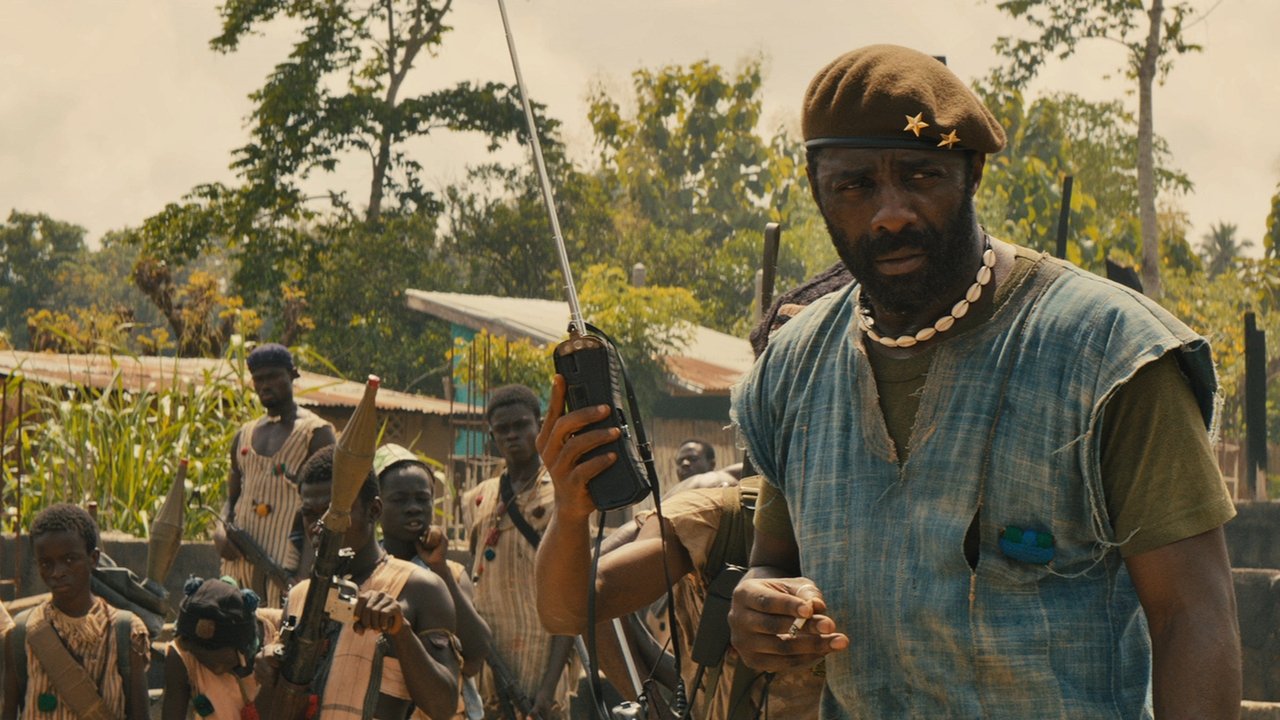
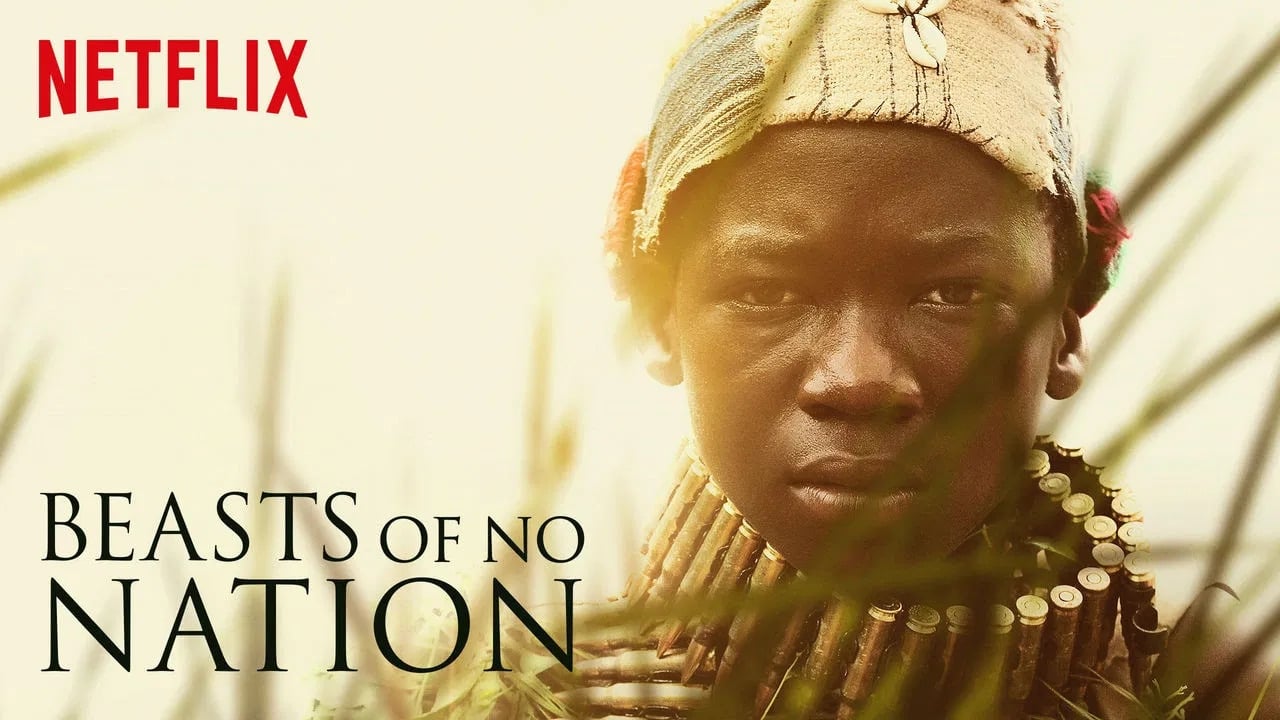
The film follows Agu, played by Abraham Attah in a performance that is genuinely difficult to watch because of how much he manages to convey with just his eyes. We watch Agu go from a cheeky kid to a "small soldier," a transition handled with a terrifying, slow-burn precision. This isn't a movie that relies on shock-value gore to make its point; it relies on the disintegration of a soul.
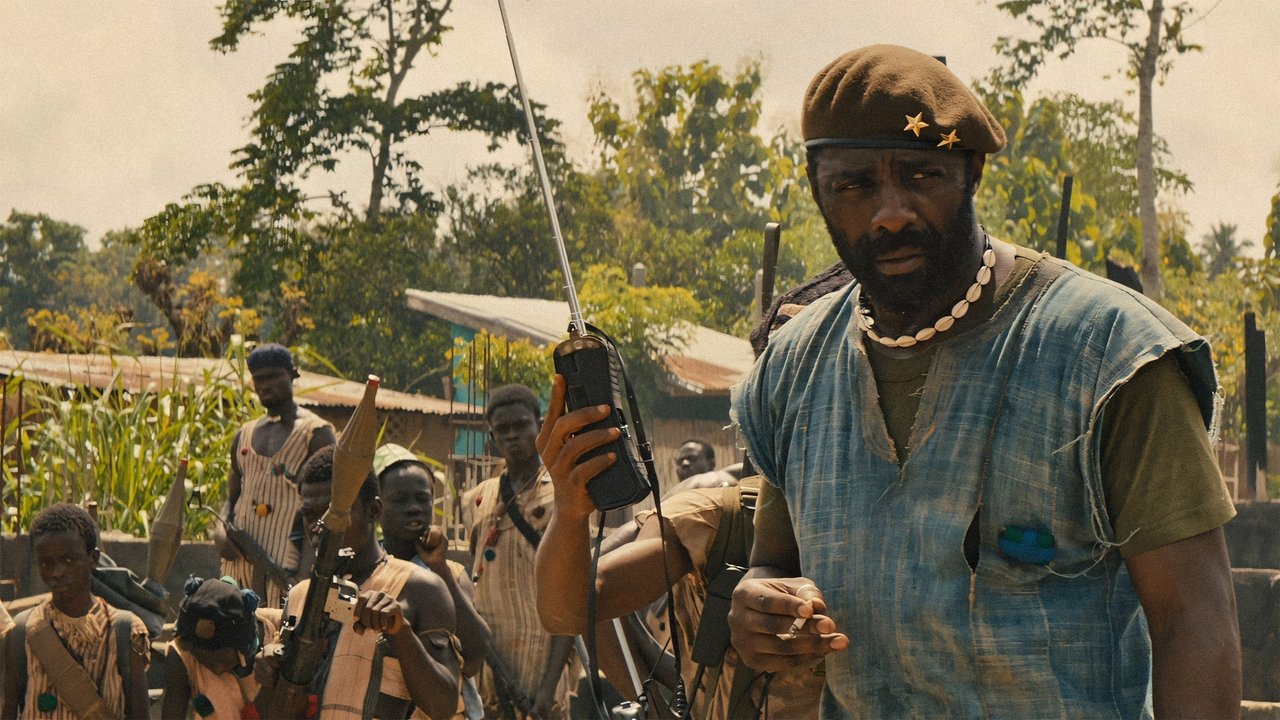
Then there’s Idris Elba as the Commandant. Look, we all love Elba when he’s being cool and charismatic (the man was born for a suit), but here he is something else entirely. He is a predator who thinks he’s a savior. He wraps these boys in a twisted version of fatherly love, using his booming voice and magnetic presence to turn them into weapons. It’s a performance that should have been a slam dunk for every award on the planet, but the "streaming vs. theatrical" politics of 2015 likely did him dirty. Watching him manipulate these kids is like watching a slow-motion car crash—you want to look away, but his screen presence is so gravitational you simply can’t.
The Beauty in the Brutality
Fukunaga didn't just direct and write this; he shot it too. Serving as his own cinematographer, he gives the jungle a psychedelic, oppressive beauty. There are moments where the camera drifts through the foliage, and the greens are so vibrant they look toxic. He uses a specific color palette that shifts as Agu’s psyche fractures—moving from the warm, earthy tones of his village to a sickly, desaturated gray as the war drags on.
There’s a sequence midway through where the soldiers raid a village, and the camera follows Agu through a series of rooms. It’s a long, unbroken take that feels like a descent into the underworld. It avoids the "cool" factor of a John Wick action scene; instead, it’s chaotic, clumsy, and deeply upsetting. You feel the weight of the rifle in Agu’s hands—it’s too big for him, too heavy, a piece of industrial machinery forced into the hands of a child.
The score by Dan Romer is another unsung hero. It’s not your typical orchestral war movie swell. It’s synth-heavy, buzzing, and atmospheric, sounding more like a nightmare than a call to arms. It perfectly mirrors the internal life of a boy who has seen too much and can no longer find his way back to the person he used to be.
Why You Need to Dig This Up
We talk a lot about "important" movies, usually as a way to describe things that are good for us but painful to sit through. Beasts of No Nation is definitely a tough sit, but it’s not homework. It’s a gripping, visceral experience that manages to be poetic even when it's being pulverizing.
It stands as a reminder of what the streaming era could have been: a way for uncompromising, singular visions to reach a global audience without being diluted by focus groups. It’s a film that asks us to look at the collateral damage of power struggles we usually only see in 30-second news clips. If you’ve spent the last hour scrolling through the Netflix homepage looking for something with actual weight, stop. Go back to 2015. Find Agu. It’s a journey that will leave you feeling a bit raw, but cinema is supposed to leave a mark.
This is a film that demands your full attention and rewards it with a profound, if painful, clarity. It’s a landmark of modern cinematography and a showcase for two of the best performances of the decade. Do yourself a favor and rescue this from the depths of the digital archive; some movies are meant to be remembered, not just streamed.
Keep Exploring...
-

The Zookeeper's Wife
2017
-
Eye in the Sky
2015
-

Land of Mine
2015
-

Suite Française
2015
-
The Siege of Jadotville
2016
-

A Bag of Marbles
2017
-
See You Up There
2017
-
Т-34
2018
-
The Breadwinner
2017
-
Jojo Rabbit
2019
-

The Outpost
2020
-
13 Hours: The Secret Soldiers of Benghazi
2016
-
Hacksaw Ridge
2016
-
Dunkirk
2017
-
War for the Planet of the Apes
2017
-
1917
2019
-

Detroit
2017
-

It
2017
-
Hotel Mumbai
2019
-
The Zone of Interest
2023