Bāhubali: The Beginning
"A mythic storm that redefined global cinematic scale."
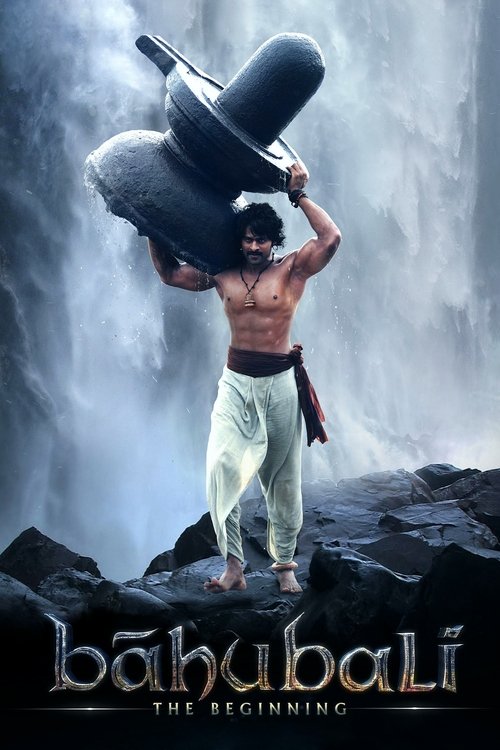
The first time I saw a man carry a literal stone monolith on his shoulder to satisfy his mother’s devotion, I realized my own gym routine was a pathetic lie. That is the magic of S.S. Rajamouli. He doesn’t just ask for your suspension of disbelief; he demands you take your logic, fold it into a paper airplane, and toss it into the abyss. Bāhubali: The Beginning landed in 2015 like a thunderclap, signaling to a global audience that Indian cinema wasn’t just about three-hour romances and synchronized dancing—it was about to reclaim the "Epic" from the clutches of a stagnating Hollywood.
The Audacity of Maximalism
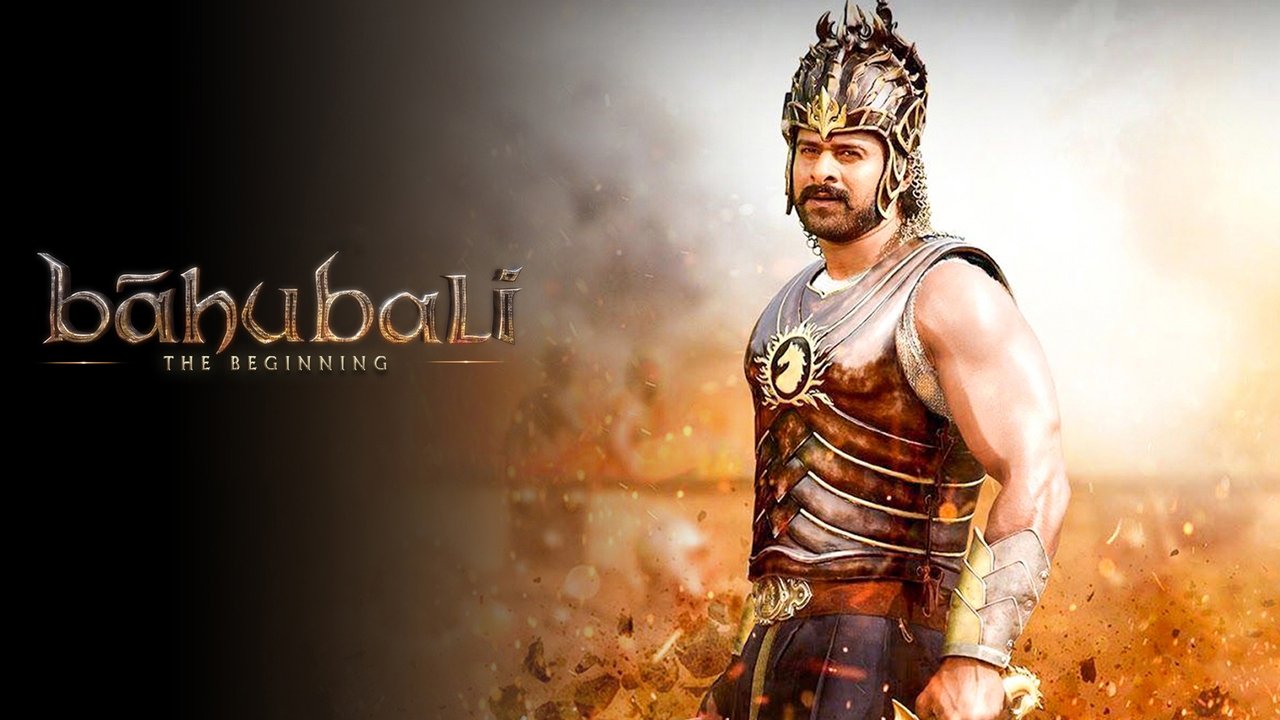
In our current era of franchise fatigue, where every superhero movie feels like it was assembled by a committee in a beige office, Bāhubali is a defiant explosion of color and earnestness. I watched this for the third time recently while my neighbor was aggressively leaf-blowing his driveway, and even that obnoxious drone couldn’t pull me away from the sheer scale of the Mahishmati kingdom. This isn’t just a movie; it’s a foundational myth told with the volume turned up to eleven.
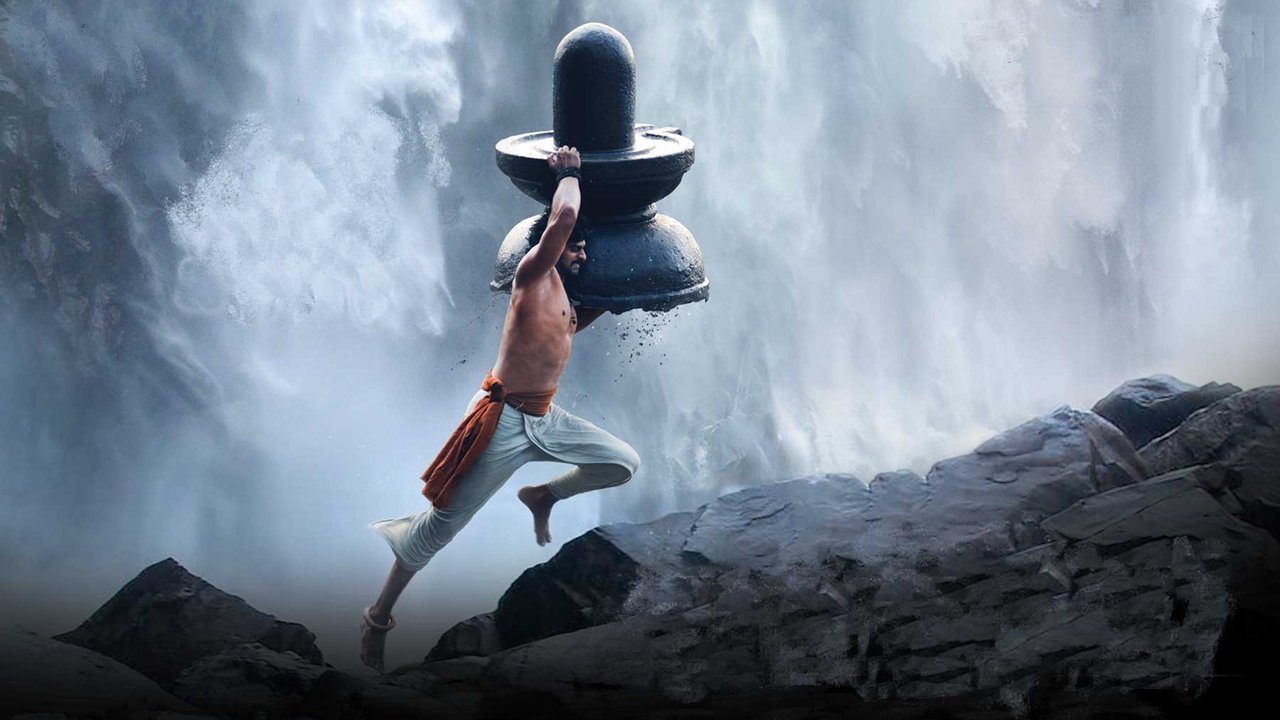
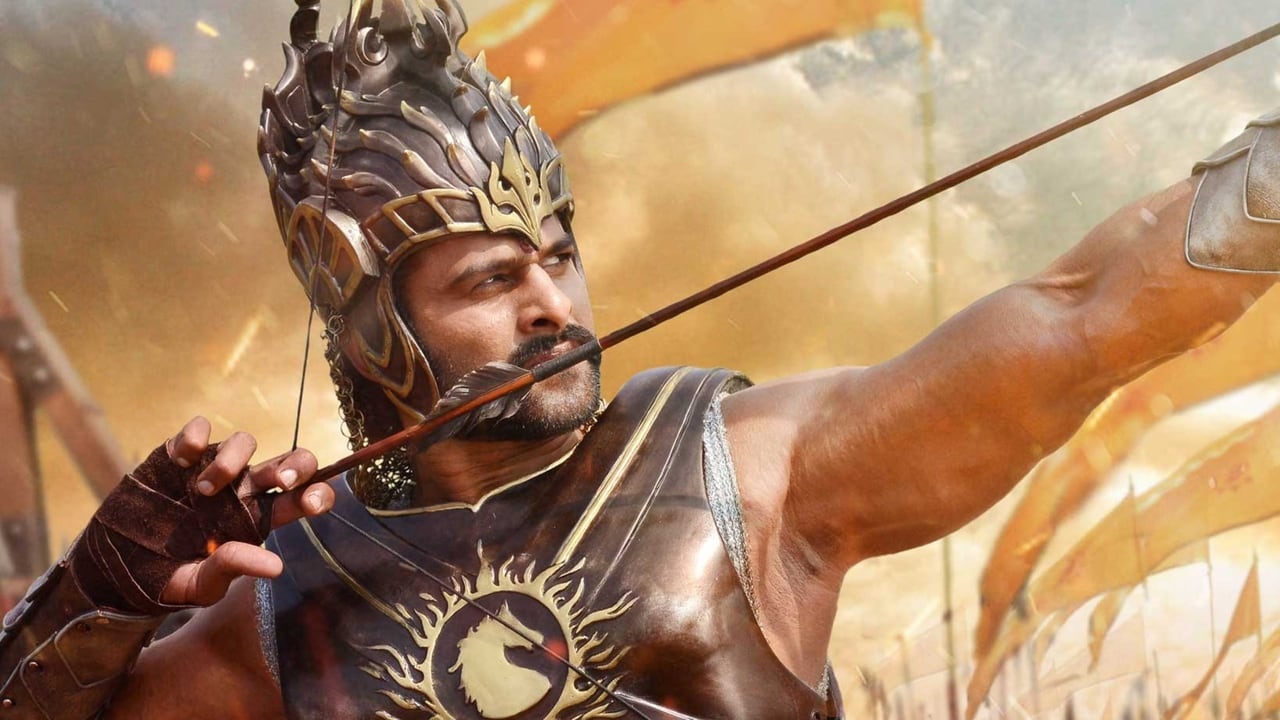
Prabhas, playing the dual roles of the titular hero and his son Shivudu, possesses a screen presence that feels less like an actor and more like a force of nature. When he’s climbing a thousand-foot waterfall to chase a dream (and Tamannaah Bhatia), you don’t question the physics. You question why other directors are so afraid to be this bold. Rajamouli understands that in the realm of the epic, "enough" is never enough. The action choreography isn't trying to be gritty or "realistic"—a word that has become a boring crutch for modern directors—it’s trying to be legendary.
Stunts, Statues, and CGI Sorcery
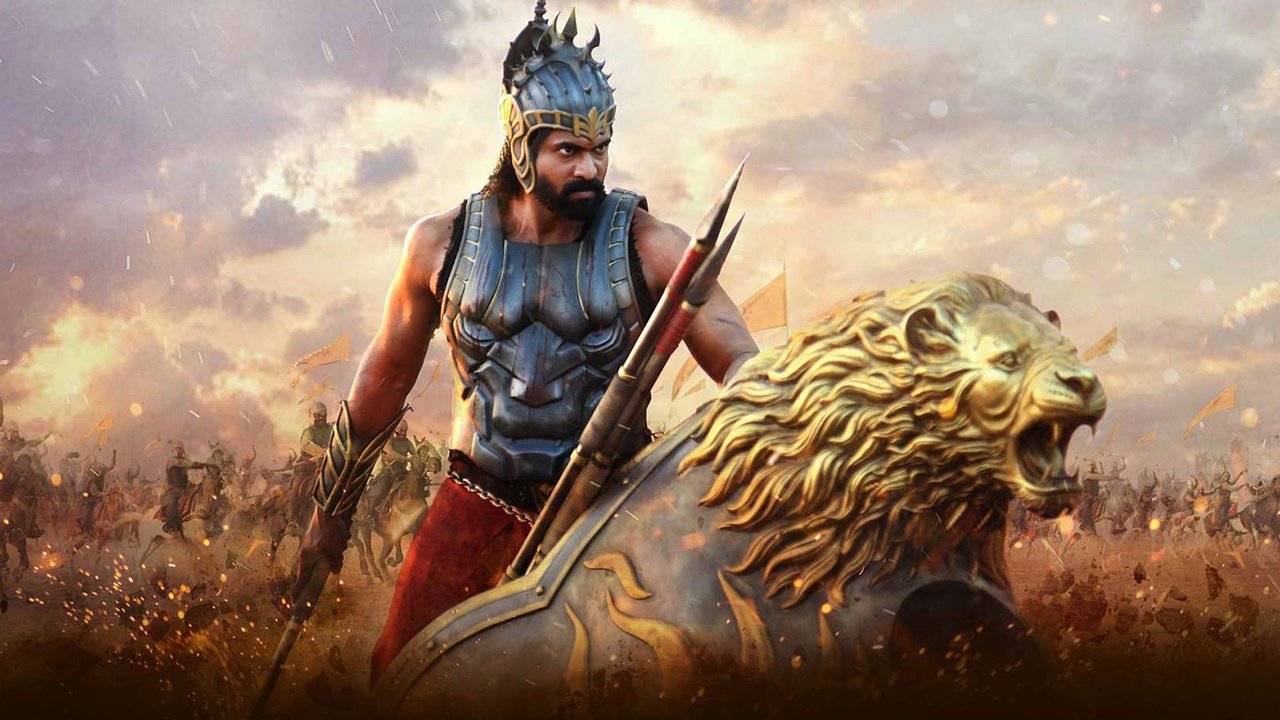
Let’s talk about the war. The final forty-five minutes of this film constitute one of the most inventive battle sequences put to film in the last twenty years. While K.K. Senthil Kumar’s cinematography captures the sweeping vistas, it’s the practical-meets-digital ingenuity that kills. We see "cloth missiles" soaked in oil and giant scythes attached to chariots. It’s glorious carnage that feels tactile, despite the heavy lifting from the VFX team at Arka Media Works.
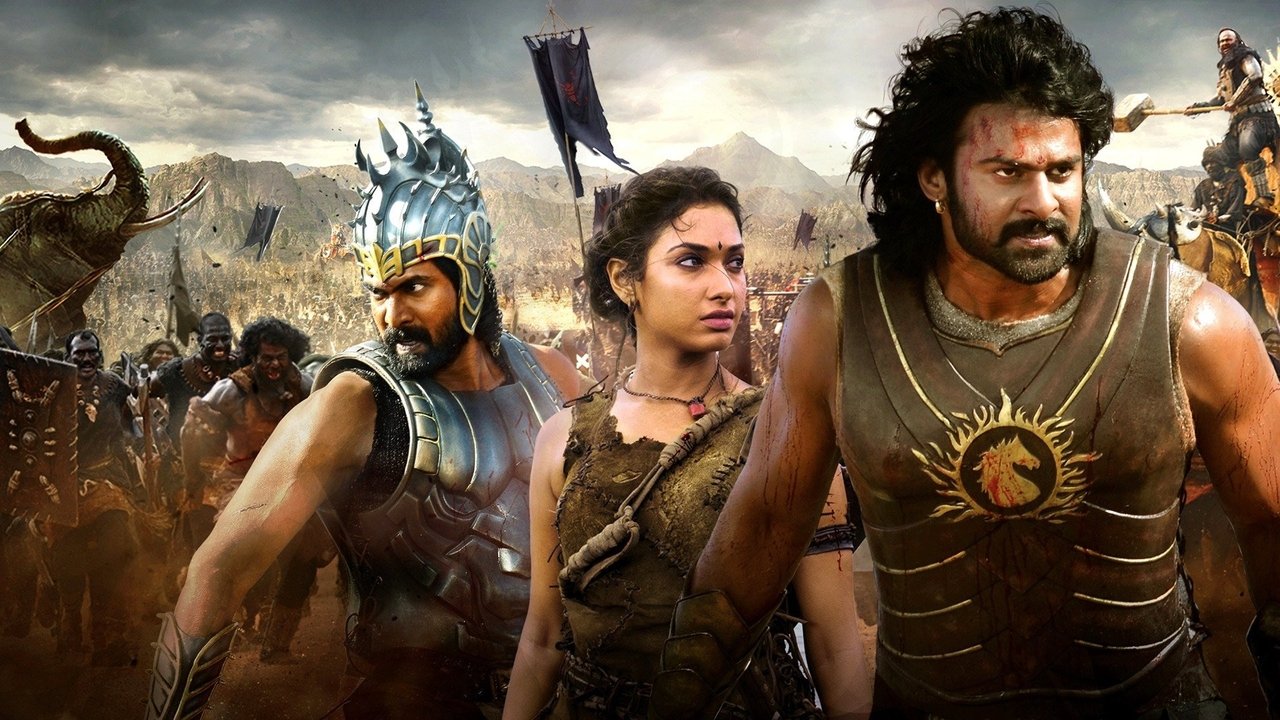
The budget was roughly $25 million—a pittance by Marvel standards—yet the screen feels twice as expensive as the latest $200 million Disney slog. Why? Because the design has a soul. Rana Daggubati as the villainous Bhallaladeva is a terrifying physical specimen, and his throne room feels like it was carved from history rather than rendered in a server farm. My personal hot take? Bhallaladeva’s golden statue looks like the Oscar’s steroid-abusing older brother, and I kind of want one for my backyard. It represents the film’s central philosophy: if you’re going to be a tyrant, be the most extra tyrant possible.
The Weight of the Crown
Beneath the flying shields and mountain-climbing, there’s a surprising amount of intellectual meat to chew on. Bāhubali functions as a modern interrogation of the Dharma—the duty one owes to family, kingdom, and self. The female characters aren't just background noise, either. Ramya Krishnan as Sivagami is the film’s true backbone, a woman whose word is literally the law, yet who struggles with the moral fallibility of her own House.
Even Anushka Shetty, though largely confined to chains in this first installment, carries a simmering, ancestral rage that grounds the high-flying fantasy in something human. It’s this blend of high-concept mythology and Shakespearean power dynamics that makes it more than just a "popcorn" flick. It asks: what defines a king? Is it the blood in his veins or the weight of the people he carries? In a 2015 landscape that was beginning to shift heavily toward streaming, this was a loud, proud argument for the theatrical experience. It’s a film meant to be shared with a crowd of people all gasping at the same time.
Stuff You Didn't Notice
One of the coolest details I found out later is that the production designed an entire functional language called "Kiliki" for the invading Kalakeya tribes. It’s not just gibberish; it has grammar and a vocabulary of about 3,000 words. That’s the level of obsession Rajamouli brings to the table. Also, Prabhas reportedly put off his own wedding for five years to stay in character and maintain the physical requirements for the role. That’s a level of commitment that makes my "commitment" to finishing a sourdough starter look like a casual whim.
The film does occasionally stumble into the tropes of its era—there’s a makeover sequence involving Tamannaah Bhatia’s warrior character that feels a bit dated and regressive—but the momentum is so fierce that you’re usually past the awkwardness before you can dwell on it. M.M. Keeravaani’s score is the secret weapon here, providing a rhythmic, operatic heartbeat that syncs up perfectly with the slow-motion power shots.
Ultimately, Bāhubali: The Beginning is a triumph of imagination over cynicism. It’s the kind of film that reminds me why I fell in love with cinema as a kid—the feeling that anything is possible if the camera stays on it long enough. It ends on perhaps the most agonizing cliffhanger in modern memory (if you haven't seen it, get ready to scream at your TV), but the journey up that waterfall is worth every second. It’s big, it’s loud, it’s thoughtful, and it is essential viewing for anyone who thinks they’ve seen everything the action genre has to offer.
Keep Exploring...
-
RRR
2022
-

A Taxi Driver
2017
-
The Boy and the Beast
2015
-

Italian Race
2016
-

Evangelion: 3.0+1.0 Thrice Upon a Time
2021
-
The Count of Monte Cristo
2024
-
The Wave
2015
-
Only the Brave
2017
-
Т-34
2018
-
Hotel Mumbai
2019
-

The Wandering Earth
2019
-
Invasion
2020
-

Riders of Justice
2020
-

The Outpost
2020
-
Ford v Ferrari
2019
-

A Street Cat Named Bob
2016
-
BPM (Beats per Minute)
2017
-

My Hero Academia: Two Heroes
2018
-
Batman vs. Robin
2015
-

Boyka: Undisputed IV
2016