Bone Tomahawk
"Chivalry meets the butcher’s block."
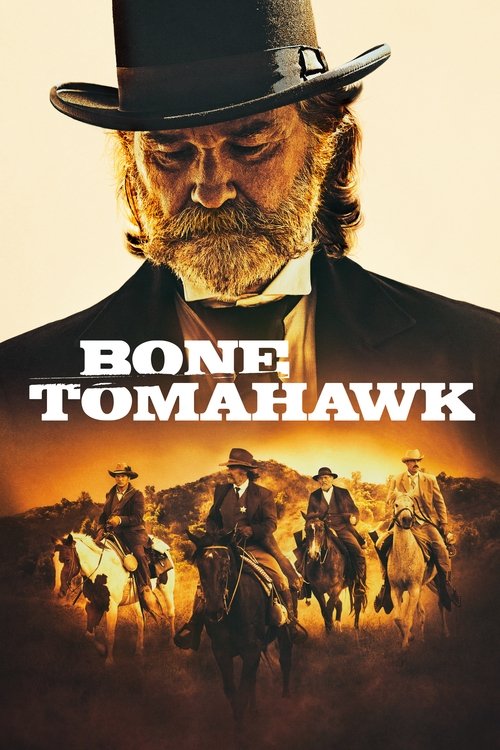
The Western was supposed to be a dead genre, or at the very least, a dusty relic we only trotted out when a major studio wanted to lose eighty million dollars on a prestige project. But in 2015, S. Craig Zahler walked into the saloon and flipped the table over. Bone Tomahawk didn’t just revive the Western; it grafted it onto a cannibalistic horror nightmare and asked us to watch the stitches bleed. I watched this on my laptop while a neighbor was aggressively power-washing their driveway, and the rhythmic drone actually synced up weirdly well with the film’s mounting dread.
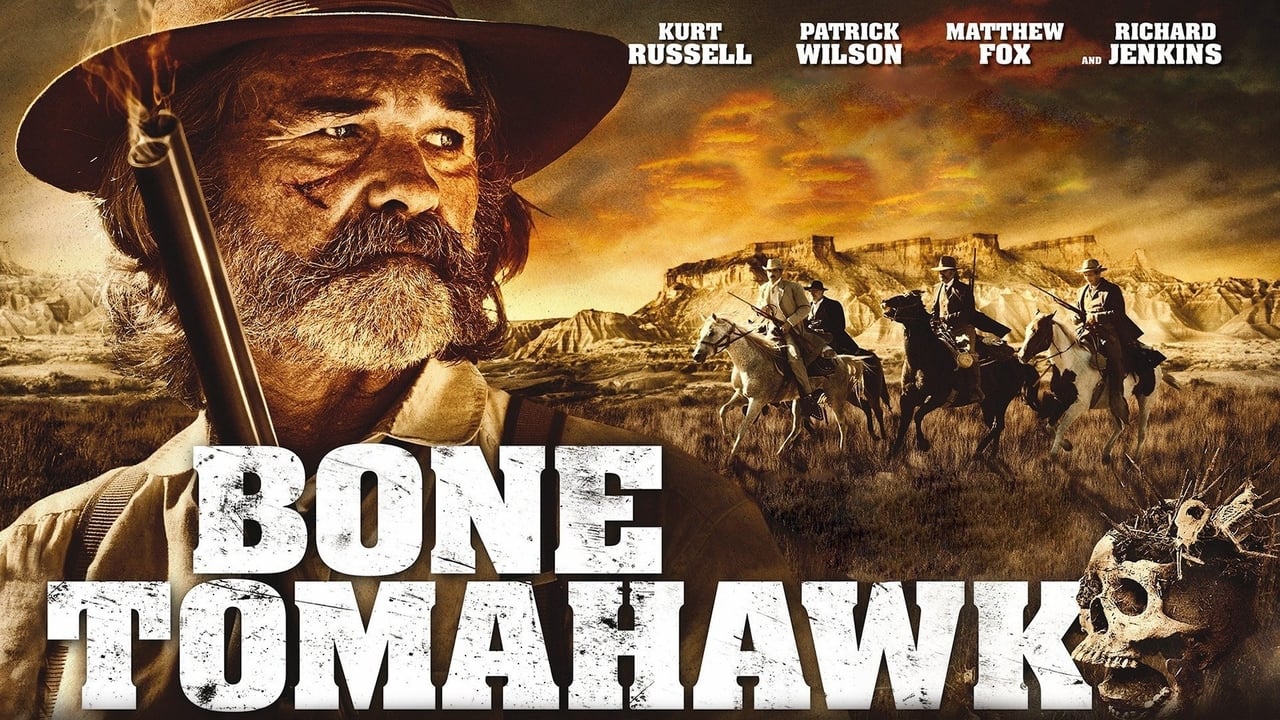
What’s most striking about this film in our current era of hyper-fast, TikTok-paced editing is its refusal to hurry. It’s a "men on a mission" story that prioritizes the "men" over the "mission" for a good eighty percent of its runtime. We’ve become so used to films that treat dialogue as a delivery mechanism for plot points, but Zahler—who also wrote the screenplay—treats it like music. It’s a slow-burn character study that just happens to end in a literal slaughterhouse.
The Long Walk into Hell
The setup is deceptively simple. A group of cave-dwelling "troglodytes" (don't call them Indians; even the local Native American professor in the film wants nothing to do with them) kidnaps a few townspeople, including the wife of a local foreman. A rescue party is formed, consisting of the town’s sheriff, his "backup deputy," the injured foreman, and a dandyish gunslinger.
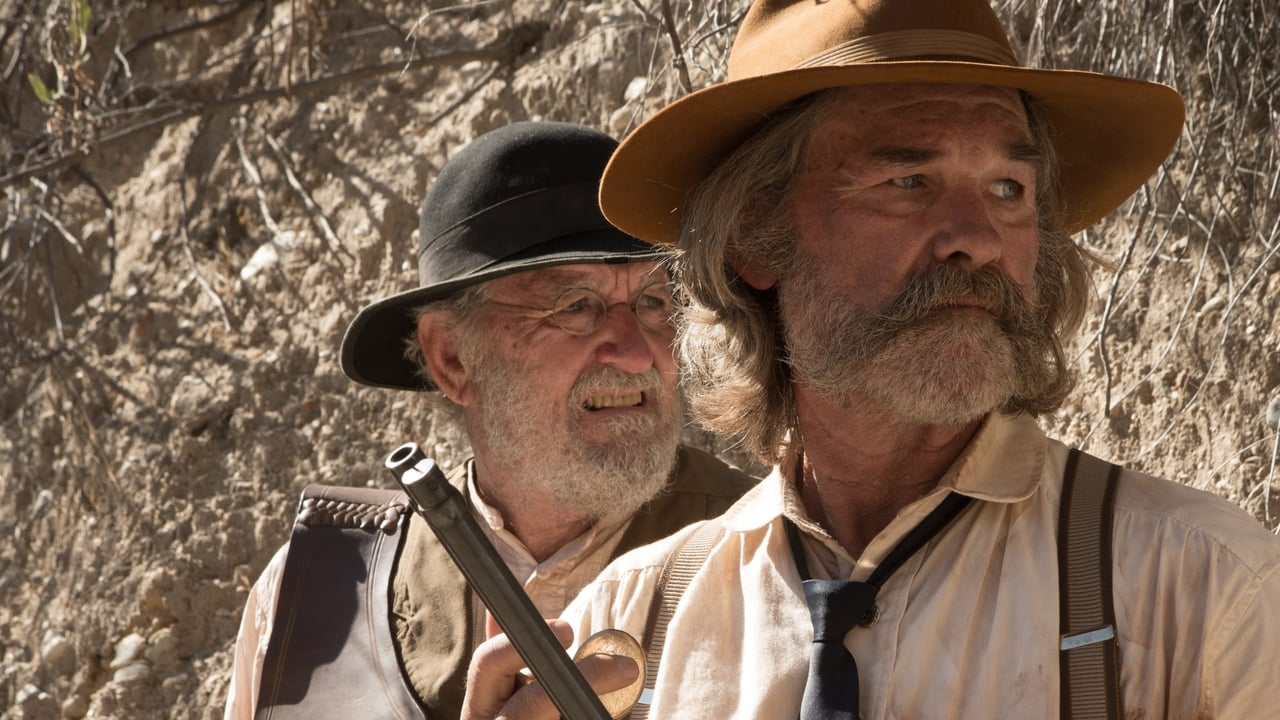
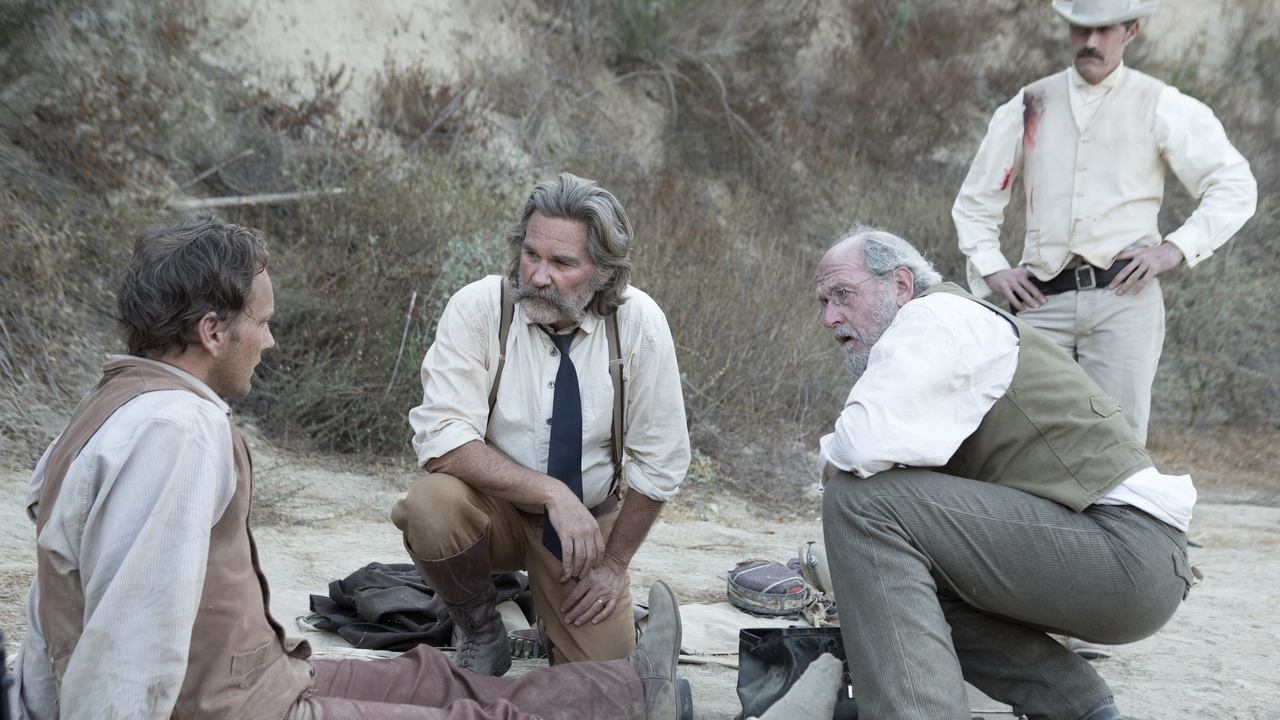
Kurt Russell plays Sheriff Franklin Hunt with a weary, granite-faced authority that feels like a natural evolution of his Wyatt Earp from Tombstone (1993). He’s the anchor, the man who does the job because someone has to. Beside him is Richard Jenkins as Chicory, the "backup deputy" who provides the film's beating heart. Jenkins is a revelation here; he’s essentially playing the "stuttering old sidekick" trope, but he imbues it with such genuine, rambling humanity that you find yourself leaning in every time he speaks about reading a book in the bathtub.
Then there’s Patrick Wilson as Arthur O'Dwyer, the foreman with a broken leg who literally crawls across the desert to find his wife, played by Lili Simmons. Wilson’s performance is a grueling physical feat—you can almost feel the grit in his open wounds. Rounding out the quartet is Matthew Fox as John Brooder. Matthew Fox is actually the most interesting thing in this movie until the screaming starts, playing a refined, arrogant Indian-killer who wears a white suit in the desert because he’s just that confident he won't get dirty.
Production Grit and Practical Nightmares
It is genuinely staggering to realize this film was made for $1.8 million and shot in just 21 days. In a modern landscape where mid-budget movies have been swallowed by $200 million streaming behemoths, Bone Tomahawk is a masterwork of "doing a lot with nothing." Most of it was filmed at the Paramount Ranch in California—a legendary set that has since tragically burned down—and the lack of a massive budget forced Zahler into a specific aesthetic.
There are no sweeping, sweeping drone shots or over-designed CGI vistas. Instead, we get long, static wide shots that make the characters look small and vulnerable against an uncaring landscape. It feels theatrical in the best way. When the horror finally arrives, it isn't a digital blur. It is foul, wet, and sickeningly tactile.
The "monsters" of the film are terrifying because of their silence and their sound design. They have bone whistles embedded in their throats, creating a high-pitched shriek that replaces a traditional score during the tensest moments. It’s a brilliant bit of low-budget ingenuity—creating a unique "creature" through practical makeup and disturbing audio rather than expensive pixels. By the time David Arquette shows up in the prologue as a nervous drifter, you already know things aren't going to end well, but nothing prepares you for the sheer brutality of the third act.

A Modern Cult Standout
We live in a time of "elevated horror," where every scary movie is expected to be a metaphor for grief or generational trauma. Bone Tomahawk doesn't bother with that. It’s a film about duty, endurance, and the terrifying reality that there are things in the dark corners of the world that don’t care about your moral code. It’s a Western that respects the genre’s history while gleefully dragging it into a meat grinder.
The film's legacy has only grown since its quiet release. It’s the kind of movie you recommend to friends just to watch their faces during that scene—you’ll know it when you see it, and you’ll likely never forget it. Apparently, Kurt Russell was actually growing out his legendary facial hair for The Hateful Eight (2015) while filming this, which gave the production a "big budget" look for free. It’s a perfect example of how independent cinema thrives on happy accidents and uncompromising vision.
Bone Tomahawk is a rare beast that succeeds as both a talky, philosophical Western and a harrowing survival horror. It’s a film that demands your patience and then rewards it by snatching the breath from your lungs. If you have the stomach for it, it’s one of the most distinctive cinematic experiences of the last decade. Just maybe skip the beef jerky while you’re watching.
Keep Exploring...
-
The Witch
2016
-
Run
2020
-
Slow West
2015
-
Raw
2016
-
Brawl in Cell Block 99
2017
-
One Cut of the Dead
2017
-
Climax
2018
-
Summer of 84
2018
-
Sputnik
2020
-
Speak No Evil
2022
-
Dragged Across Concrete
2019
-
The Hateful Eight
2015
-
The Revenant
2015
-
10 Cloverfield Lane
2016
-
Before I Wake
2016
-
Hell or High Water
2016
-
The Shallows
2016
-
Hostiles
2017
-
It
2017
-

mother!
2017