Boruto: Naruto the Movie
"The son rises while the father works overtime."
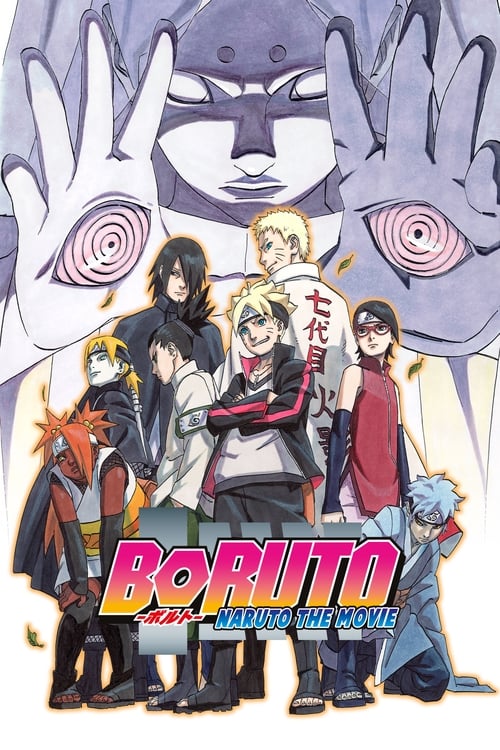
I vividly remember sitting in a cramped theater in 2015, nursing a lukewarm Diet Coke and a spicy tuna roll that I’d smuggled in against my better judgment (and the theater’s clear policy). As the lights dimmed, there was a palpable sense of anxiety in the air. We had just finished a fifteen-year journey with Naruto, a series that defined a generation of anime fans. Could a sequel about his bratty kid actually work, or were we just witnessing the beginning of the "franchise fatigue" that was starting to plague Hollywood around the same time?
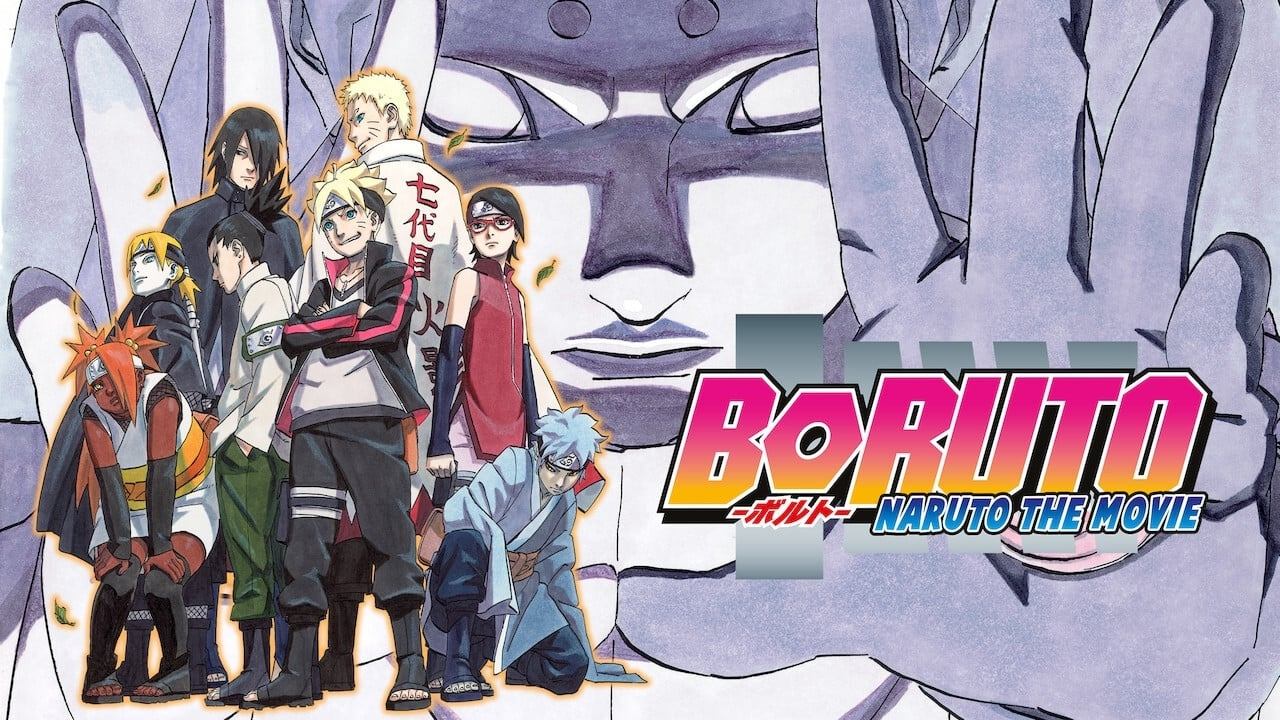
As it turns out, Boruto: Naruto the Movie wasn’t just a cash grab; it was a surprisingly poignant look at what happens after the "happily ever after" of a hero’s journey. In an era dominated by legacy sequels like Star Wars: The Force Awakens and Creed, this film managed to carve out its own path by focusing on the most relatable conflict imaginable: a kid who just wants his dad to show up to his birthday party.
The Hokage’s Mid-Life Crisis
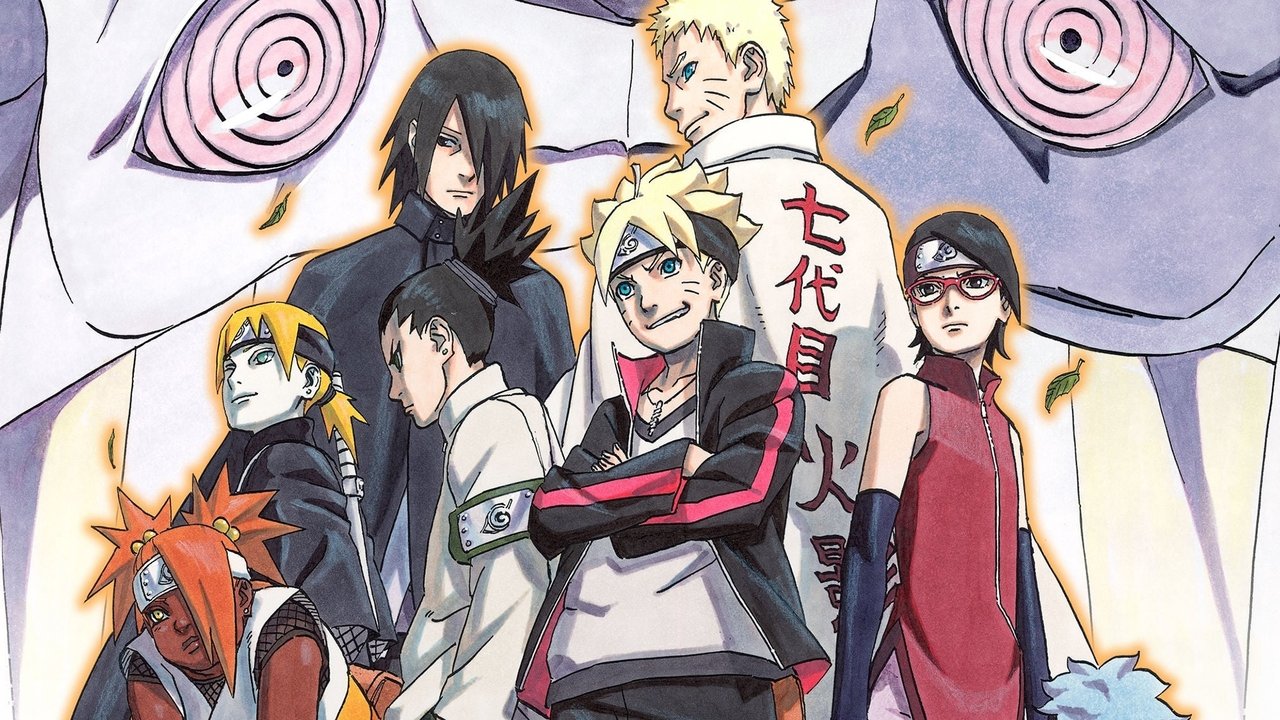
The film introduces us to a world that has moved on. The hidden villages have been modernized with skyscrapers, laptops, and handheld gaming consoles. It’s a stark contrast to the gritty, war-torn landscape of the original series. At the center of it is Yuko Sanpei as Boruto Uzumaki. Unlike his father, who grew up with nothing and had to scream for attention, Boruto has everything—except a father who isn't buried under a mountain of paperwork.
Junko Takeuchi returns as Naruto, and her performance here is fascinating. He’s no longer the hyperactive ninja; he’s an exhausted bureaucrat who’s clearly terrible at work-life balance. Seeing the savior of the world use shadow clones just to run errands around town is both hilarious and slightly depressing. The film captures that specific contemporary feeling of "hustle culture" hitting a fantasy world. My favorite dynamic, however, is between Boruto and Noriaki Sugiyama’s Sasuke Uchiha. Sasuke has transitioned into the "cool uncle" role, and seeing him mentor Naruto’s son while Naruto looks on with a mix of jealousy and exhaustion is top-tier character drama.
Animation That Earns Every Penny
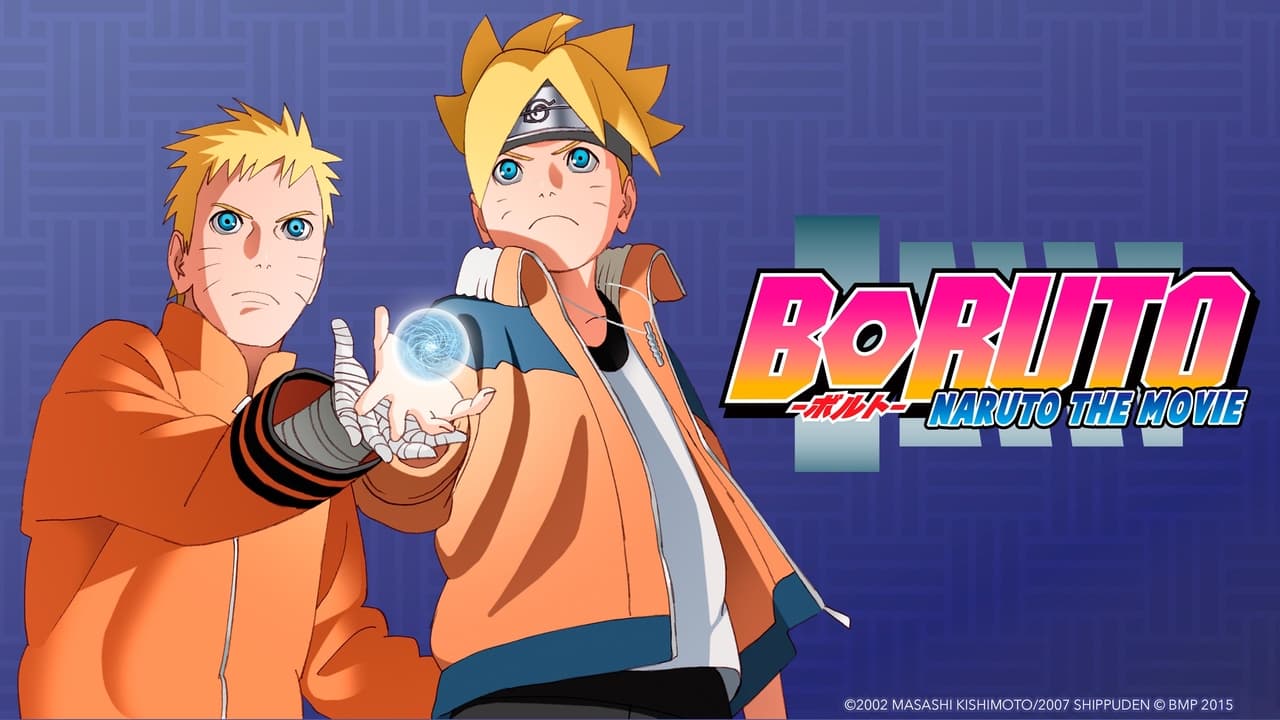
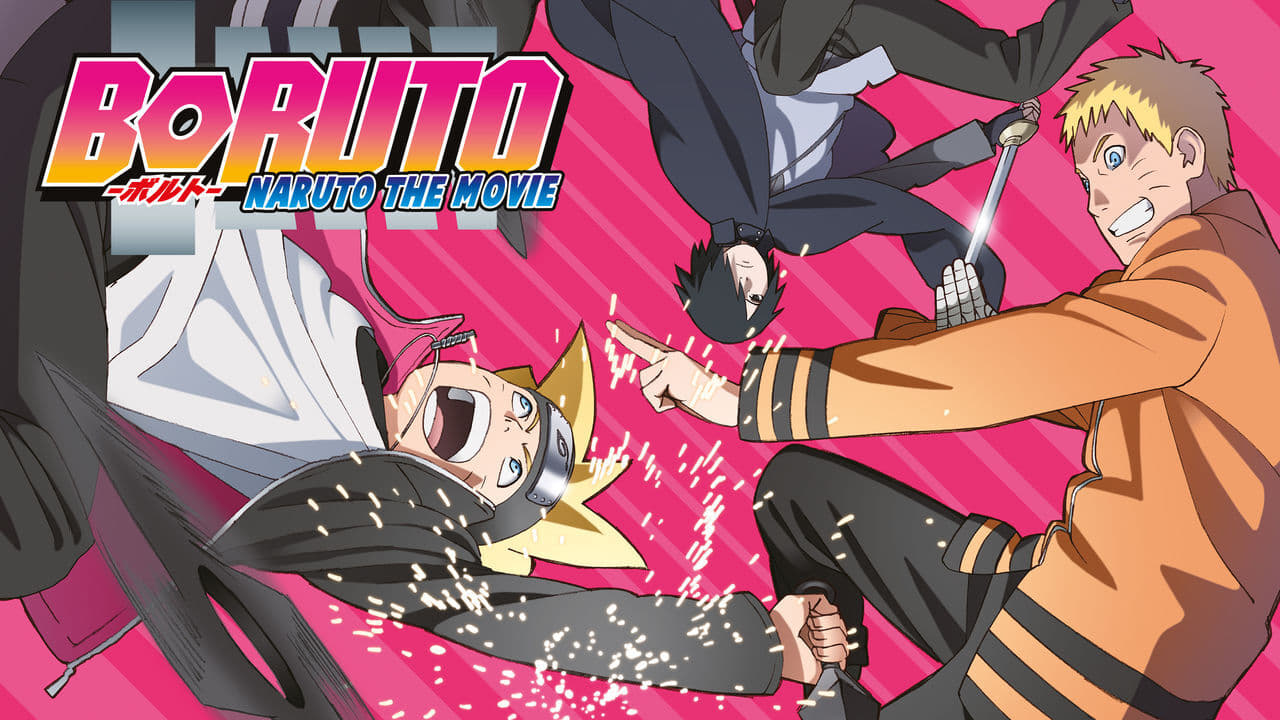
If you’re here for the action—and let’s be honest, we all are—this movie is a total feast. Directed by Hiroyuki Yamashita, who worked on some of the most iconic fights in the Naruto: Shippuden series, the film benefits from a theatrical budget that the weekly TV show could only dream of. The hand-to-hand choreography is fluid, inventive, and lacks the "talking head" filler that often drags down shonen anime.
The climax, involving a showdown between the classic duo of Naruto and Sasuke against the villainous Momoshiki (voiced with chilling arrogance by Daisuke Namikawa), is legendary. There’s a sequence where the camera revolves around a combined elemental attack that honestly made me drop my smuggled sushi. It’s a reminder of what high-end 2D animation can do when it’s given the space to breathe. The final battle is essentially a high-budget apology for every poorly drawn frame in the original TV series.
The sound design by Yasuharu Takanashi (who also scored Fairy Tail) deserves a mention too. He blends traditional Japanese instruments with modern rock and orchestral swells in a way that feels both nostalgic and fresh. When that classic theme kicks in during a pivotal moment, I challenge any long-term fan not to feel a slight lump in their throat.
The "Lost" Masterpiece of the New Gen
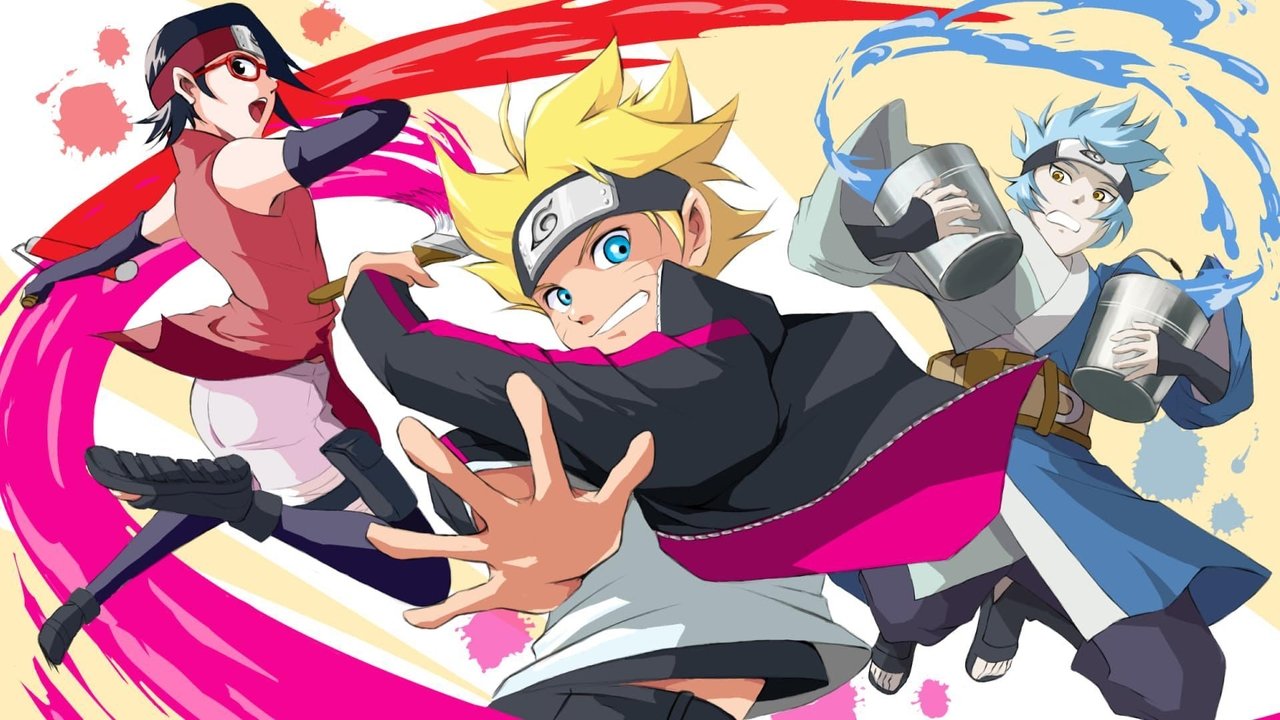
Here’s the weird thing about Boruto: Naruto the Movie: it’s almost become a "forgotten" artifact. Shortly after the movie’s success, a full Boruto TV series was greenlit, which proceeded to retell the entire plot of this movie over several months (and about twenty episodes). Because of that, many newer fans skip the film entirely, opting for the serialized version.
That’s a mistake. The movie is the "pure" version of this story. Written by Masashi Kishimoto himself, it has a tightness and a visual polish that the TV remake couldn't hope to match. It captures a specific moment in 2015 when the Naruto franchise was transitioning from a finished legend into a living, breathing universe. It tackles the idea of "shortcuts" in life—represented by a scientific ninja tool that allows users to cheat their way through exams—which feels incredibly prescient in our current era of AI and instant gratification.
Naruto being a legitimately mediocre father is the most realistic and daring creative choice the franchise ever made. It grounds the fantasy in something real. We spent hundreds of episodes watching him learn how to save the world, but this movie shows us that he never actually learned how to be a dad. That's a much more interesting conflict than any glowing energy ball or interdimensional god.
This is a quintessential legacy sequel done right. It honors the past while having the guts to let its new protagonist be a bit of a jerk until he earns his stripes. Whether you're a die-hard ninja enthusiast or someone who hasn't thought about "Believe it!" since the mid-2000s, this film is a blast. It’s short, punchy, and visually spectacular. Just do yourself a favor: skip the theater-smuggled sushi and stick to the popcorn. My shirt still hasn't recovered from that tuna stain, and frankly, neither has my dignity.
Keep Exploring...
-
Road to Ninja: Naruto the Movie
2012
-
Justice League vs. Teen Titans
2016
-
Nimona
2023
-

Naruto Shippuden the Movie
2007
-
The Last: Naruto the Movie
2014
-
Olaf's Frozen Adventure
2017
-
The Lego Ninjago Movie
2017
-
Red Shoes and the Seven Dwarfs
2019
-
Kung Fu Panda 4
2024
-
Luck
2022
-
The Boy and the Beast
2015
-
My Hero Academia: Two Heroes
2018
-
The Seven Deadly Sins: Prisoners of the Sky
2018
-
My Hero Academia: Heroes Rising
2019
-
Kung Fu Panda 3
2016
-

Trolls
2016
-
Despicable Me 3
2017
-
Jumanji: Welcome to the Jungle
2017
-
Frozen II
2019
-

Klaus
2019