Brooklyn
"Home is a place you have to choose."
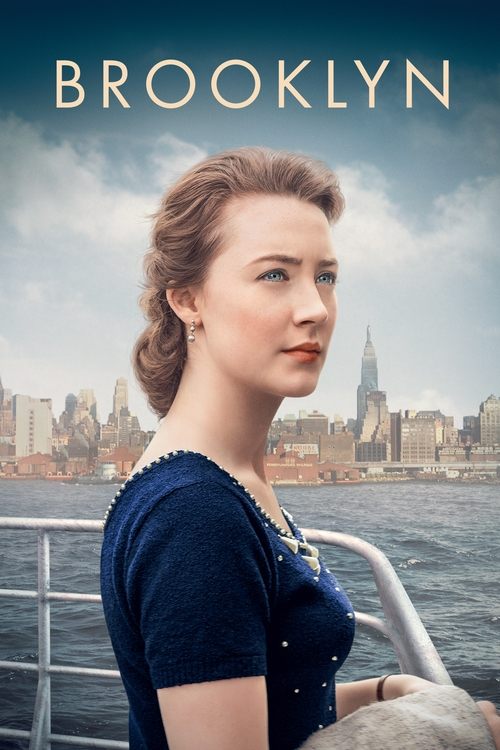
The first thing that hits you about Brooklyn isn't the sweeping vistas of the Atlantic or the bustling streets of New York; it’s the terrifying, suffocating stillness of a small Irish town. When we first meet Eilis Lacey, she’s practically a ghost in her own life, working a dead-end job for a miserable shopkeeper who rations out kindness like it’s a wartime commodity. It’s a quiet opening for a film that eventually feels as big as the ocean, and it’s the kind of storytelling I deeply miss in our current era of "everything-all-at-once" cinema.
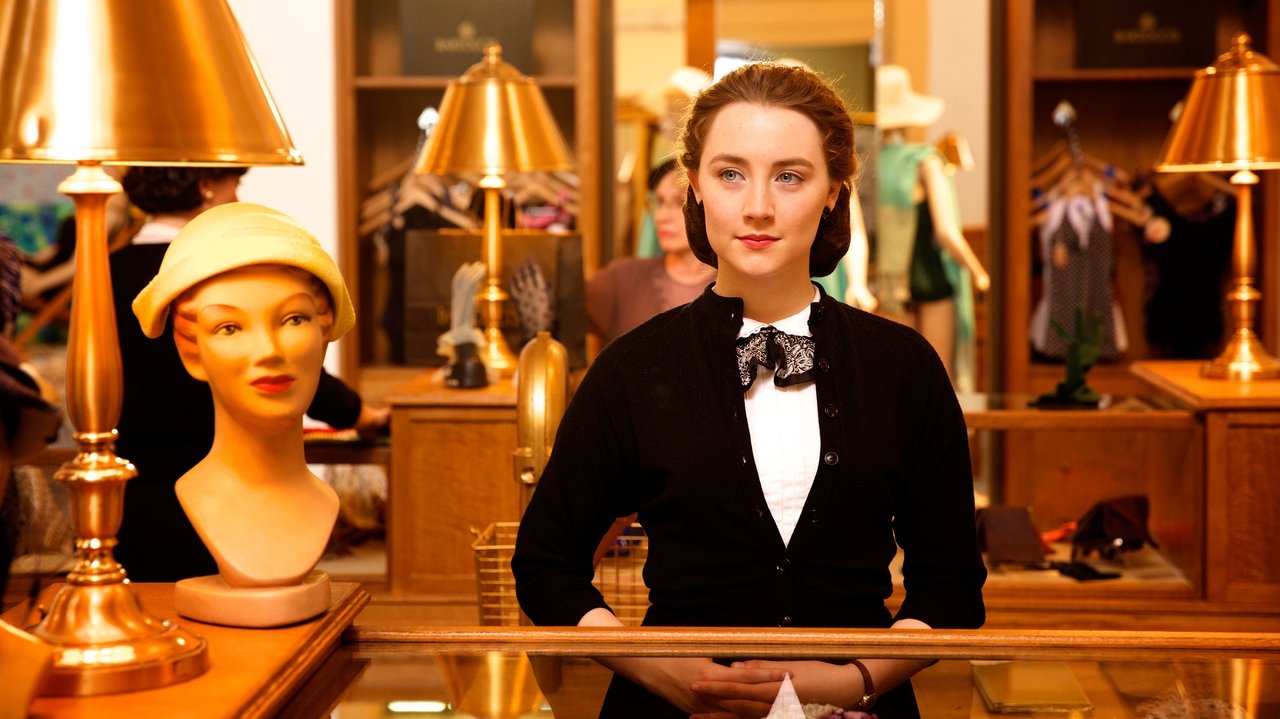
I actually watched this for the third time while recovering from a mild case of food poisoning—specifically from a questionable street taco—and there is something about the gentle, rhythmic pacing of this film that acts like a medicinal balm. It’s a "comfort movie" in the truest sense, even when it’s breaking your heart.
The Radical Act of Being Sincere
In our current cinematic landscape, dominated by snarky meta-commentary and multi-billion-dollar franchise fatigue, John Crowley (who also directed the underrated Boy A) did something almost rebellious in 2015: he made a movie that is completely, unironically sincere. Adapted by Nick Hornby (the mind behind High Fidelity and About a Boy) from Colm Tóibín’s novel, the script treats the internal life of a young woman as a high-stakes epic.
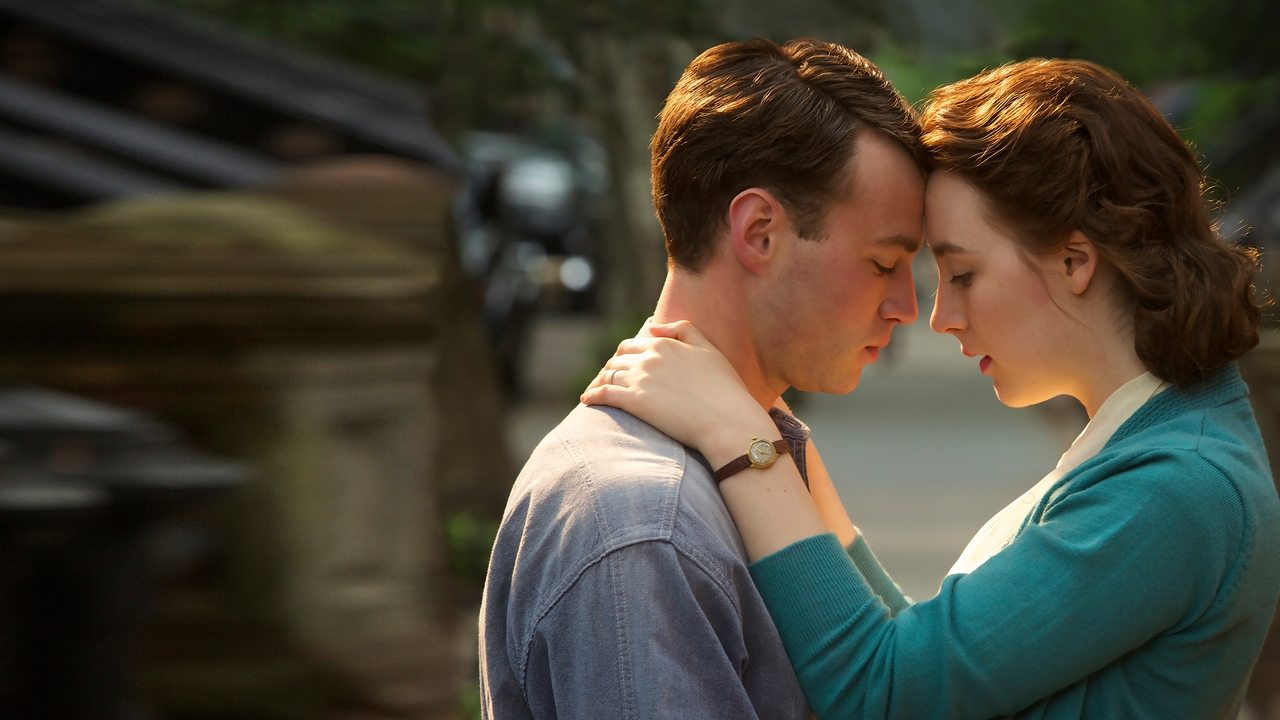
Saoirse Ronan is the gravity that holds this entire world together. We’ve seen her grow up on screen, from the icy child in Atonement to the rebellious teen in Lady Bird, but her performance here is her most soulful. She has this incredible ability to let us see her thoughts before she speaks them. When she arrives in Brooklyn, she looks like she’s physically drowning in homesickness. It’s a heavy, leaden grief that anyone who has ever moved away from their parents’ house will recognize instantly.
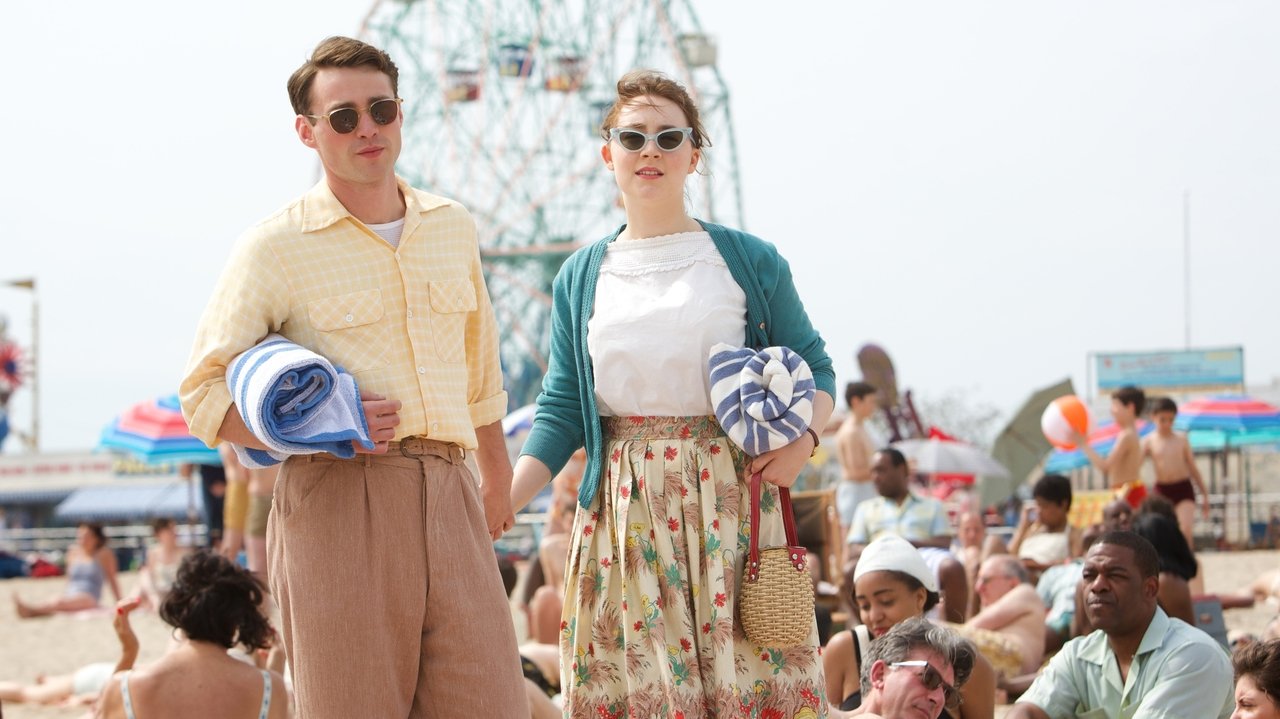
But then, the movie shifts. It stops being a tragedy about loss and becomes a vibrant, Technicolor discovery of self. The way the color palette transitions from the muted, rainy grays of Ireland to the popping yellows and blues of 1950s New York (shoutout to cinematographer Yves Bélanger) is subtle but incredibly effective. It’s like watching a flower bloom in fast-forward.
A Masterclass in Romantic Stakes
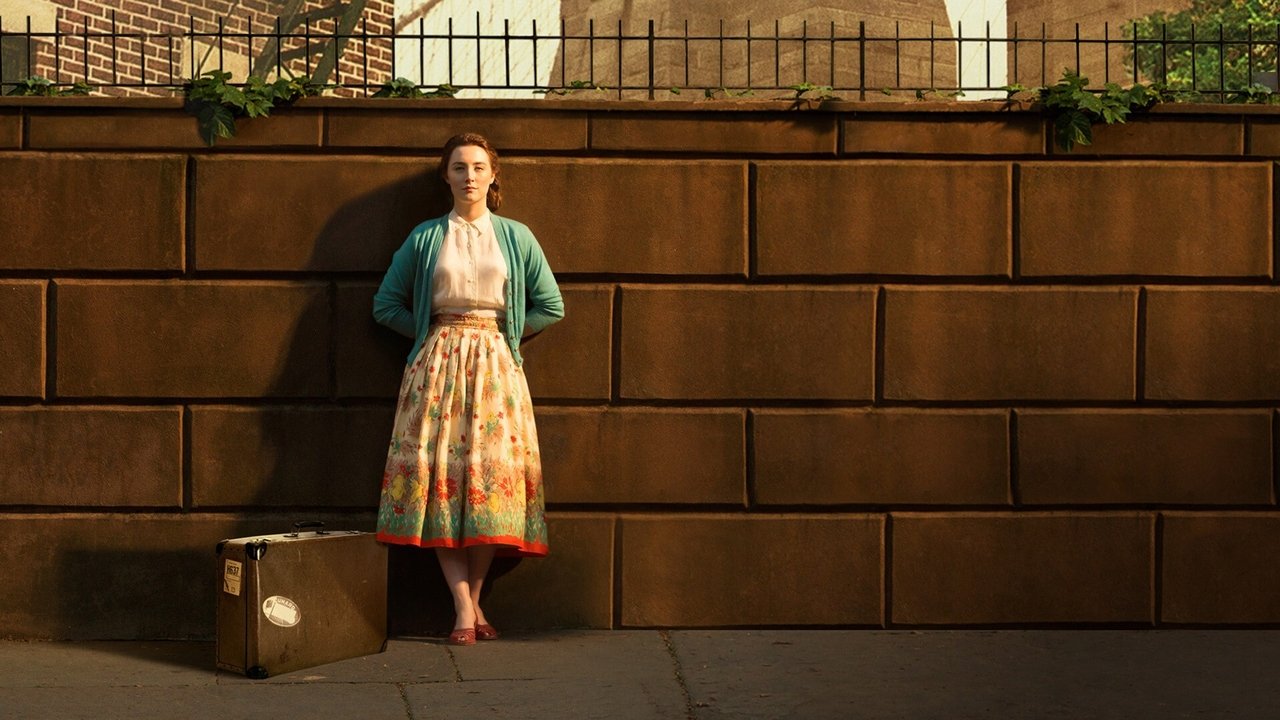
The "love triangle" is a trope that usually makes me roll my eyes into the back of my skull, but Brooklyn manages to make it feel genuine and agonizing. On one side, you have Tony Fiorello, played by Emory Cohen with a performance that I am convinced was distilled from pure, uncut 1950s charm. He’s an Italian-American plumber who treats Eilis like she’s the only person in the world, and their chemistry is so palpable it practically glows.
On the other side, back in Ireland, is Jim Farrell, played by Domhnall Gleeson (who you’ll recognize from Ex Machina and the Star Wars sequels). Jim isn't a villain; he’s a lovely, stable, "good on paper" man who represents a life that is safe and familiar. The conflict isn't about which man is better—it’s about which version of herself Eilis wants to be. Does she want the comfort of her past or the uncertainty of her future?
The supporting cast is just as sharp. Julie Walters as the sharp-tongued boarding house matriarch Madge Kehoe provides the perfect amount of comedic friction, and Jim Broadbent—as the priest who sponsors Eilis’s move—brings a warmth that prevents the film from feeling too cynical about the church’s role in Irish life. Even Jessica Paré (of Mad Men fame) shows up as a glamorous department store supervisor, adding another layer to Eilis’s transformation.
Why This "New Classic" Sticks
While Brooklyn was a hit upon release, it has since morphed into a genuine cult favorite for the "homesick" generation. It’s the movie people recommend when a friend moves across the country or starts a new life. It’s become a staple of Irish-American identity, but its appeal is far more universal.
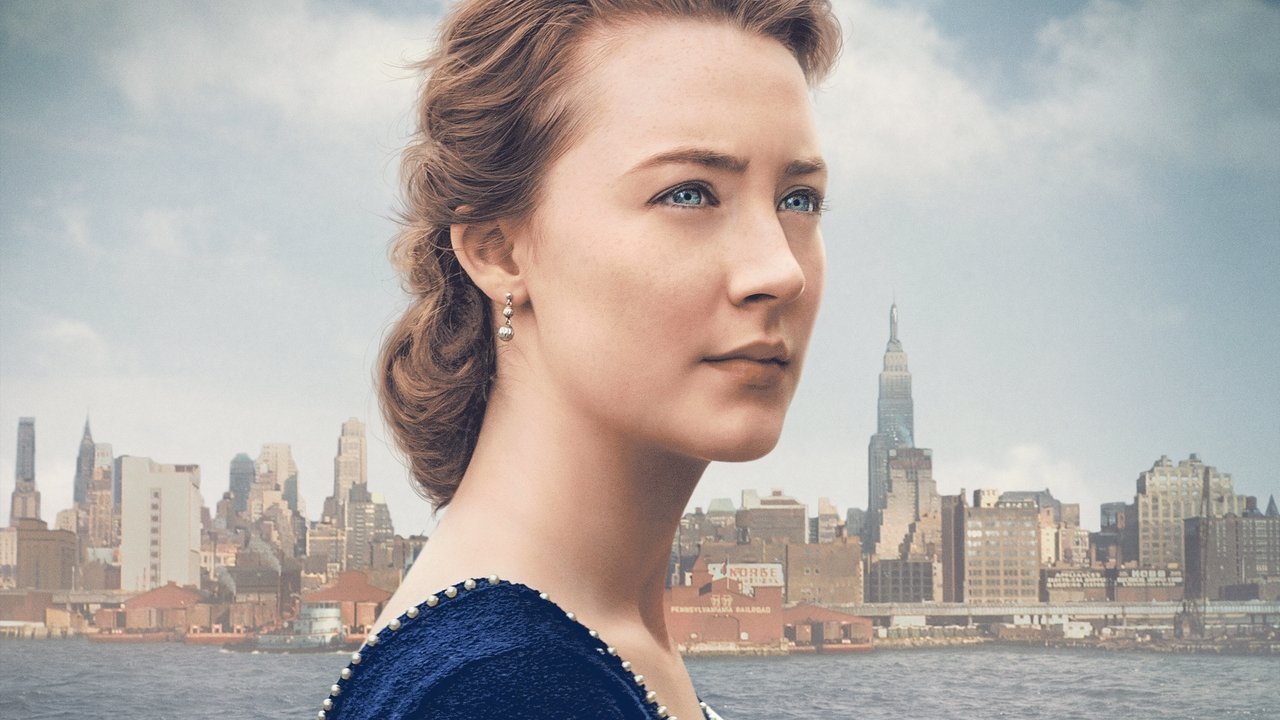
Turns out, there are some pretty great stories from behind the scenes that explain why it feels so authentic. Saoirse Ronan was actually born in the Bronx to Irish parents before moving back to Ireland as a child—she is literally the living embodiment of the film’s dual identity. Apparently, the scene where she reads the letters from home wasn't just good acting; the production was shot in such a way that she felt genuinely isolated, and the emotional toll was real.
Also, despite the title, a huge chunk of the "Brooklyn" scenes were actually filmed in Montreal. You’d never know it, though, because the production design captures that specific post-war optimism so perfectly. It’s a film about a moment in time where the world was expanding, but the heart was still tethered to the familiar.
Ultimately, Brooklyn succeeds because it trusts its audience to care about small things. It understands that a letter from your sister or a first dance at a parish hall can be just as cinematic as a superhero saving the world. It’s a beautifully crafted, deeply emotional journey that reminds me why I fell in love with movies in the first place.
This is a film that demands you sit down, put your phone away, and let yourself feel the weight of its choices. It doesn't offer easy answers, but it offers a very clear-eyed look at what it means to grow up. If you haven't seen it yet, or if you've only seen it once, give it another look. It’s a rare gem from our contemporary era that feels like it’s been around forever.
Keep Exploring...
-
Little Women
2019
-
Portrait of a Lady on Fire
2019
-
We Live in Time
2024
-
Downton Abbey
2019
-
Anna Karenina
2012
-

Loving Vincent
2017
-
Mary Queen of Scots
2018
-
The Guernsey Literary & Potato Peel Pie Society
2018
-
Radioactive
2020
-
Carol
2015
-

Steve Jobs
2015
-
The Age of Adaline
2015
-

The Walk
2015
-
Youth
2015
-

Café Society
2016
-

Eddie the Eagle
2016
-
Paterson
2016
-

Patriots Day
2016
-

Silence
2016
-

Snowden
2016