Carol
"Love is a secret language spoken in glances."
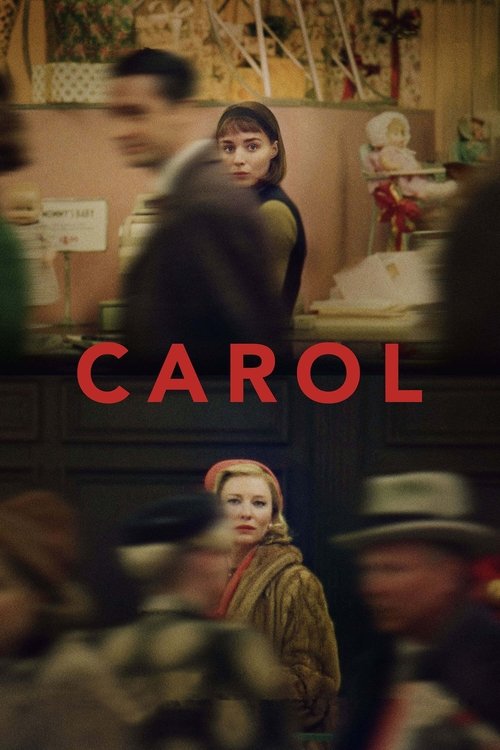
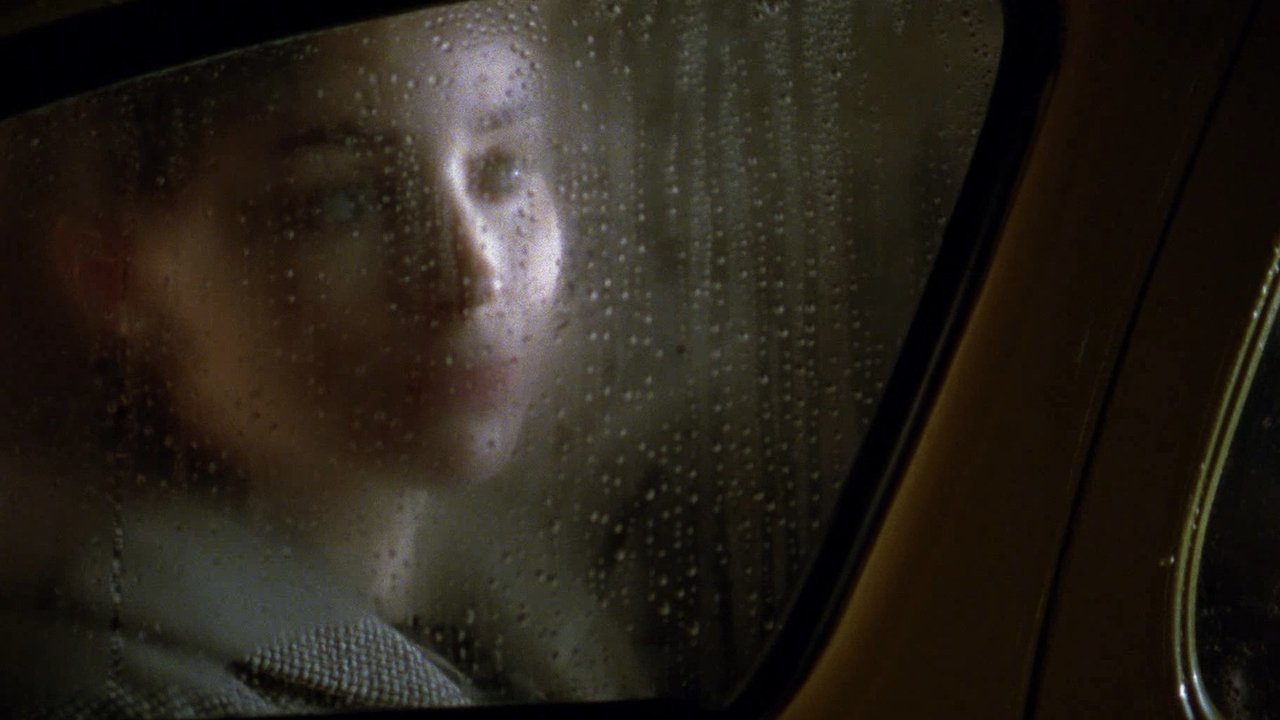
The first time I saw Carol, I was sitting in a drafty coffee shop in mid-November, watching it on a laptop while a barista played nothing but The Smiths for two hours straight. I usually find "sad indie boy" music a bit much, but as I watched Rooney Mara stare through a rain-streaked window, I realized the universe had accidentally provided the perfect, moody soundtrack. There is a specific, tactile ache to this movie that stays under your fingernails long after the credits roll. It isn’t just a "period piece"; it’s a sensory experience that feels like someone handed you a stack of old, slightly damp Polaroids and told you a secret.
The Art of the Gaze
Most modern romances feel like they’re trying too hard to convince you the leads are in love by making them talk incessantly. Carol does the opposite. It understands that in the 1950s, for two women, love wasn't found in grand declarations—it was found in the three seconds a hand lingered on a shoulder or the way a cigarette was offered. Cate Blanchett plays Carol Aird with this terrifying, brittle elegance. She enters a department store looking for a doll for her daughter, but she’s really looking for a lifeline. When she meets Rooney Mara’s Therese Belivet, the air in the room practically crystallizes.
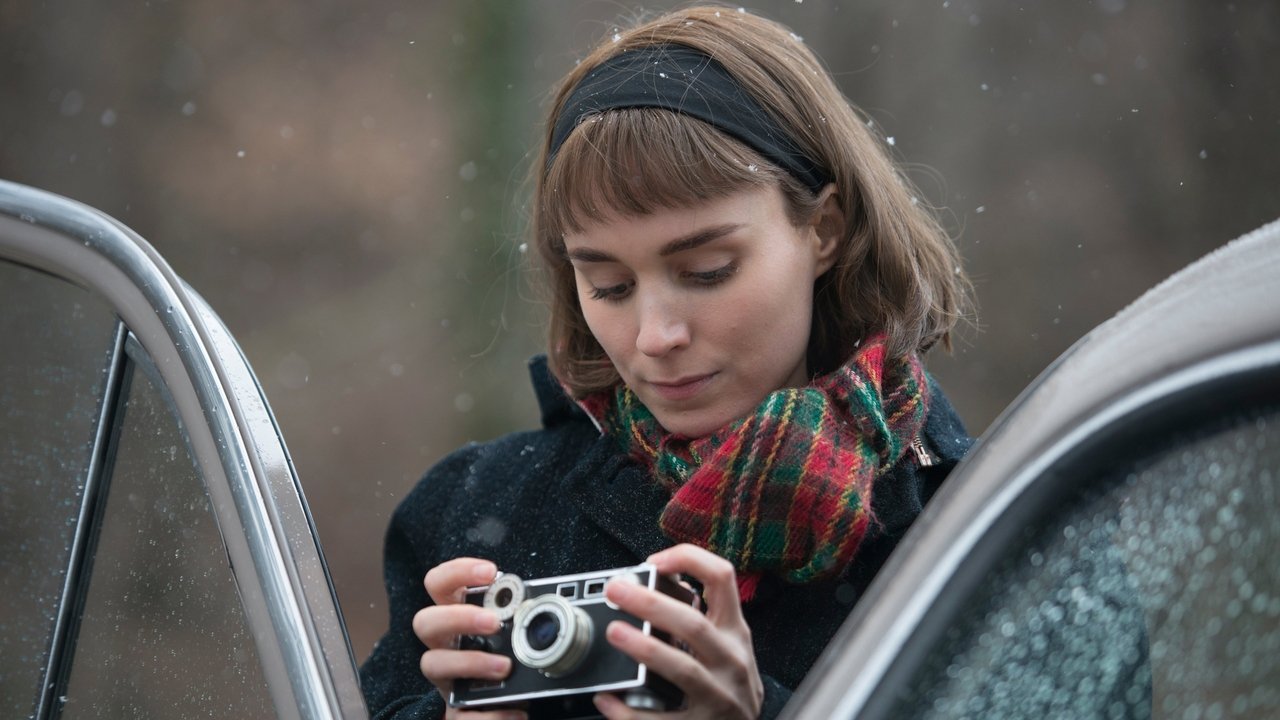
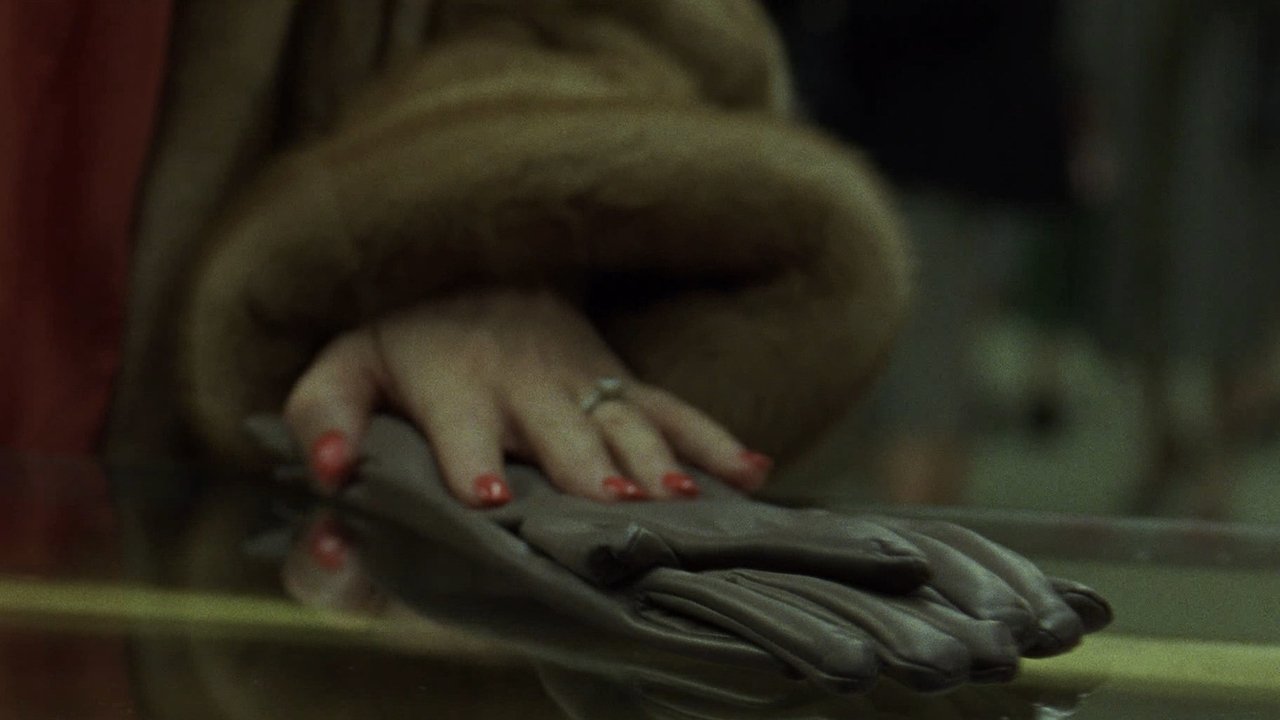
Director Todd Haynes (who gave us the equally lush Far from Heaven) and cinematographer Edward Lachman made a genius decision to shoot this on Super 16mm film. It gives the movie a grainy, organic texture that digital simply can’t replicate. It looks like the world is viewed through a thin layer of smoke and expensive perfume. Every frame is a painting, but not the "look at me" kind; it’s more like a hazy memory you’re trying to hold onto before it fades. I’m convinced that if you paused this movie at any random second, you’d have a photograph worth framing.
Breaking the "Tragic Ending" Curse
One of the reasons Carol has transcended its 2015 release to become a genuine cult classic—specifically within the LGBTQ+ community—is because it refuses to play by the "Bury Your Gays" rules that haunted cinema for decades. For so long, queer stories in historical settings had to end in a car crash, a suicide, or a lonely marriage to a man named Arthur. Based on Patricia Highsmith’s novel The Price of Salt, this story dared to suggest that these women might actually deserve a seat at the table.

Watching it now, in an era where representation is (thankfully) more common but often feels like a corporate checklist, Carol feels incredibly radical. It doesn’t scream its politics; it lives them. The conflict doesn't come from internal shame, but from the world outside trying to claw back the crumbs of happiness they’ve found. Kyle Chandler is fascinatingly loathsome as Harge, Carol’s husband. He isn’t a mustache-twirling villain; he’s a man who genuinely believes he owns his wife. Harge Aird is essentially the human embodiment of a damp, demanding napkin, and Chandler plays that "confused patriarchy" energy to perfection.
Stuff You Might Not Know
The path to getting this movie made was almost as long as the drive from New York to Chicago. Screenwriter Phyllis Nagy (who actually knew Patricia Highsmith) first wrote the script in the late 90s. It sat in "development hell" for over a decade because studios weren't sure if a lesbian period drama with a mid-sized budget would "translate." Fast forward to 2015, and it’s a critical darling that somehow got snubbed for a Best Picture Oscar—a move that still makes my blood boil more than a lukewarm latte.
A few fun details for the eagle-eyed:
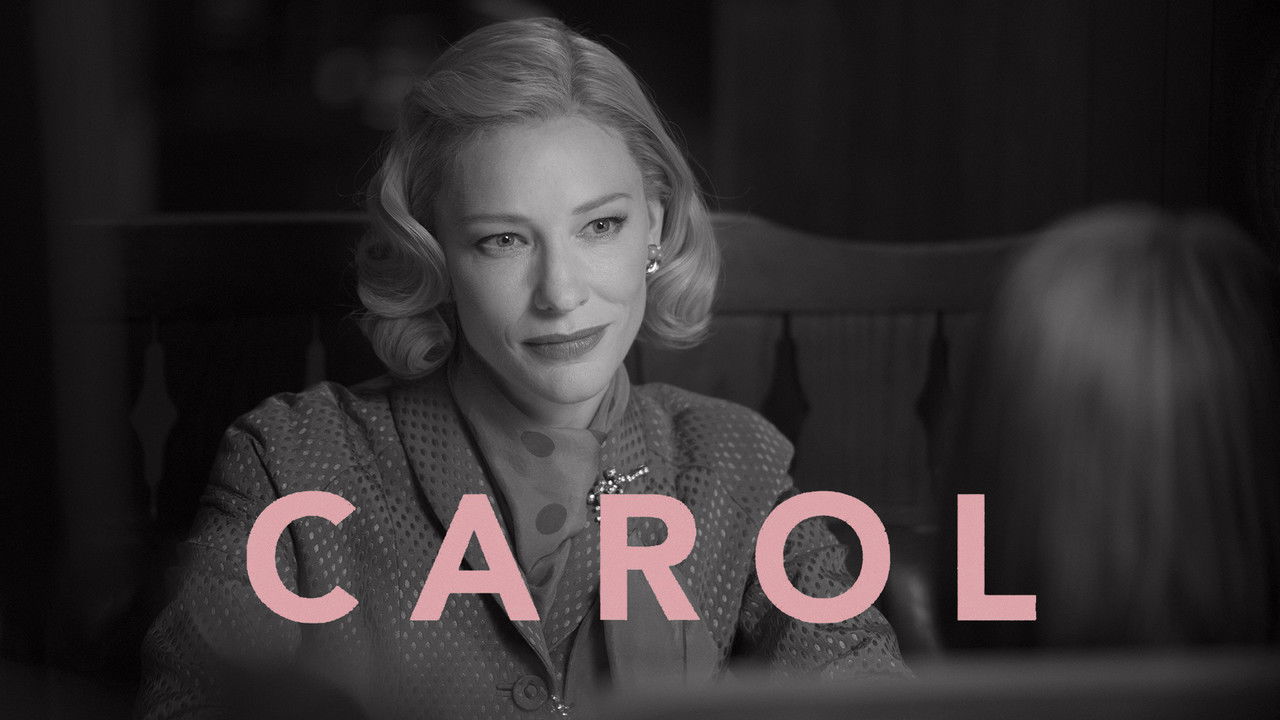
The film was actually shot in Cincinnati, Ohio, because the city has preserved much more of its 1950s architecture than New York has. Rooney Mara actually learned how to play the piano for the film, though she later admitted she can only play the specific pieces required for her scenes. * Sarah Paulson, who plays Carol’s former lover Abby, brings a level of "cool aunt" energy that I think we all strive for. Her performance is the anchor the movie needs; she represents the history and the survival that Carol and Therese are still figuring out.
There is a line in the movie where Carol tells Therese she has been "flung out of space," and that is exactly how this film feels. It is a masterpiece of restraint and longing. While many 2015 releases feel dated or lost in the "franchise wars" shuffle, Carol has only grown more potent. It’s the kind of movie you watch when you want to feel the weight of a look, the importance of a pair of gloves, and the quiet bravery of being yourself in a world that would rather you be anyone else.
If you haven't seen it, dim the lights, grab a drink, and let the 16mm grain wash over you. Just maybe skip the tuna salad while watching; this film deserves better than that. It’s a lush, heart-aching reminder that some people really do change your life forever, even if they only meet you across a toy department counter.
Keep Exploring...
-

Dark Waters
2019
-
The Age of Adaline
2015
-
The Big Sick
2017
-
May December
2023
-
Past Lives
2023
-
Brooklyn
2015
-
Youth
2015
-
Paterson
2016
-
Phantom Thread
2017
-
The Ballad of Buster Scruggs
2018
-
Portrait of a Lady on Fire
2019
-

All the Bright Places
2020
-

CODA
2021
-
Licorice Pizza
2021
-

Anora
2024
-
Allied
2016
-

Weathering with You
2019
-
A Ghost Story
2017
-
Anomalisa
2015
-
Far from the Madding Crowd
2015