Chappie
"Consciousness has a brand new swagger."
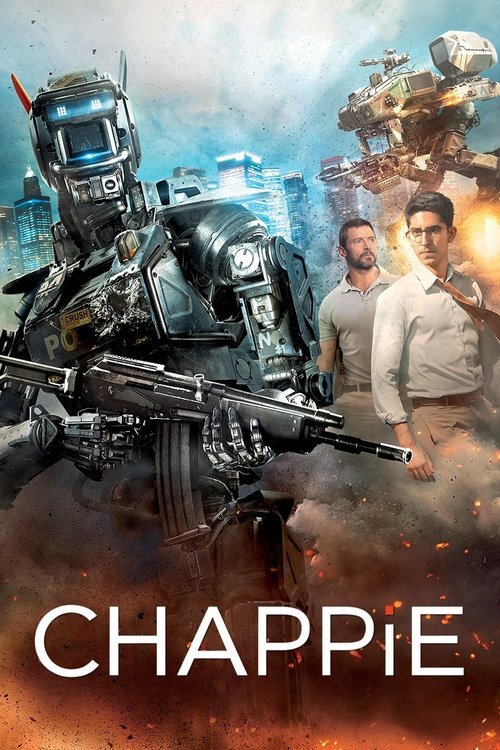
The first time I saw a promotional still of a titanium-alloy robot wearing heavy gold chains and a flat-brim cap, I assumed Neill Blomkamp had finally lost his mind. After the gritty social commentary of District 9 and the polished, if slightly hollow, spectacle of Elysium, the South African director decided to spend $49 million on what is essentially a high-tech fable about a robot being raised by a couple of anarchic rave-rappers. I watched this one on a Tuesday night while my neighbor was loudly practicing the tuba, and weirdly, the discordant brass notes synced up perfectly with the industrial grime on screen.
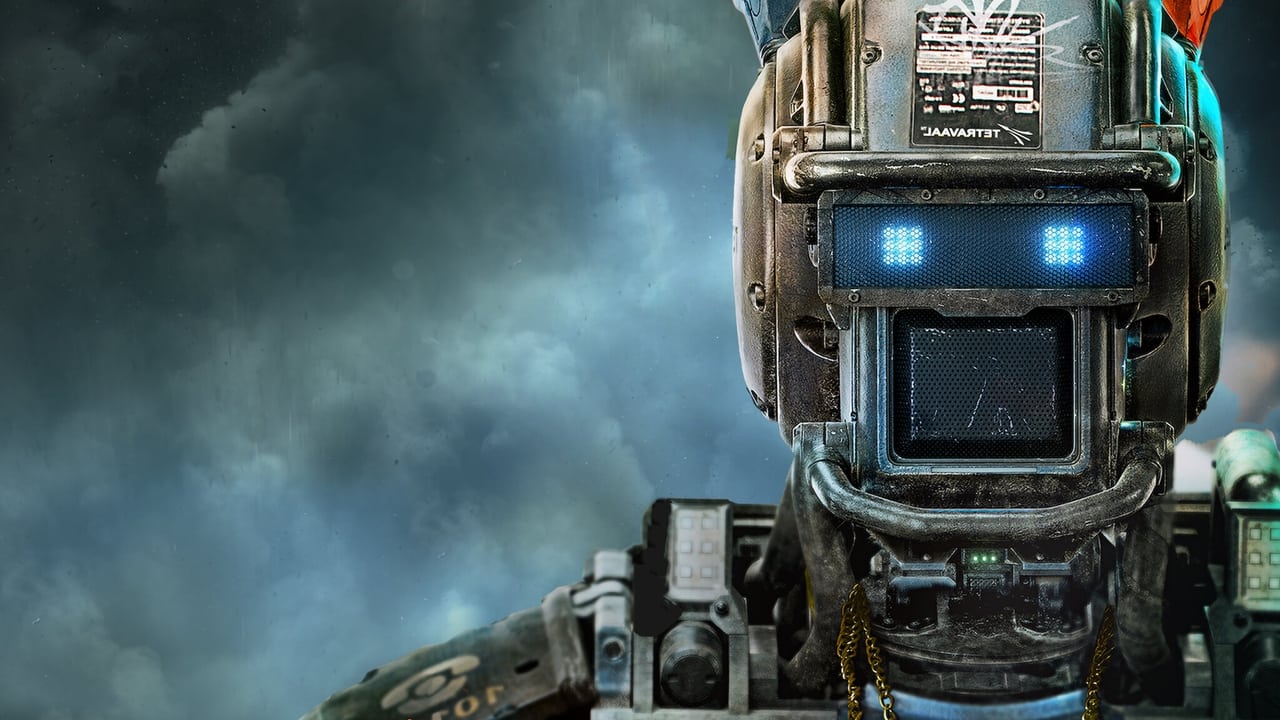
Chappie is a mess, but it’s a fascinating, loud, and deeply sincere mess. In an era where big-budget sci-fi often feels like it was assembled by a focus group in a sterile boardroom, this film feels like it was spray-painted onto a concrete wall. It’s a movie that asks deep questions about the soul while a character named Ninja screams about "heists" and "titanium." It’s polarizing, it’s weird, and ten years later, it’s arguably the most "Blomkamp" movie the man has ever made.
The Gospel of Zef
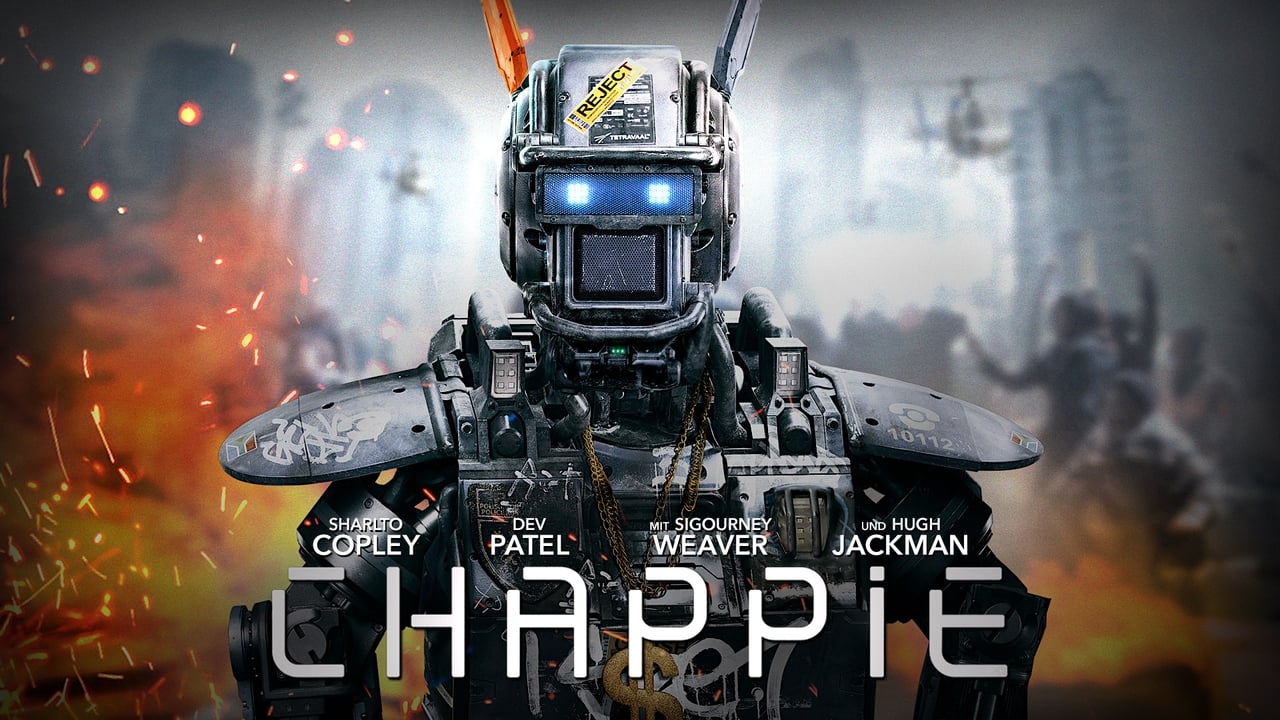
The plot kicks off in a near-future Johannesburg where the police force has been augmented by "Scouts"—robotic enforcers created by Tetravaal. Dev Patel (who I first loved in Slumdog Millionaire) plays Deon, the earnest lead engineer who creates a sentient AI. When his corporate boss, played by a stern Sigourney Weaver, shuts him down, Deon steals a damaged Scout to test his "consciousness" program. Things go sideways when he’s kidnapped by a trio of small-time gangsters: Ninja, Yo-Landi Visser, and Americ (Jose Pablo Cantillo).
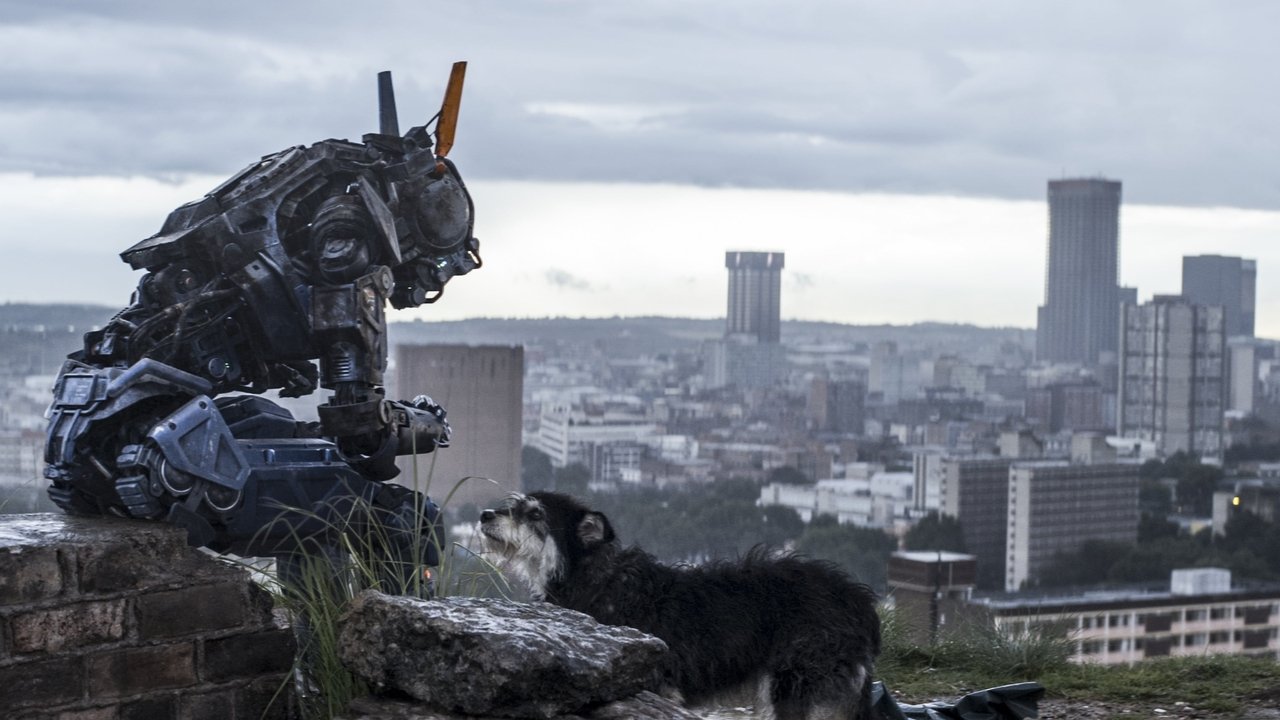
What follows isn't a typical "robot discovers flowers" story. Instead, we get a "nature vs. nurture" experiment where the "parents" are played by the real-life members of Die Antwoord. This was a bold move that almost tanked the film’s reputation at the time. Ninja and Yo-Landi Visser aren't exactly trained actors; they’re playing hyper-stylized versions of their own stage personas. Their presence is abrasive, loud, and frequently annoying, but that’s the point. They represent the chaotic, dirty world that Chappie has to survive in. Seeing a sentient machine call a petite rapper "Mommy" while she wears a "Chappie" T-shirt is the kind of surrealism you just don't get in the MCU.
Metal-on-Metal Bedlam
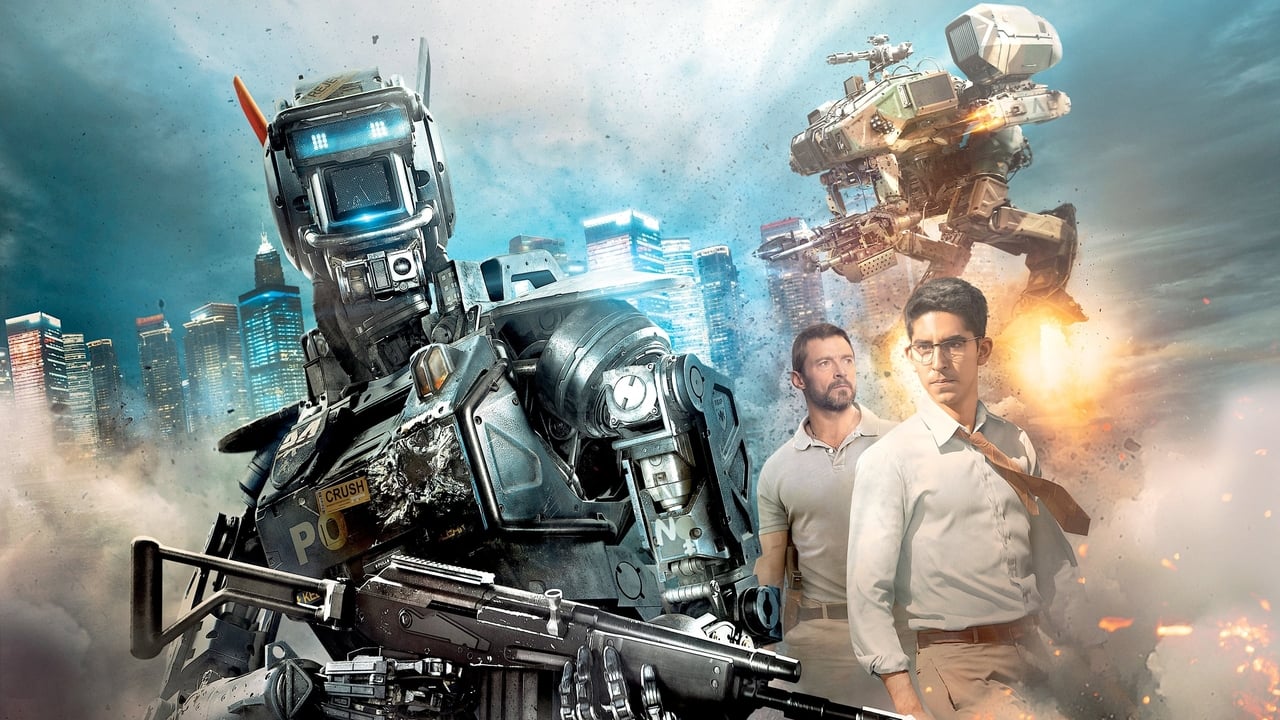
While the heart of the film is the domestic drama between the gangsters and their "child," the action is where Blomkamp’s technical wizardry shines. Unlike the floaty, weightless CGI we see in modern blockbusters, the effects here have a heavy, tactile feel. Sharlto Copley, a long-time collaborator of the director (he was the frantic lead in District 9), provides the motion-capture and voice for Chappie. Copley is the secret weapon here; he brings a jittery, childlike vulnerability to a hunk of metal that makes you genuinely fear for his safety.
Then there’s Hugh Jackman. Playing the antagonist Vincent Moore, Jackman is clearly having the time of his life as a tech-bro dinosaur who thinks AI is a sin against God. He sports a magnificent mullet and wears cargo shorts that are aggressively short. Hugh Jackman should be legally required to wear a mullet in every movie. His weapon of choice is "The Moose," a massive, pilotable drone that looks like a direct homage to the ED-209 from Paul Verhoeven’s RoboCop. When the Moose finally enters the fray in the third act, the film pivots into pure, crunchy carnage. The sound design of the metal tearing and the heavy thud of the cannons makes the action feel earned rather than just a visual noise.
A Cult Evolution
Upon release, critics were fairly brutal. They hated the tone—the movie shifts from a goofy comedy to a tragic tear-jerker with the grace of a car crash. But that’s exactly why Chappie has survived as a cult favorite. It’s a film with a distinct personality. It doesn’t care if you like the characters; it wants you to feel the friction of their world.
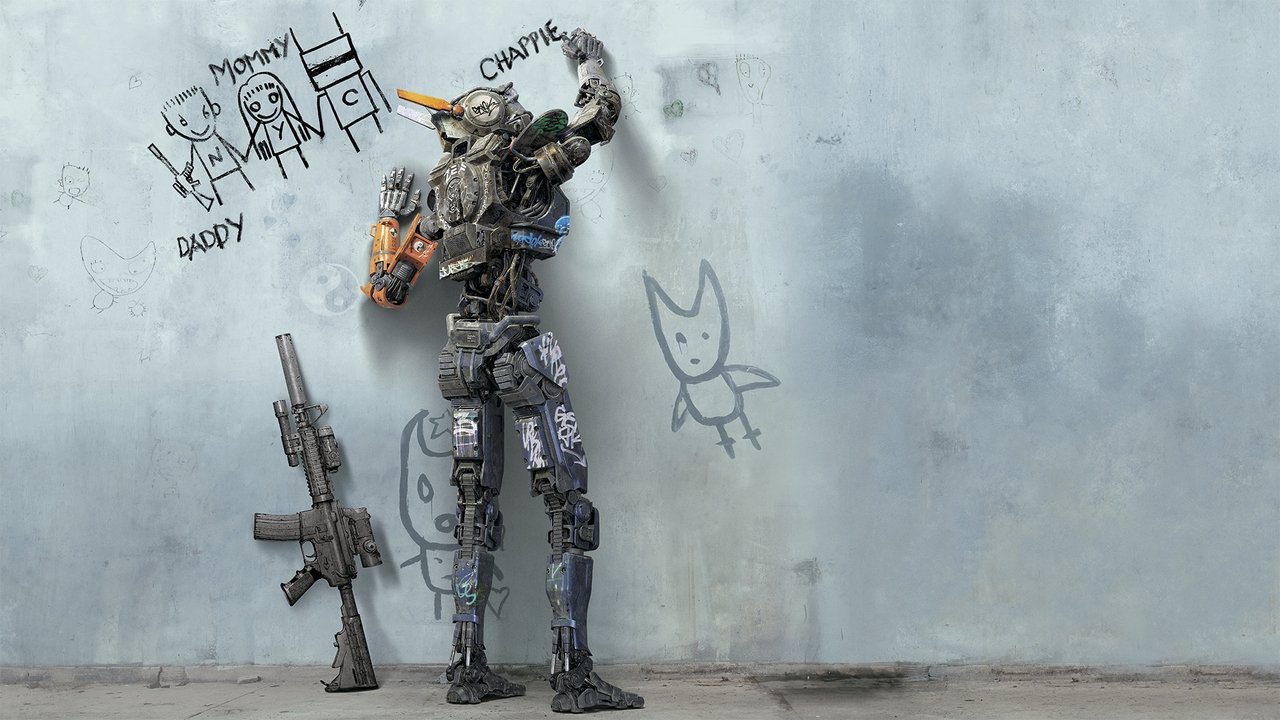
The behind-the-scenes stories are almost as legendary as the film itself. There were rumors of Ninja being a nightmare on set, clashing with the cast and crew to the point where his role was reportedly trimmed. Despite the friction, the "zef" aesthetic—that South African blend of trashy and cool—gives the film a visual identity that hasn't been replicated since. Even Hans Zimmer, the king of the "braam" sound, delivered something different here, opting for a fully electronic score that sounds like it was composed on a modified Game Boy.
Ultimately, Chappie is for the viewers who miss when sci-fi felt a little dangerous and a lot more idiosyncratic. It’s a story about what it means to be alive, told through the lens of someone who thinks the most beautiful thing in the world is a spray-painted robot learning to gangsta-walk. It’s messy, loud, and occasionally frustrating, but I’d take this kind of creative swing over a safe, "perfect" movie any day of the week. If you can stomach the screeching antics of Die Antwoord, you’ll find a surprisingly touching story about a soul trying to find its way in a world made of concrete and lead.
Keep Exploring...
-
Elysium
2013
-
Code 8
2019
-
Project Power
2020
-
Criminal
2016
-
Hotel Artemis
2018
-
Samaritan
2022
-

Batman vs. Robin
2015
-
Self/less
2015
-
Sicario
2015
-
Patriots Day
2016
-
The 5th Wave
2016
-

The Girl with All the Gifts
2016
-

Triple 9
2016
-

Underworld: Blood Wars
2016
-

Logan Lucky
2017
-
What Happened to Monday
2017
-
Death Wish
2018
-
Den of Thieves
2018
-

Sicario: Day of the Soldado
2018
-

21 Bridges
2019