Child 44
"The State is perfect. The truth is treason."
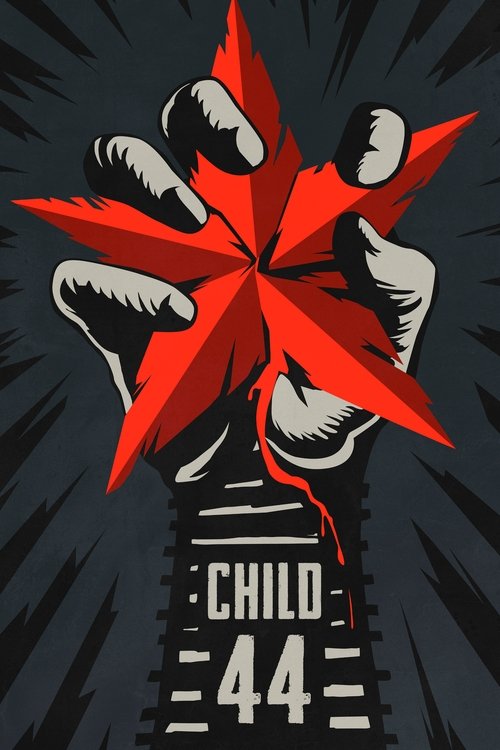
If you ever find yourself feeling too cheerful, perhaps because the sun is out or you found a stray five-dollar bill in your jeans, I have the perfect cinematic antidepressant for you. I recently sat down to watch Child 44 on a Tuesday evening while my radiator was making a rhythmic clanking sound that strangely synchronized with the film's industrial clatter, and let me tell you: this movie is the visual equivalent of eating a bowl of cold gravel. It is relentlessly, aggressively grey. I’m fairly certain the production designer was legally forbidden from using any color that couldn't be found in a wet parking lot.
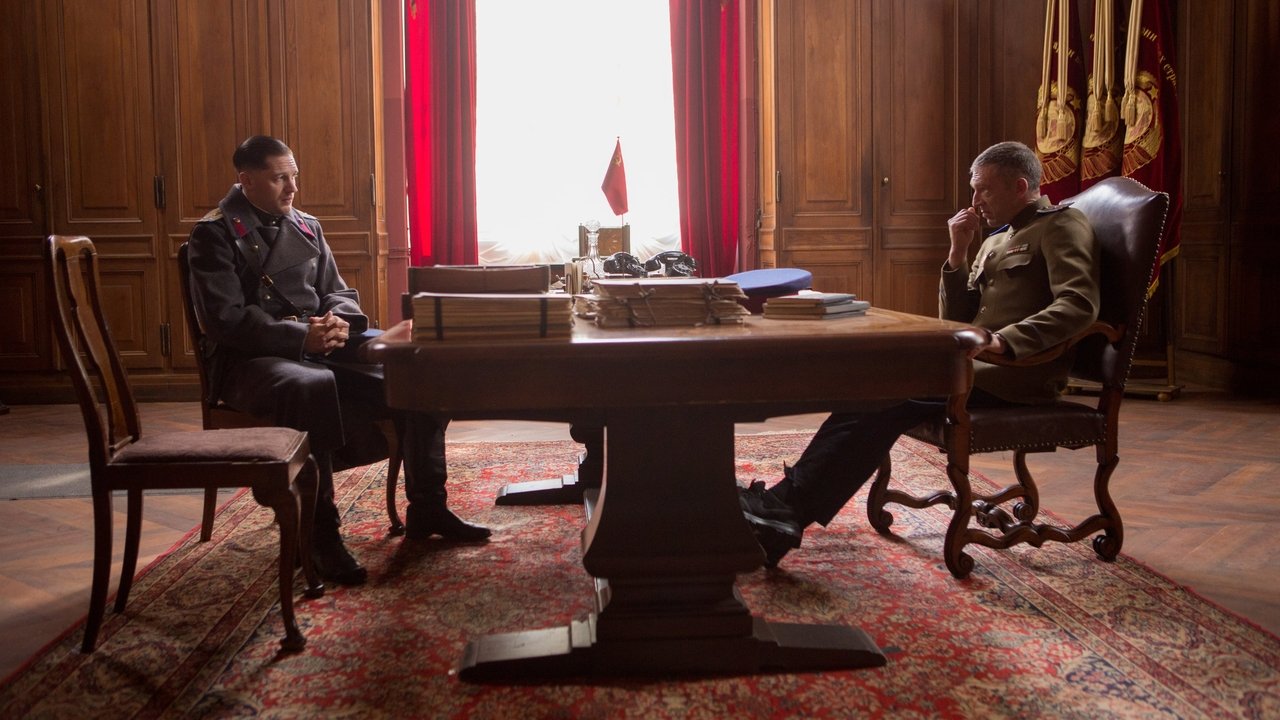
Released in 2015, Child 44 arrived during that specific window of the mid-2010s when "dark and gritty" wasn't just a stylistic choice; it was a mandate. This was the year Tom Hardy gave us the high-octane masterpiece Mad Max: Fury Road, yet here he is, buried under a heavy wool coat and a Russian accent so thick you could use it to insulate a dacha. The film is a fascinating relic of a time when studios were still dumping $50 million into R-rated, mid-budget adult dramas based on best-selling novels—a species of film that has since migrated almost entirely to the "Limited Series" tabs of your favorite streaming platforms.
The Accent-Off in the USSR
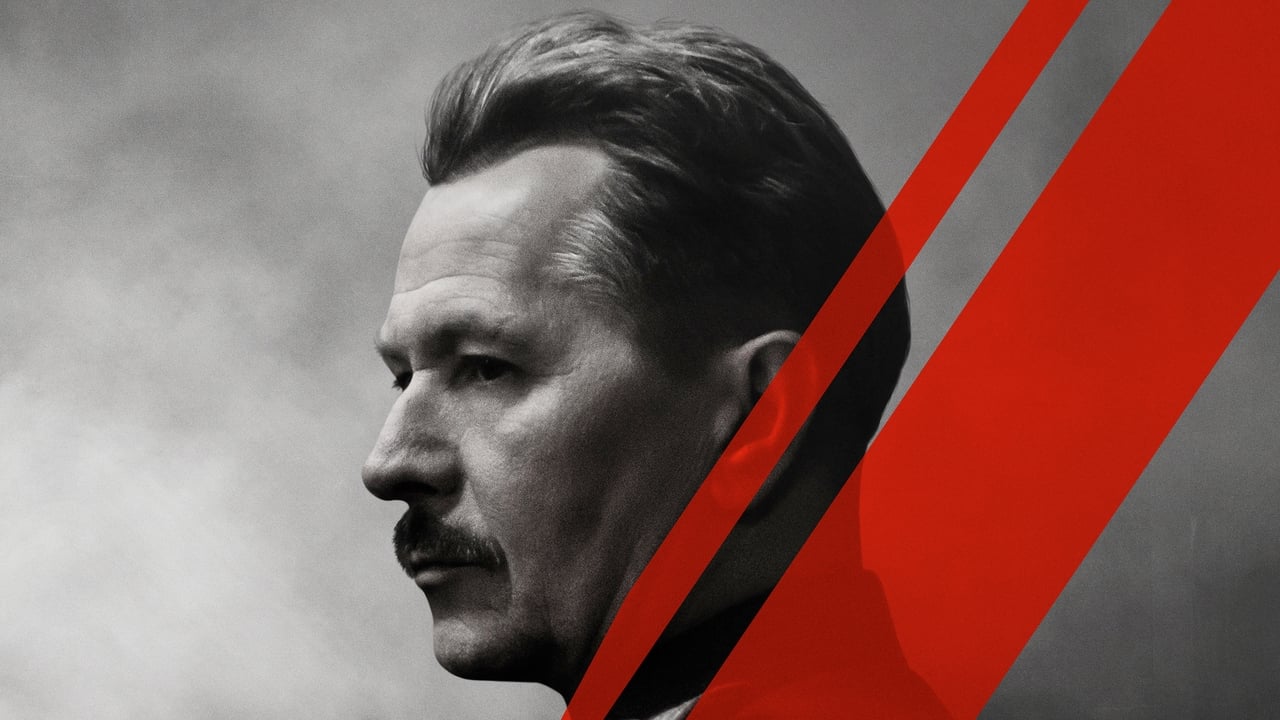
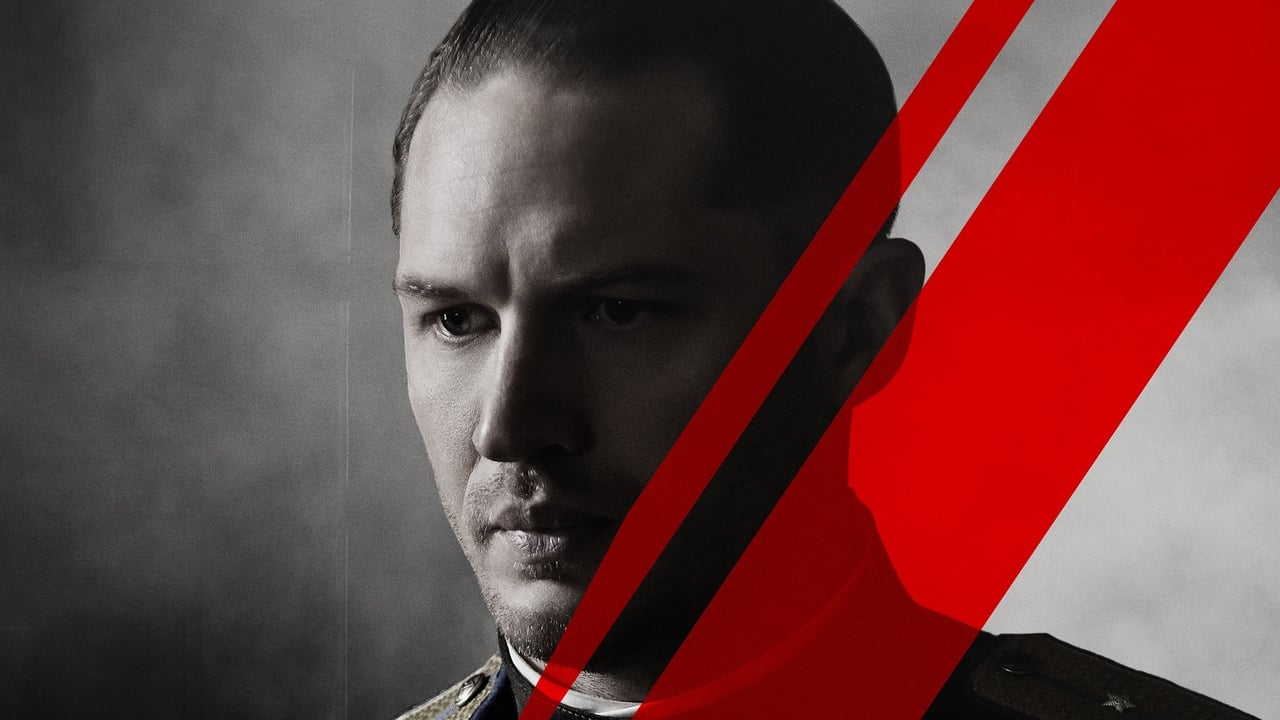
The premise is genuinely compelling. In Stalin’s Soviet Union, the official party line is that "there is no crime in Paradise." Murder is a decadent capitalist disease, so when children start turning up dead near railway tracks, the State insists they are mere accidents. Tom Hardy plays Leo Demidov, an MGB agent who is a true believer until the gears of the system start grinding him down. When he refuses to denounce his wife, Raisa (Noomi Rapace, whom you’ll know from Prometheus), he’s demoted and sent to a grim provincial outpost commanded by Gary Oldman.
Now, let’s address the elephant in the room: the accents. Every single person in this movie is an elite-tier actor—we’re talking Joel Kinnaman (The Suicide Squad), Paddy Considine, and Fares Fares—but they are all doing the "moose and squirrel" voice. It’s an odd choice for a contemporary film. Usually, we either go the Chernobyl route (British accents are fine) or the Death of Stalin route (just use your natural voice). Here, the commitment to the phonetic "V" sounds is so intense that it becomes a distraction. I spent the first twenty minutes wondering if Tom Hardy was going to break out into a Bane monologue. It’s a performance that feels like a marathon run in a deep-sea diving suit—impressive in its endurance, but you wonder why they didn't just take the suit off.
A Masterpiece of Production, A Muddle of Plot
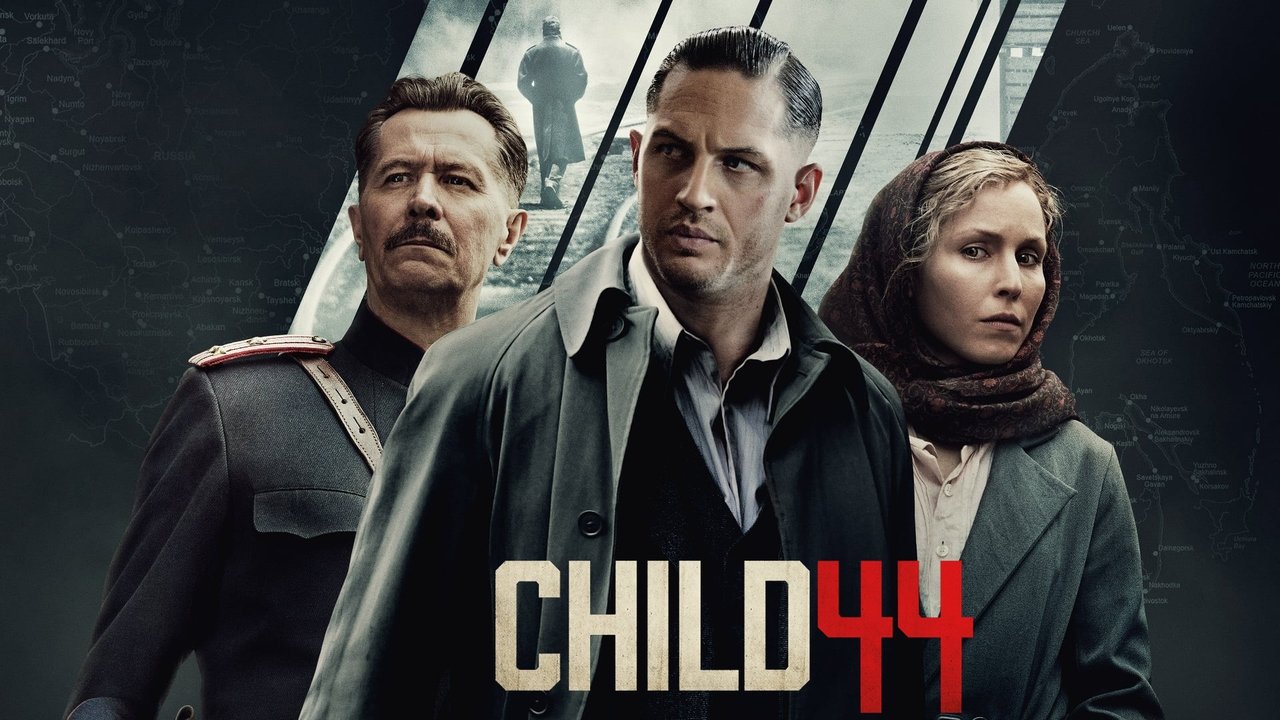
Visually, the film is staggering. Director Daniel Espinosa (Safe House) and cinematographer Oliver Wood (the man behind the shaky-cam brilliance of the Bourne trilogy) create a world that feels tactile and suffocating. You can practically smell the coal smoke and the fear. The problem is that the script by Richard Price—the legendary writer behind The Wire—tries to cram too much of Tom Rob Smith’s sprawling novel into 137 minutes.
It’s a political thriller, a marriage drama, and a serial killer procedural all fighting for oxygen. By the time we get to the actual mystery of who is killing the children, it feels like an afterthought. I found myself much more invested in the terrifying bureaucratic nightmare of Leo trying to navigate the secret police than I was in the actual "whodunit" aspect. The film works best when it leans into the paranoia of the era—the idea that a single whispered word could end your life. When it tries to be Seven in a fur hat, it loses its way. It’s basically a three-hour episode of Criminal Minds directed by someone who hates the sun.
Why It Vanished Into the Gulag of History
Looking back from our current era of franchise dominance, Child 44 is a reminder of how quickly the theatrical landscape shifted. In 2015, this was a massive box office bomb, recouping only about $13 million of its $50 million budget. It’s not hard to see why. It was released the same month as Furious 7, and audiences weren't exactly lining up to be depressed by Soviet child murders while Vin Diesel was jumping cars between skyscrapers.
Furthermore, the film was famously banned in Russia. The Russian Ministry of Culture pulled its release just a day before it was set to debut, claiming it distorted historical facts and made the USSR look like Mordor. That kind of controversy usually helps a film, but here, it just added to the sense that the movie was "problematic" and "heavy." Today, you’ll find it buried in the deep menus of streaming services, a "half-forgotten oddity" that serves as a testament to the brief moment when Tom Hardy was being positioned as the world’s most serious leading man.
There is a much better six-episode miniseries hidden inside this movie. While the craft is undeniable and the cast is a dream team, the pacing is a slog that eventually wears you down. I don't regret watching it—Tom Hardy is never boring, even when he’s whispering through a thicket of consonants—but it’s a tough hang. It captures the soul-crushing weight of a totalitarian regime a little too well; by the time the credits rolled, I felt like I needed to go outside and stare at a bright yellow flower for an hour just to recalibrate my retinas. Seek it out if you’re a completionist for this incredible cast, but maybe keep a light on.
Keep Exploring...
-
Live by Night
2016
-
Batman vs. Robin
2015
-
Secret in Their Eyes
2015
-
Survivor
2015
-
The Transporter Refueled
2015
-

Wild Card
2015
-
The Infiltrator
2016
-
Crooked House
2017
-
Roman J. Israel, Esq.
2017
-
Security
2017
-
Sleepless
2017
-
Suburbicon
2017
-
Anon
2018
-
The Girl in the Spider's Web
2018
-
The Hurricane Heist
2018
-
Black and Blue
2019
-
The Informer
2019
-
Honest Thief
2020
-
The Night Clerk
2020
-
Havoc
2025