Colonia
"Enter the colony. Forget the world."

I watched Colonia while sitting on a slightly lumpy sofa, nursing a cup of Earl Grey that I’d accidentally over-steeped. Every time I took a sip of that bitter, lukewarm tea, it felt oddly appropriate for the movie—a sharp, unpleasant reminder of reality that cuts right through the comfort of your living room.

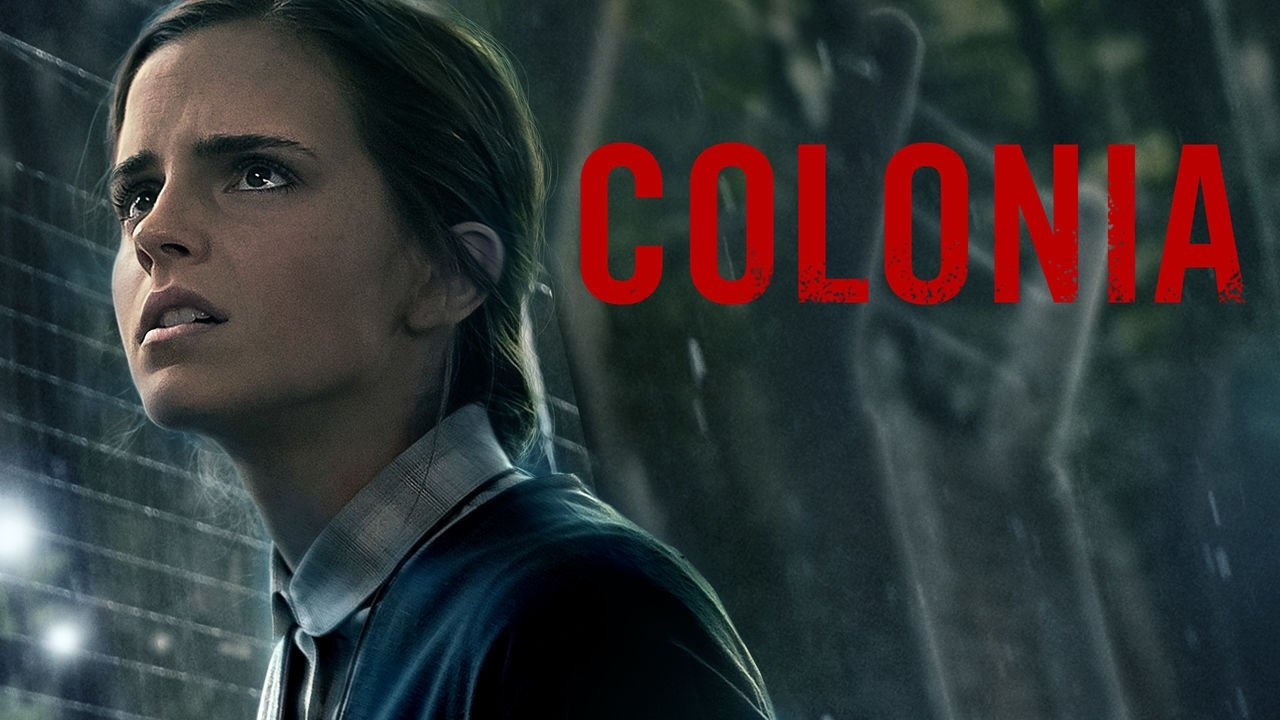
There’s a specific kind of dread that comes with knowing a movie is based on a real place that actually existed until shockingly recently. Colonia takes us inside Colonia Dignidad, a notorious German sect in Chile that operated under the thumb of the Pinochet regime. It wasn’t just a commune; it was a torture chamber wrapped in a Sunday school exterior. For contemporary audiences used to seeing Emma Watson in high-fantasy or polished period pieces, seeing her dive into this grimy, paranoid 1970s hellscape is a jolt to the system.
A Different Kind of Heroine
The film kicks off with the 1973 Chilean coup. Daniel Brühl, playing a political activist named Daniel, is snatched off the street by the secret police. His girlfriend, Lena (Emma Watson), a flight attendant, decides that instead of waiting for a rescue that’ll never come, she’s going to infiltrate the cult where he’s being held.
Let’s be honest: Watson is doing a lot of heavy lifting here to shed the "Hermione" mantle. She’s gritty, she’s terrified, and she’s incredibly proactive. It’s refreshing to see a historical drama where the woman is the one staging the prison break while the man is the "damsel" in distress—or in this case, the prisoner being subjected to horrific "treatments" to break his spirit. Daniel Brühl is, as always, exceptionally reliable. He spends a large chunk of the movie faking a brain injury to survive, and his performance is a masterclass in physical nuance. You can see the constant, agonizing calculation in his eyes even when his body is limp.
The Monster in the Garden
But the movie really belongs to the late Michael Nyqvist. As Paul Schäfer, the "Pius" leader of the colony, he is terrifyingly banal. He isn't a mustache-twirling villain; he’s a man who believes his own delusions of godhood while overseeing a system of agricultural slavery and child abuse. Nyqvist plays him with a soft-spoken, patriarchal menace that makes your skin crawl.
The middle act of the film is where the tension really ratchets up. It turns into a survival horror movie set in broad daylight. The cinematography by Kolja Brandt uses the stark, dusty Chilean landscape to create a sense of isolation that feels suffocating. There’s a scene involving a secret tunnel that had me holding my breath so long I actually felt a bit lightheaded. This is where director Florian Gallenberger shines—in the mechanical tension of the "Great Escape." However, some might find it a bit jarring that it’s essentially a YA dystopian novel that accidentally stepped into a real-life nightmare. The film occasionally struggles to balance its "Hollywood thriller" impulses with the gravity of the actual human rights abuses it’s depicting.
The Mid-Budget Struggle
When Colonia hit theaters in 2015, it basically evaporated. It’s a prime example of the "dead zone" in modern cinema—the mid-budget adult drama that isn't quite an Oscar-bait powerhouse and isn't a franchise blockbuster. With a $14 million budget and a dismal box office return, it’s a film that the industry seems to have forgotten. But looking at it now, in the era of streaming where "cult docs" are a massive genre on Netflix, Colonia feels oddly ahead of its time.
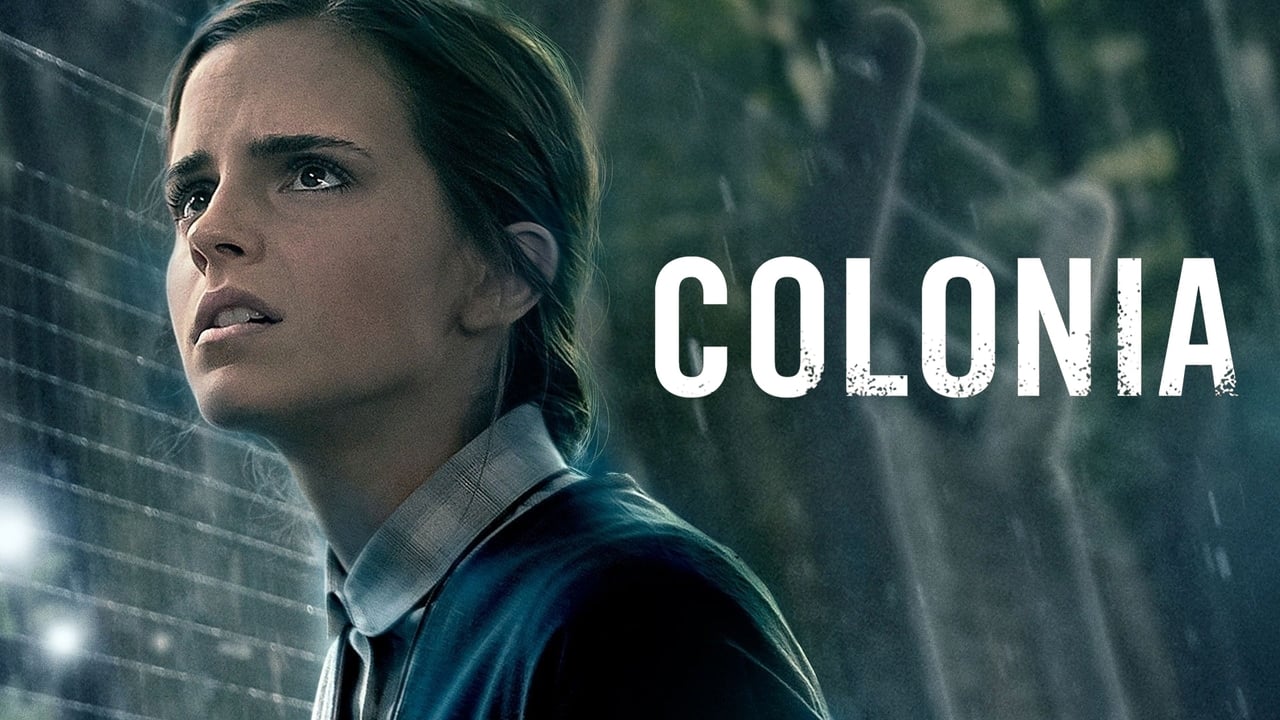
It’s also fun to spot Vicky Krieps (who would later blow everyone away in Phantom Thread) in a supporting role as Ursel. Even in a smaller part, she brings a haunting vulnerability that lingers long after she leaves the frame. The film was shot in Luxembourg and Germany, using old slate mines to recreate the claustrophobic underground bunkers of the real Colonia, and the production design is impeccable. You can practically smell the woodsmoke and the stagnant air.
While it didn’t set the world on fire upon release, Colonia is a solid, white-knuckle thriller that actually has something to say about complicity. The fact that the German embassy historically turned a blind eye to what was happening in that "colony" is the real horror story. It’s a film that asks how far you’d go for someone you love, but more importantly, it shows what happens when the world decides to look the other way.
Colonia is a tense, well-acted thriller that perhaps leans a bit too hard on genre tropes to tell a story that deserved a slightly more somber touch. It’s not an easy watch—especially the scenes involving Schäfer’s "sermons"—but it’s a gripping one. If you’re in the mood for a "hidden gem" that feels like a 70s conspiracy thriller filtered through a modern lens, this is well worth your 106 minutes. Just maybe don't drink over-steeped tea while watching it.


Keep Exploring...
-

The Zookeeper's Wife
2017
-
The 33
2015
-

Risen
2016
-

All Eyez on Me
2017
-

Battle of the Sexes
2017
-

Detroit
2017
-
Victoria & Abdul
2017
-

Mary Queen of Scots
2018
-

On the Basis of Sex
2018
-
Operation Finale
2018
-

The Current War
2018
-

A Beautiful Day in the Neighborhood
2019
-

Harriet
2019
-

Hotel Mumbai
2019
-
Mank
2020
-

The Outpost
2020
-

Land of Mine
2015
-

Suffragette
2015
-

The Stanford Prison Experiment
2015
-

Race
2016