Concussion
"The truth has a high price."
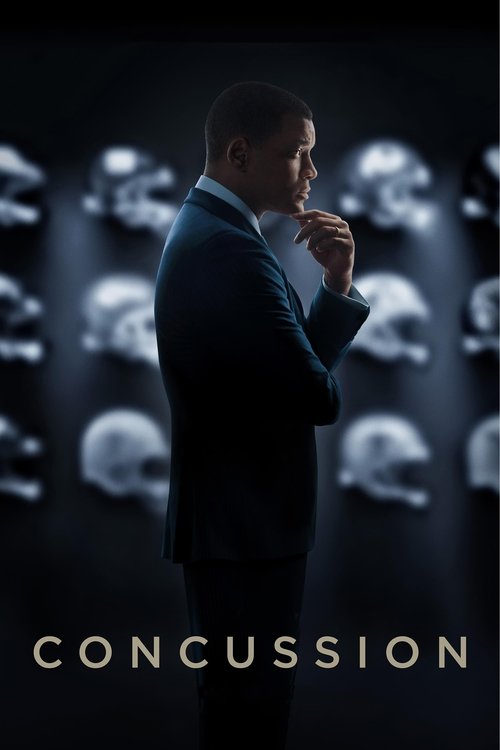
I watched this movie while wearing a pair of itchy wool socks that I eventually realized were two different shades of grey, and honestly, that low-level discomfort perfectly matched the experience of watching Will Smith dig into a human brain.
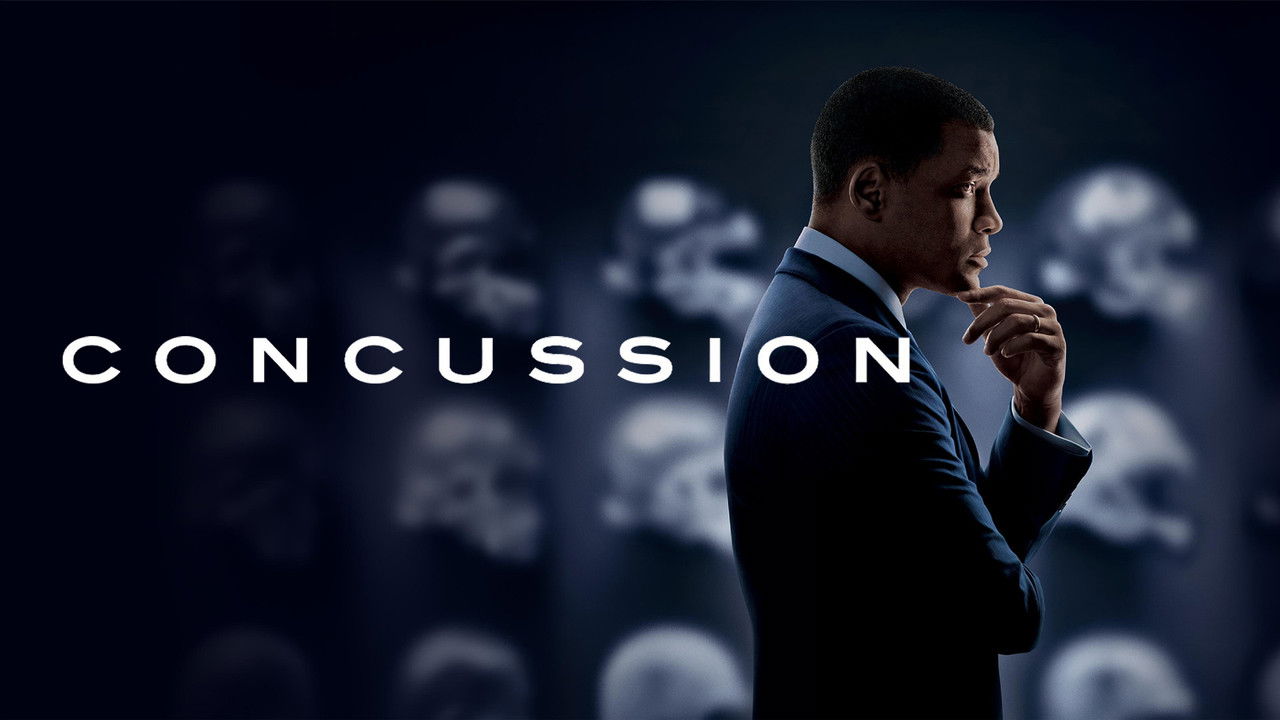
There is a specific kind of dread that comes with a "whistleblower" drama. You know the rhythm: a lonely, brilliant outsider finds a flaw in the matrix, the "Goliath" institution tries to squash them like a bug, and we all leave the theater feeling slightly more cynical about our favorite hobbies. But Concussion (2015) occupies a strange, pivotal space in our current cultural timeline. It arrived right as the NFL's invincibility started to show cracks, serving as a cinematic flashpoint for a conversation that is still raging on social media every time a player goes down on a Sunday afternoon.
The Horror of the Gridiron
The movie opens not with a roar of a crowd, but with the quiet, tragic disintegration of Mike Webster. David Morse is haunting here. We see the Hall of Famer living in a pickup truck, huffing Ritalin and super-gluing his own teeth back into his gums. It’s a sequence that leans into the "Contemporary Cinema" trend of gritty realism, stripping away the glitz of professional sports to show the skeletal remains of a broken hero.
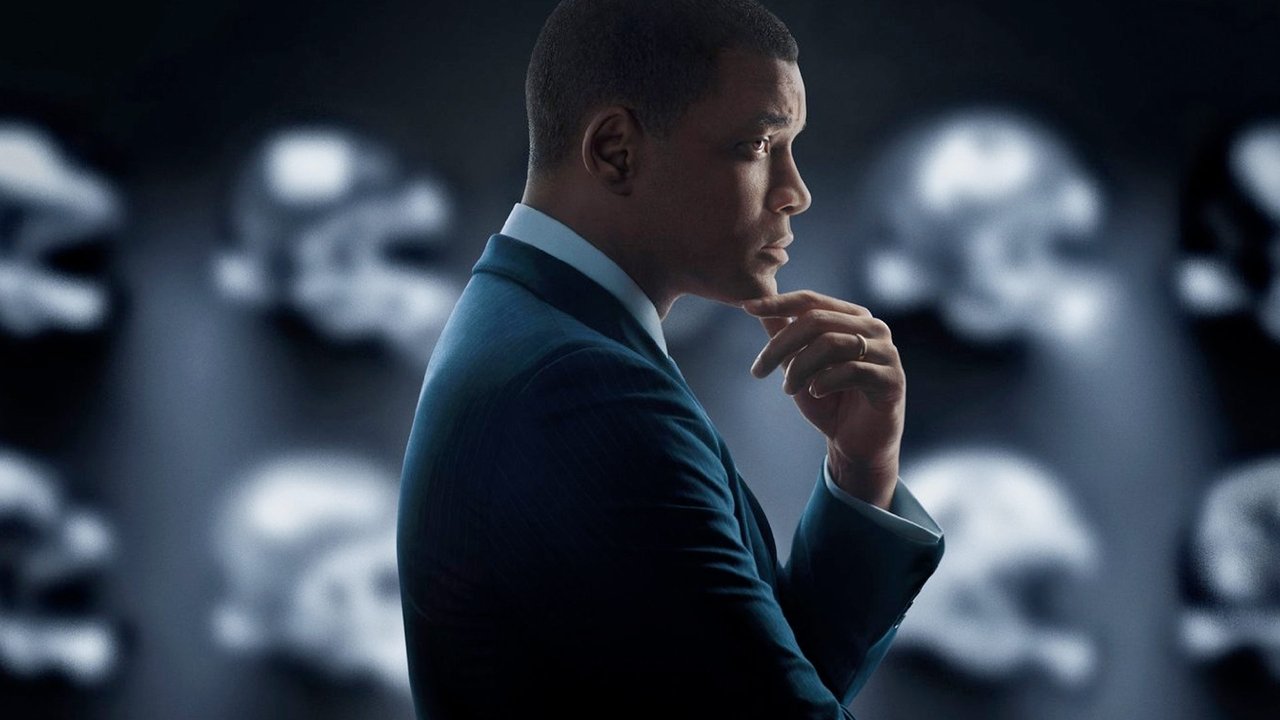
When Dr. Bennet Omalu (Will Smith) performs the autopsy, he doesn't find the expected "shredded" brain of a man who has lost his mind. He finds something invisible. The way director Peter Landesman captures the discovery of CTE (Chronic Traumatic Encephalopathy) feels like a forensic procedural crossed with a ghost story. I’ve always found that the best dramas aren't about the "big" moments, but the quiet ones—the scratching of a pen, the slide of a microscope, the realization that everything you thought you knew is wrong. Will Smith captures that beautifully. His Nigerian accent is actually subtle and lived-in, and people only memed it because they wanted him to stay the Fresh Prince forever. He brings a formal, almost alien dignity to Omalu, an immigrant who believes in the American Dream more fervently than the Americans who are trying to ruin him.
The Price of Truth
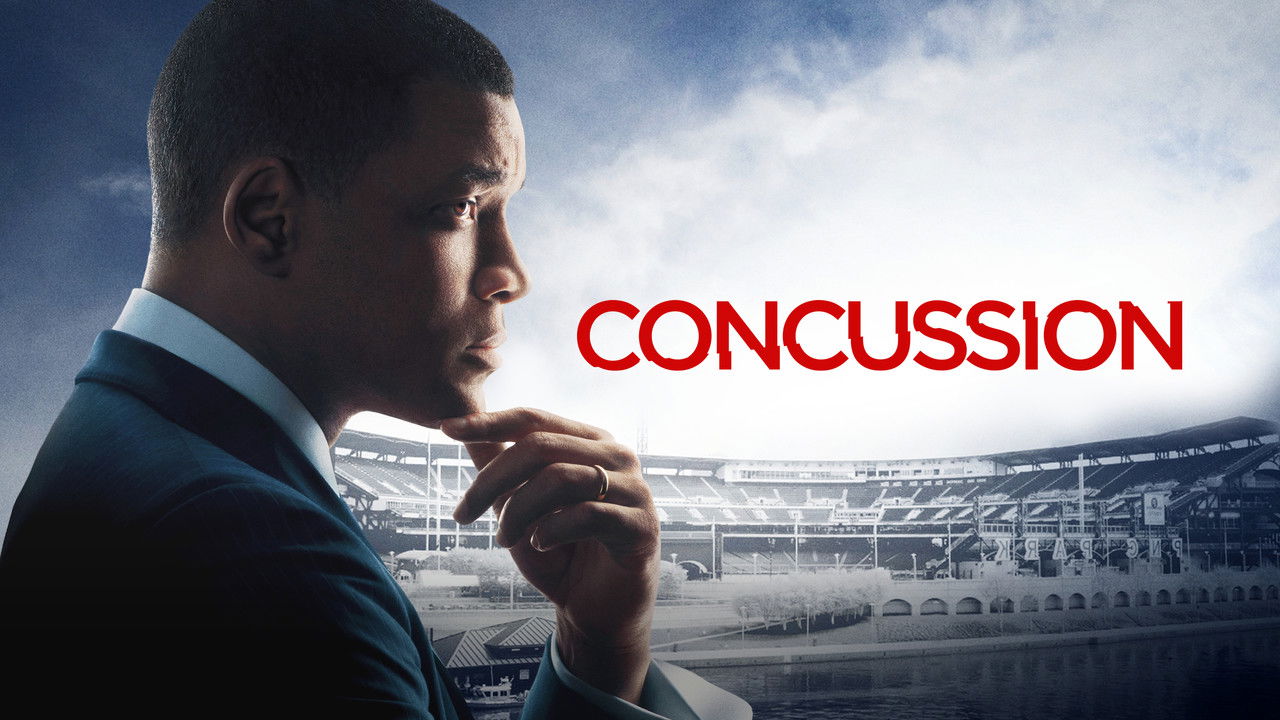
As the story shifts from the lab to the boardroom, we get the heavy hitters. Albert Brooks is a godsend as Dr. Cyril Wecht. He provides the dry, cynical wit that keeps the movie from sinking under its own self-importance. In an era where biopics can feel like homework, Brooks is the guy in the back of the class making sure you’re actually having a good time. His chemistry with Smith provides the film’s emotional anchor, grounding the high-stakes medical jargon in a recognizable human friendship.
Then there’s Alec Baldwin as Dr. Julian Bailes. This was shortly before Baldwin became a permanent fixture of late-night political parody, and it’s a reminder that when he’s dialed in, he can play "haunted authority figure" better than anyone. He represents the conscience of the NFL—a man who loves the game but realizes he’s been presiding over a slaughterhouse.
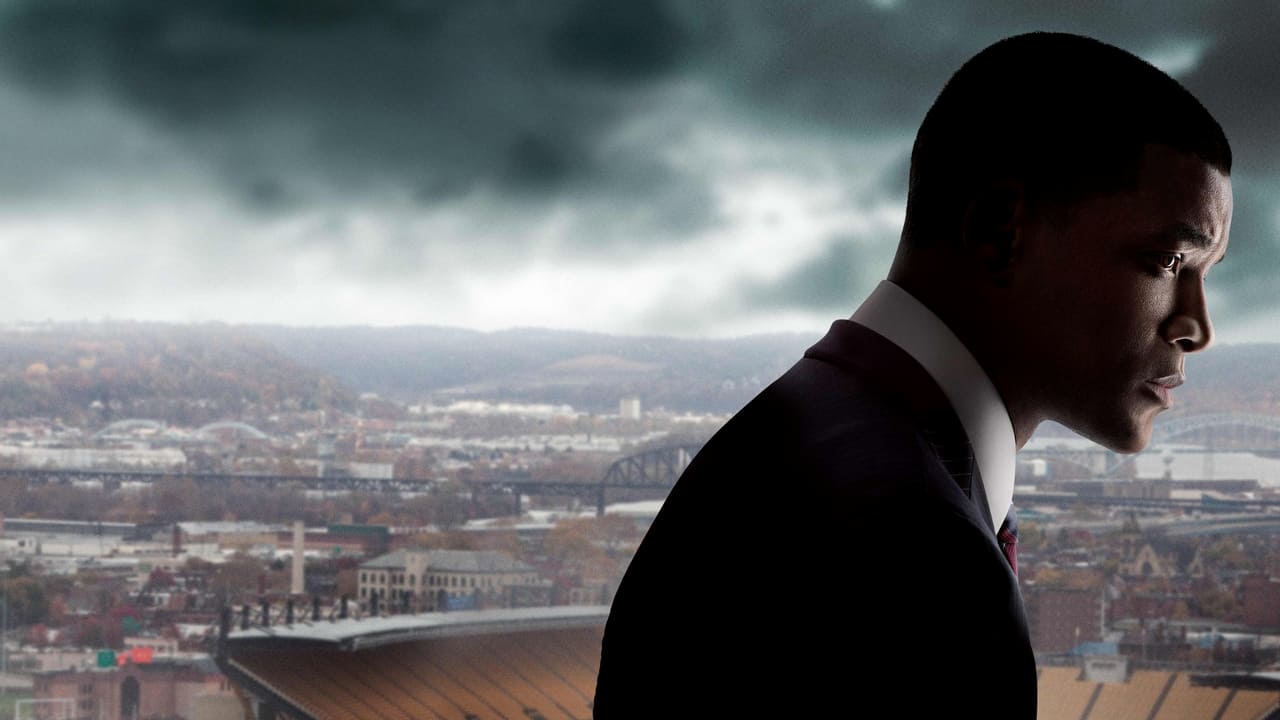
One of the more fascinating "behind-the-scenes" elements of this era is the impact of the 2014 Sony hack. Leaked emails suggested that the studio actually "softened" some of the more aggressive attacks on the NFL to avoid a legal war. You can almost feel that tension in the edit. There are moments where the film seems to pull its punches, focusing more on Omalu’s personal spiritual journey than the systemic rot of the league. Still, the visual storytelling by cinematographer Salvatore Totino keeps things engaging; he uses a cold, clinical palette that makes the corporate offices of the NFL feel like the interior of a spaceship—sterile, unreachable, and cold.
A Modern Whistleblower Legacy
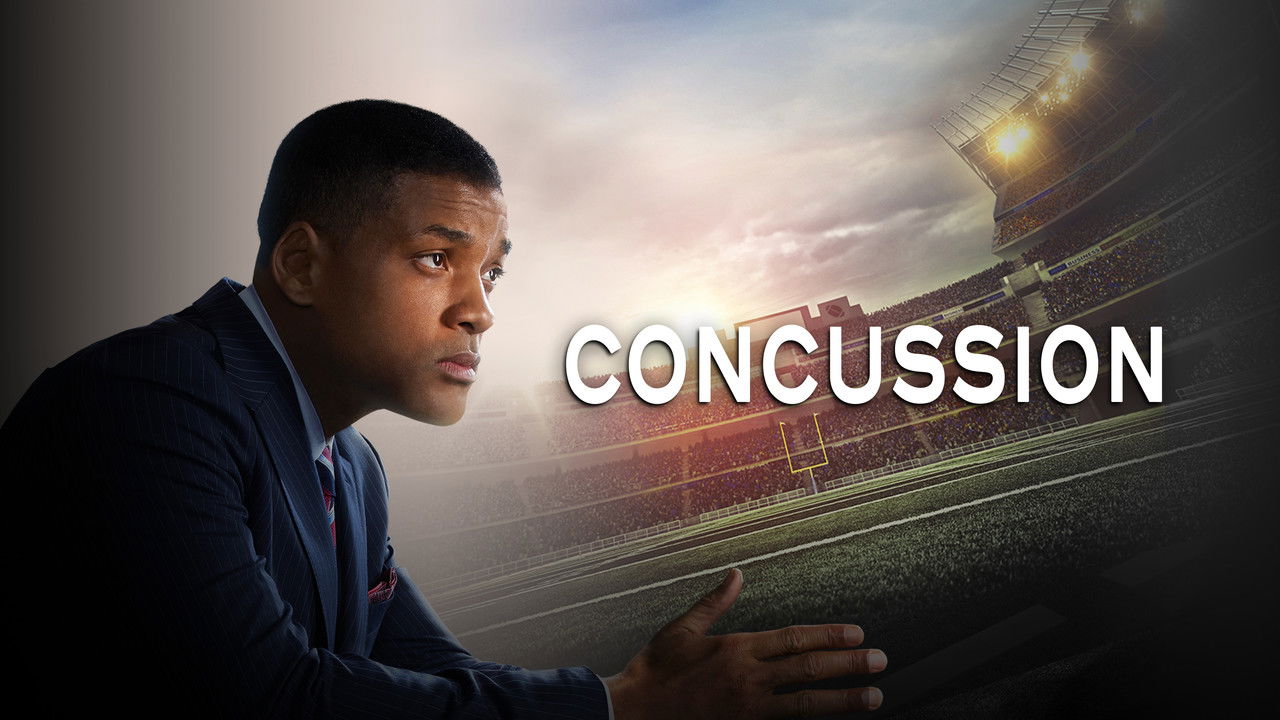
Looking at Concussion now, it feels like a bridge between the traditional "prestige" biopics of the early 2000s and the more activist-driven cinema of the 2020s. It’s a film that exists because of a GQ article by Jeanne Marie Laskas, highlighting how journalism and cinema were beginning to collaborate more tightly to dismantle institutional narratives in the digital age.
The trivia surrounding the production is just as dramatic as the script. Apparently, Will Smith was so committed to the role that he sat in on multiple autopsies to understand Omalu’s "communication" with the dead. Meanwhile, the NFL notably refused to license any official logos or footage for the film’s marketing, forcing the production to find creative workarounds. It's a classic example of the "Franchise Dominance" era, where even a sports league acts like a protective Marvel-style IP, guarding its brand at all costs.
Is it a perfect film? No. It occasionally slips into the "over-sentimental" trap that many 2010s dramas fell into—Gugu Mbatha-Raw is a wonderful actress, but her role as Prema is mostly relegated to "the supportive wife who watches the news with a worried expression." But as a piece of contemporary history, it’s vital. It’s a movie that asked us to look at the "legends" differently, and it did so with a performance from Will Smith that deserves way more credit than it got during its initial release.
Concussion is a solid, well-acted drama that manages to make neuropathology feel like a high-stakes thriller. It captures a very specific moment in the mid-2010s when we were all forced to decide if our entertainment was worth the human cost. It doesn't quite stick the landing with its ending, but the journey through Dr. Omalu's lab is well worth the 123 minutes. If you’re a fan of "David vs. Goliath" stories with a medical twist, this is a Sunday afternoon well spent.
Keep Exploring...
-
BlacKkKlansman
2018
-
Collateral Beauty
2016
-

King Richard
2021
-
Mowgli: Legend of the Jungle
2018
-
Vice
2018
-
Burnt
2015
-
Irrational Man
2015
-
Paper Towns
2015
-
Southpaw
2015
-

Steve Jobs
2015
-
The Age of Adaline
2015
-

The Danish Girl
2015
-
The Gift
2015
-
The Longest Ride
2015
-
The Walk
2015
-

Café Society
2016
-
Demolition
2016
-

Eddie the Eagle
2016
-
Hell or High Water
2016
-
Jackie
2016