Creed
"A legacy reclaimed, one punch at a time."
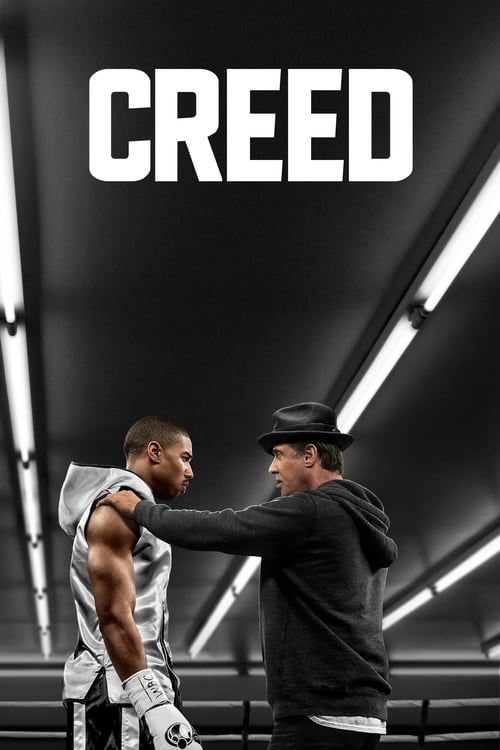
I distinctly remember sitting in a theater in 2015, my seat slightly lopsided because someone had jammed a wad of gum into the hinge, wondering if we really needed a seventh Rocky movie. We were right at the dawn of the "legacy sequel" boom—that specific Hollywood trend where aging icons pass the torch to a younger, more diverse generation—and I was already feeling the onset of franchise fatigue. I expected a cash grab; I walked out feeling like I’d just watched a heavyweight champion reclaim the belt.
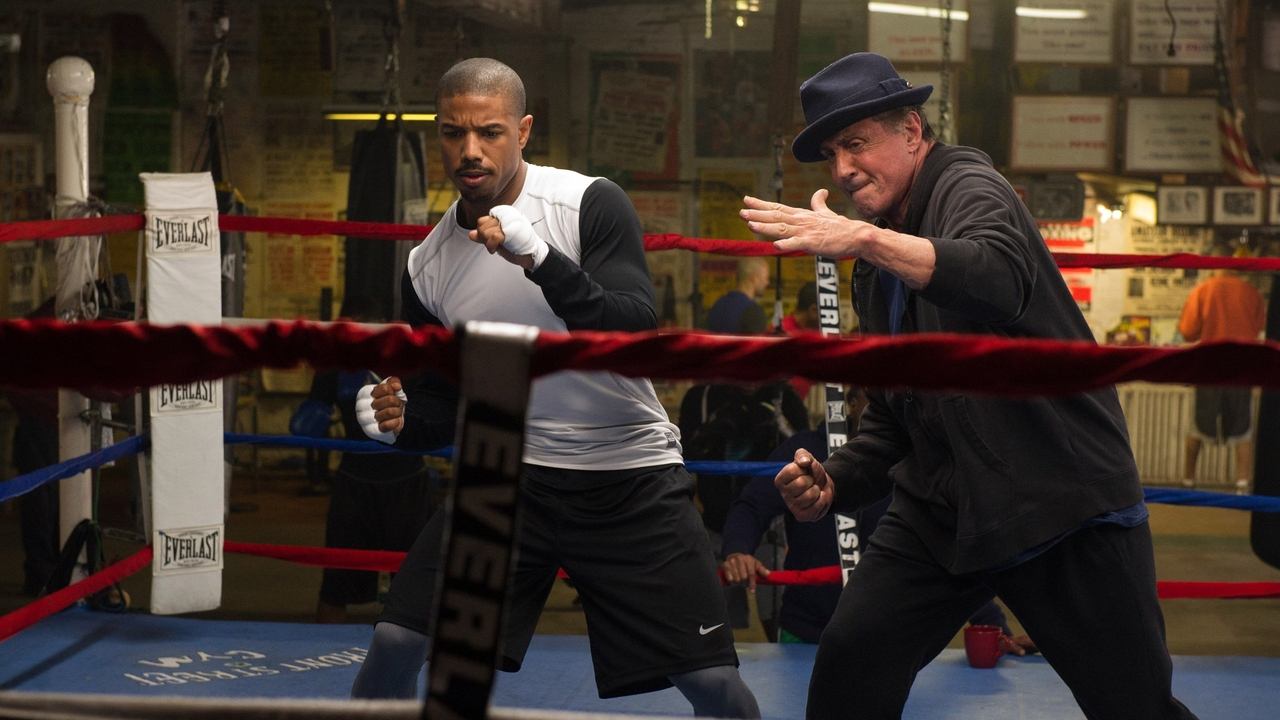
The Single-Take Magic
What Ryan Coogler (who would later go on to helm Black Panther) did with Creed wasn't just a revival; it was a reinvention. He understood that while we love the montages and the triumphs, a boxing movie is only as good as its grit. The standout moment for me—and arguably for the entire genre in the last decade—is the first professional fight between Adonis and Leo Sporino.
The entire two-round sequence is filmed in a single, unbroken take. The camera doesn't just watch the fight; it dances with the boxers. You see the sweat spray off Michael B. Jordan's brow in real-time, you hear the heavy, desperate thud of gloves hitting ribs, and you feel the claustrophobia of the ring. It makes most modern action scenes look like they were edited by a caffeinated toddler with a vendetta against clarity. By refusing to cut away, Coogler forces us to endure the exhaustion alongside Adonis. It’s a bravura piece of filmmaking that proves you don’t need a $200 million budget to create a spectacle that leaves an audience breathless.
The Passing of the Gloves
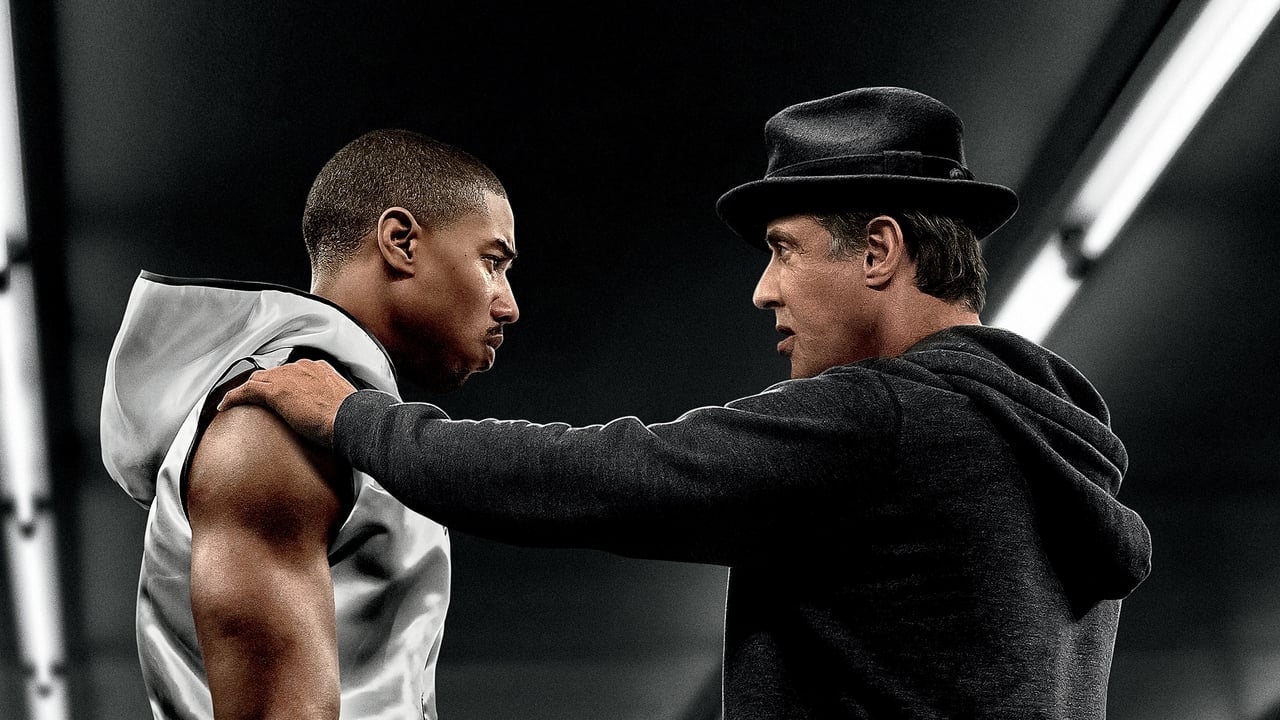
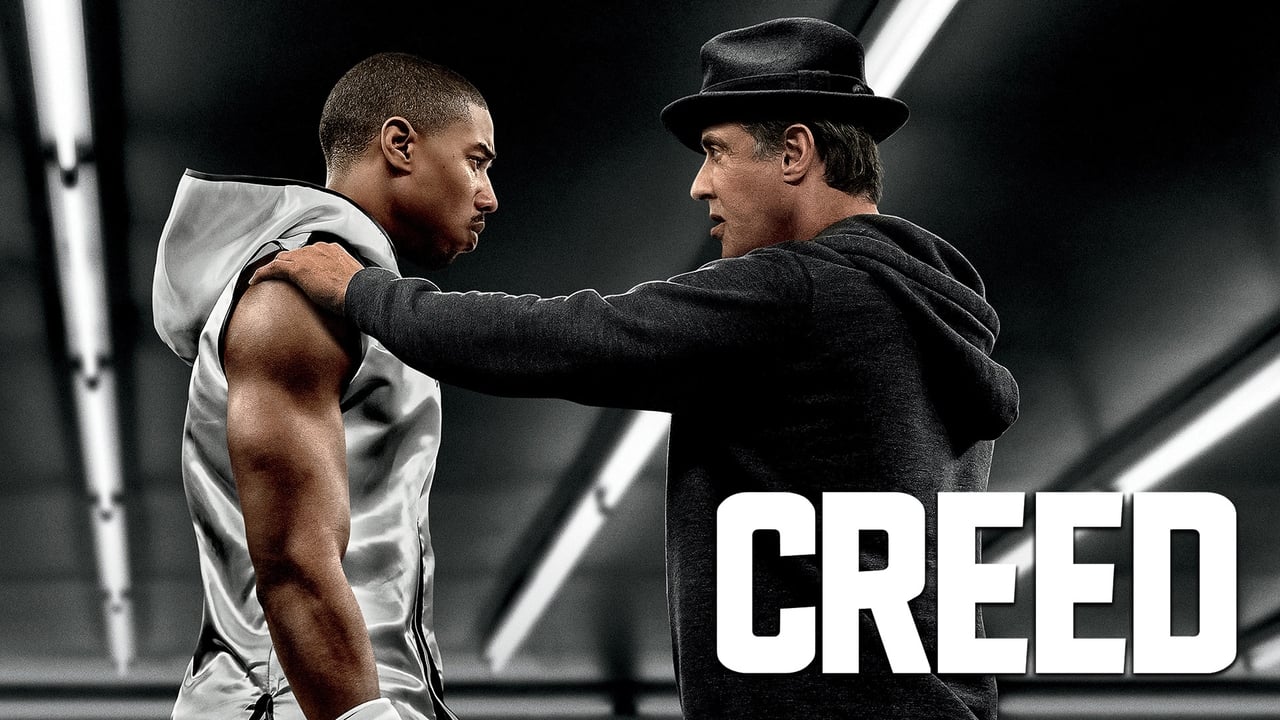
The chemistry between Michael B. Jordan and Sylvester Stallone is the soul of this film. Jordan brings a wounded, kinetic energy to Adonis—a man fighting a ghost (his father, Apollo Creed) as much as his opponents. He physically transformed for the role, and you can see the discipline in every frame. But it’s Stallone who provides the emotional anchor. Seeing Rocky Balboa face his own mortality—not in the ring, but in a doctor's office—is genuinely moving.
Stallone plays Rocky with a weary, gentle grace that I didn't think he still had in him. There’s a scene where he’s reading the newspaper at Apollo’s grave that hit me harder than any cinematic uppercut ever could. It’s a performance that earned him a well-deserved Oscar nomination and reminded the world that beneath the action-star exterior, there’s a real actor. Even Tessa Thompson, as the musician Bianca, refuses to be the "supportive girlfriend" trope. Her subplot regarding her progressive hearing loss mirrors Adonis’s struggle with his own inevitable legacy; they are both fighting against time and biology.
Beyond the Ring: Cool Details
The production of Creed was a fascinating blend of old-school grit and modern blockbuster polish. Apparently, Sylvester Stallone was initially very hesitant to do the film. Ryan Coogler had to pitch him multiple times because Stallone felt Rocky’s story had already reached a perfect conclusion in 2006's Rocky Balboa. It was Coogler’s personal connection to the material—his father was a massive Rocky fan—that eventually won him over.
Here are a few things that make the film even more impressive:
Michael B. Jordan actually took a real-life knockout punch to the face during filming. It was a "rite of passage" suggested by Stallone himself to ensure the scene looked authentic. To keep the boxing scenes grounded, they cast actual professional fighters. Tony Bellew, who plays "Pretty" Ricky Conlan, was a real-world cruiserweight champion, and Andre Ward (Danny 'Stuntman' Wheeler) is an Olympic gold medalist. The film was a massive commercial win, turning a $37 million budget into a global haul of over $173 million. In an era where mid-budget dramas were supposedly "dying" due to the rise of streaming, Creed proved that audiences would still show up for character-driven stories if the craft was there. The soundtrack cleverly bridges the gap between eras, mixing iconic Bill Conti-inspired swells with modern hip-hop, emphasizing that this is Philadelphia in the 21st century, not the 1970s.
Why It Matters Now
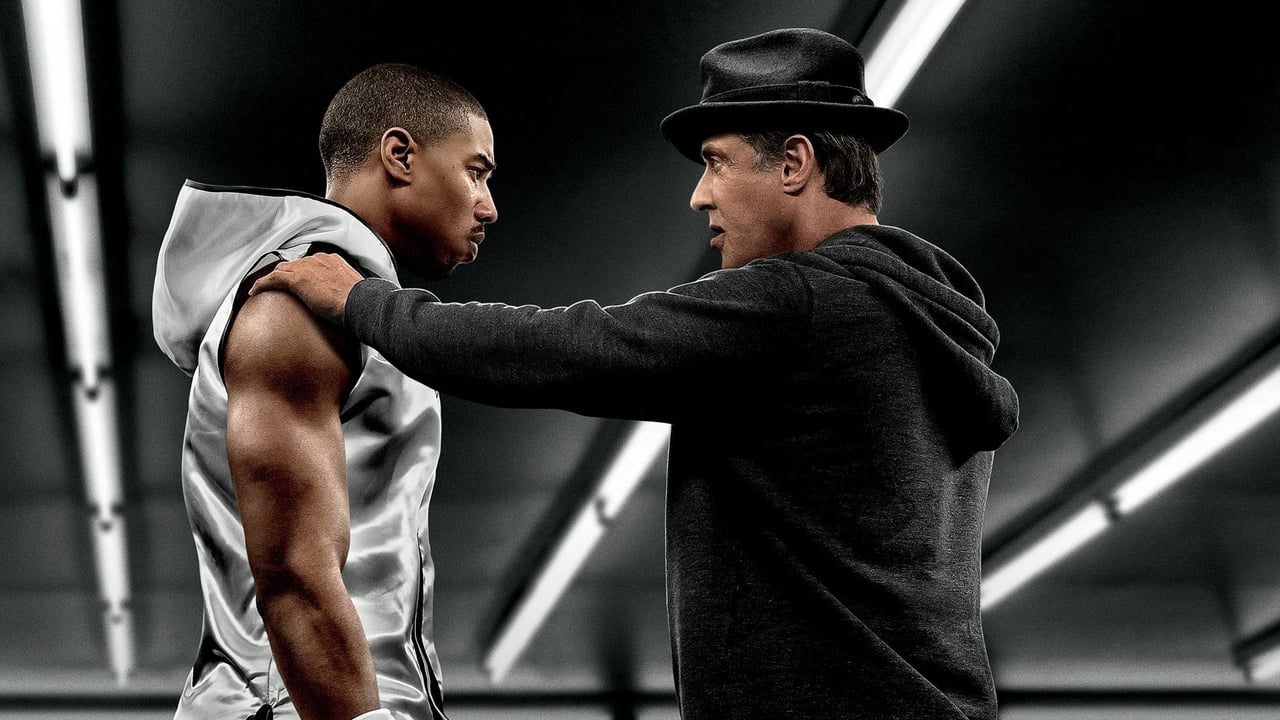
In our current era of "IP-driven" filmmaking, where every classic movie is being mined for parts, Creed stands as the gold standard for how to do it right. It doesn't just trade on your nostalgia; it earns its own place on the shelf. It captures the social reality of modern Philly, the complexities of Black identity, and the universal struggle of trying to step out from a parent's shadow.
I walked into the theater that day mostly because the air conditioning was broken in my apartment and I wanted a cold soda. I left wanting to run up a flight of stairs and do some shadowboxing. That’s the power of great cinema—it takes a formula you think you’ve seen a thousand times and makes it feel dangerously, excitingly new.
Creed is the rare legacy sequel that surpasses the original’s sequels to stand right alongside the 1976 classic. It’s a masterclass in tension, heart, and physical performance. Whether you're a die-hard boxing fan or just someone who appreciates a story about the underdog, this one hits exactly where it needs to. It’s a reminder that even when a franchise seems down for the count, the right voice can bring it back for one more championship round.
Keep Exploring...
-
Creed II
2018
-
Creed III
2023
-
Sinners
2025
-

Black Panther
2018
-
Black Panther: Wakanda Forever
2022
-
Ip Man 3
2015
-
Along with the Gods: The Two Worlds
2017
-
Dunkirk
2017
-
Sound of Freedom
2023
-
Ip Man 4: The Finale
2019
-
The Finest Hours
2016
-
Fruitvale Station
2013
-
Southpaw
2015
-
Patriots Day
2016
-
Logan Lucky
2017
-
Only the Brave
2017
-

21 Bridges
2019
-
Hotel Mumbai
2019
-
The Outpost
2020
-
Just Mercy
2019