Crimson Peak
"A bloody valentine to the ghost of romance."
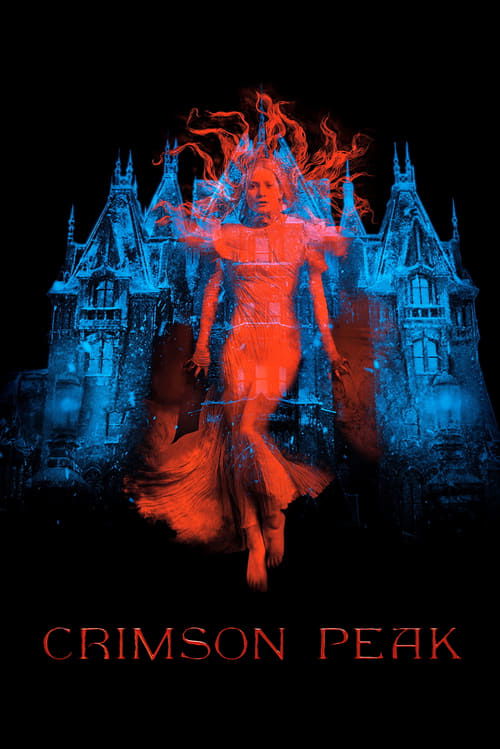
I remember walking into the theater in 2015 with a very specific expectation, fueled by a marketing campaign that promised a terrifying, seat-jumping experience akin to The Conjuring. I even brought a slightly stale blueberry muffin I’d snuck in from the cafe next door, thinking I’d need the sugar rush to handle the scares. Instead, I spent two hours ignored by the muffin, completely mesmerized by the most expensive, lush, and rain-drenched "Gothic Romance" ever put to film.
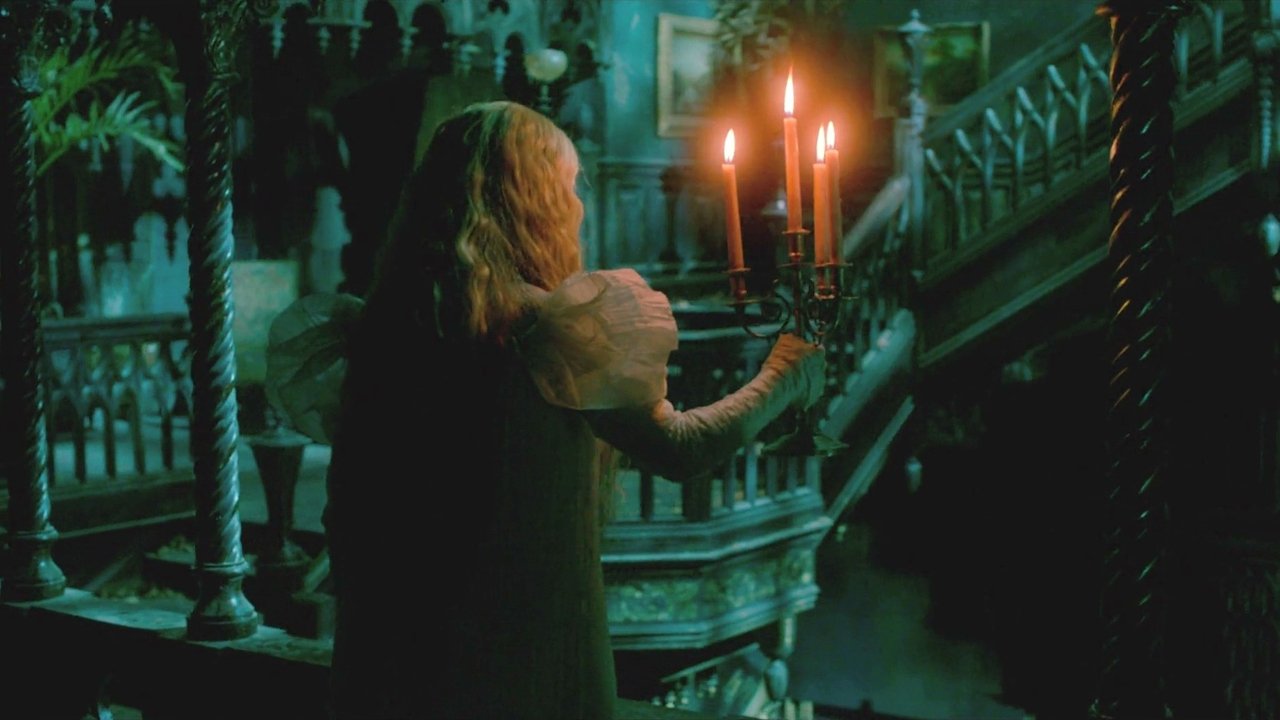
Guillermo del Toro didn't make a horror movie with Crimson Peak; he made a dark fairy tale about the kind of love that rots you from the inside out. At the time, audiences were a bit baffled. The mid-2010s were the height of the "elevated horror" shift, but people still wanted their ghosts to go boo in the dark. This film’s ghosts don’t just go boo—they sigh, they weep, and they look like they were dipped in cherry Jell-O. It’s a film that was misunderstood the moment it took its first breath, but looking at it now, it’s clearly one of the most singular visions of the last decade.
The House That Breathes
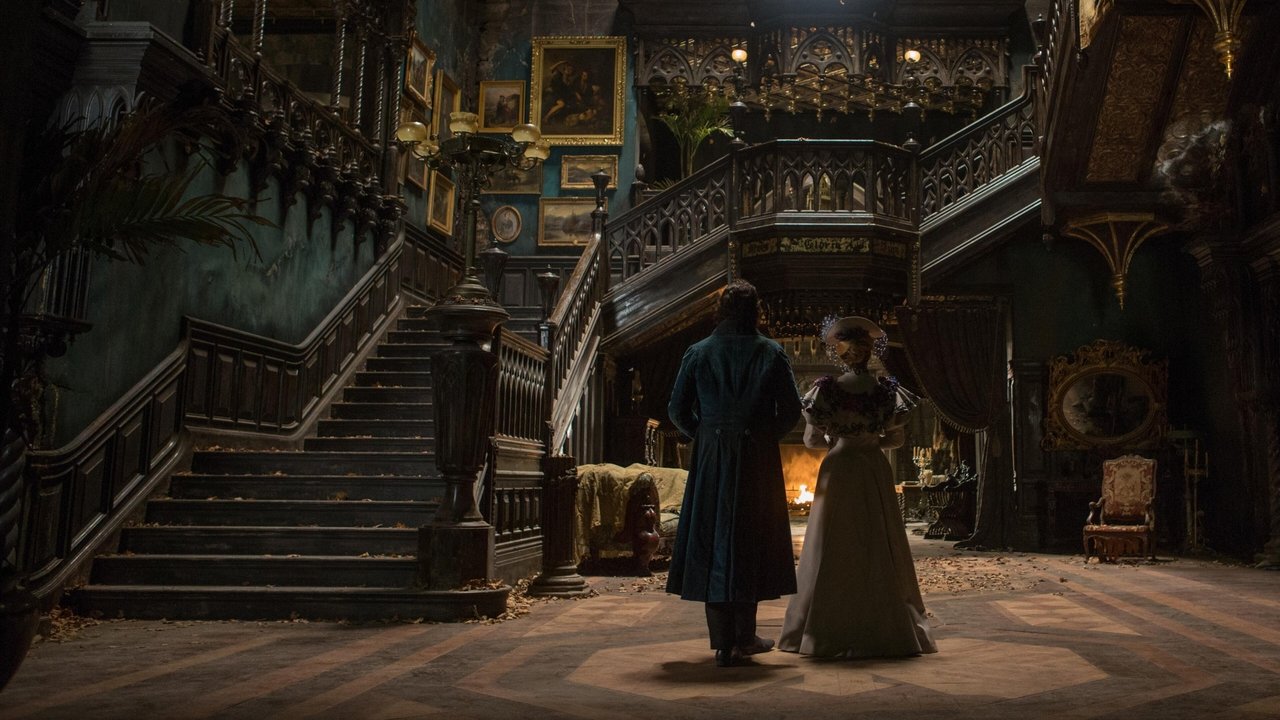
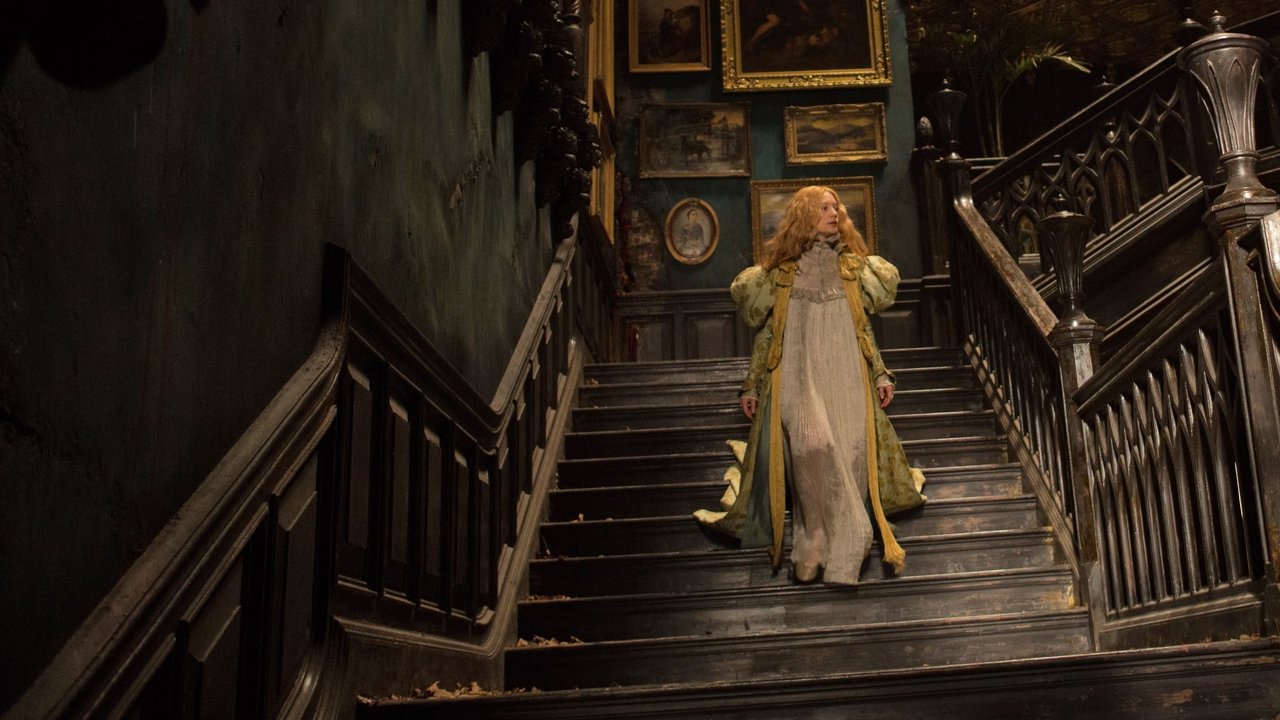
The real star of the show isn't even human. It’s Allerdale Hall. In an era where "The Volume" and green screens have turned many blockbusters into flat, digital soup, there is something deeply moving about the fact that del Toro and production designer Thomas E. Sanders (who worked on Bram Stoker's Dracula) built a three-story, fully functional mansion. It had working plumbing, a library, and a grand staircase that felt like it was carved out of a nightmare.
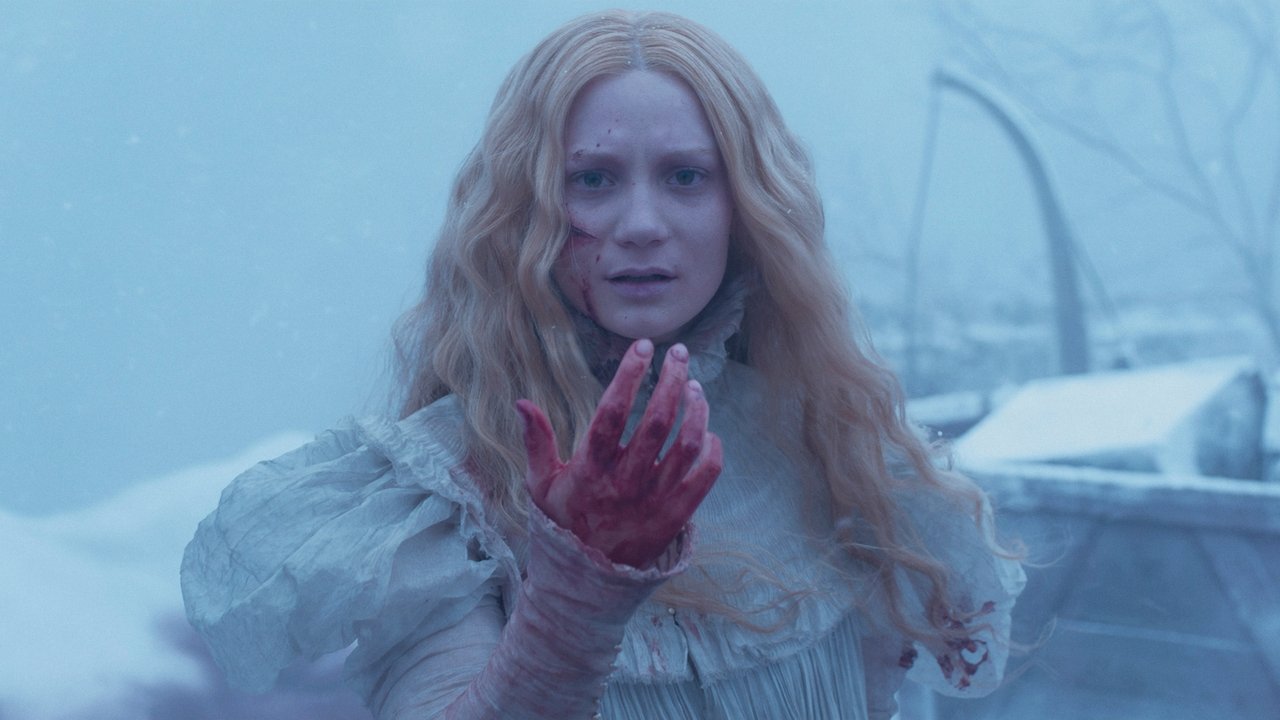
You can feel the weight of the wood. You can hear the house "breathing" as the wind whistles through the holes in the roof, sending autumn leaves fluttering down into the foyer. The house is literally sinking into a mountain of red clay, making it look like the floors are bleeding. It’s a production design flex so hard it’s practically a physical assault. The cinematography by Dan Laustsen (who later did The Shape of Water) uses a color palette so saturated it makes modern "gritty" movies look like they were filmed in a parking garage. Red isn't just a color here; it’s a warning, a wound, and a promise.
A Trio of Damned Souls
The plot is a classic Gothic setup: Edith Cushing (Mia Wasikowska), an aspiring author who prefers Mary Shelley to Jane Austen, is swept off her feet by the mysterious Sir Thomas Sharpe (Tom Hiddleston). He whisks her away to his crumbling English estate, where his sister, Lady Lucille (Jessica Chastain), waits with a cold stare and a very sharp set of keys.
Mia Wasikowska is great as the "final girl" who is actually smart enough to carry a candle into the dark, but the movie belongs to the Sharpes. Tom Hiddleston plays Thomas with a fragile, pathetic charm that makes you pity him even as you suspect he’s poisoning your tea. But Jessica Chastain? She is on another planet. She plays Lucille with a repressed, jagged intensity that explodes in the third act. Watching her scrape a spoon against a bowl of porridge is more terrifying than any of the CGI ghosts. Chastain’s performance is a high-wire act of Victorian camp and genuine psychosis. She understands exactly what kind of movie she’s in, and she leans into the melodrama until the joints creak.
Why It’s a Cult Classic Now
If you missed this in theaters because the reviews were mixed, you aren't alone. It flopped. It was a $55 million R-rated Gothic romance released in October—a month usually reserved for slasher sequels. But the "Popcornizer" crowd has a way of sniffing out greatness. Over the last few years, especially on streaming, Crimson Peak has been reclaimed by people who appreciate craft over jump scares.
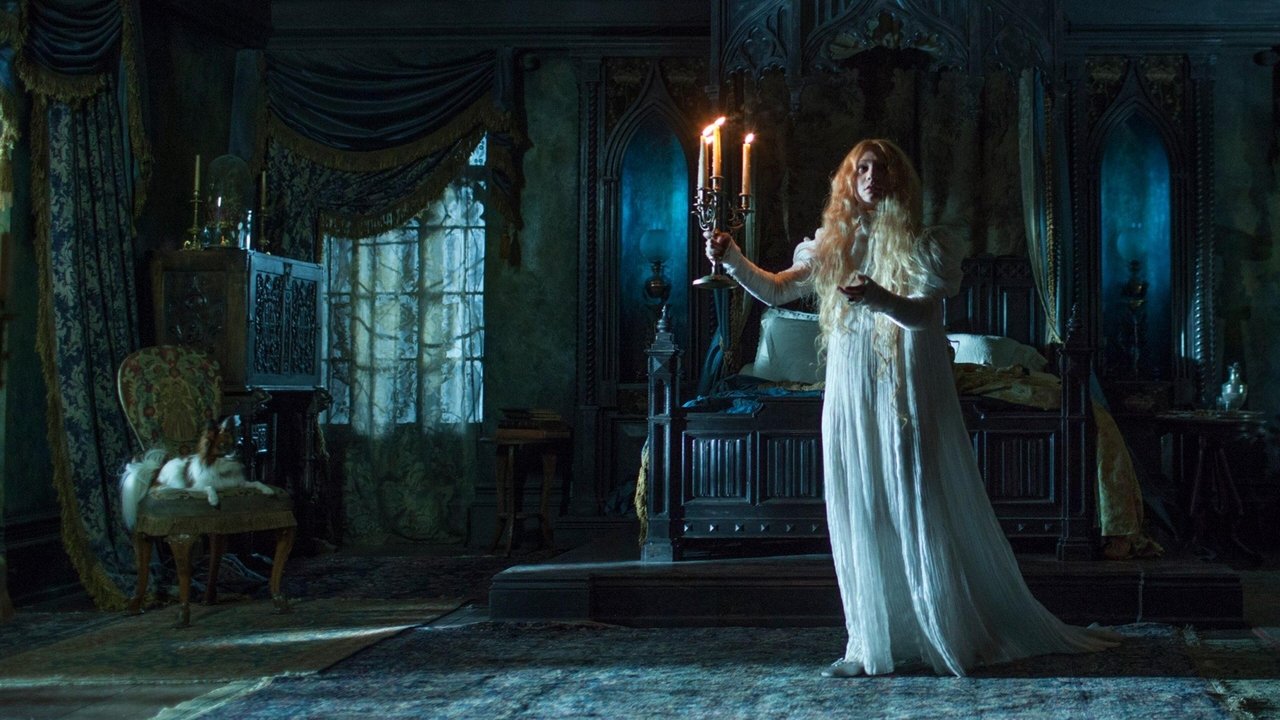
The film serves as a bridge between the classic Hammer Horror films of the 60s and our current obsession with "vibe-heavy" cinema. It doesn't care about being "realistic." It cares about how a velvet dress looks against a white snowdrift. It cares about the symbolism of a moth vs. a butterfly. Del Toro even insisted on having the ghosts played by physical actors in suits—specifically the legendary Doug Jones—before layering digital effects over them. It gives the spirits a jittery, uncanny presence that CGI alone can't replicate.
Stuff You Didn't Notice
The house was so large they couldn't fit it on a standard soundstage; they had to build it at Pinewood Toronto Studios, and it took six months to complete. The costumes are coded: Edith is often in "butterfly" colors (yellows/golds), while Lucille is the "black moth" of the house. The word "FEAR" is actually carved into the woodwork of the house in several places, hidden in the ornate designs of the furniture. Charlie Hunnam, playing the heroic Dr. McMichael, was told by del Toro to play his character like a "modern man" who wandered into a 19th-century novel—he’s the only one who uses logic, and the movie treats him like he’s slightly boring because of it. * The "red clay" was a specific chemical mixture that wouldn't stain the actors' expensive period costumes permanently, though Mia Wasikowska reportedly still ended up with pink-tinged shoes.
Crimson Peak is a magnificent, dripping, over-the-top poem of a movie. It’s for the dreamers, the goths, and anyone who thinks a house should have a personality. It’s not "scary" in the way Insidious is scary, but it’s haunting in the way a beautiful, tragic memory is haunting. If you have two hours and a love for impeccable wallpaper, let the Sharpes invite you in. Just, you know... maybe don't drink the tea.
Keep Exploring...
-
The Shape of Water
2017
-
Frankenstein
2025
-

Life
2017
-
Nightmare Alley
2021
-

Paper Towns
2015
-
Pride and Prejudice and Zombies
2016
-
The Boy
2016
-
A Cure for Wellness
2017
-
It Comes at Night
2017
-
Hereditary
2018
-
Suspiria
2018
-
The Ballad of Buster Scruggs
2018
-

Midsommar
2019
-
I'm Thinking of Ending Things
2020
-
The Pale Blue Eye
2022
-
Black Mirror: Bandersnatch
2018
-
Ghostland
2018
-

Pacific Rim
2013
-
Roald Dahl's The Witches
2020
-
Escape Room: Tournament of Champions
2021