Dark Places
"The truth is a dark place to hide."
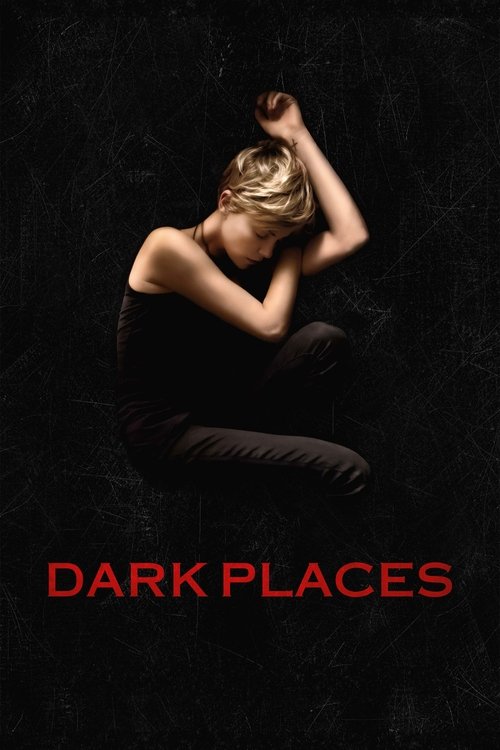
There is a specific kind of Midwestern grime that only a Gillian Flynn adaptation can truly capture. It’s the smell of stale cigarettes, the dampness of a basement that’s seen too much, and the lingering residue of a 1980s "Satanic Panic" that never quite left the cornfields. I remember sitting down to watch Dark Places on my laptop while my neighbor was very loudly attempting to learn the trumpet, and somehow those discordant, struggling brass notes perfectly matched the film’s sense of impending doom.
Coming out in 2015, Dark Places had the unfortunate luck of being the "Jan Brady" of Flynn movies. It arrived just as the fever for David Fincher’s Gone Girl was cooling, and compared to that sleek, high-budget juggernaut, Dark Places felt like a dusty relic found at a garage sale. It was dumped into a limited release via a DirecTV deal—a common death sentence for mid-budget dramas in the mid-2010s—and it vanished almost instantly. But looking at it now, in an era where we are utterly obsessed with "true crime" and the ethics of trauma-as-entertainment, the film feels surprisingly relevant.
The "Kill Club" and the Cost of Survival
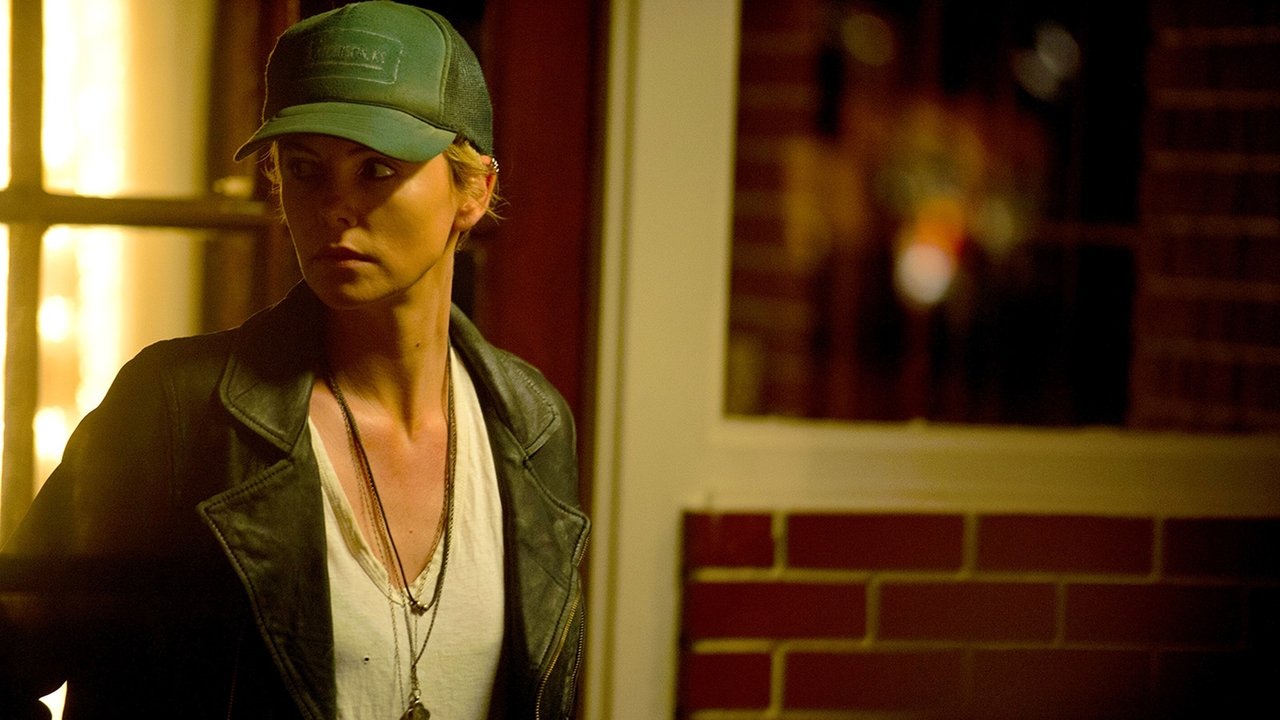
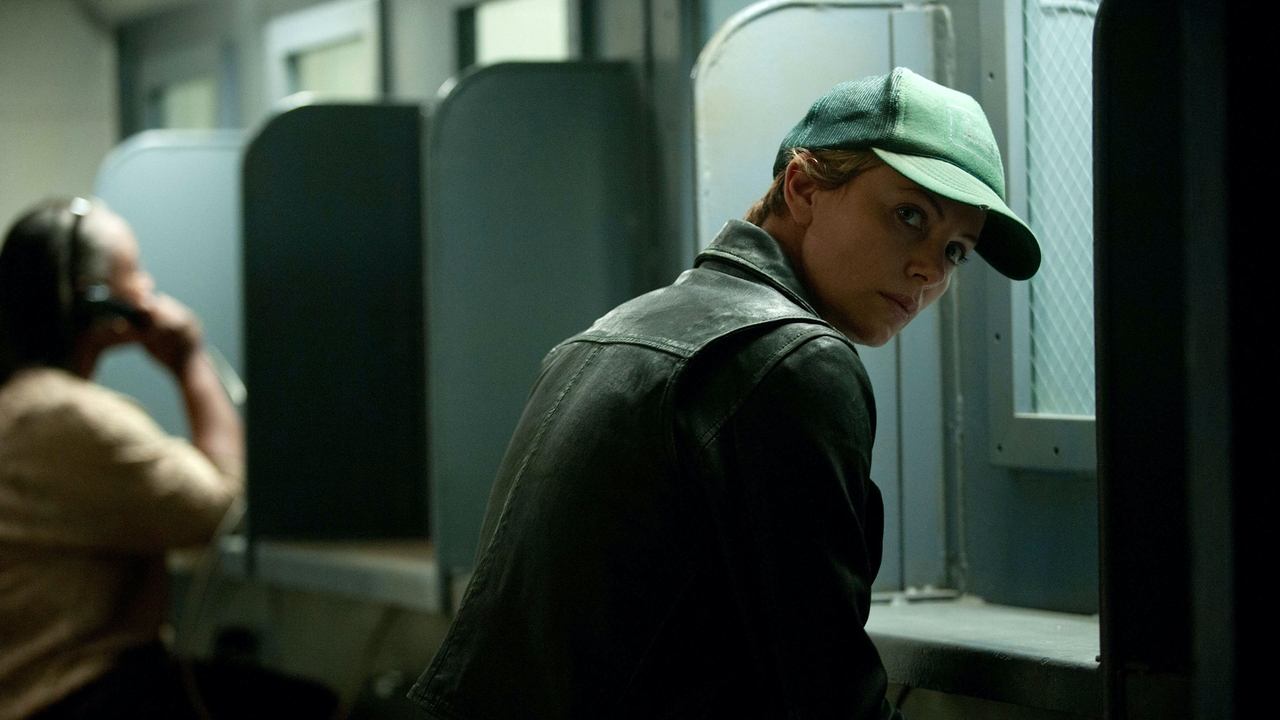
The story follows Libby Day, played with a permanent, defensive scowl by Charlize Theron. Libby is the sole survivor of a 1985 massacre that claimed the lives of her mother and sisters. Her brother, Ben, has been in prison for decades for the crime, largely based on Libby's own childhood testimony. Thirty years later, Libby is a "professional survivor"—she’s broke, bitter, and living off the dwindling donations of a public that has moved on to newer tragedies.
Enter the "Kill Club," a group of true-crime obsessives led by Lyle Wirth (Nicholas Hoult). They don't just collect memorabilia; they want to solve the cases the police got wrong. They offer Libby a payday to revisit her past, and she agrees—not out of a desire for justice, but because she needs the cash. I love how unlikable Libby is allowed to be. Charlize Theron resists every urge to make her a "strong female lead." Instead, she’s a prickly, stunted woman who has built a fortress out of her own victimhood. It’s a brave performance that reminds me why Theron is the queen of playing characters who refuse to be "nice."
A Cast Too Big for Its Own Good?
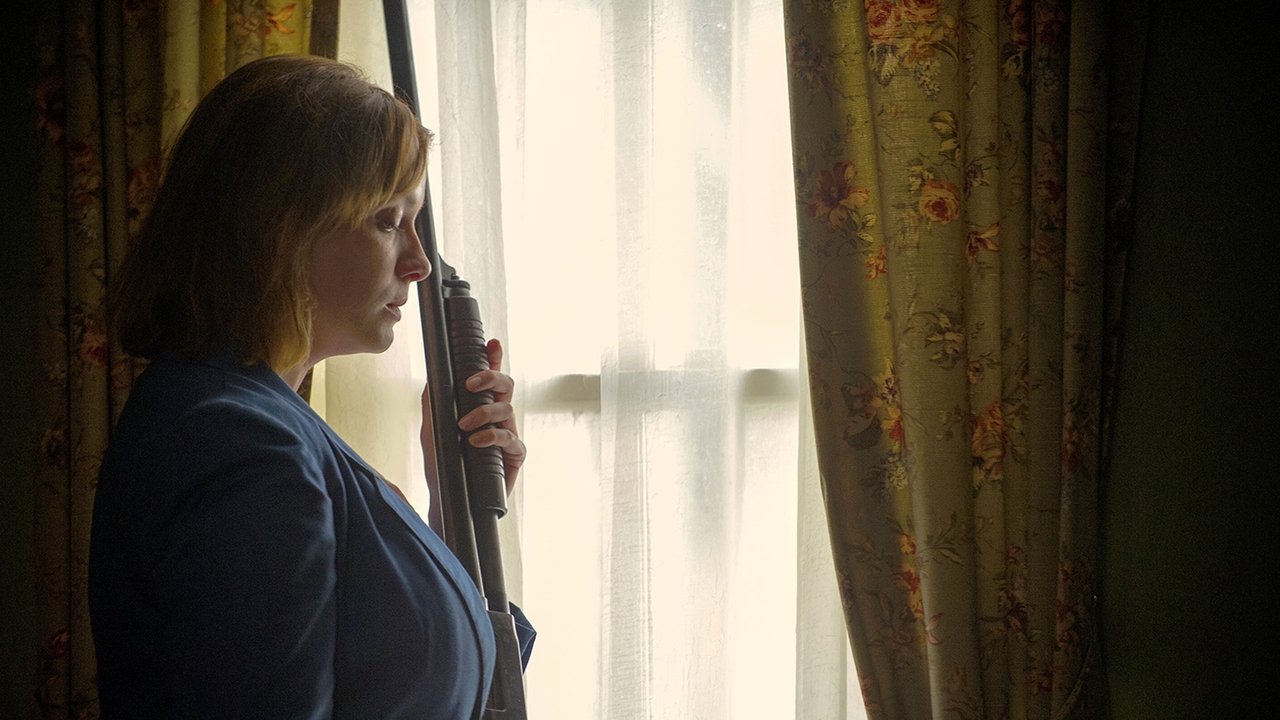
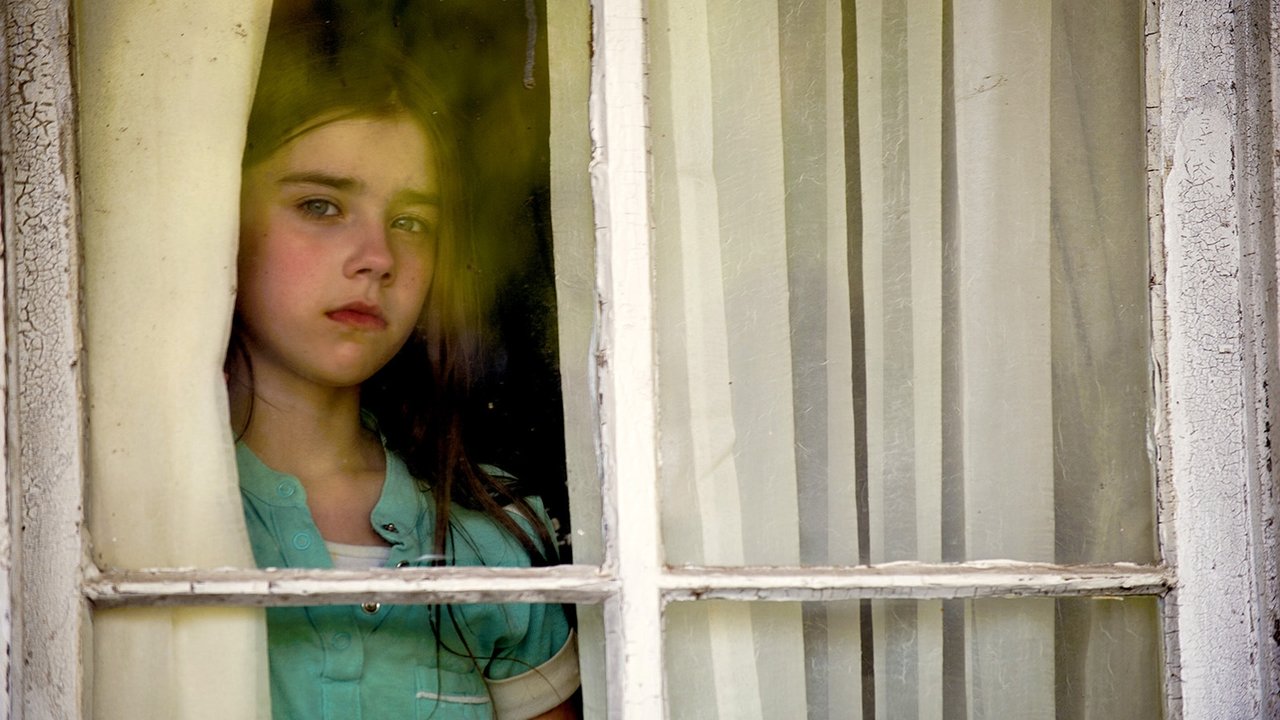
One of the most baffling things about this film's obscurity is the sheer volume of talent involved. It’s a murderer’s row of actors who, in 2015, were either at their peak or just about to explode. You have Christina Hendricks as the tragic Day matriarch, Patty, delivering a performance so heavy with desperation you can almost feel the humidity of the farm. Then there’s a young Tye Sheridan and Chloë Grace Moretz, playing out the 1980s timeline with a sense of "Satanic Panic" dread that feels like a precursor to Stranger Things, albeit much darker.
Nicholas Hoult's character looks like he belongs in a Hot Topic backroom in 2006, but he brings a necessary, naive energy that offsets Libby’s cynicism. The problem is that with so many moving parts and two distinct timelines, the film often feels like it's trying to cram a 500-page novel into a 113-minute box. Director Gilles Paquet-Brenner opts for a visual style that is functional but lacks the stylistic punch that a story this grim requires. It’s a drama that desperately wants to be a noir, but it settles for being a very well-acted police procedural.
Why It Vanished (And Why It Matters Now)
So, why did a movie starring an Oscar winner and half of Hollywood’s "next big things" make only five million dollars? The distribution strategy was the primary culprit. In 2015, the "streaming vs. theatrical" war was just heating up, and Dark Places was caught in the crossfire. By releasing on VOD before its limited theatrical run, it was branded as "not good enough" before most people even had a chance to see it.
However, looking at it through a contemporary lens, the film’s critique of the true-crime industry is fascinating. We live in the age of Serial and Making a Murderer, where people treat real-life tragedies like puzzles to be solved over brunch. Gilles Paquet-Brenner captures that weird, voyeuristic energy of the Kill Club perfectly. They treat Libby’s trauma like a collectible, and the film doesn't let them—or us—off the hook for that.
The 1980s sequences are actually the highlight for me. They capture the genuine terror of a family drowning in debt and the toxic way the "Satanic Panic" allowed small towns to project their fears onto "misfit" kids. Corey Stoll also turns in a quiet, haunting performance as the adult Ben, a man who has accepted his fate because he has nowhere else to go.
Dark Places isn't the masterpiece that Gone Girl was, and it occasionally trips over its own plot twists, but it is a deeply felt drama about how we carry—and sometimes monetize—our scars. It’s a grimy, uncomfortable sit that benefits from a stellar cast doing the absolute most with a script that feels a bit rushed. If you’re a fan of Gillian Flynn’s brand of "nothing is as it seems" Midwestern gothic, this is a hidden gem that deserved better than the digital bargain bin.
I left the film feeling a bit shaken, mostly by Christina Hendricks, whose performance haunted me long after my neighbor finally gave up on the trumpet. It’s not a fun watch, but in an era of sanitized franchise cinema, there’s something refreshing about a movie that is willing to be this genuinely miserable. It reminds me that the truth isn't always a relief; sometimes, it's just another weight to carry.
Keep Exploring...
-
Crooked House
2017
-
Suburbicon
2017
-
Terminal
2018
-
Bad Times at the El Royale
2018
-

Reptile
2023
-

Personal Shopper
2016
-
Heist
2015
-
Mr. Holmes
2015
-
Secret in Their Eyes
2015
-
Survivor
2015
-
The Infiltrator
2016
-
Roman J. Israel, Esq.
2017
-
The Discovery
2017
-
Thelma
2017
-

Anon
2018
-
Everybody Knows
2018
-
Under the Silver Lake
2018
-
Black and Blue
2019
-
Lost Bullet
2020
-
Kill the Messenger
2014