Don't Be Bad
"The last desperate breath of a dying poet."

Some directors spend their entire lives trying to say one thing, and Claudio Caligari spent thirty years saying it three times. When he passed away in 2015, just days after finishing the edit for Don’t Be Bad (Non essere cattivo), he left behind a film that felt less like a premiere and more like a ghost finally finding its way home. I remember sitting down to watch this on a laptop with a hairline crack across the screen, and honestly, the jagged line across the pixels made the harsh, sun-bleached streets of Ostia look even more broken than they already were. It fit.
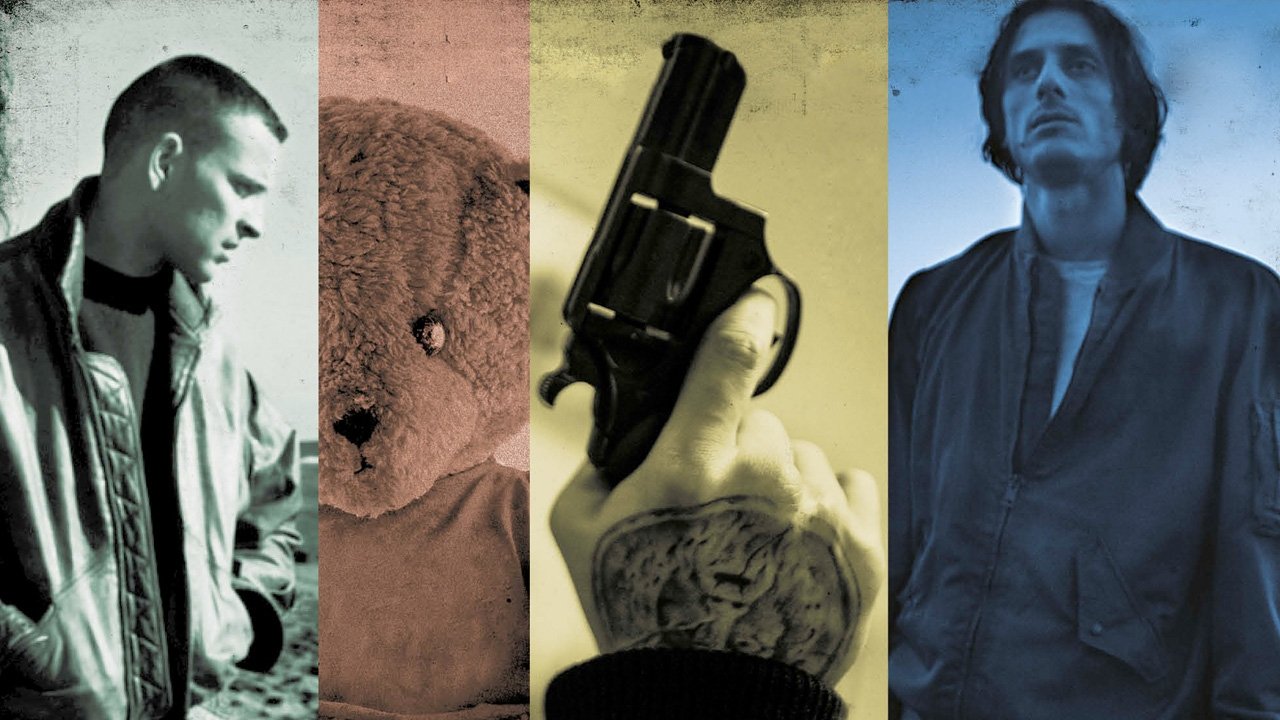
This isn’t your typical slick Italian crime saga. There are no grand villas or "men of honor" here. Instead, we’re dropped into the 1990s, on the periphery of Rome, where the air is thick with the smell of saltwater and cheap synthetic drugs. It’s a world of neon-lit discos and beat-up cars, where the only thing cheaper than the cocaine is the hope for a stable tomorrow.
The Last Testament of Ostia
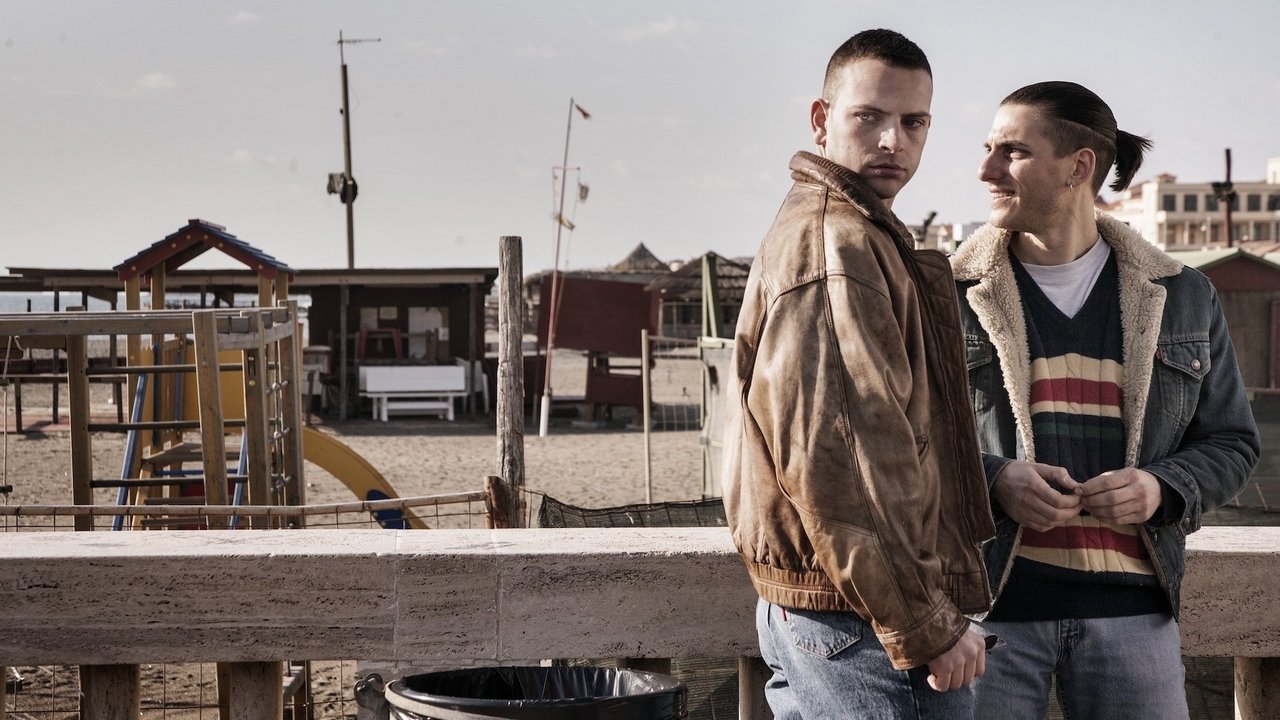
The story centers on two "brothers" in everything but blood: Cesare and Vittorio. If you’ve seen Luca Marinelli in The Old Guard or Alessandro Borghi in Suburra, you know they’re the heavyweights of contemporary Italian cinema, but Don’t Be Bad is where they truly caught fire.
Luca Marinelli plays Cesare with a terrifying, wide-eyed instability. He’s the kind of guy who’ll give you the shirt off his back one minute and then burn your house down the next because he felt a sudden, inexplicable itch in his soul. Alessandro Borghi’s Vittorio is the anchor, the one who looks at the wreckage of their lives and decides he wants to try—just try—to be "normal." But in Caligari’s world, "normal" is a foreign language that neither of them speaks very well.
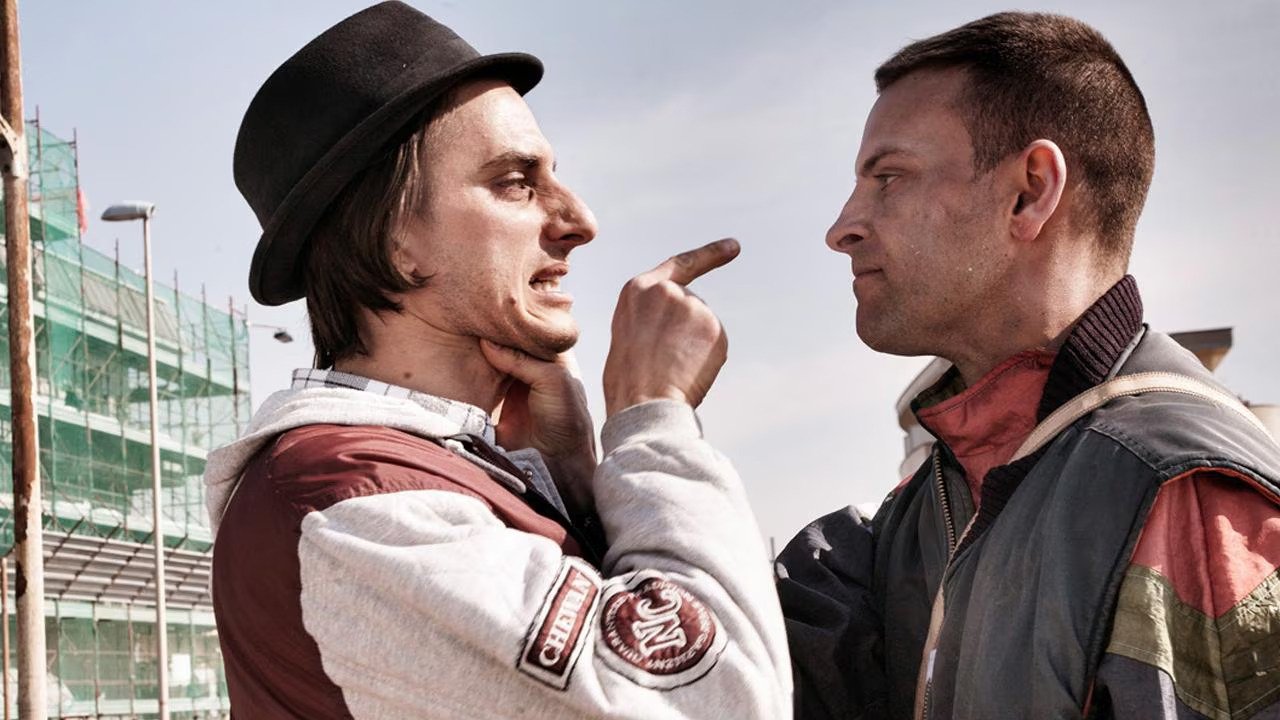
The film acts as a spiritual successor to Caligari’s 1983 cult hit Amore Tossico, but while that film was a raw, documentary-style look at heroin, this is a more polished, albeit still brutal, character study. It’s a drama that uses the trappings of a crime flick to ask if we’re actually capable of escaping our own shadows. Watching Cesare try to integrate into a "regular" job is like watching a wolf try to work a cash register at a suburban grocery store—you’re just waiting for the teeth to come out.
A Brotherhood of Burnouts
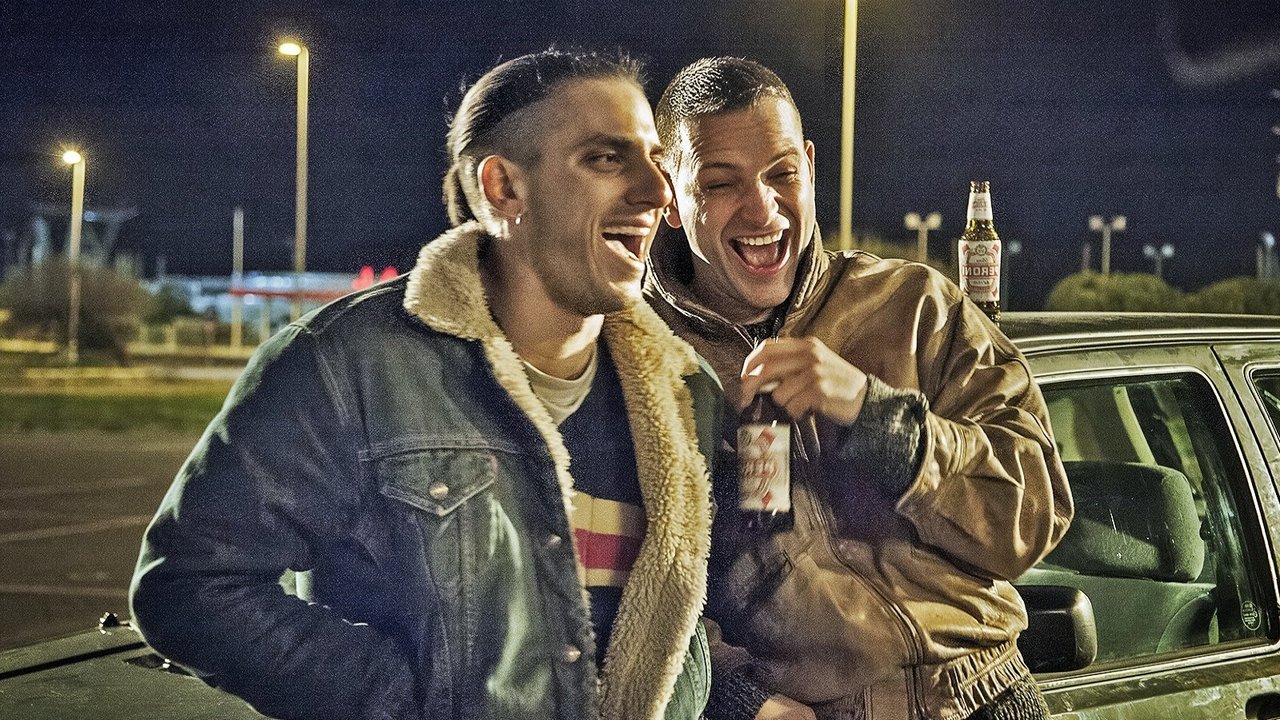
What I love about this film is how it handles the 90s setting. It doesn't rely on "I Love the 90s" nostalgia. There are no kitschy references to distract you. Instead, the era is felt in the grime, the specific pulse of the score by Paolo Vivaldi, and the way Maurizio Calvesi’s cinematography captures the Roman coast. It’s beautiful, but it’s a sickly kind of beauty—yellowed, hazy, and perpetually sweating.
The supporting cast, particularly Silvia D'Amico as Viviana and Roberta Mattei as Linda, do a lot of the heavy lifting when it comes to the film’s emotional authenticity. They aren't just "the girlfriends"; they are the ones who actually have to live with the consequences of the boys’ frantic, drug-fueled searching. There’s a scene involving a small child and a fever that is so quietly devastating it makes the actual "crime" elements of the movie feel trivial by comparison.
The production of this film is a story in itself. Caligari was terminally ill during the shoot, and it was his friend, the actor Valerio Mastandrea (who produced the film), who wrote a public letter to Martin Scorsese to help get the project the attention it deserved. That sense of urgency—of a man literally filming his last words—is baked into every frame. It’s a movie that refuses to be ignored because it knows it’s the end of the line.
Why It Vanished (And Why You Should Find It)
Despite being Italy’s submission for the Oscars that year, Don’t Be Bad remains a bit of a "hidden gem" outside of Europe. It arrived right as the streaming era was beginning to saturate the market with high-gloss crime dramas, and a gritty, low-budget Italian period piece about drug addicts in Ostia wasn’t exactly an easy sell for a Friday night binge.
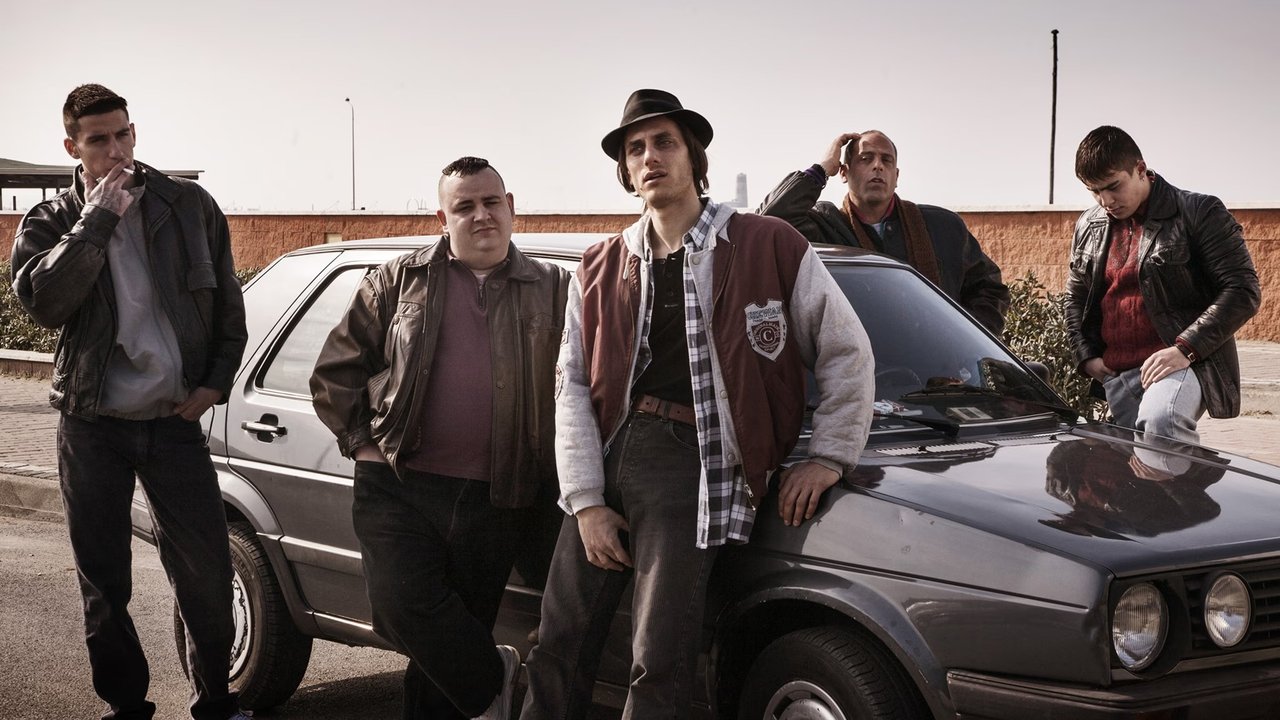
But it’s the kind of film that sticks to your ribs. It’s dark, yes, and it doesn't offer the easy comfort of a "just say no" PSA. It acknowledges that for people like Cesare and Vittorio, the "bad" isn't just something they do; it’s the air they breathe. The film manages to be incredibly intense without ever feeling like it’s exploiting the misery of its characters. It has a heart, even if that heart is currently beating at 140 BPM thanks to a handful of pills.
If you’re tired of the sanitized, franchise-driven landscape of modern cinema, this is the antidote. It’s messy, it’s loud, and it’s deeply human. It reminds me why I fell in love with movies in the first place—not for the explosions, but for the way a camera can look at a broken person and find something worth saving.
This is a film that demands your full attention and rewards it with a lingering sense of melancholy. It’s a masterclass in performance from Luca Marinelli and Alessandro Borghi, and a fitting, fiery goodbye from a director who never compromised. It’s not an easy watch, but the best ones rarely are. Seek it out, put your phone away, and let the sun-drenched tragedy of Ostia wash over you. It’s the kind of cinema that leaves a mark.
Keep Exploring...
-
Suburra
2015
-
Batman vs. Robin
2015
-

Miss Sloane
2016
-
See You Up There
2017
-
22 July
2018
-
The Guilty
2018
-

The Traitor
2019
-
The Place
2017
-
Dogman
2018
-
The Unforgivable
2021
-
November
2022
-
The Outfit
2022
-
Dogman
2023
-
Beating Hearts
2024
-

STRAW
2025
-
Hell or High Water
2016
-
Patriots Day
2016
-
Sherlock: The Abominable Bride
2016
-
Snowden
2016
-
The Accountant
2016