Equals
"In a world without feeling, love is a virus."
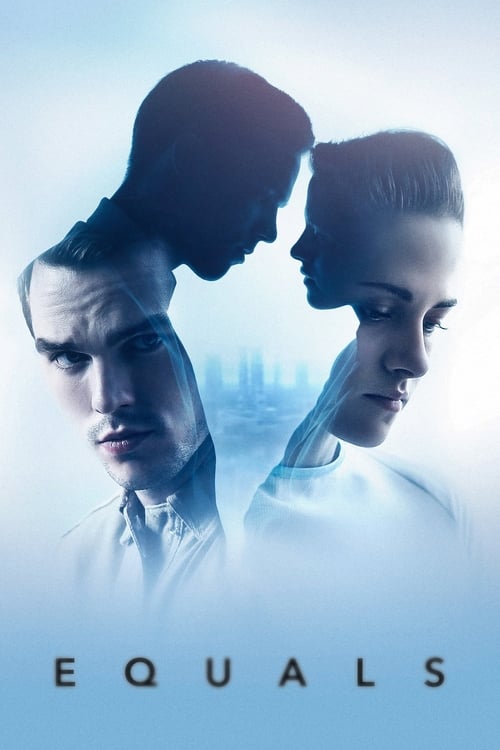
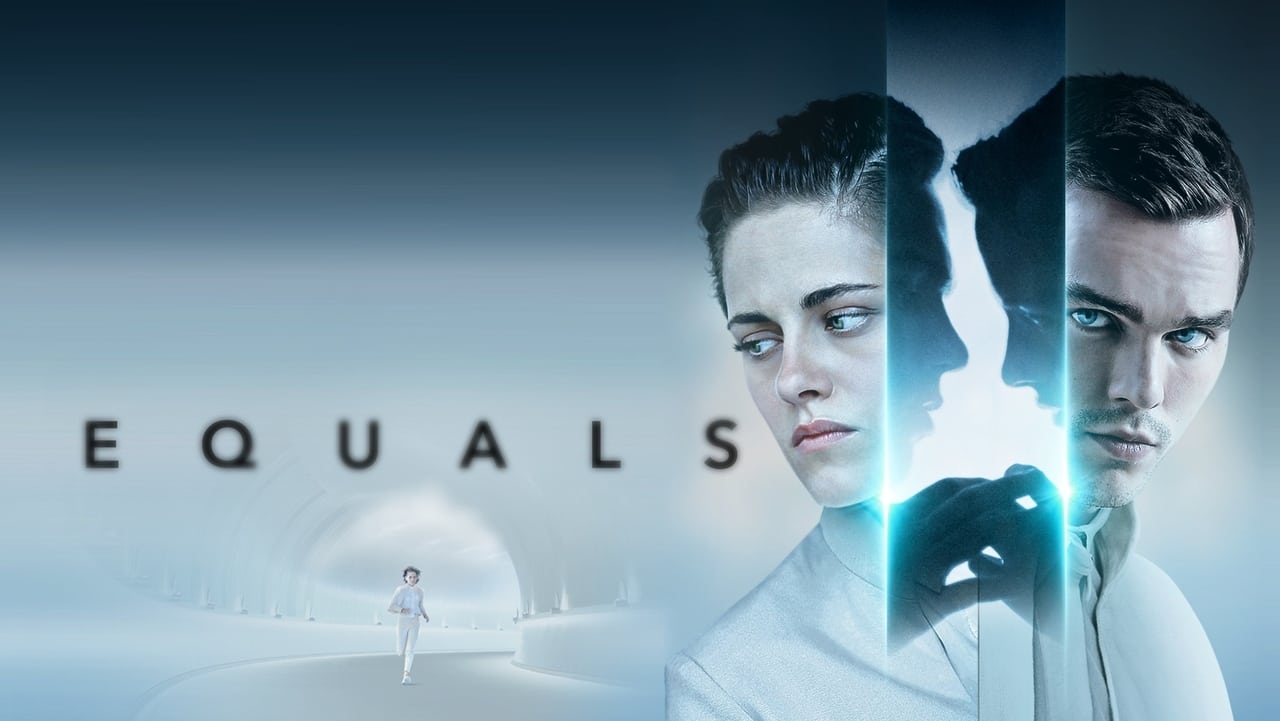
Imagine a world designed by an IKEA architect who was currently going through a very polite, very quiet divorce. That is the aesthetic of Equals, a film so clean, so white, and so aggressively hushed that you feel like you should wash your hands before even pressing play. Released in 2015, just as the YA dystopian craze was starting to lose its flavor, director Drake Doremus decided to pivot away from the explosive rebellions of The Hunger Games to give us something much more internal. It’s a sci-fi romance that treats a heartbeat like a jump scare and a hand-hold like a felony.
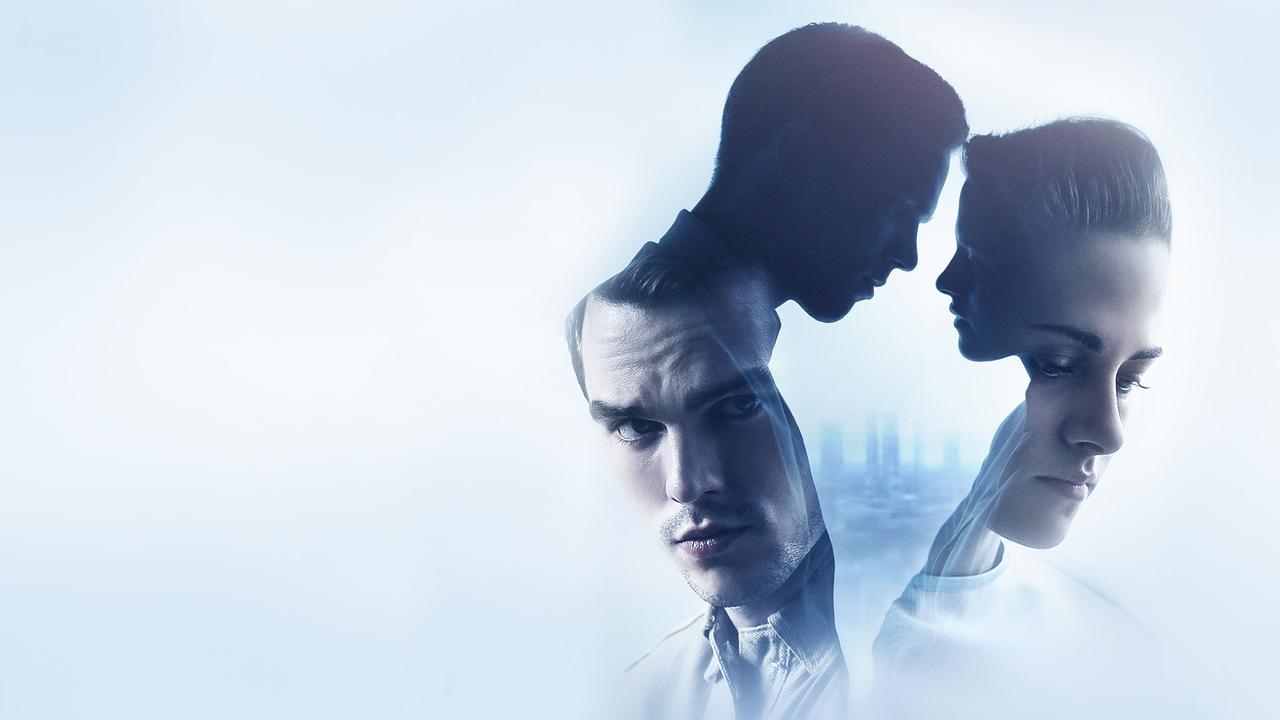
I watched this recently on my laptop while eating a bowl of lukewarm oatmeal, and the sheer lack of color on the screen made my breakfast look like a Technicolor dream by comparison. But strangely, that’s exactly the point.
The Sterile Beauty of Nothing
The film drops us into "The Collective," a post-apocalyptic utopia where humanity has successfully edited out the messy bits of the soul. No anger, no jealousy, and—most importantly—no love. When citizens start feeling things, they are diagnosed with "Switched On Syndrome" (SOS), a terminal disease that eventually leads to "The Den," a place nobody returns from. It’s a familiar trope—think THX 1138 meets Equilibrium—but without the cool gun-kata or the George Lucas grit.
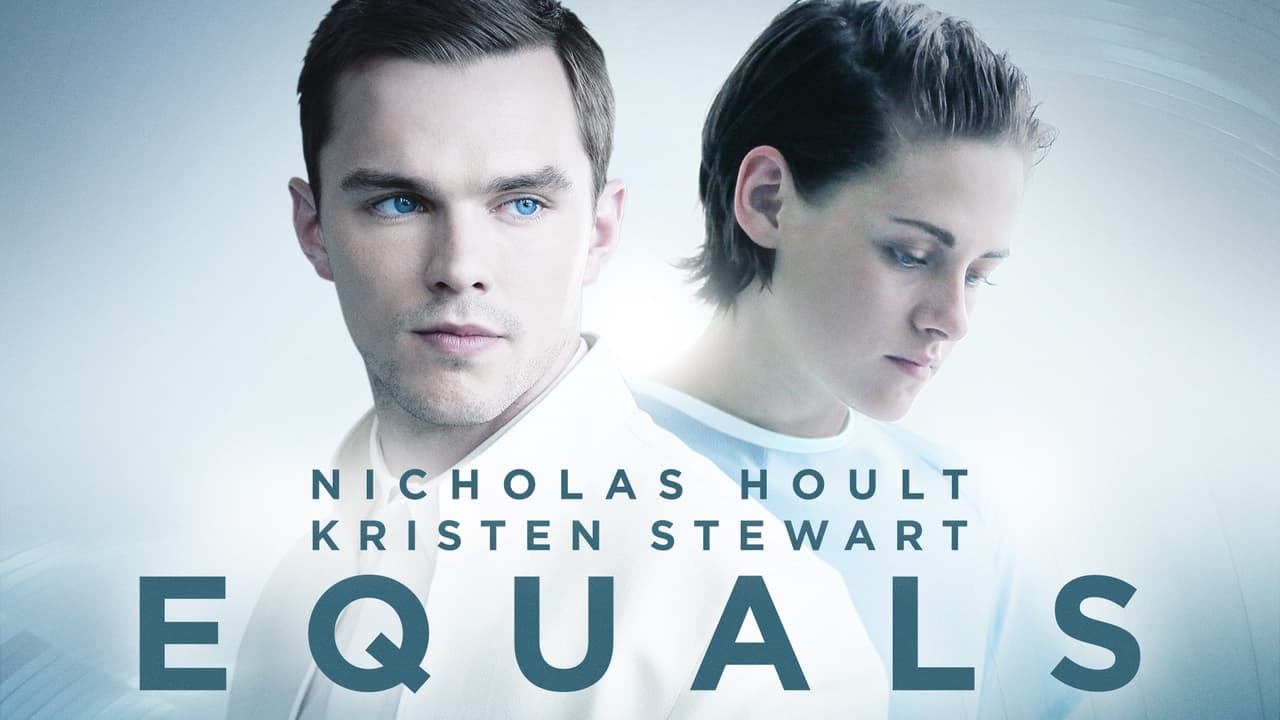
Nicholas Hoult (fresh off his high-octane turn in Mad Max: Fury Road) plays Silas, an illustrator who notices his vision is getting a little too vivid and his chest a little too heavy. He’s "switched on." He soon notices that his coworker, Nia, played by Kristen Stewart, is also a "hider"—someone who feels but has mastered the art of the blank stare.
For years, Kristen Stewart was unfairly maligned for being "expressionless" in the Twilight films, but Equals proves that her minimalism is a specialized tool. Here, her stillness is a survival tactic. When she finally lets a micro-expression slip—a slight twitch of the lip or a glassy sheen in her eyes—it carries the weight of a tectonic shift. Nicholas Hoult matches her well, playing Silas with a boyish vulnerability that makes his eventual "awakening" feel genuinely painful.
Intimacy Under a Microscope
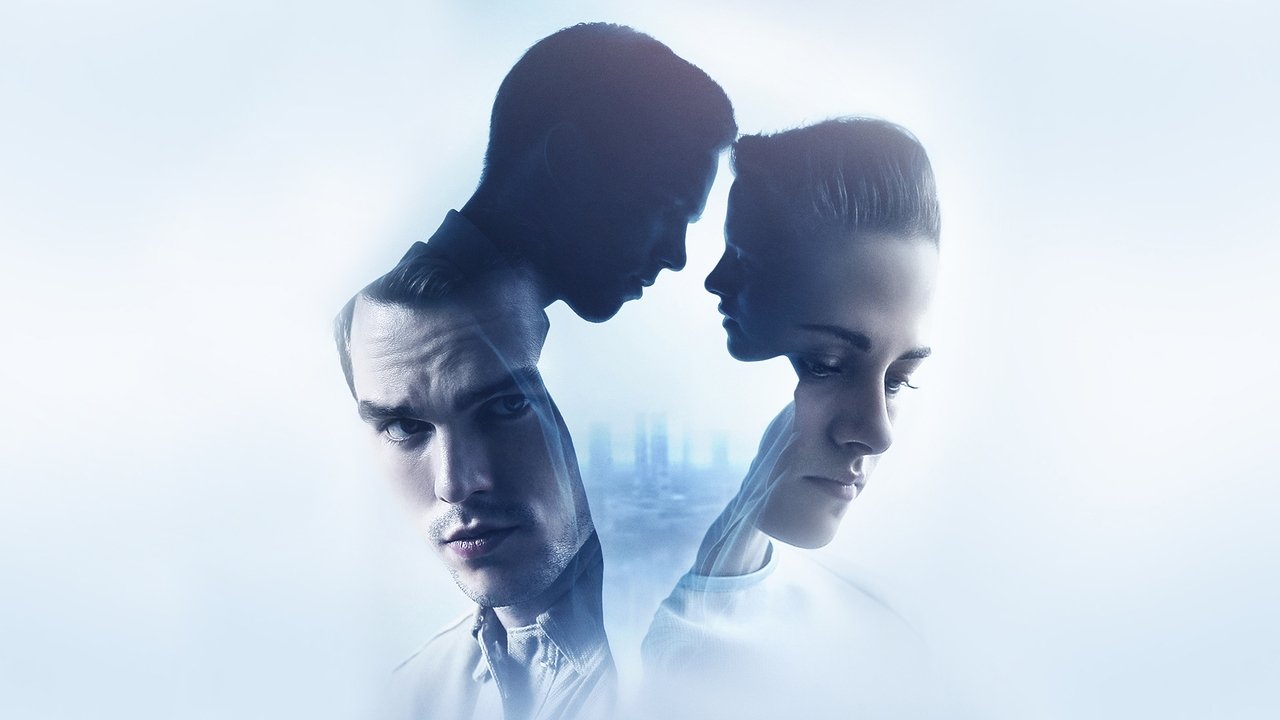
Drake Doremus (who previously wrecked our hearts with the indie-hit Like Crazy) isn't interested in the politics of this world. He doesn't care how the "Great Civil War" happened or how the technology works. He wants to put his camera three inches from his actors' faces and stay there. The cinematography by John Guleserian is a masterclass in shallow focus; the world is a blur of blue and white, leaving only the skin and eyes of the lovers in sharp relief.
This is where the film wins me over. In an era of franchise filmmaking where every sci-fi movie needs a $200 million third-act battle, Equals is basically a high-budget perfume commercial for existential longing, and I mean that as a compliment. It’s slow. Some might say glacial. But if you’ve ever been in a situation where you had to hide your feelings for someone, the tension in these quiet scenes will make your skin crawl in the best way possible.
The supporting cast is criminally underused but adds necessary gravity. Guy Pearce and Jacki Weaver appear as members of an underground support group for the "switched on," providing a glimpse into the tragic life of "defectives" who just want to feel a pulse. Bel Powley also pops up briefly, reminding us that there is life outside the sterile office pods, even if that life is shrouded in fear.
Why It Vanished (And Why to Find It)
Equals was a massive box office flop, earning barely $2 million against a $16 million budget. It’s not hard to see why. It’s too "artsy" for the Divergent crowd and perhaps too "YA" for the hardcore sci-fi cinephiles. It was dumped into a limited theatrical release before being whisked away to the depths of streaming services, where it has sat like a forgotten digital artifact.
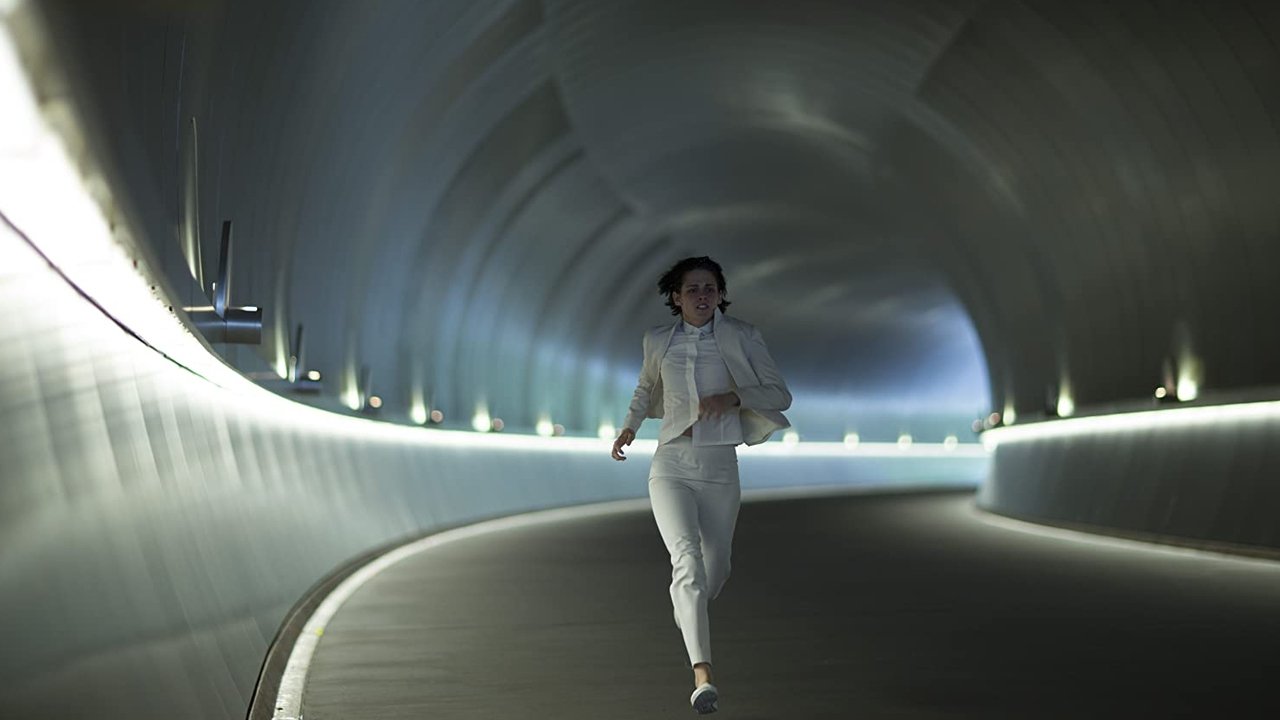
Does it have flaws? Absolutely. The ending feels like it’s trying to pull a Romeo and Juliet but loses its nerve at the last second, and the world-building is thinner than the linen shirts the characters wear. However, in our current moment of digital detachment and social media curated perfection, there’s something incredibly relevant about a movie that argues suffering is a fair price to pay for the ability to feel a damn thing.
It’s a mood piece. It’s a vibe. It’s the kind of movie you put on when it’s raining outside and you want to feel slightly melancholy but also strangely hopeful about the human capacity for irrationality. It didn't start a franchise, and it didn't change the face of cinema, but it captured a very specific, quiet kind of beauty that we rarely see in modern science fiction.
If you can handle the slow pace and the blindingly white sets, Equals offers a surprisingly tender experience. It’s a film that demands you turn off your phone, dim the lights, and remember what it’s like to have a heart that beats a little too fast. Just don't expect any explosions—unless you count the ones happening behind Kristen Stewart’s eyes.
Keep Exploring...
-
The Discovery
2017
-
Tolkien
2019
-
Attraction
2017
-
Z for Zachariah
2015
-
2:22
2017
-
The Space Between Us
2017
-

Like Crazy
2011
-
Passengers
2016
-

Far from the Madding Crowd
2015
-
Loving
2016
-
Midnight Special
2016
-

The Light Between Oceans
2016
-
Home Again
2017
-

Wonder Wheel
2017
-
Disobedience
2018
-
Replicas
2018
-

The Aeronauts
2019
-

Mary Shelley
2017
-
Fallen
2016
-
High Strung
2016