Everest
"Nature doesn't care about your bucket list."
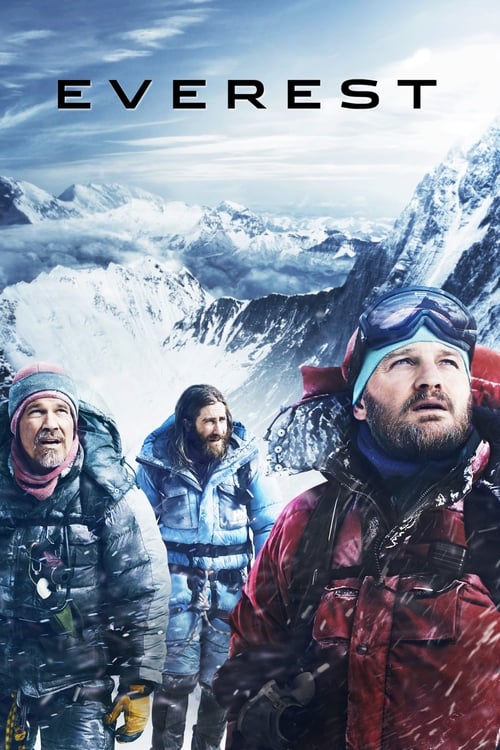
The sheer, agonizing sound of the wind in Everest is something I can still feel in my molars. It’s not just a background effect; it’s a predatory roar that reminds you, every second, that humans have absolutely no business being five miles above sea level. I watched this again on a Tuesday night while nursing a mild head cold, and by the end, I was convinced I had actually developed frostbite on my left pinky toe despite being wrapped in a wool blanket. That is the power of Baltasar Kormákur’s 2015 survival epic—it’s a film that demands you turn your thermostat up three degrees.
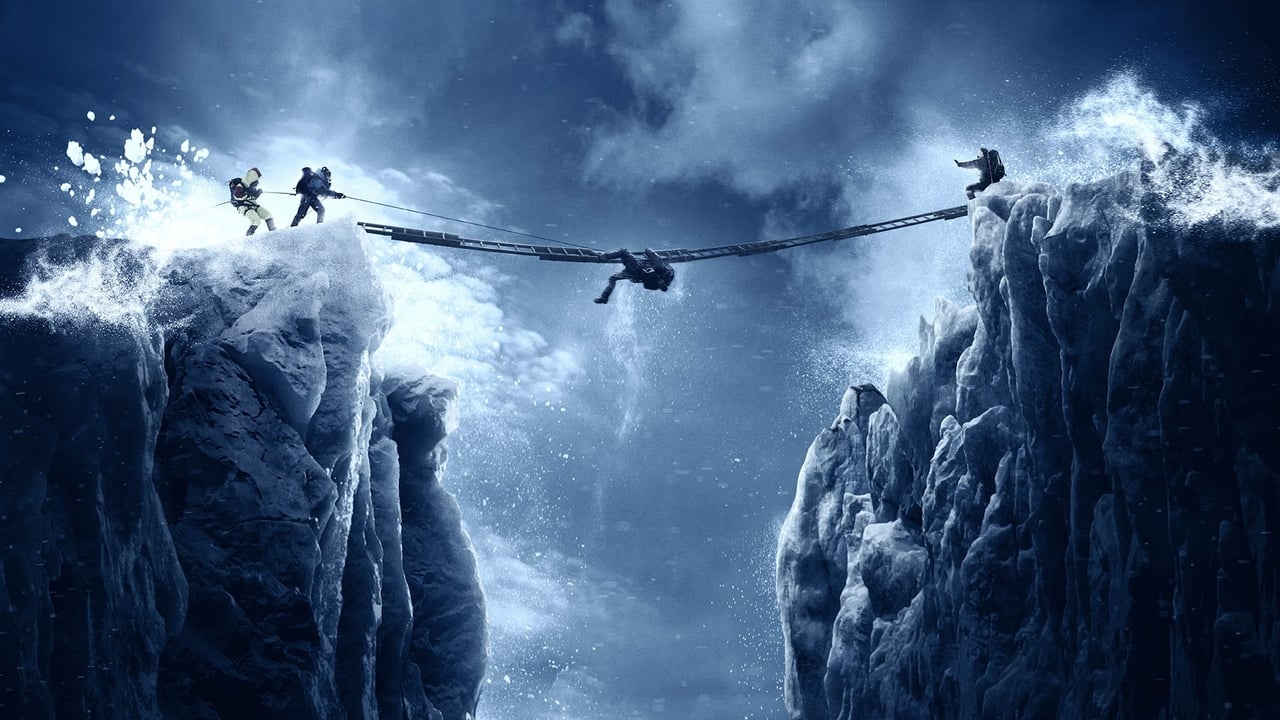
Released during that mid-2010s sweet spot where studios were still willing to throw $55 million at a non-franchise, R-rated (well, PG-13, but emotionally R-rated) survival drama, Everest stands as a chilling counterpoint to the superhero saturation that was just beginning to choke the multiplex. It doesn't offer a villain you can punch or a third-act portal in the sky. It offers physics. It is basically a horror movie where the monster is just gravity and a lack of oxygen, and it treats its source material—the 1996 Mount Everest disaster—with a somber, almost clinical respect that I find increasingly rare in contemporary cinema.
A Mountain of Logistics and Human Ego
The film follows two competing expedition groups, Adventure Consultants led by the methodical Rob Hall (Jason Clarke) and Mountain Madness led by the more bohemian Scott Fischer (Jake Gyllenhaal). The narrative spends a good chunk of its first hour grounding us in the "why." Why do people pay $65,000 to risk their lives for a few minutes on a frozen rock? We see the commercialization of the mountain in full swing, a theme that feels even more relevant today as we see photos of literal traffic jams in the "Death Zone."
Jason Clarke gives one of his best, most understated performances here. He isn't a hero in the traditional sense; he’s a project manager whose office happens to be a glacier. His chemistry with John Hawkes, who plays the "everyman" mailman Doug Hansen, provides the film’s emotional anchor. When the storm eventually hits—and it hits with a terrifying, sensory-overloading crash—it’s the breakdown of Rob’s meticulous planning that creates the most dread.
On the other side, Josh Brolin plays Beck Weathers with a swaggering Texan bravado that masks a deep, existential hollow. Brolin is phenomenal at playing men who think they can outrun their problems by climbing over them. The ensemble is rounded out by Sam Worthington and Elizabeth Debicki, the latter of whom does a lot of heavy lifting as the base camp coordinator, Caroline Mackenzie. It’s a thankless role on paper, but Debicki manages to convey the frantic, helpless terror of being the "voice in the ear" while your friends are dying in real-time.
The Tactile Brutality of 2015 Tech
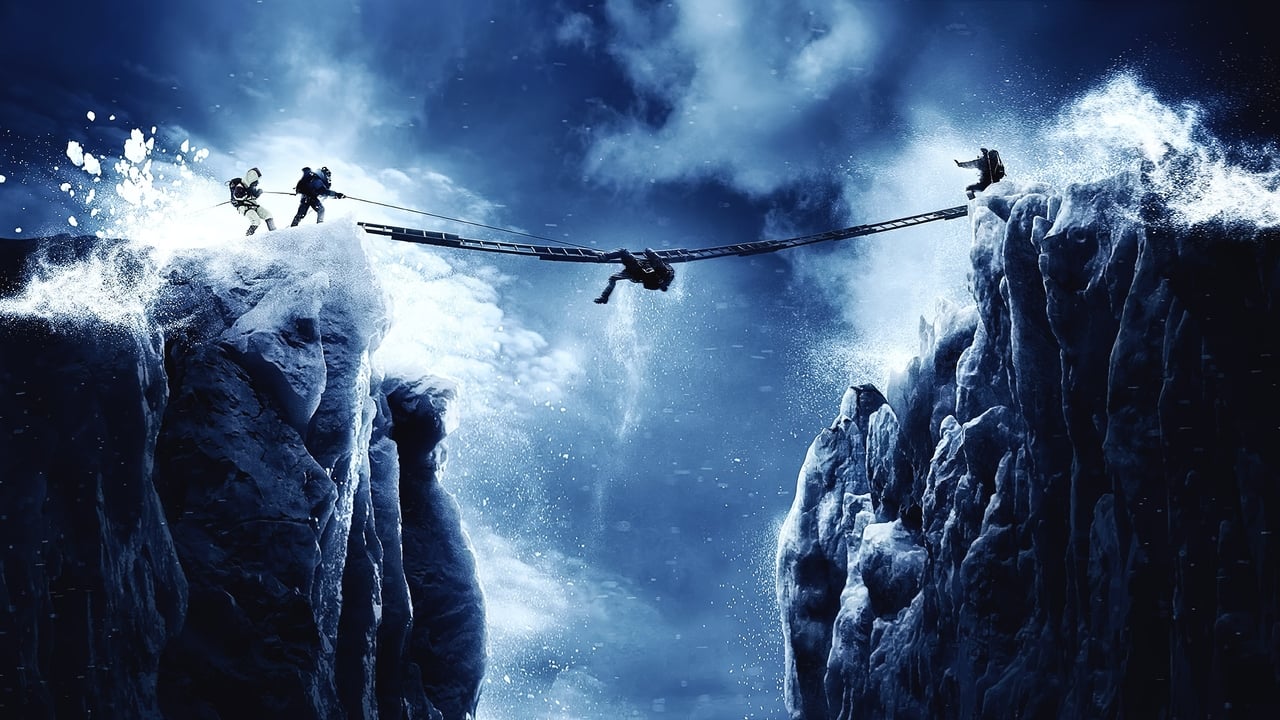
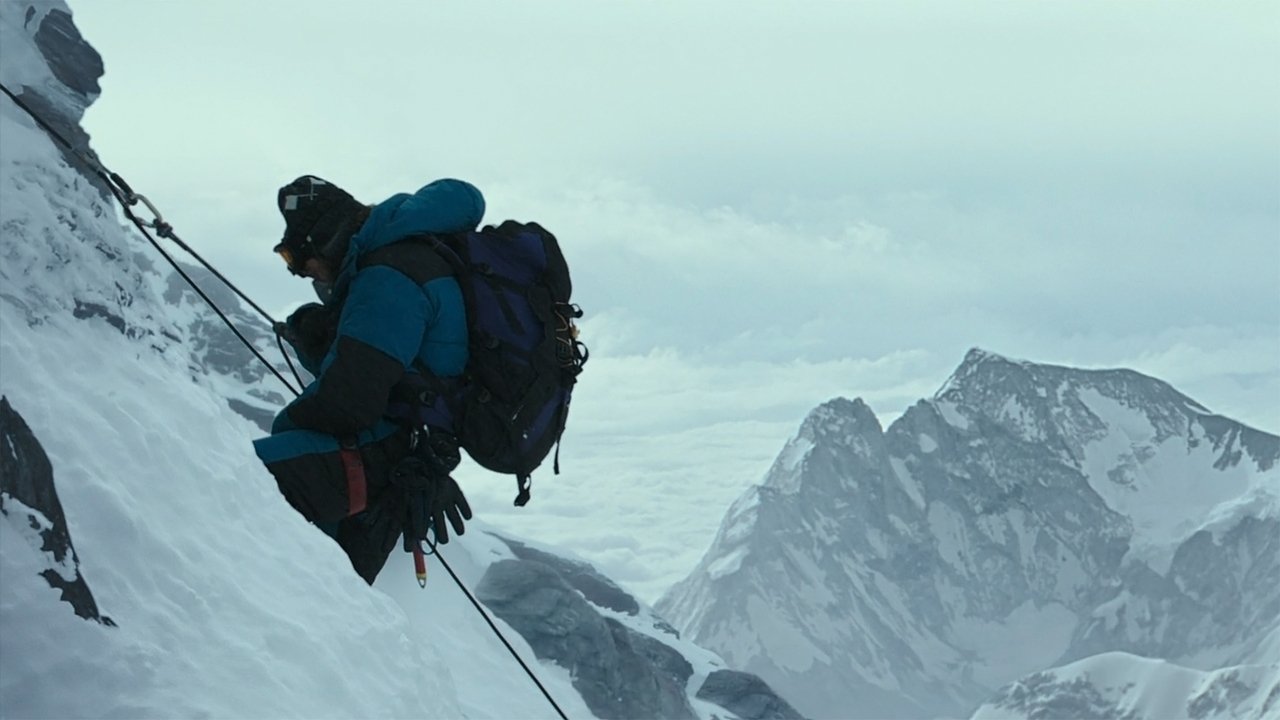
What strikes me now, looking back from a world of "Volume" stages and seamless AI backgrounds, is how tactile Everest feels. Kormákur actually hauled his cast and crew to Nepal and the Italian Alps, filming in sub-zero temperatures. Apparently, the production was hit by a massive avalanche during the shoot, and you can see that genuine "I want to go home" misery etched into Josh Brolin's face.
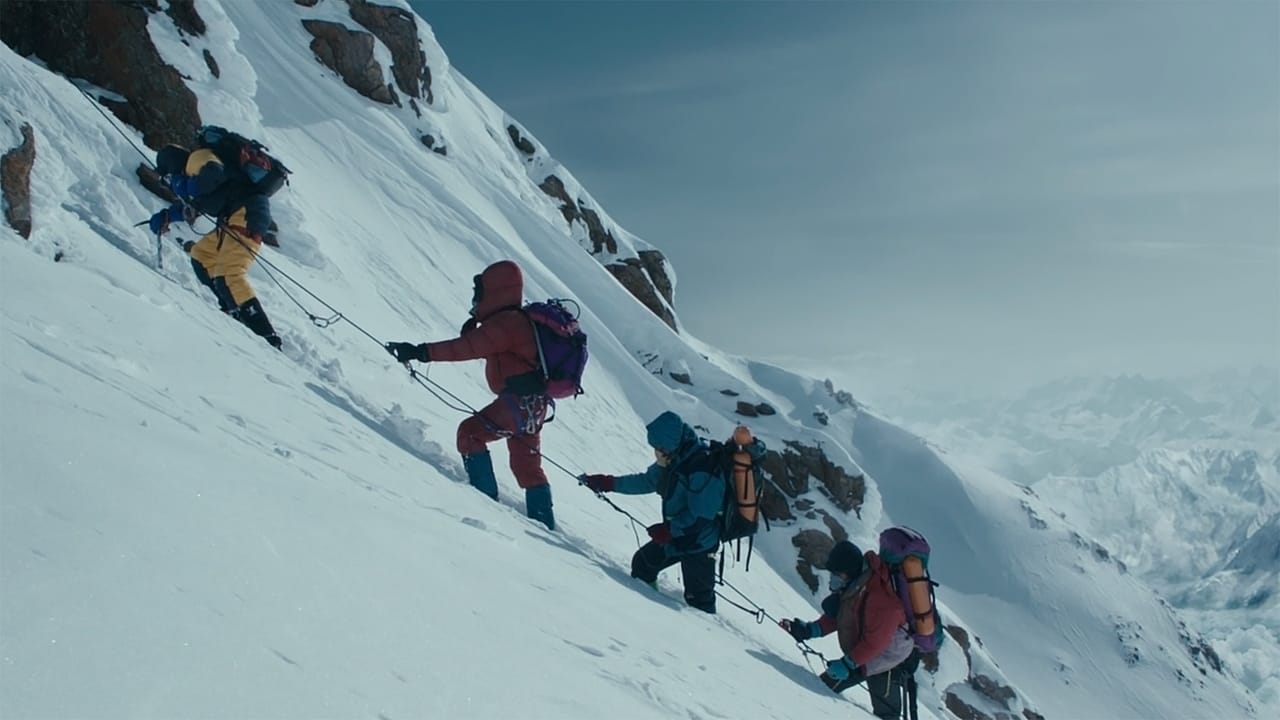
The CGI is used to enhance, not replace. It’s a bridge between the old-school practical stunts of the 90s and the digital wizardry of today. The scale is handled masterfully; there are shots where the climbers look like colorful ants against a wall of white, effectively stripping away any sense of "Hollywood" protection. You never feel like the actors are safe. This is the ultimate 'dad movie' for people who enjoy suffering, and I mean that as a high compliment. It captures the 2010s obsession with "pioneer realism" that we also saw in films like The Revenant—a pushback against the green-screen gloss of the era.
The Cost of the View
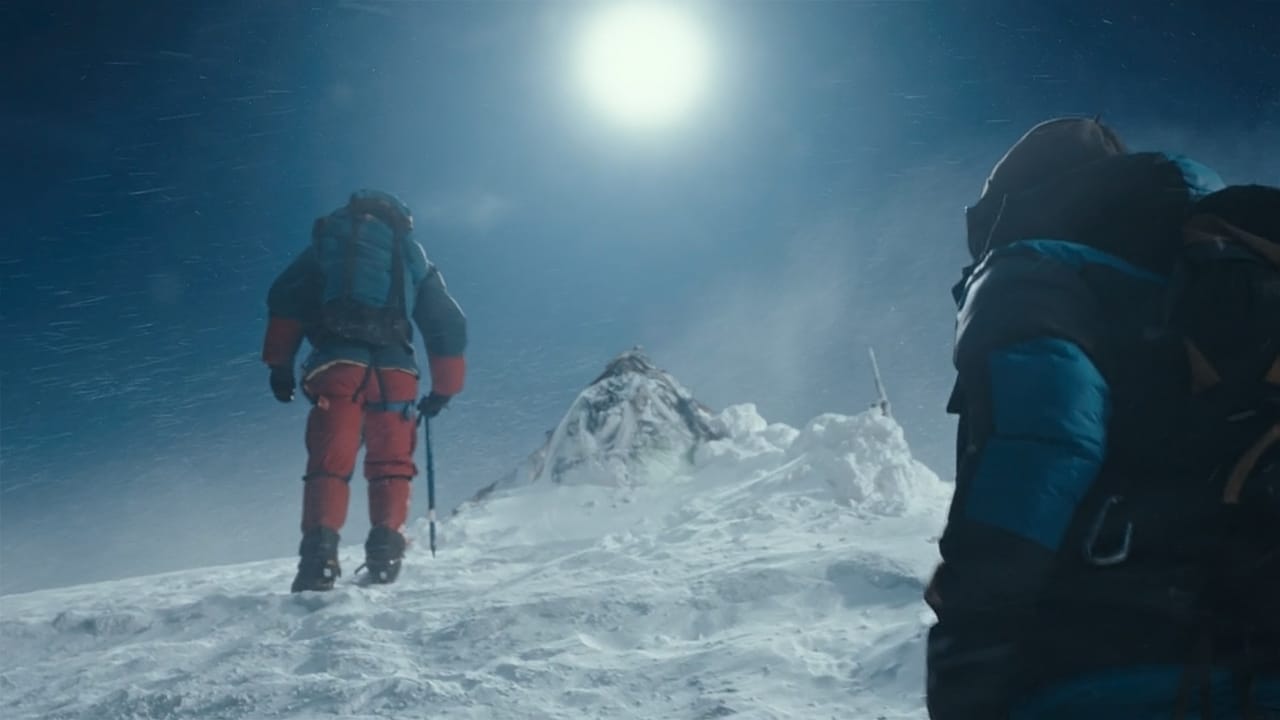
If there’s a critique to be made, it’s that the film’s massive ensemble occasionally leaves the smaller characters feeling like "Red Shirts" in parkas. Keira Knightley, playing Rob Hall’s pregnant wife Jan back in New Zealand, is relegated to the "concerned woman on the phone" role, which feels like a waste of her talent, even if her final scenes are absolute tear-jerkers. The script, by Simon Beaufoy and William Nicholson, tries to juggle a dozen different perspectives, and while it mostly succeeds, the pacing in the middle act can feel as sluggish as a climber with a frozen regulator.
However, the film’s refusal to lean into "instant classic" sentimentality is its greatest strength. It doesn't try to make the tragedy meaningful or give the deaths a heroic sheen. It’s a movie about mistakes, about the hubris of thinking we can "conquer" nature, and about the terrible, quiet moments where the human body simply gives up. It’s a 121-minute reminder that at 29,000 feet, your bank account and your ego mean exactly zero to a blizzard.
Everest is a technical marvel that manages to keep its human heart beating, even as the temperature drops. It’s not a film I’d watch every weekend—it’s far too exhausting for that—but it’s an essential piece of survival cinema that captures a specific turning point in the industry's approach to "true stories." It respects the mountain, it respects the victims, and most importantly, it respects the audience's intelligence by not providing easy answers to the question of why anyone would ever go up there in the first place. Put on a sweater before you hit play.
Keep Exploring...
-

In the Heart of the Sea
2015
-
Hostiles
2017
-
The Walk
2015
-

Eddie the Eagle
2016
-
Risen
2016
-
The Lost City of Z
2017
-

The Martian
2015
-
The Revenant
2015
-
Sully
2016
-
The Post
2017
-
Adrift
2018
-
Ip Man 4: The Finale
2019
-
The Lion King
2019
-
Ip Man 3
2015
-

A Dog's Purpose
2017
-
Battle of the Sexes
2017
-
Darkest Hour
2017
-

Downton Abbey
2019
-

Okja
2017
-
The Three Musketeers: D'Artagnan
2023