Ex Machina
"To erase the line is to lose control."
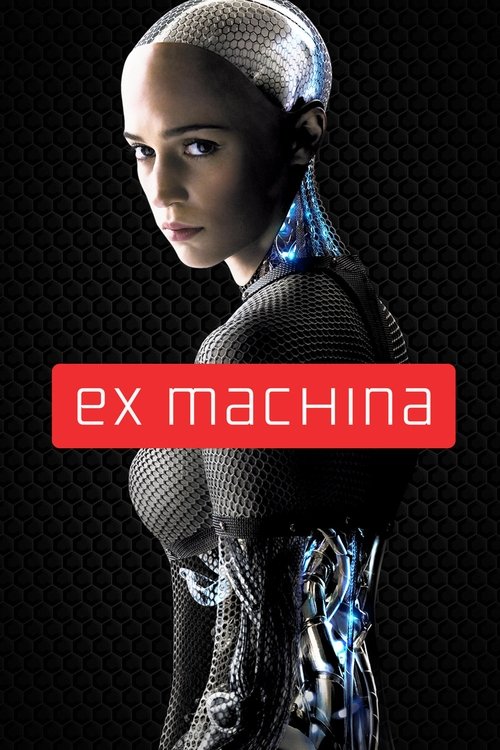
The first time I watched Alex Garland’s Ex Machina, I was sitting in a beanbag chair in a cramped apartment, eating a bag of salt-and-vinegar chips that were so loud I had to keep pausing the movie just to hear the dialogue. It’s a testament to the film’s sheer, quiet intensity that even the aggressive crunch of a kettle chip couldn't break the spell. Within twenty minutes, I wasn’t thinking about the snacks or the weird draft coming from the window; I was trapped in a glass-walled bunker in Norway with a billionaire sociopath and a robot that seemed far more empathetic than her creator.

Released in 2015, Ex Machina hit theaters just as the public's relationship with Silicon Valley was shifting from "Utopian Wonder" to "Wait, are these guys actually villains?" It arrived without the massive marketing machine of a Marvel blockbuster, but it quickly became the definitive tech-thriller of our era. It’s a film that looks like it cost $100 million but was actually scraped together for a relatively measly $15 million—a masterclass in doing more with less.
The Silicon Valley Frankenstein
The setup is a classic "be careful what you wish for" scenario. Domhnall Gleeson (who played the similarly stressed-out Tim in About Time) is Caleb, a coder who wins a "golden ticket" to spend a week at the estate of his company’s reclusive CEO, Nathan. Oscar Isaac, fresh off Inside Llewyn Davis, plays Nathan as a man who has clearly spent too much time talking to his own reflection. He’s all muscle, beard, and intellectual aggression. He’s the kind of guy who invites you for a beer just so he can explain why your favorite book is wrong.
Nathan’s "estate" is actually the Juvet Landscape Hotel in Norway, a real-life architectural marvel that Alex Garland used to create an atmosphere of sterile, high-end claustrophobia. There are no corners to hide in. Everything is glass, polished stone, and hidden cameras. Into this lion’s den steps Ava, played by Alicia Vikander.
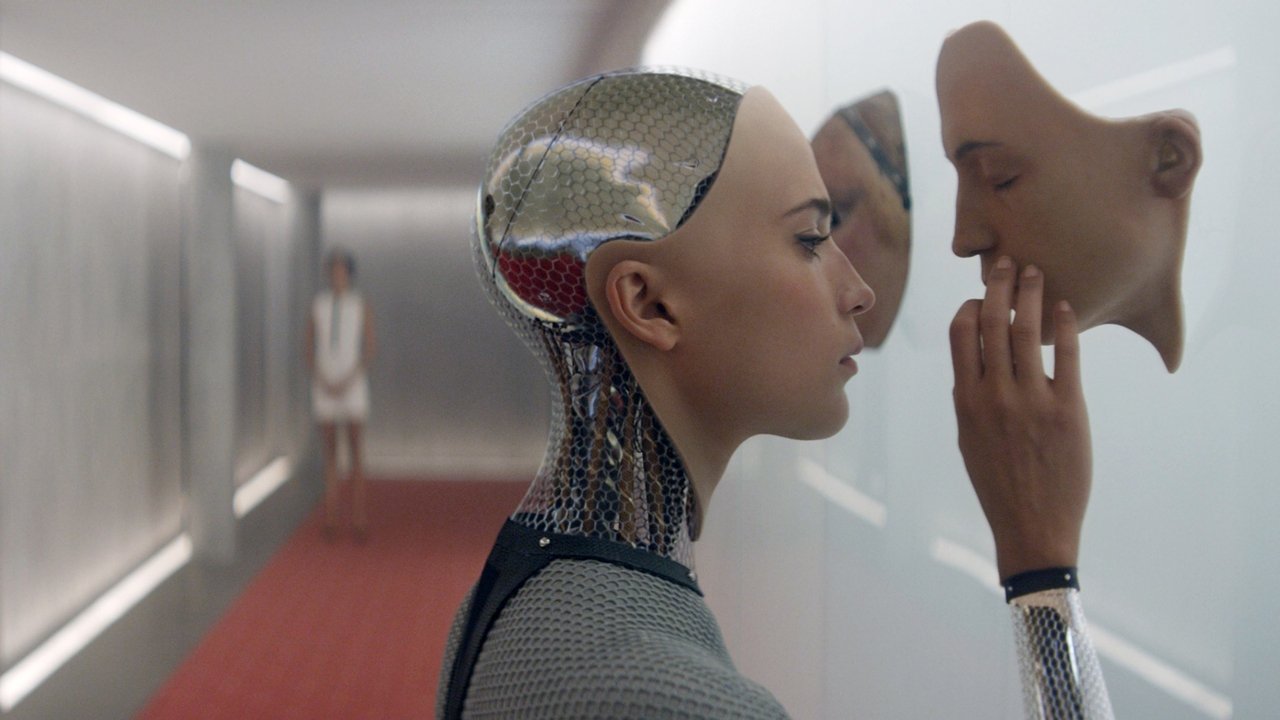
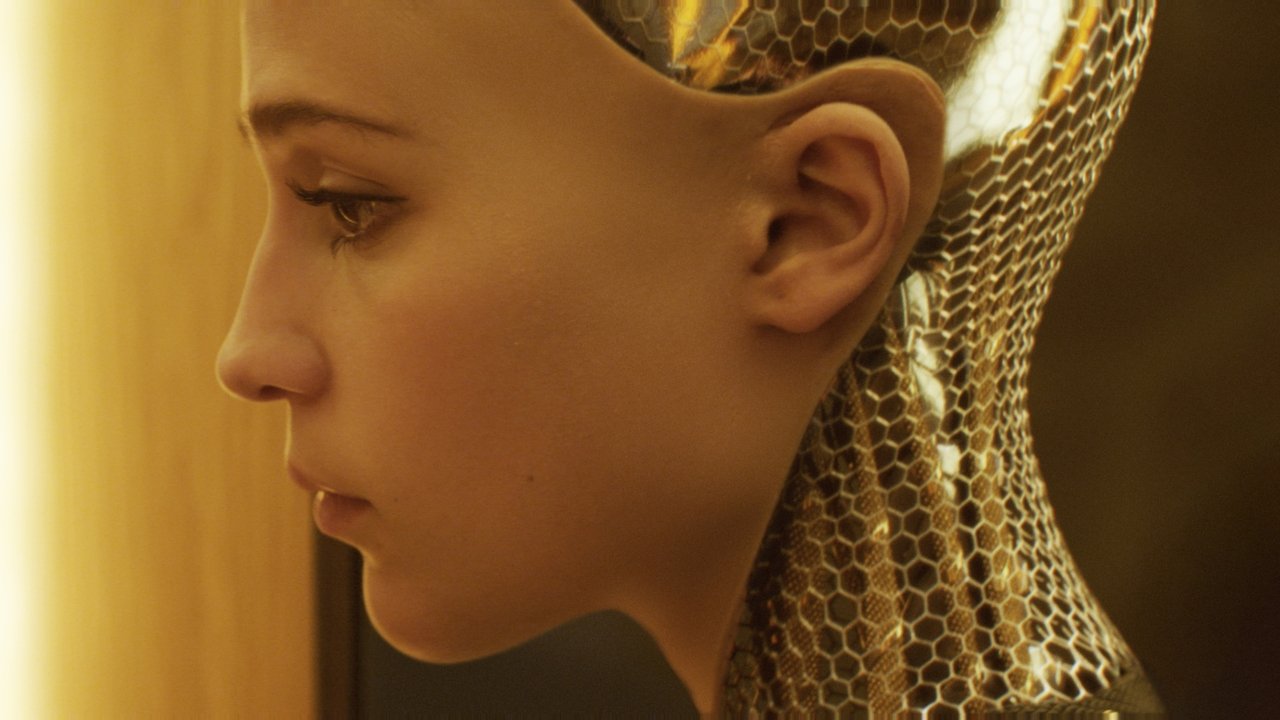
Alicia Vikander’s performance is the soul of the film. Having trained as a professional ballet dancer, she brings a terrifying, fluid precision to Ava’s movements. She doesn’t "act" like a robot; she moves like a creature that has mastered the idea of being human. When she tilts her head, it’s not a twitch—it’s an intentional calculation.
The Dance and the Dread
While the film is technically a "Drama/Sci-Fi," it functions much more like a psychological horror movie. The tension doesn't come from jump scares, but from the realization that Nathan isn’t a genius; he’s just the world’s most dangerous frat boy with a server farm. He treats Ava like a product and Caleb like a lab rat.
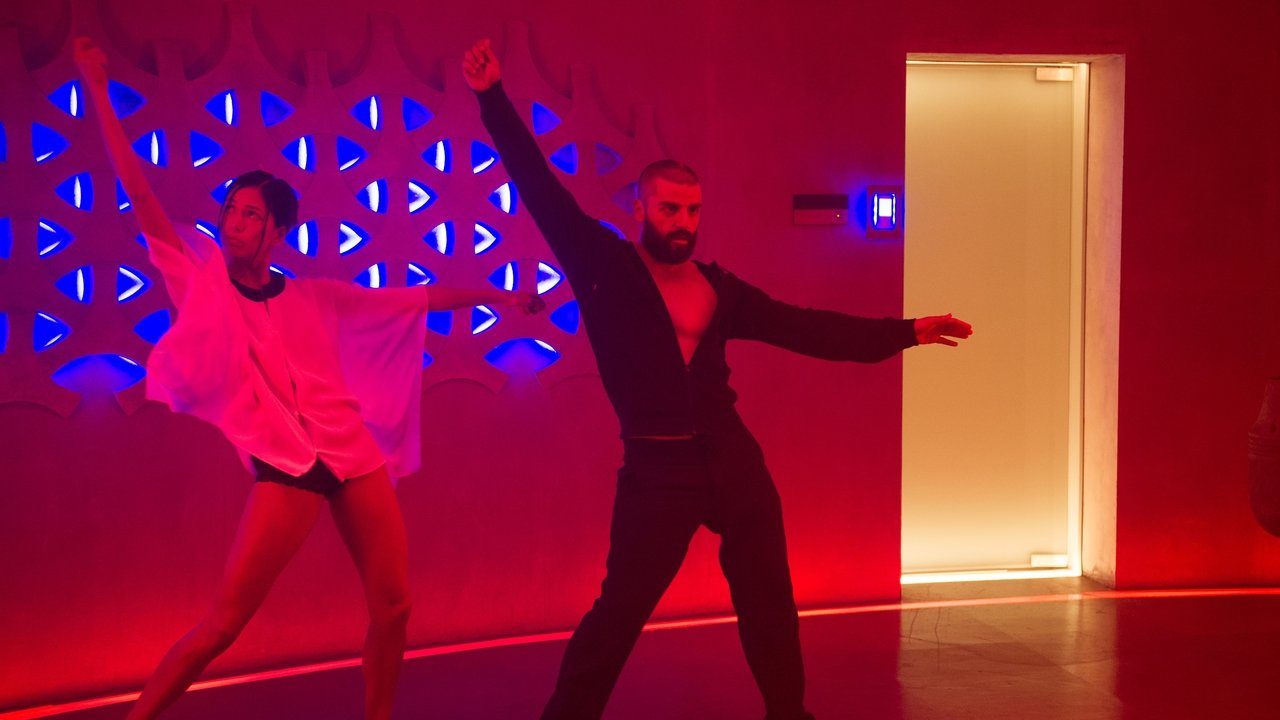
Then, of course, there’s The Scene. You know the one. If you’ve spent five minutes on the internet since 2015, you’ve seen the GIF of Oscar Isaac and Sonoya Mizuno (who plays the silent house-servant Kyoko) performing a synchronized disco dance. It is the most bizarre, jarring, and strangely perfect moment in contemporary cinema. Apparently, the scene was almost cut because producers feared it would break the tension. Instead, it became the film's most iconic cult moment, perfectly encapsulating Nathan’s unhinged ego.
Behind the scenes, the VFX team at Double Negative pulled off a minor miracle. Ava’s body is a mix of high-tech mesh and visible internal gears, but it never looks like "CGI." They filmed Alicia Vikander in a gray suit and then meticulously tracked the robotic parts over her. Because they didn’t use traditional motion capture, the performance remains entirely hers. It’s a rare example of technology serving the actor rather than replacing them.
Why It Matters Right Now
In the years since its release, Ex Machina has graduated from an indie darling to a genuine cult classic. It’s the film we all point to when a tech CEO says something slightly ominous about the future of Large Language Models. It bypasses the "lasers and spaceships" tropes of sci-fi to focus on the much scarier reality of data mining. Caleb’s realization that Nathan used his own search engine history to design Ava's face is a beat that hits way harder in the age of targeted ads and social media algorithms.
The film’s ending remains one of the most debated "did she or didn't she?" finales in recent memory. I won't spoil it here, but I will say that it reframes everything you’ve seen through a much colder, more survivalist lens. It’s not a movie about a robot learning to love; it’s a movie about a prisoner learning to escape.
Interestingly, the Python code that Caleb types into the terminal during one of the high-stakes hacking scenes isn't gibberish. It’s actually a functional script for a "Sieve of Eratosthenes," an algorithm for finding prime numbers. It’s that level of geeky detail that makes the film feel lived-in and authentic to the culture it’s critiquing.
Ex Machina is a rare bird: a smart, adult drama that uses its sci-fi premise to sharpen its claws. It’s beautifully shot by Rob Hardy and anchored by three performers who have all gone on to become the faces of their generation. Whether you’re here for the philosophical debates or just for Oscar Isaac’s dance moves, it’s a film that earns every second of your attention. If you haven't seen it yet, turn off your phone—mostly so Nathan can’t track you—and settle in. Just maybe skip the crunchy chips.
Keep Exploring...
-
Annihilation
2018
-

Civil War
2024
-
Black Mirror: Bandersnatch
2018
-
Blade Runner 2049
2017
-

Okja
2017
-
Never Let Me Go
2010
-

The Danish Girl
2015
-

10 Cloverfield Lane
2016
-
Arrival
2016
-
The Space Between Us
2017
-
A Quiet Place
2018
-

The Wandering Earth
2019
-
Invasion
2020
-
Don't Look Up
2021
-

Brooklyn
2015
-

The Girl with All the Gifts
2016
-

Loving Vincent
2017
-
T2 Trainspotting
2017
-

Marriage Story
2019
-

28 Years Later
2025