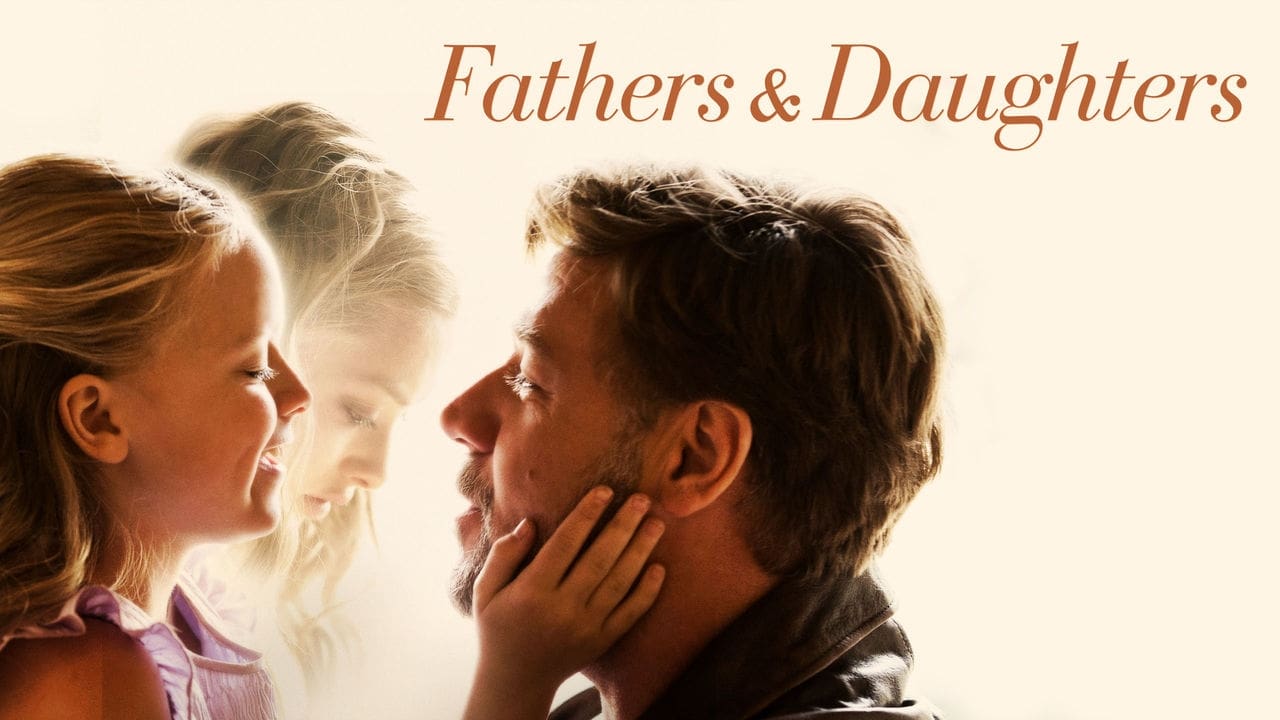
Fathers and Daughters
"The books he wrote, the walls she built."

If you stumbled across a movie poster in 2015 featuring Russell Crowe, Amanda Seyfried, Aaron Paul, Diane Kruger, Jane Fonda, Octavia Spencer, and Bruce Greenwood, you would’ve been forgiven for thinking you were looking at the year’s most formidable Oscar juggernaut. It’s a cast so deep with talent it feels like an accidental Avengers assembly for people who prefer crying in the dark to watching things explode. Yet, Fathers and Daughters didn't conquer the Academy; it barely conquered the box office, slipping into that strange, quiet purgatory of "films you find on a streaming service at 2:00 AM."
I watched this one on my laptop while eating a bowl of Honey Nut Cheerios that had gone slightly soggy, and honestly, that damp, softened texture felt like the perfect sensory accompaniment to the movie’s earnest, puddle-deep sentimentality.
The Melancholy of the Mid-Budget Weepie
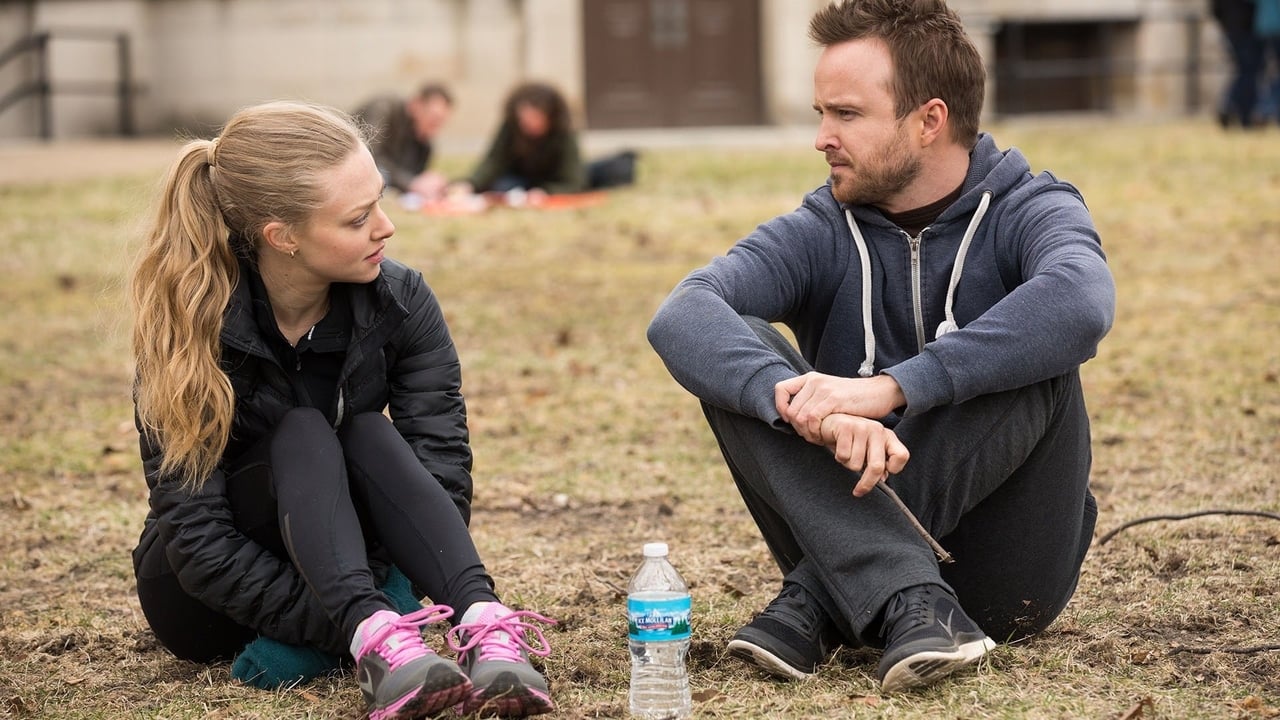
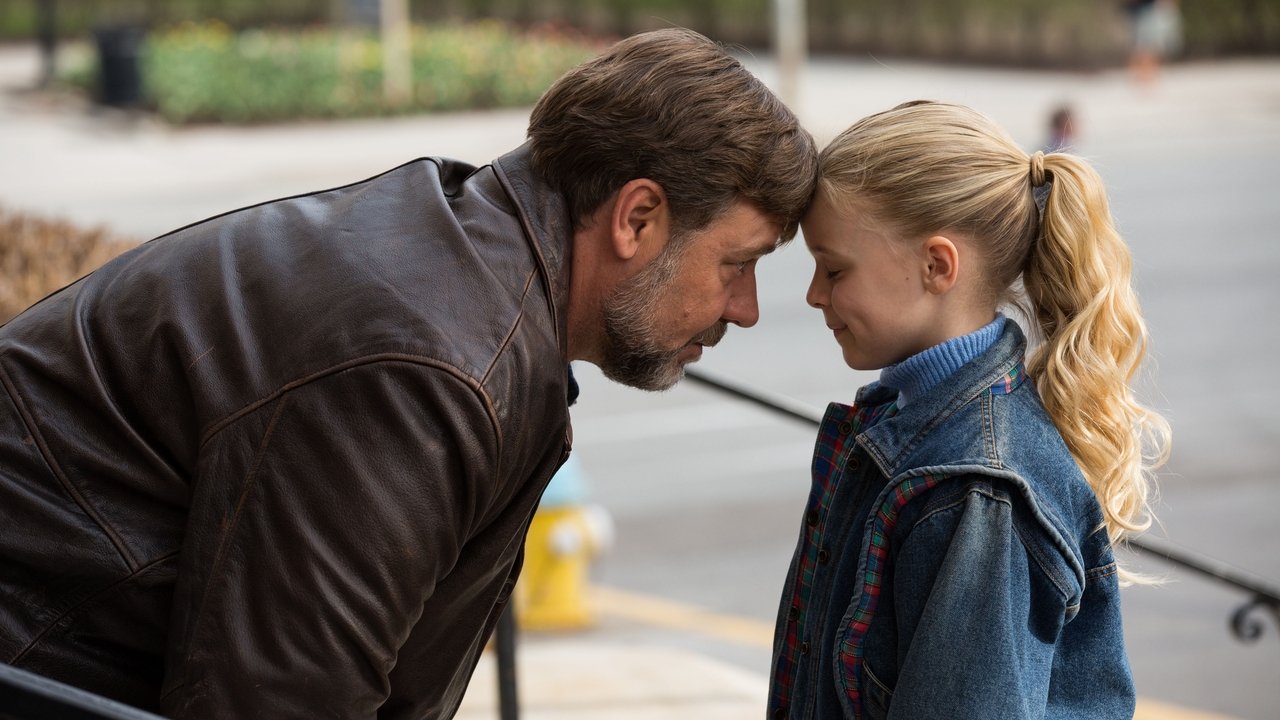
Director Gabriele Muccino is no stranger to the "noble struggle" genre—he’s the man who gave us The Pursuit of Happyness. In Fathers and Daughters, he attempts to weave a dual-timeline tapestry (oops, let’s call it a "braid" instead) between the 1980s and the present day. In the past, Russell Crowe plays Jake Davis, a Pulitzer-winning novelist grappling with a mental breakdown, seizures, and the crushing weight of raising his young daughter, Katie, after his wife’s death. In the present, an adult Katie (Amanda Seyfried) is a social worker dealing with a massive intimacy void, essentially treating her romantic life like a game of catch-and-release to avoid getting hurt.
The film feels like a relic of a different era. By 2015, the mid-budget adult drama was already being squeezed out of theaters by the Marvel Cinematic Universe and the rise of "Prestige TV." This is a movie that wants to be Kramer vs. Kramer or Ordinary People, but it lacks the surgical precision of those classics. It’s a "big" movie in its emotions—the score by Paolo Buonvino doesn't just suggest you should be sad; it practically grabs you by the lapels and demands a gallon of tears.
Performance vs. Pathology
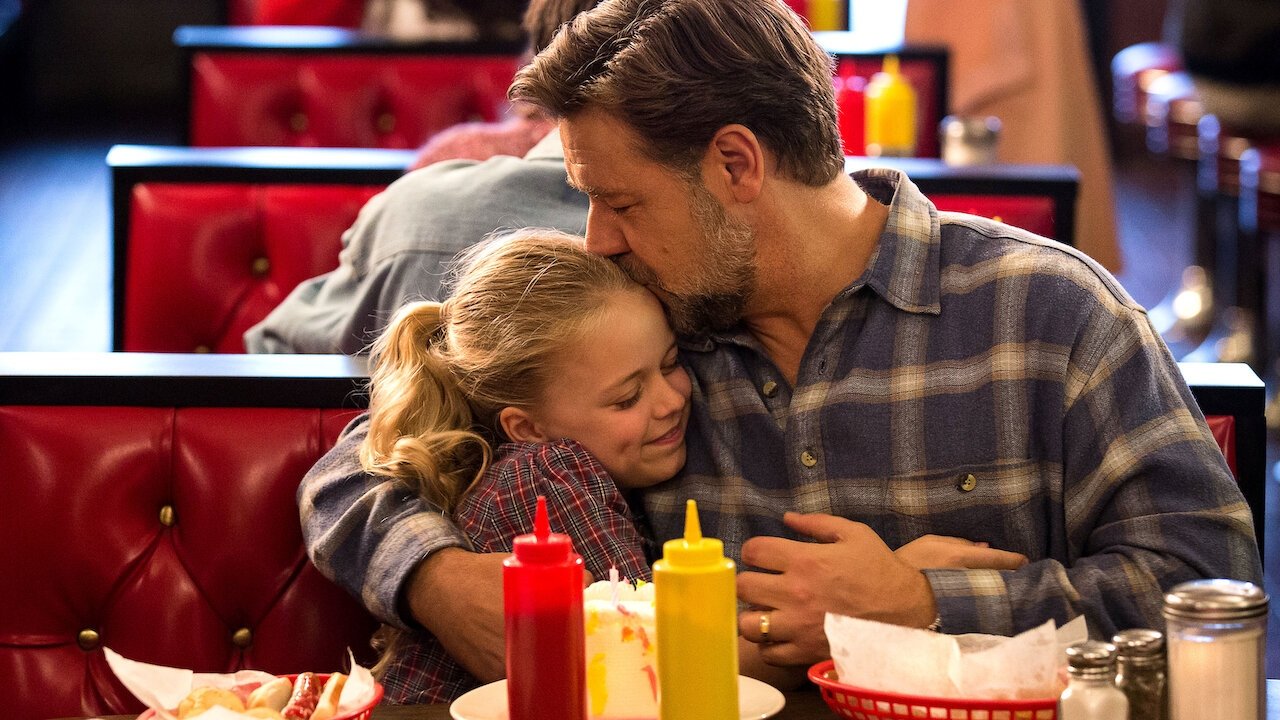
Let’s talk about Russell Crowe. There was a time when Crowe was the most dangerous actor alive, all gravel and grit. Here, he’s in "Sensitive Dad" mode, which involves a lot of shaking and stuttering as he portrays Jake’s neurological decline. While he’s always compelling to watch, there’s a sense that Crowe’s twitching is less about character and more about a frantic search for an acting trophy. He’s trying so hard to ground a script that occasionally feels like it was written by an algorithm fed on Nicholas Sparks novels.
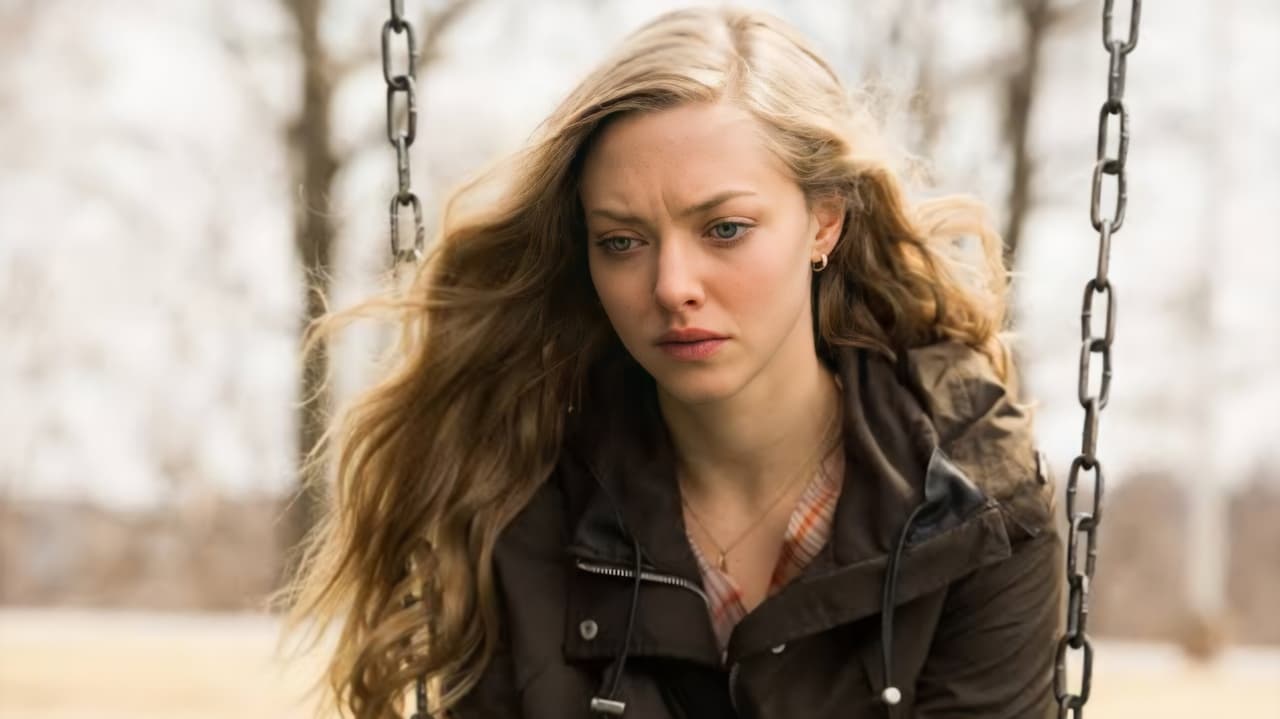
On the other side of the timeline, Amanda Seyfried has the unenviable task of making a "broken" character feel like a human being rather than a psychological case study. The movie treats Katie’s trauma with all the subtlety of a sledgehammer. She’s promiscuous because she’s afraid of love! She works with a traumatized orphan because she is a traumatized orphan! The movie treats psychology like a game of Connect Four, where every adult behavior has a bright red line leading directly back to a childhood tragedy.
Aaron Paul pops up as the love interest, Cameron, and he brings a much-needed sweetness to the proceedings. Coming off the high of Breaking Bad, it’s a bit jarring to see him play a guy whose biggest problem is that his girlfriend won’t let him into her heart, but his chemistry with Seyfried provides the film's only real moments of warmth.
Why Did This One Vanish?
It’s fascinating to look back at Fathers and Daughters through a contemporary lens. It was actually a highly-regarded script on the 2012 "Black List"—the annual survey of Hollywood’s best unproduced screenplays. So, why did the final product feel so... beige?
Part of it is the timing. In the mid-2010s, audiences were gravitating toward either high-concept "elevated" drama or massive spectacle. A straightforward, tear-jerking family saga felt a bit "Direct-to-DVD," regardless of how many Oscar winners were in the cast. There’s also the Michael Bolton factor—yes, the movie features a title song by Michael Bolton. In 2015, that wasn't exactly a "cool" branding move; it signaled a level of unironic schmaltz that many critics found indigestible.
There are moments that work, mostly when the film stops trying to be a Grand Statement on Grief and just lets the actors exist. A scene where Jane Fonda (playing Jake's agent) offers some hard-won wisdom is a reminder of why these veterans are veterans. But then the film will cut back to a scene of young Katie staring mournfully at a bicycle, and the momentum dies. It’s a movie that is constantly tripping over its own heartstrings.
Fathers and Daughters isn't a bad movie, but it is a frustratingly safe one. It’s the cinematic equivalent of a heavy blanket—comforting in its predictability, but eventually, you just feel like you’re being smothered. If you’re in the mood for a "good cry" and don’t mind a script that does all the emotional heavy lifting for you, it’s a perfectly serviceable way to spend two hours. Just don't expect it to stay with you much longer than the time it takes for your eyes to dry. It’s a star-studded reminder that a great cast can’t always save a story that’s more interested in pathology than people.
Keep Exploring...
-
Gold
2016
-
Miracles from Heaven
2016
-
The Infiltrator
2016
-
Boy Erased
2018
-

Welcome to Marwen
2018
-
Colonia
2015
-
Entourage
2015
-

Max
2015
-

Pawn Sacrifice
2015
-
The 33
2015
-
Trumbo
2015
-
Risen
2016
-
The Choice
2016
-

The Light Between Oceans
2016
-
Whiskey Tango Foxtrot
2016
-
All Eyez on Me
2017
-
Battle of the Sexes
2017
-
Roman J. Israel, Esq.
2017
-

The Book of Henry
2017
-
The Discovery
2017