Fifty Shades of Grey
"Beige has never been so controversial."
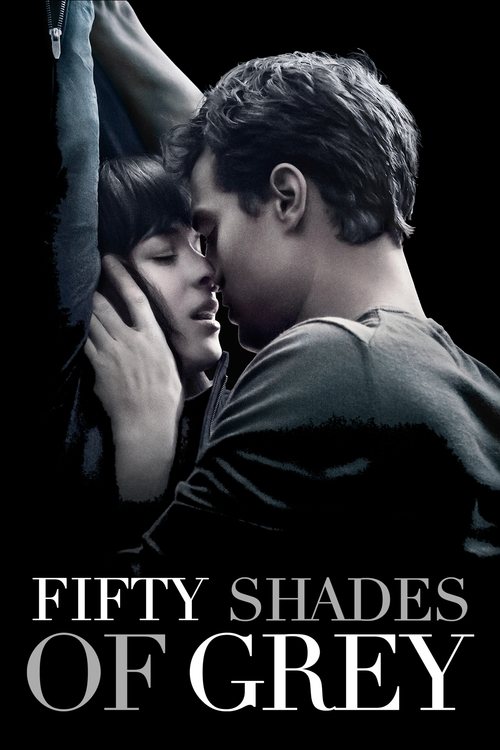
I remember the absolute fever pitch of 2015. You couldn’t walk into a Target without tripping over a display of grey silk ties and "Inner Goddess" bath bombs. It was a strange, transitional moment in cinema—we were right on the cusp of the streaming explosion, yet Fifty Shades of Grey managed to pull off an old-school, monoculture-dominating theatrical event. It was the kind of movie people went to see just so they could talk about how much they didn't like it at the office the next morning.
I watched this recently while eating a bowl of lukewarm oatmeal, and I couldn't help but notice that the oatmeal had significantly more texture than the actual plot. This film is the ultimate "Contemporary Cinema" artifact: a movie born from an internet subculture (specifically Twilight fan-fiction), polished to a high-gloss sheen by a major studio, and released into a world that was just beginning to rethink how we depict power dynamics on screen.
The Cultural Clout of a Contract
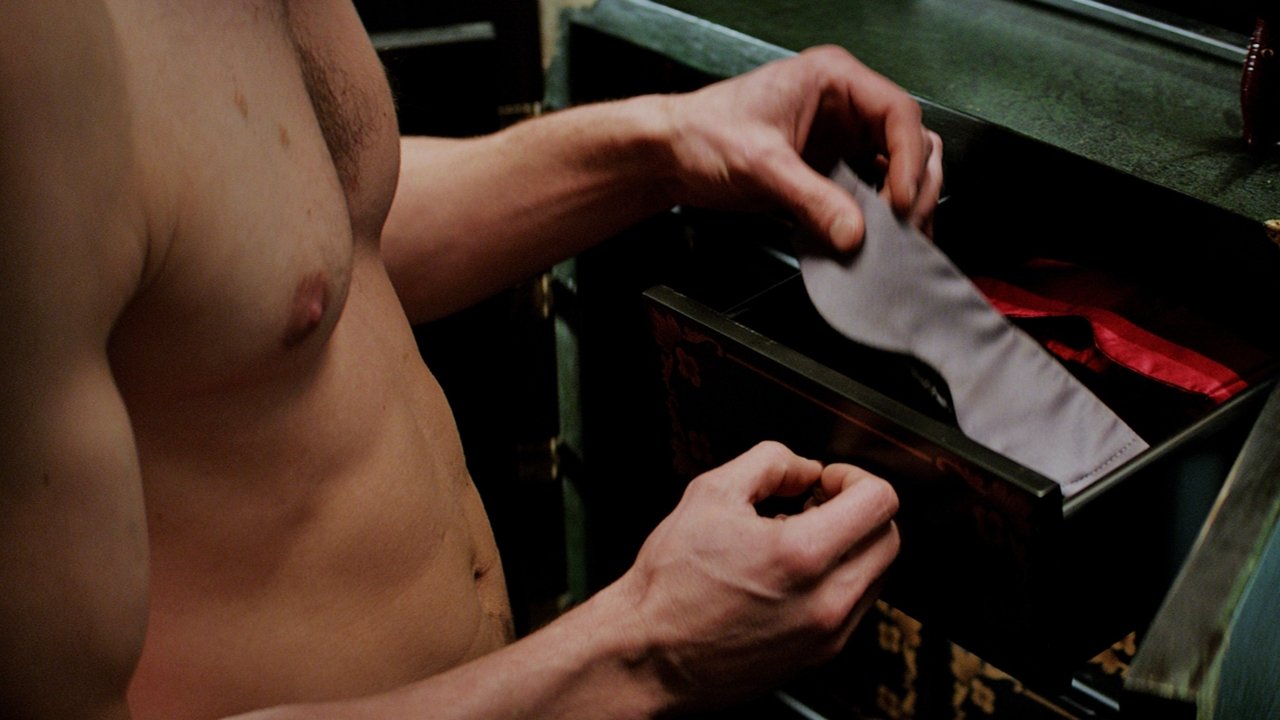
The premise is etched into the collective memory of anyone who survived the mid-2010s. Dakota Johnson plays Anastasia Steele, a girl so "relatably" clumsy she literally falls into the office of Jamie Dornan’s Christian Grey. He’s a billionaire with a fleet of helicopters and a "Red Room of Pain," which sounds like a rejected level from a Resident Evil game but is actually just a very expensive basement.
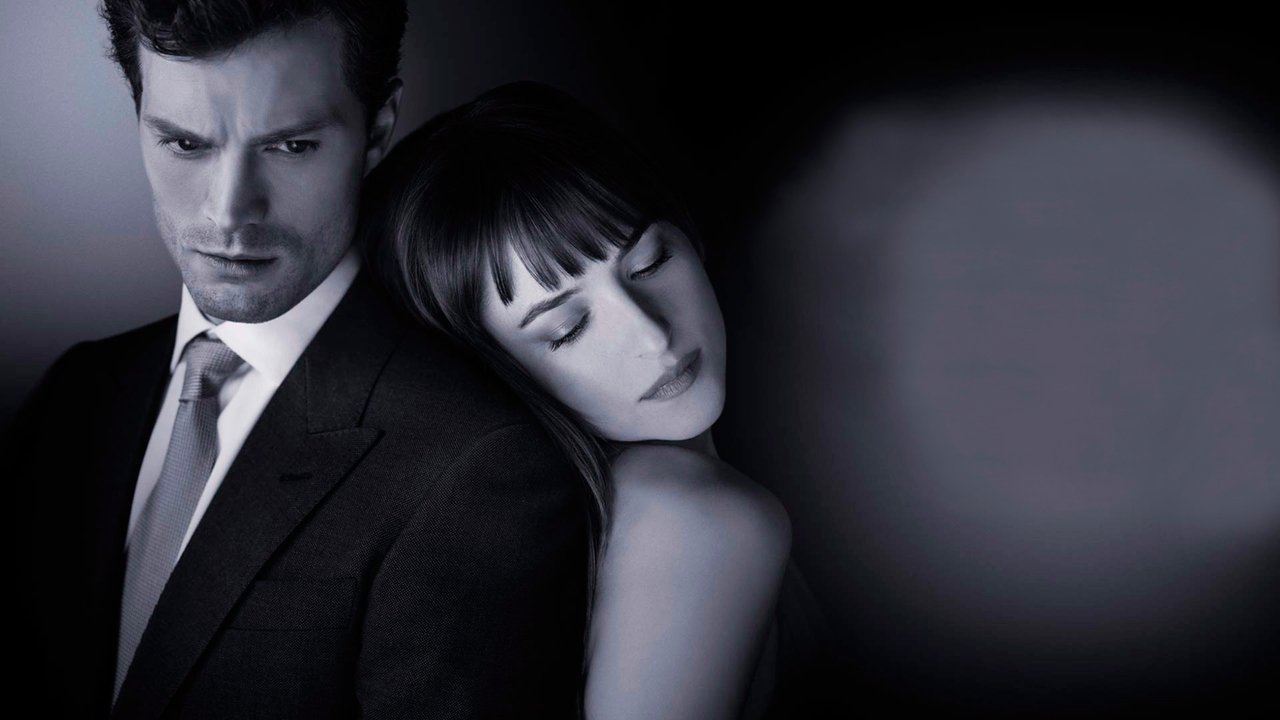
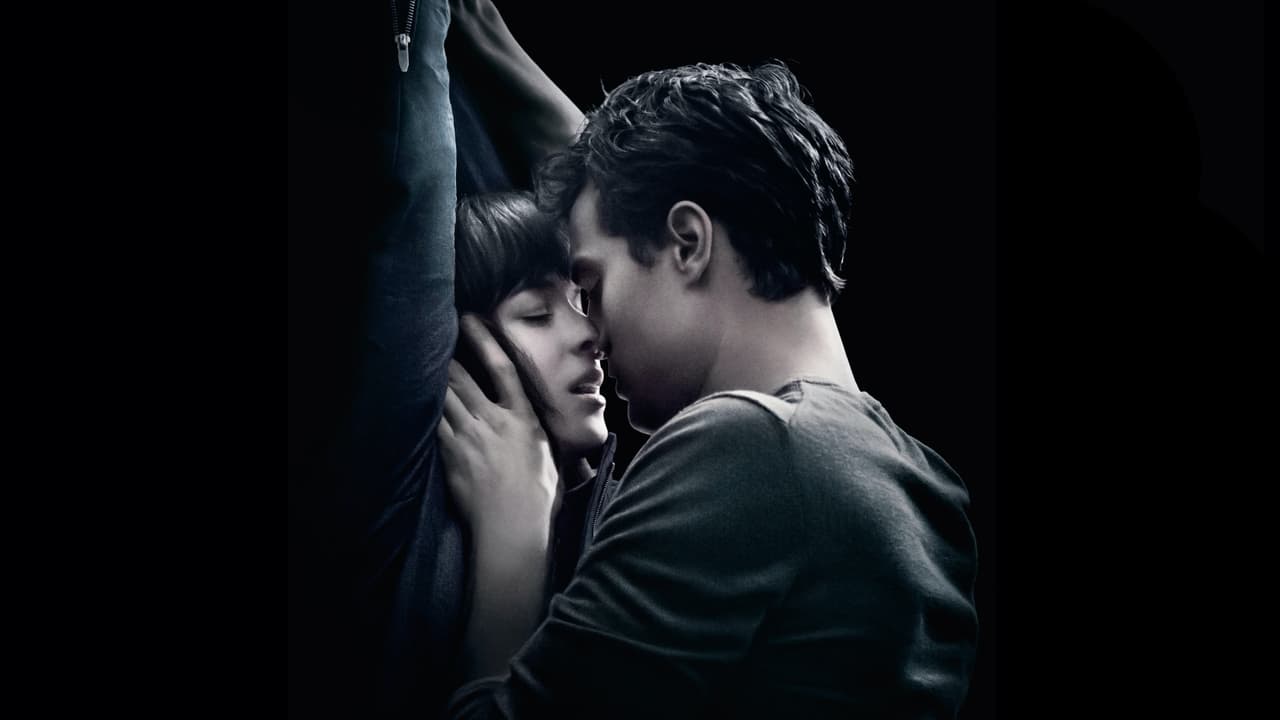
What strikes me now is how much the film tries to distance itself from its "mommy porn" literary roots. Director Sam Taylor-Johnson (who did the excellent John Lennon biopic Nowhere Boy) and cinematographer Seamus McGarvey (the eye behind Atonement) clearly wanted to make a real movie. They bathed the whole thing in cool teals, greys, and expensive-looking shadows. It’s beautifully shot, which almost makes it worse; the high-end aesthetic makes the clunky dialogue feel even more out of place. It’s like watching a Shakespearean actor try to read the fine print on a microwave burrito package.
The Performance Gap
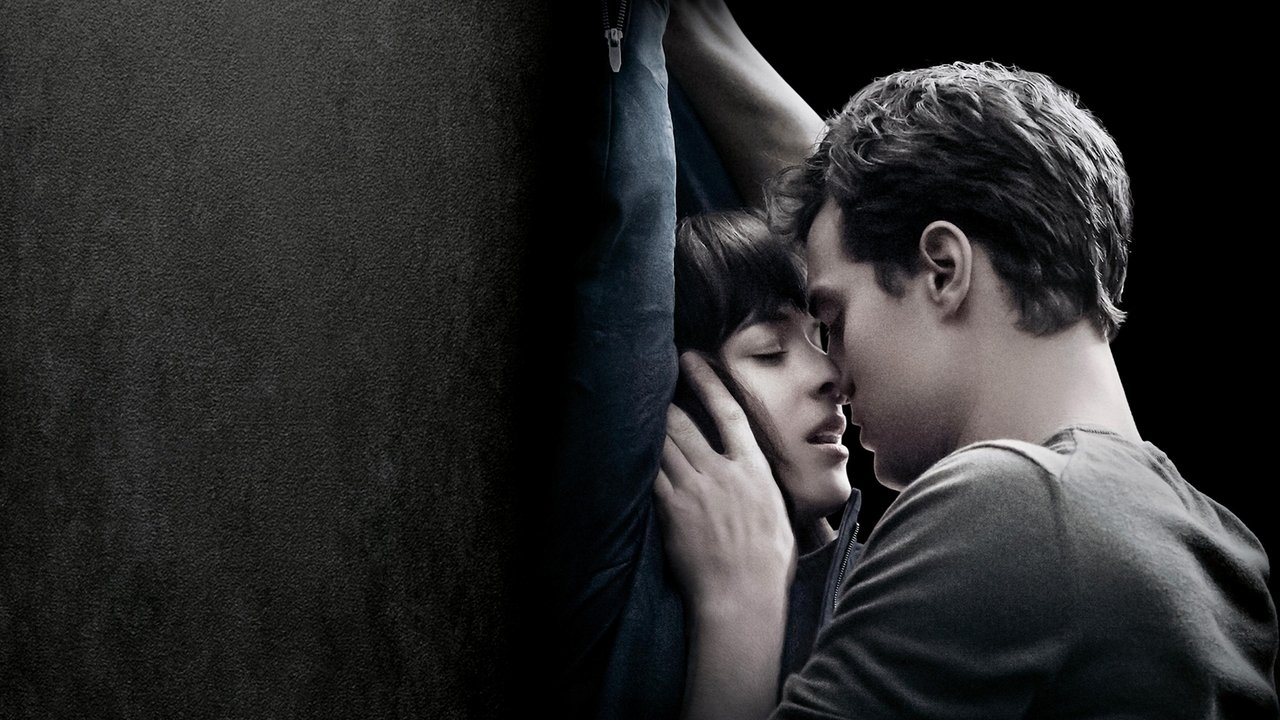
Let’s talk about the leads, because this is where the movie lives or dies. Dakota Johnson is, quite frankly, a miracle worker here. She brings a wry, self-aware intelligence to Ana that isn't on the page. She’s the only one who seems to realize how absurd the situation is, and her performance actually earns some of the drama’s emotional weight. On the flip side, Jamie Dornan—who is a fantastic actor in The Fall—feels like he’s playing a haunted mannequin.
There is a legendary lack of chemistry here that has been the subject of a thousand TikTok breakdowns. They look like two people who were forced to share a seat on a very long bus ride and have run out of things to say. The movie is basically a $40 million IKEA catalog with more handcuffs. For a film marketed on its "heat," it’s surprisingly chilly. It’s a romance where the two leads seem like they’d rather be literally anywhere else, which, in a weird way, makes it the perfect drama for an era of social media-induced isolation.
The $570 Million Dollar Glitch
Despite the mixed reviews, the financial reality of this film is staggering. With a modest $40 million budget, it raked in over $569 million globally. It was a box office juggernaut that proved there was a massive, underserved audience for R-rated adult romance, even if the "adult" parts were more "Rated R for Repetitive." It set records for the highest-grossing opening weekend for a female director at the time, a significant milestone even if the creative experience was reportedly a nightmare.
The behind-the-scenes drama is almost more interesting than the film itself. There was a public and palpable tension between Sam Taylor-Johnson and the book’s author, E.L. James, who reportedly demanded total control over the script. You can see the seams where the director tried to add nuance and the author insisted on keeping the book’s most infamous lines. It results in a film that feels like a tug-of-war between a sleek, modern thriller and a literal translation of a blog post. Even the score by Danny Elfman—yes, the Batman and Edward Scissorhands guy—feels like it’s trying to elevate the material into something grander than it actually is.
Looking back from our current vantage point, Fifty Shades of Grey feels like a time capsule of a world just before the #MeToo movement and the total dominance of the Disney-fied blockbuster. It was a commercial phenomenon that captured the public's imagination, but as a piece of cinema, it remains a glossy, curiously hollow exercise in style over substance. If you’re looking for a genuine drama about complicated relationships, you might want to keep swiping. But as a fascinating look at what happened when the internet's id met Hollywood's bank account? Well, Mr. Grey will see you now.
Keep Exploring...
-
Fifty Shades Darker
2017
-
Fifty Shades Freed
2018
-
You Get Me
2017
-
Glass
2019
-
Rebecca
2020
-
San Andreas
2015
-
It Chapter Two
2019
-

Materialists
2025
-
The Discovery
2017
-
Miller's Girl
2024
-

Aloha
2015
-
Equals
2015
-

Victor Frankenstein
2015
-
Gold
2016
-

Mother's Day
2016
-
The Shallows
2016
-
Flatliners
2017
-
Home Again
2017
-
Roman J. Israel, Esq.
2017
-
Suburbicon
2017