Furious 7
"One last ride for the road's fallen brother."
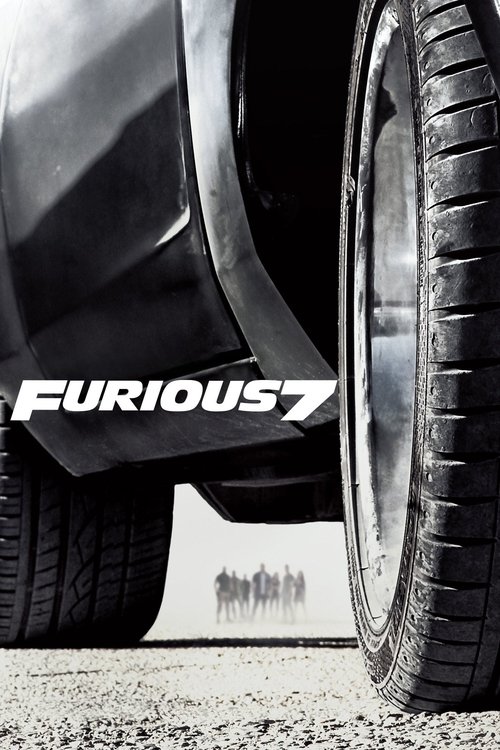
Most movies are just movies. They are products of a studio system, designed to occupy two hours of your time and perhaps sell a few plastic cups at the concession stand. But then there are the anomalies—films that get hijacked by reality in a way that turns a piece of popcorn entertainment into something almost sacred. I watched Furious 7 on a cross-country flight, squeezed into a middle seat while the toddler behind me spent two hours kicking my chair in perfect rhythm with every gear shift on screen. Usually, that’s a recipe for a migraine, but by the time the credits rolled, I was so busy wiping my eyes that I didn’t even mind the bruises on my lower back.
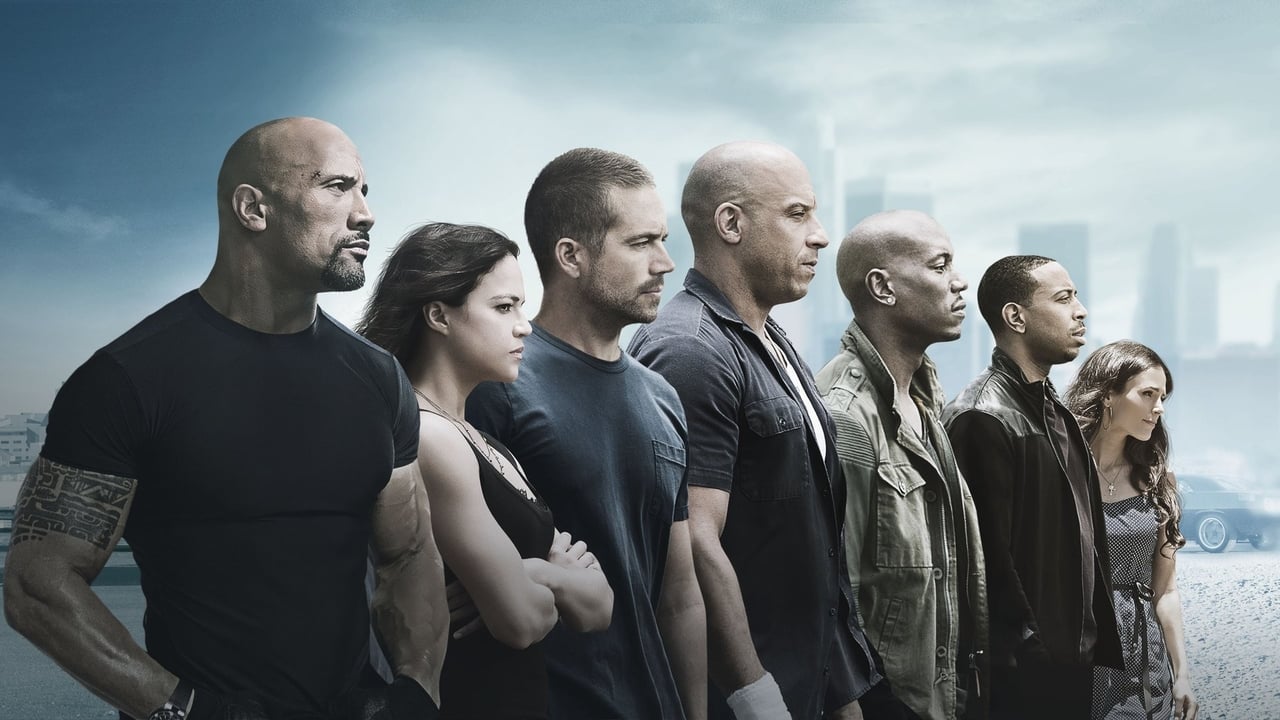
The Gravity of a Ghost
There is a heavy, inescapable shadow over every frame of this film. When Paul Walker died midway through production in late 2013, the Fast franchise was at its commercial zenith. James Wan, the man who basically built the modern horror landscape with Saw and The Conjuring, was tasked with steering this $190 million ship through an emotional hurricane. The result is a film that feels like it’s constantly vibrating between two frequencies: the loud, physics-defying roar of a global blockbuster and the quiet, somber hum of a funeral.
What James Wan achieved here is nothing short of a miracle. He didn't just finish a movie; he built a bridge. Using a combination of Paul Walker’s brothers (Caleb and Cody) as body doubles and cutting-edge digital "face-mapping" by Weta Digital, the production managed to complete Brian O’Conner’s final arc. In 2015, this was the bleeding edge of the "digital human" conversation that now dominates our AI-obsessed discourse. Back then, it felt less like a tech demo and more like an act of desperation and love. You can feel the camera lingering on Walker with a sort of tragic affection, knowing every smile might be the last one the editors could find in the archives.
When Physics Becomes a Suggestion
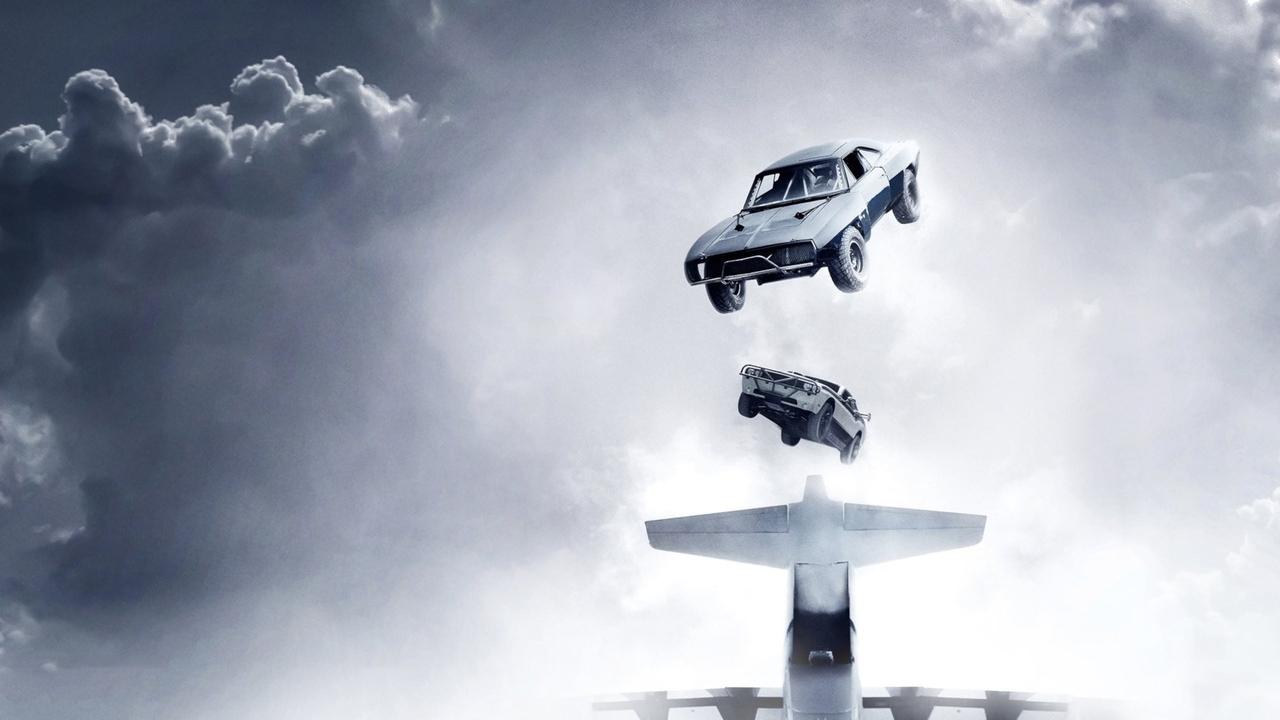
If you strip away the eulogy, you’re left with the most "Maximum Fast" movie in the entire collection. This is the entry where the series officially decided that gravity was a choice, not a law. We have cars parachuting out of a C-130 cargo plane over the Caucasus Mountains, and Vin Diesel jumping a Lykan HyperSport between three different skyscrapers in Abu Dhabi because, apparently, brakes are for cowards.
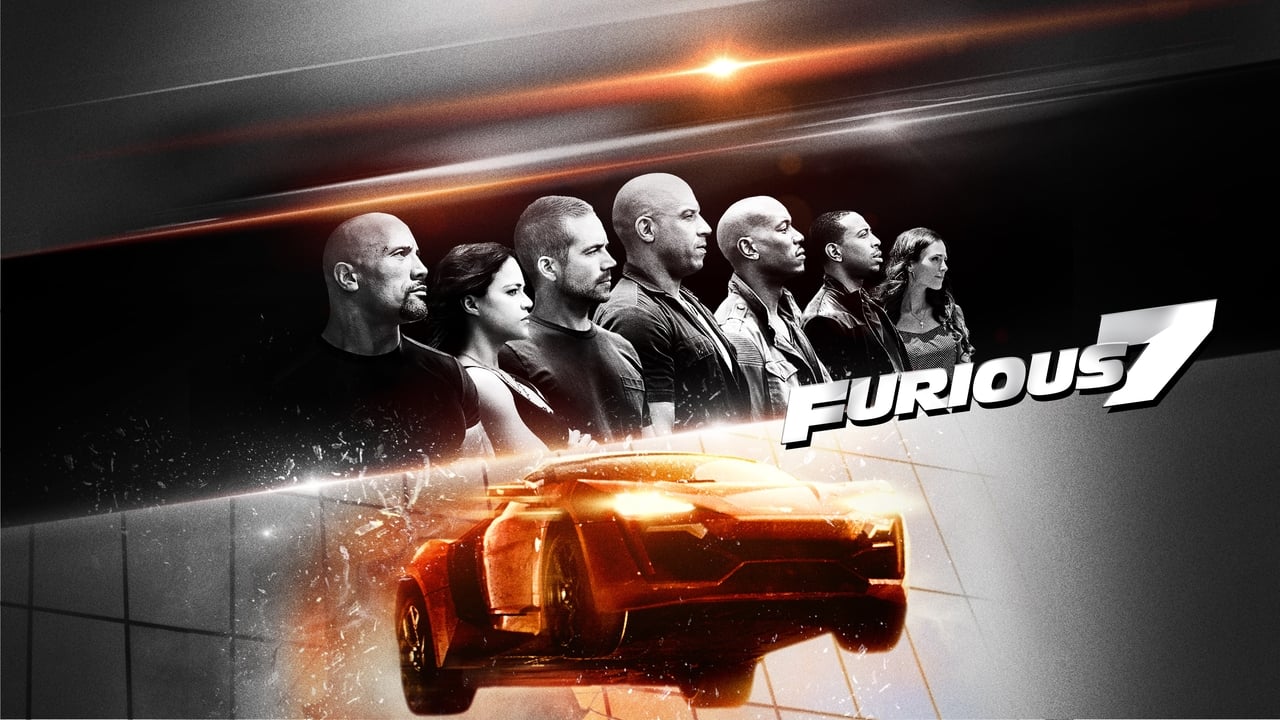
The action choreography is dizzying. James Wan brings a horror director's sense of spatial awareness to the fights, often spinning the camera 360 degrees to follow Dwayne "The Rock" Johnson as he delivers a "Rock Bottom" to Jason Statham. Speaking of Statham, his introduction as Deckard Shaw is pure 1980s slasher movie energy. He doesn't just walk into a room; he levels a hospital. The rivalry between Diesel’s Dom Toretto and Statham’s Shaw gives the film a gritty, revenge-thriller backbone that keeps the mid-section from sagging under the weight of its own spectacle.
I’ve always maintained that the Fast franchise is essentially a soap opera written by people who think 'The Iliad' didn't have enough nitrous oxide. The dialogue is absurd—Vin Diesel growls about "the street" and "family" with such gravelly conviction that you almost forget he’s essentially playing a superhero in a tank top. But it works because the commitment is 100%. There is no irony here. When Dwayne Johnson flexes his arm so hard his arm cast literally explodes off his body, you either cheer or you've forgotten how to have fun at the movies.
The $1.5 Billion Wake
Culturally, Furious 7 was a behemoth. It didn't just perform well; it shattered the ceiling, raking in over $1.5 billion worldwide. It was the first "post-Paul" moment where the audience collectively decided that this franchise wasn't just about cars anymore—it was a communal experience. The "See You Again" music video by Wiz Khalifa and Charlie Puth became a global anthem of grief, and the film’s ending is, without hyperbole, the most effective goodbye in modern cinema.
The final sequence, where Dom and Brian pull up next to each other in their respective cars, is a masterclass in meta-storytelling. They aren't just characters saying goodbye; it’s the actors, the crew, and the audience. When the road eventually forks and Brian’s white Toyota Supra veers off toward the horizon, the film transcends its genre. It stops being a "car movie" and becomes a permanent landmark in pop culture.
Looking back from our current era of franchise fatigue, Furious 7 stands out because it had something most modern blockbusters lack: a genuine, beating heart. It was a chaotic, expensive, messy production that should have been a disaster, but instead, it became a definitive moment for the 2010s. It proved that you can have all the CGI in the world, but if you don't care about the people in the driver's seat, the engine is just empty noise.
In an era where "legacy sequels" often feel like cynical cash grabs, Furious 7 remains a rare example of a film that was forced to grow up in real-time. It balances the bone-crunching brutality of Jason Statham with a sensitivity that the franchise has struggled to replicate since. It’s loud, it’s dumb, and it’s unashamedly sentimental—exactly what a summer blockbuster should be. If you can watch that final drive without a lump in your throat, you might need to check your own oil.
Keep Exploring...
-
The Fate of the Furious
2017
-
Fast Five
2011
-
Fast & Furious 6
2013
-
Fast X
2023
-
F9
2021
-
Fast & Furious
2009
-
The Fast and the Furious
2001
-
2 Fast 2 Furious
2003
-

The Fast and the Furious: Tokyo Drift
2006
-
John Wick: Chapter 3 - Parabellum
2019
-
Bad Boys for Life
2020
-
John Wick: Chapter 2
2017
-
John Wick: Chapter 4
2023
-

The Beekeeper
2024
-
The Equalizer 2
2018
-
Batman vs. Robin
2015
-
Sicario
2015
-
Patriots Day
2016
-
Maze Runner: The Death Cure
2018
-
The Hitman's Bodyguard
2017