Goodnight Mommy
"Mother knows best. If it’s actually her."

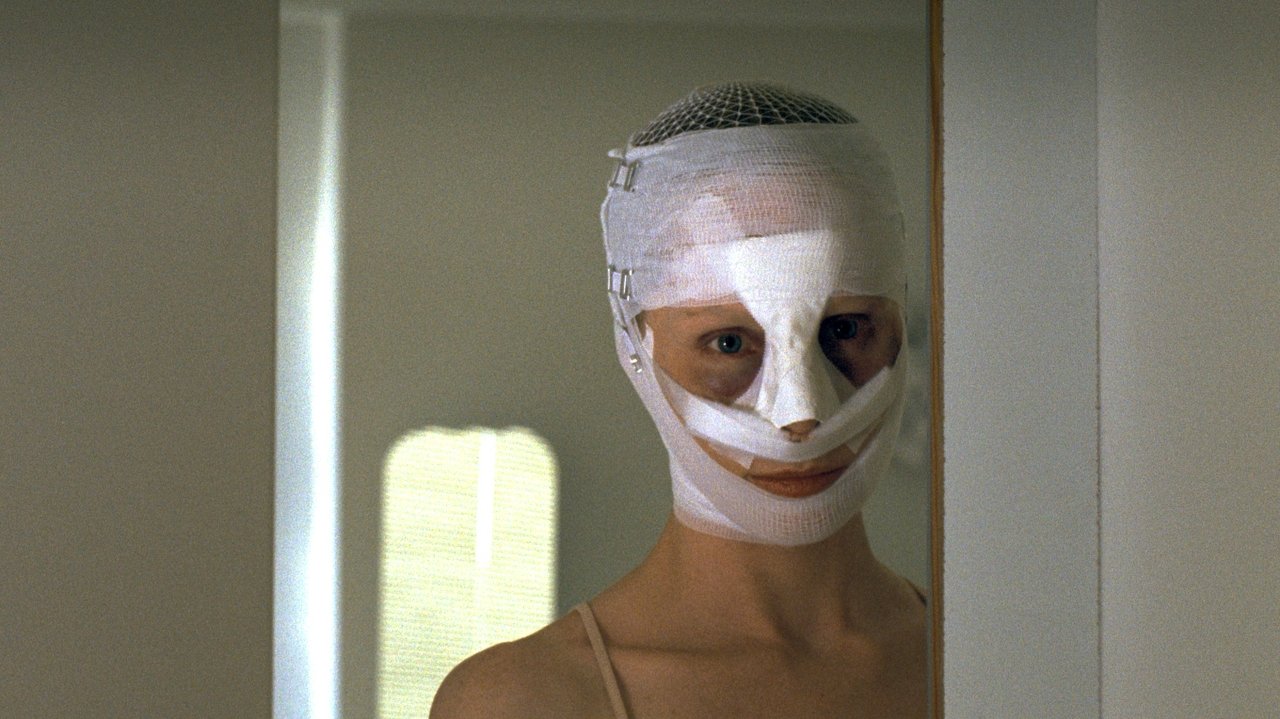
There is something inherently wrong with a face you can't see. We’re hardwired to look for micro-expressions—a twitch of a lip, a narrowing of the eyes—to figure out if we’re safe. When Susanne Wuest first appears in Goodnight Mommy, her head is a cocoon of surgical gauze, leaving only two dark pits for eyes and a slit for a mouth. It’s a walking nightmare of a silhouette, and it’s the catalyst for one of the most effective, nerve-shredding exercises in "is-she-or-isn't-she" tension released in the last decade.
I remember watching the trailer for this back in 2015 on a grainy Facebook feed. It was one of those rare viral moments where everyone seemed to collectively agree that Austria had just produced the scariest movie of the year. Re-watching it now, in an era where "elevated horror" has become a bit of a tired buzzword, I’m struck by how much more mean-spirited and lean it is compared to its peers. I actually watched this particular screening while nursing a lukewarm cup of peppermint tea that I’d forgotten to put sugar in, and that bitter, medicinal taste actually felt like the perfect unintended 4D pairing for the film's cold atmosphere.
The Architecture of a Nightmare
Directors Veronika Franz and Severin Fiala don’t waste time with jump scares. They understand that true dread is a slow-acting poison. The setting is a stunning, ultra-modern house in the Austrian countryside—all floor-to-ceiling glass and cold, hard surfaces. It’s the kind of place that looks beautiful in an architecture magazine but feels like a tomb if you’re a child.
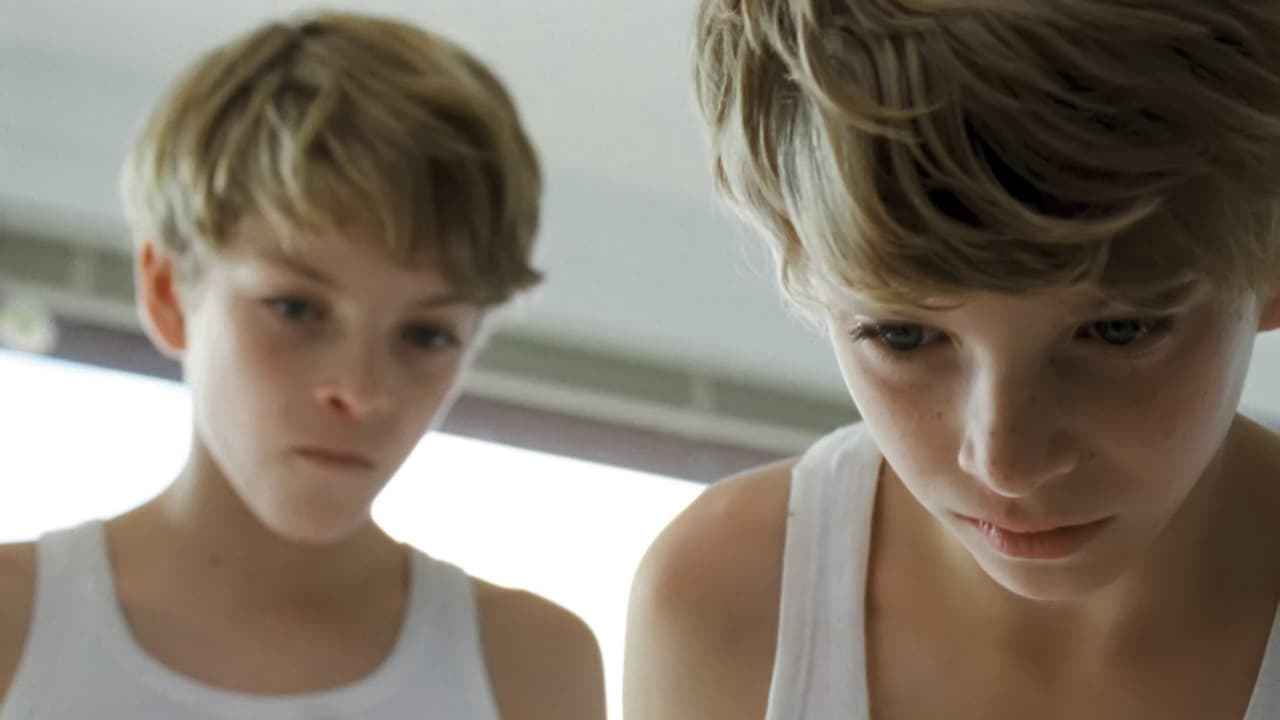
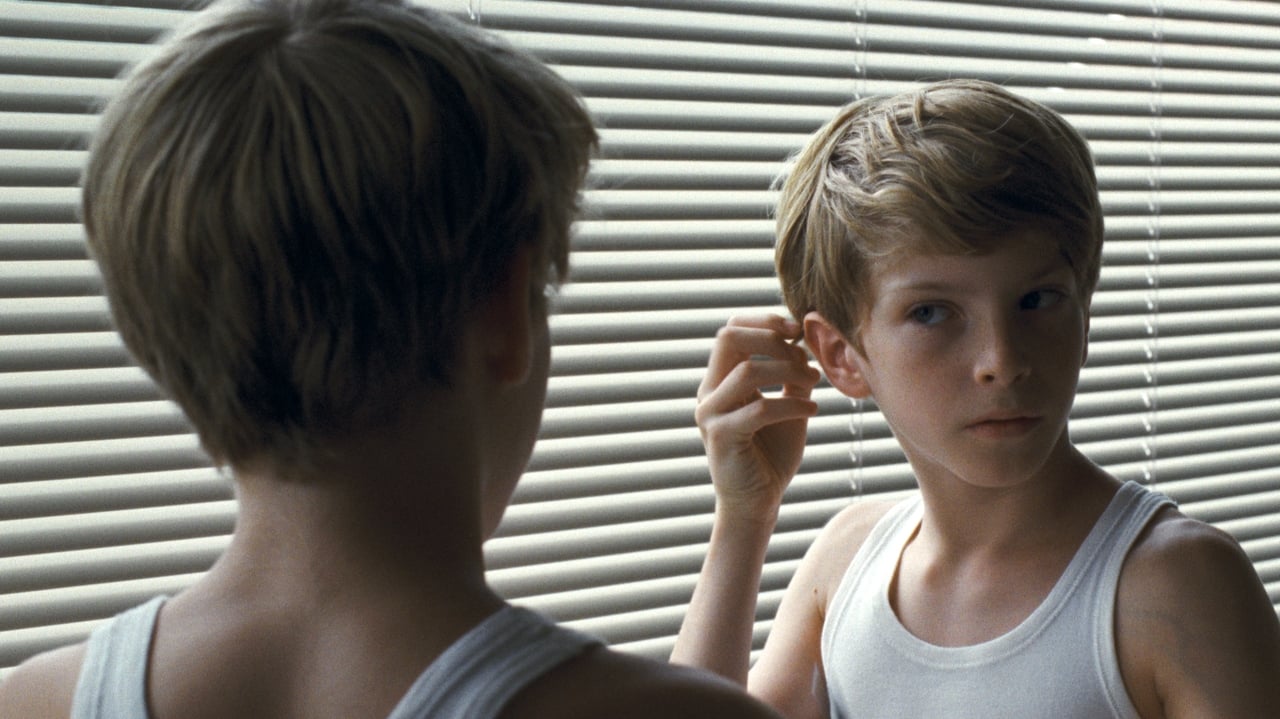
Our protagonists are nine-year-old twins, played by Elias Schwarz and Lukas Schwarz. They spend their summer days roaming the woods and cornfields, living in that private, telepathic bubble that only twins really inhabit. When their mother returns from cosmetic surgery, she isn’t the warm presence they remember. She’s cold, she’s erratic, and she begins to pointedly ignore Lukas while only speaking to Elias.
The cinematography by Martin Gschlacht is clinical. He captures the heat of the summer and the sterile interior of the house with a clarity that makes everything feel exposed yet hidden. The boys start to notice small things—a mole that seems to have moved, a personality shift that feels too drastic for a simple recovery. They conclude that the woman under the bandages is an impostor. The real villain of the movie isn't the 'impostor,' it's the lack of a decent therapist in rural Austria.
A Shift in the Power Dynamic
What starts as a psychological mystery eventually curdles into something much more confrontational. This is where the film might lose some viewers, but it’s where I think it earns its place in the horror pantheon. The "scary parent" trope is flipped on its head. Usually, we’re afraid of what the adult will do to the child. Goodnight Mommy asks: What is a child capable of doing if they believe their protector has been replaced by a monster?
The performances from the two boys are staggering. They weren't given a script; the directors filmed in chronological order and told them the story day by day to keep their reactions authentic. You can feel that raw, unpolished energy. When they decide to take matters into their own hands to get the "truth" out of their mother, the film enters territory that makes Misery look like a spa day.
It’s a brutal watch, not because of an abundance of gore, but because of the intimacy of the violence. It uses household objects—superglue, scissors, magnifying glasses—in ways that will make you look at your kitchen junk drawer with newfound suspicion. It taps into a very specific contemporary anxiety about identity and the masks we wear, both literally and figuratively.
Why It Got Lost in the Shuffle
Despite the massive buzz around its initial release, Goodnight Mommy has drifted into that "cult curiosity" territory. It was arguably the frontrunner for the wave of folk and domestic horror that gave us The Witch and Hereditary, but being a subtitled Austrian film, it didn't get the same permanent residency in the American pop-culture consciousness. It also suffered from a 2022 American remake that—while well-acted—sanded off all the sharp, jagged edges that made the original so uncomfortable.
This film belongs to the streaming era’s "discovery" culture. It’s the kind of movie you find at midnight on a Friday when you want something that will actually stick to your ribs. It’s a film about grief, the breakdown of communication, and the terrifying elasticity of the family bond. It's essentially a 100-minute PSA against ever getting elective surgery if you have suspicious children.
If you’ve seen the "twist" coming—and many seasoned horror fans will—don’t let that deter you. The revelation isn't the point; the point is the agonizing journey to get there and the tragic realization of how far gone these characters are before the first match is even struck.
Goodnight Mommy is a masterclass in spatial tension and psychological erosion. It’s a beautiful, cruel film that understands that the people who know us best are the ones best equipped to destroy us. It’s not a "fun" Friday night watch, but it is an essential one for anyone who thinks horror should do more than just make you jump. It should make you want to lock your bedroom door.
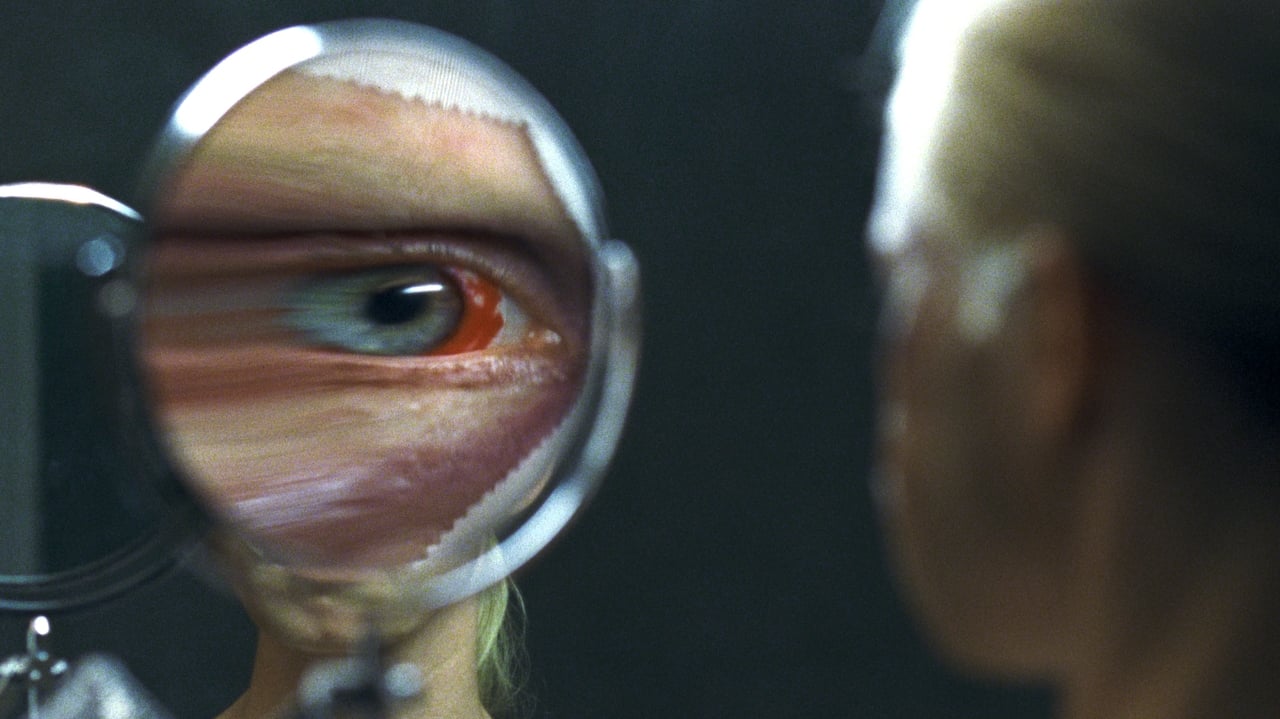
Keep Exploring...
-

The Lodge
2020
-
Marrowbone
2017
-
Color Out of Space
2020
-
Gretel & Hansel
2020
-
Watcher
2022
-

Immaculate
2024
-
Circle
2015
-
The Boy
2016
-
Get Out
2017
-
Ghostland
2018
-
Hereditary
2018
-
Escape Room
2019
-
I See You
2019
-
Polaroid
2019
-
Vivarium
2019
-
Brahms: The Boy II
2020
-
I'm Thinking of Ending Things
2020
-

Dark Places
2015
-
Hidden
2015
-
I Spit on Your Grave III: Vengeance Is Mine
2015