In the Heart of the Sea
"Nature has a long memory and a heavy tail."

I remember exactly where I was when I first missed this movie. It was December 2015, and I was stood in a cinema lobby that looked like it had been colonized by the First Order. Star Wars: The Force Awakens was a week away from obliterating the global box office, and poor Ron Howard’s seafaring epic was relegated to the "other" screen—the one with the sticky floor and the speaker that buzzed. I opted for a second viewing of a different franchise film instead. Looking back, that was my first mistake. My second mistake was watching this on a plane years later while the person next to me was aggressively peeling a hard-boiled egg. The sulfurous smell didn't exactly help the seafaring immersion, but the film itself? It’s a massive, salty wreck of a masterpiece that deserved better than to be swallowed whole by the Disney machine.
The Leviathan in the Machine
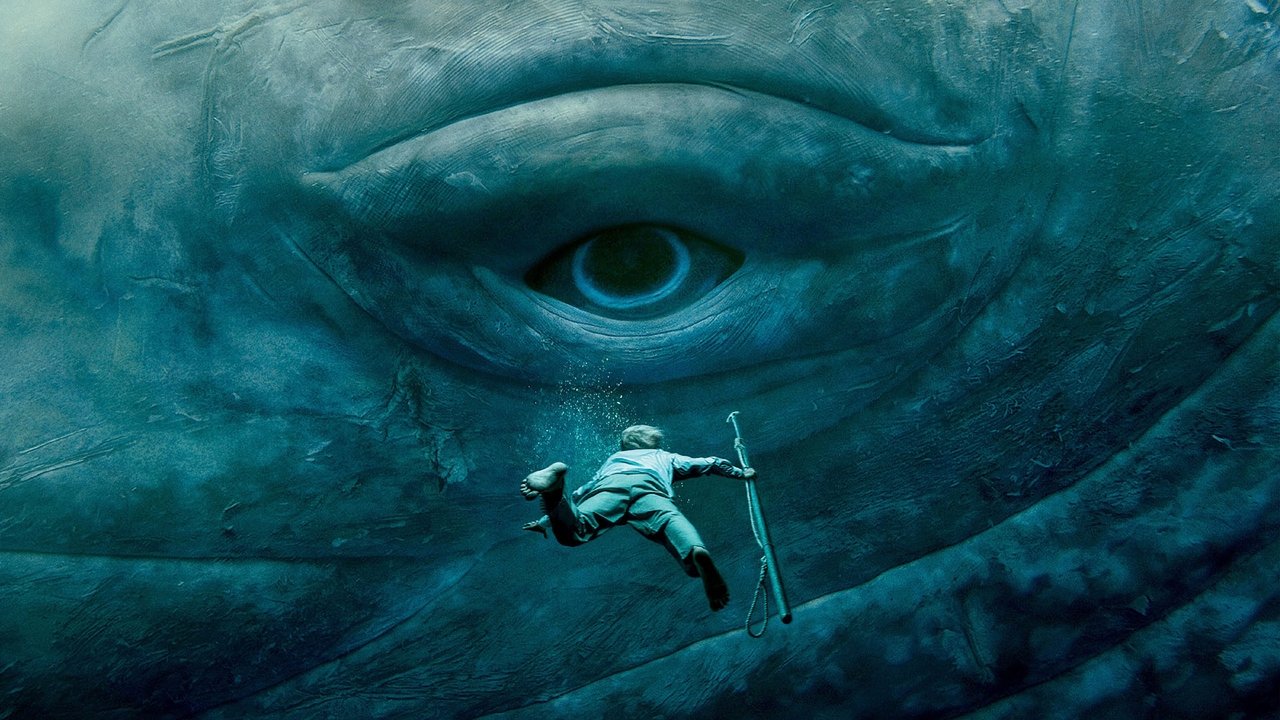
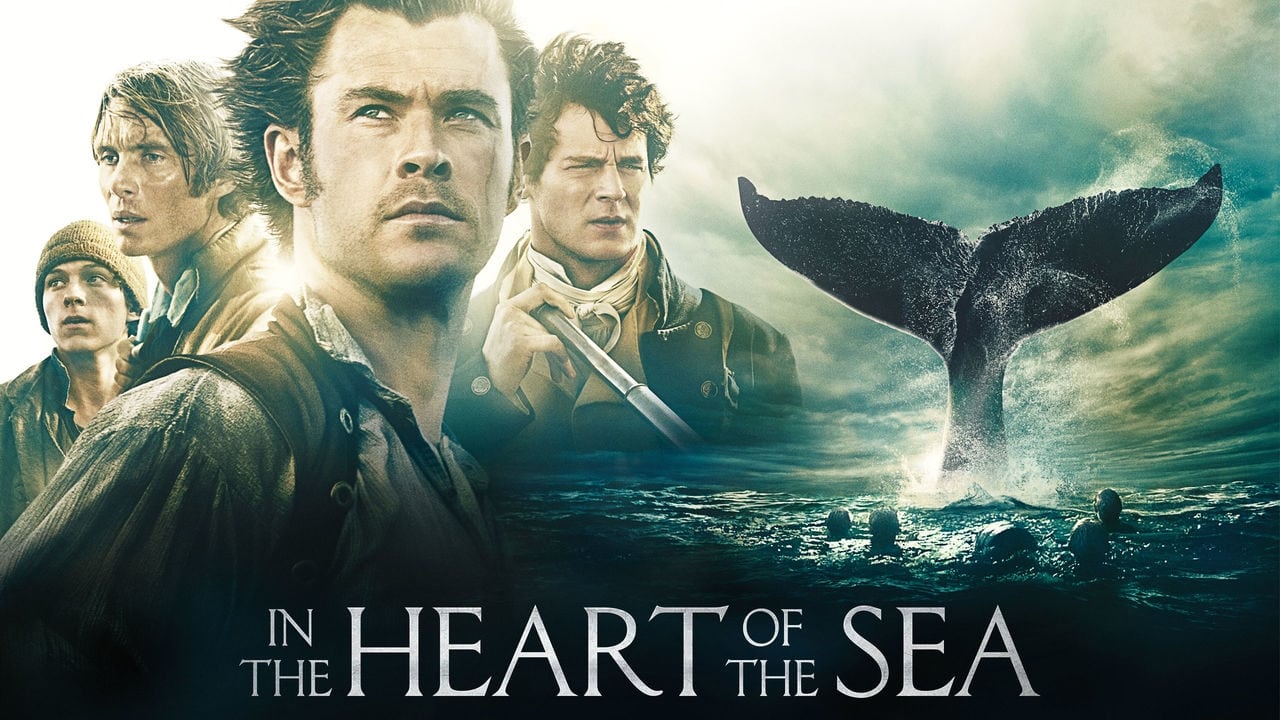
In the Heart of the Sea isn't really a "Moby Dick" movie; it’s the story of the tragedy that made Herman Melville (played here by a contemplative Ben Whishaw) wake up in a cold sweat. We follow Chris Hemsworth as Owen Chase, a veteran whaler with the jawline of a Norse god and the ego of a man who thinks he can punch the ocean and win. He’s paired with the aristocratically incompetent Captain George Pollard (Benjamin Walker), and their chemistry is less "buddy cop" and more "two cats tied together in a burlap sack."
The action choreography here is where Ron Howard—a director usually known for his polished, "Prestige with a capital P" style—really gets his hands dirty. When that first whale hits, the camera doesn’t just sit back and watch. Cinematographer Anthony Dod Mantle (who lensed Slumdog Millionaire) uses these tiny, digital "GoPro" style rigs mounted to the harpoons and the sides of the boats. It gives the action a frantic, nauseatingly intimate perspective that makes you feel every splinter of wood and gallon of brine. It’s not "clean" action; it’s a chaotic, industrial nightmare of ropes snapping like whips and 80-foot predators turning the hunters into the hunted.
A Masterclass in Starvation and Scale
There is a point in this movie where the "Adventure" genre tag falls away and it becomes a grueling survival thriller. As the crew of the Essex drifts in the doldrums, the physical transformation of the cast is genuinely distressing. Chris Hemsworth dropped a massive amount of weight, trading his Thor physique for something that looks like it was carved out of driftwood. I found myself checking my own pulse when Cillian Murphy—playing the dependable Matthew Joy—started looking more like a ghost than a sailor. This was long before he became the internet’s favorite "Oppen-homie," but that haunting, thousand-yard stare was already in peak form.

Interestingly, the film features a very young Tom Holland as the cabin boy, Thomas Nickerson. Seeing "Spider-Man" covered in whale oil and contemplating cannibalism is a weirdly specific 2015 time capsule. Apparently, the actors were limited to 500 calories a day to achieve that "lost at sea" look, which explains why everyone in the second half of the movie looks like they’re ready to eat the camera crew. It’s a level of commitment that makes the CGI whale feel surprisingly grounded; because the men look so fragile, the threat feels infinitely more heavy.
Why It Flopped (And Why You Should Care Now)
In the era of "Franchise Dominance," In the Heart of the Sea was a victim of terrible timing and a marketing campaign that sold it as a standard monster movie. It’s not. It’s a bleak, beautiful autopsy of human greed. The crew isn't out there for glory; they’re out there for whale oil—the 19th-century equivalent of fossil fuels. Seeing them risk everything for a few barrels of grease feels incredibly pointed in our current climate-anxious moment.
The film's box office was a disaster, clawing back only $93 million against a $100 million budget. It’s a "Cult Classic" in waiting, the kind of movie that people discover on a Saturday night and wonder, "Why didn't anyone tell me this was awesome?" It’s because we were all too busy arguing about lightsabers. Ron Howard crafted a film that bridges the gap between old-school Hollywood spectacle and modern, gritty digital filmmaking. It’s loud, it’s wet, and it features Brendan Gleeson delivering a masterclass in "Guilty Old Man" acting as the elder Nickerson.
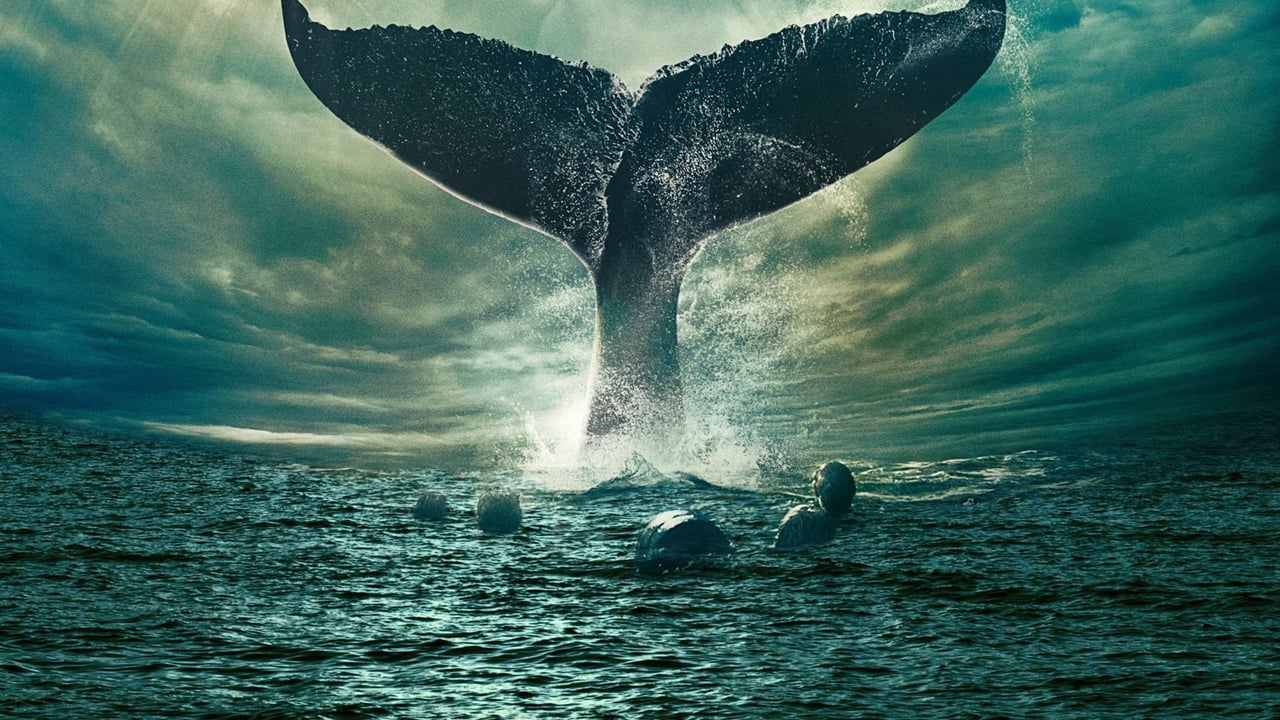
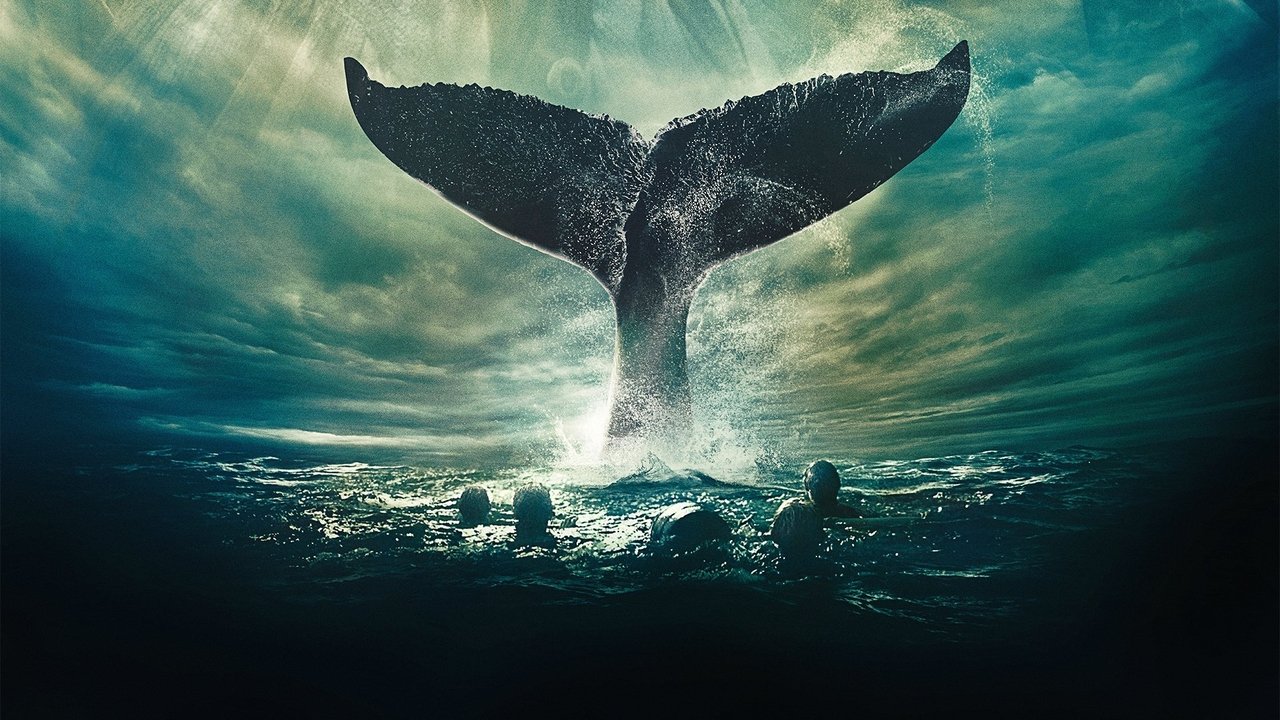
If you have a big TV and a decent soundbar, put this on. The sound design alone—the groaning of the hull and the low-frequency thrum of the whale’s movement—is enough to make you feel like you’ve got salt in your lungs. It’s the most expensive movie ever made about whale vomit, and I mean that as the highest possible compliment.
This is a film that demands to be seen on the biggest screen possible, away from the distractions of franchise fatigue. It’s a reminders that nature doesn't care about your pedigree or your harpoons. It’s a gorgeous, harrowing survival story that proves Chris Hemsworth is more than just a cape and a hammer. Just maybe avoid eating any hard-boiled eggs while you watch it.
Stuff You Didn't Notice
The Hunger Games: To keep the actors' weight down, the production reportedly only served them "meager portions" of crackers and water on set to keep them in character. Spider-Sense: Tom Holland actually credits Chris Hemsworth for helping him land the role of Peter Parker; Hemsworth reportedly wrote a letter of recommendation to Marvel while they were filming this. The Real Location: While much was shot in tanks at Leavesden Studios, a significant portion was filmed in the actual waters of the Canary Islands, leading to some very real seasickness for the cast. Historical Accuracy: The "GoPro" shots I mentioned? They used a custom-built digital camera called the "IndieCam" to get into those tight, water-sprayed corners where a traditional Panavision rig would have died. * The Whale's "Voice": The sound designers used recordings of actual whales but slowed them down and layered them with industrial grinding noises to give the titular beast a "human sense of vengeance."
Keep Exploring...
-
13 Hours: The Secret Soldiers of Benghazi
2016
-

The Huntsman: Winter's War
2016
-
Patriots Day
2016
-

Inferno
2016
-

Solo: A Star Wars Story
2018
-
12 Strong
2018
-
The Finest Hours
2016
-
Hostiles
2017
-
Green Zone
2010
-
Batman vs. Robin
2015
-
Risen
2016
-
The Lost City of Z
2017
-

Anna
2019
-

Hotel Mumbai
2019
-
Point Break
2015
-
Terminator Genisys
2015
-
Jack Reacher: Never Go Back
2016
-
Skyscraper
2018
-
Gemini Man
2019
-
Rambo: Last Blood
2019