Inside Out
"A candy-colored journey into the messy, bittersweet plumbing of the human heart."
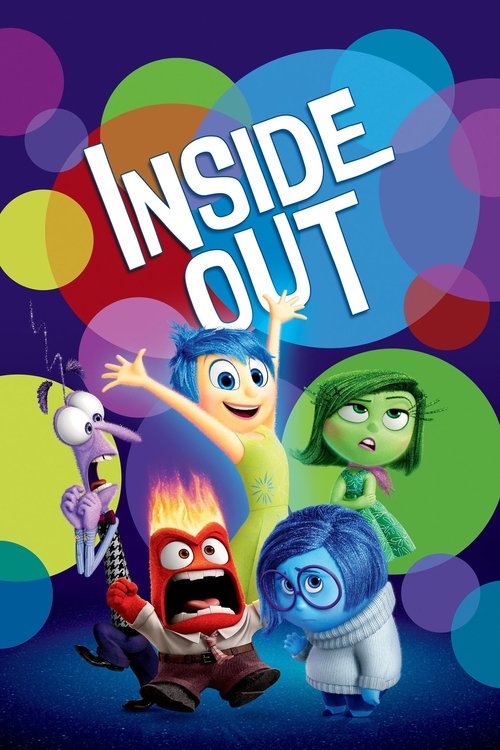
I remember sitting in a packed theater in 2015, watching a glowing yellow woman try to organize a bunch of glass spheres, and realizing that Pixar had finally decided to stop making movies for my nephew and start making them for my therapist. I was actually wearing a sweater that was slightly too itchy that day—the kind of physical annoyance that usually makes me irritable—but by the time the first "core memory" rolled across the screen, I forgot all about the wool scratching my neck. I was too busy wondering if my own internal headquarters was currently being run by a frantic Bill Hader.
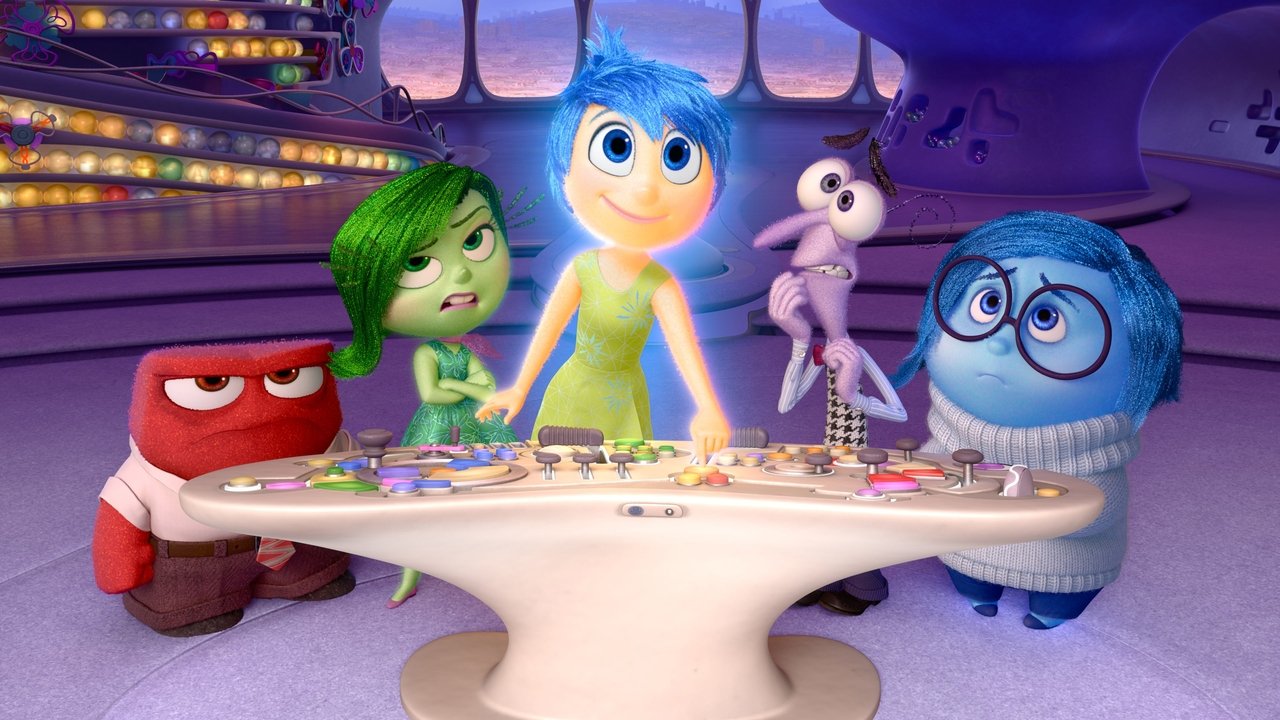
Inside Out arrived at a fascinating crossroads for contemporary cinema. We were right in the thick of the "franchise wars," with the MCU reaching peak saturation and studios leaning heavily on established IP. In that climate, an original story about the personified emotions of an 11-year-old girl felt like a massive creative gamble. But Pete Docter (who gave us the emotional gauntlet of Up) and Josh Cooley didn't just make a movie; they gave a generation of kids—and, let’s be honest, very fragile adults—a new vocabulary for mental health before "self-care" became a billion-dollar hashtag.
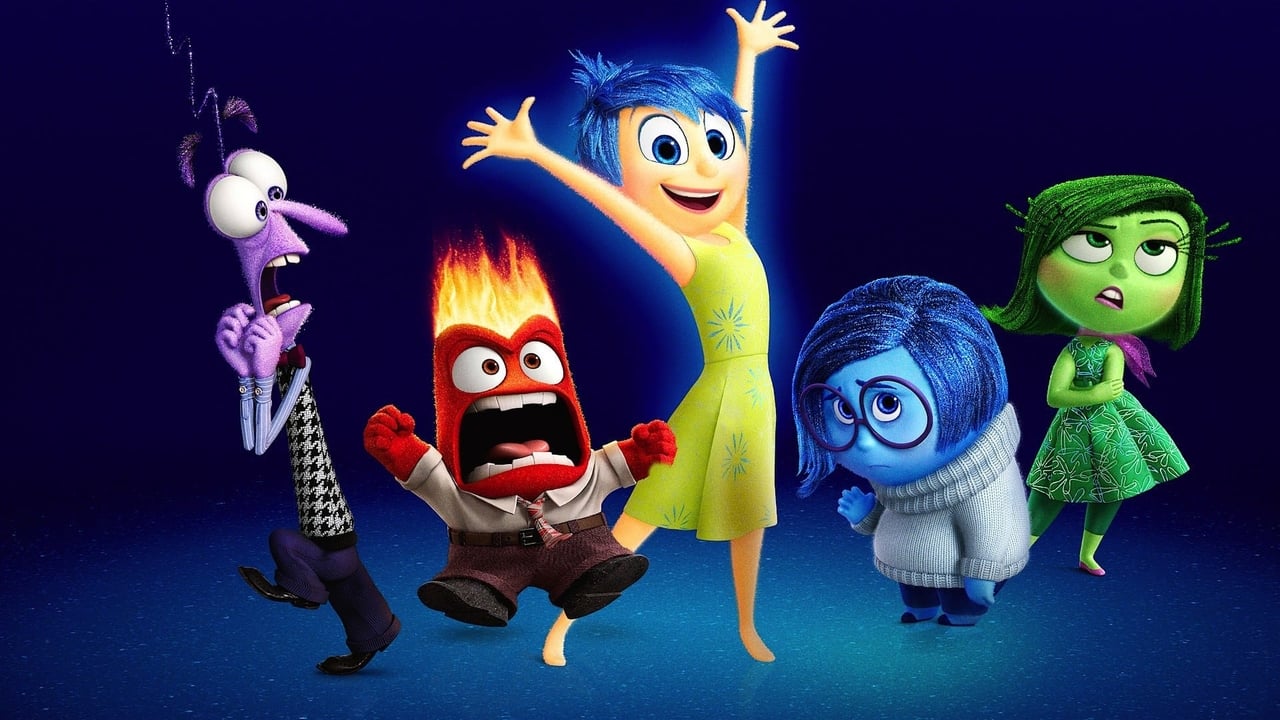
Joy is essentially a high-functioning micromanager on the verge of a nervous breakdown. As voiced by Amy Poehler, she is the ultimate "toxic positivity" warrior, convinced that if she can just keep Riley happy 24/7, everything will be fine. It’s a brilliant bit of casting; Poehler brings that Leslie Knope "can-do" energy, but layers it with a desperate, frantic edge. Opposite her, Phyllis Smith is a revelation as Sadness. In any other movie, Sadness would be the villain or the wet blanket to be discarded. Here, she’s the key to the whole engine. Watching them navigate the "Long Term Memory" stacks is like watching a buddy-cop movie where the stakes are a child’s ability to feel anything at all.
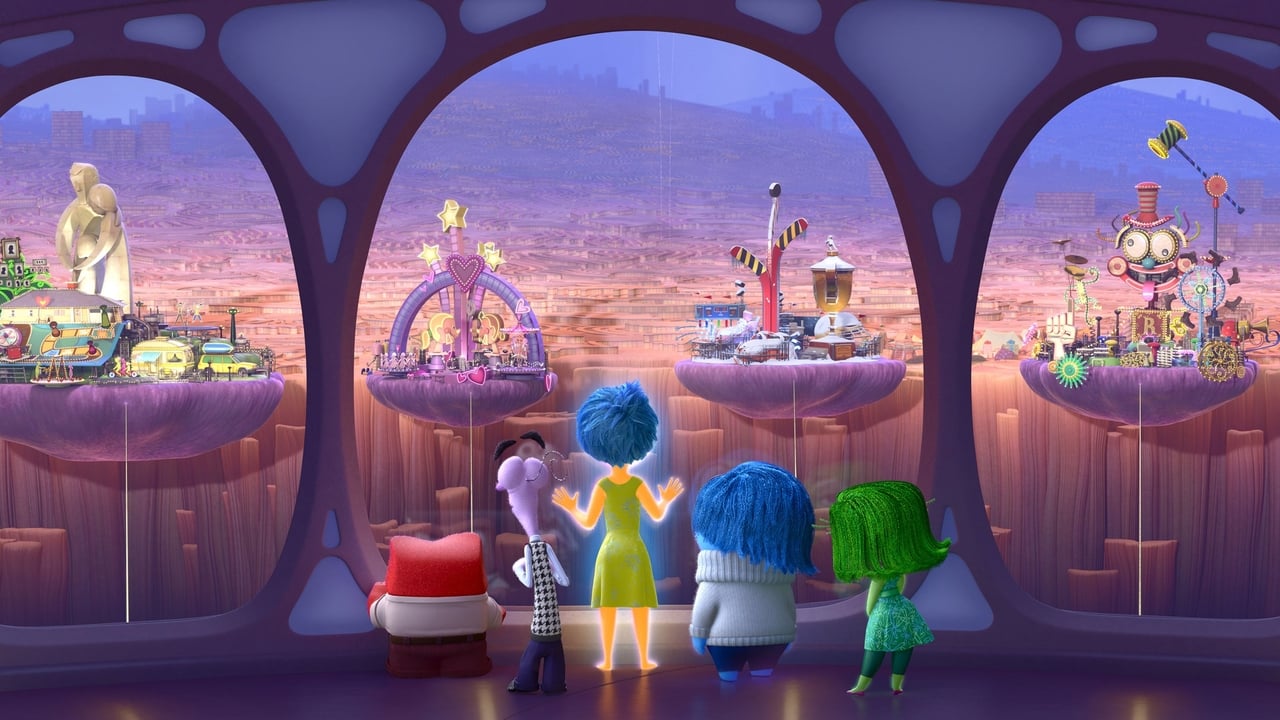
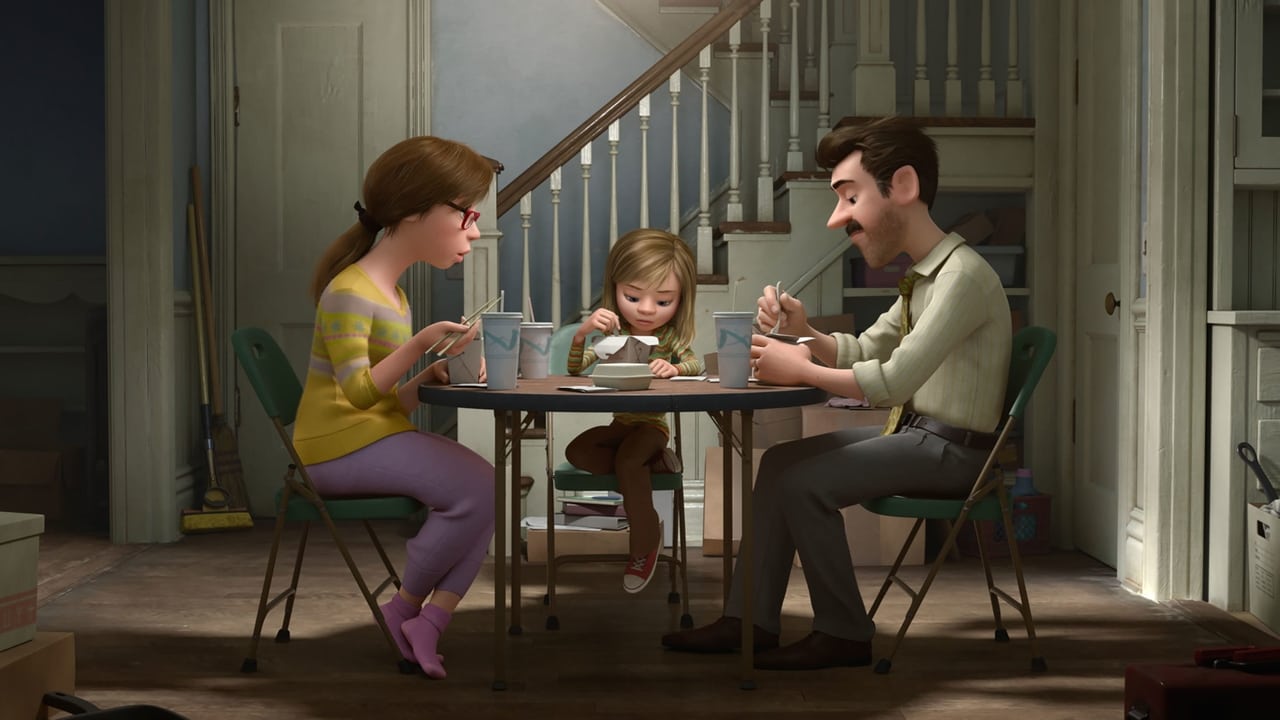
What makes this a "prestige" film isn't just the high-concept premise; it’s the astonishing attention to detail in the world-building. The "Mind World" is a masterclass in production design. Notice how the real world in San Francisco is animated with a slightly desaturated palette and shaky, handheld camera movements, while the interior of Riley's mind is vibrant, glowing, and filmed with the steady, sweeping grace of a big-budget musical. Patrick Lin (Cinematography) and the lighting team created a visual language that separates Riley’s external struggles from her internal chaos. It’s the kind of technical excellence that earned it an Oscar for Best Animated Feature and a rare-for-animation screenplay nomination.
The supporting cast is just as sharp. Lewis Black was literally born to play Anger—I’m convinced Pixar just recorded him stuck in traffic and animated a red brick around the audio. Mindy Kaling delivers Disgust with the perfect amount of pre-teen judgment. But the real emotional sucker-punch comes from Richard Kind as Bing Bong. Let’s be real: Bing Bong is a psychological horror character disguised as a candy-floss elephant. He represents the parts of our childhood we have to leave behind to grow up, and if you didn't cry during his final scene, I’m fairly certain your "Empathy Island" has crumbled into the Memory Dump.
Looking at it now, Inside Out feels even more relevant than it did eight years ago. In an era where social media demands we curate a "Joy-only" feed of our lives, the film’s central message—that you cannot have true Joy without Sadness—is a radical act. It’s a drama disguised as a family comedy, tackling the trauma of displacement and the loss of childhood innocence with more nuance than most "grown-up" prestige dramas.
I’ve heard some people complain that the "Abstract Thought" sequence is a bit too "Film School 101," but I loved it. It’s playful, it’s weird, and it respects the audience’s intelligence. Apparently, the production team consulted with Dacher Keltner, a psychology professor at Berkeley, to make sure the "Islands of Personality" made scientific sense. That’s the Pixar secret sauce: they do the homework so we can just feel the feelings. They even considered including other emotions like "Pride" and "Schadenfreude," but cut them to keep the story focused. Good call—I don't think my tear ducts could have handled a subplot about Riley feeling smug joy at someone else's failure.
The score by Michael Giacchino is the unsung hero here. It doesn't rely on big, manipulative orchestral swells. Instead, it uses a wandering, slightly melancholic piano melody that feels like the echo of a memory you can't quite grasp. It’s beautiful, understated work that ties the frantic adventure beats to the grounded family drama.
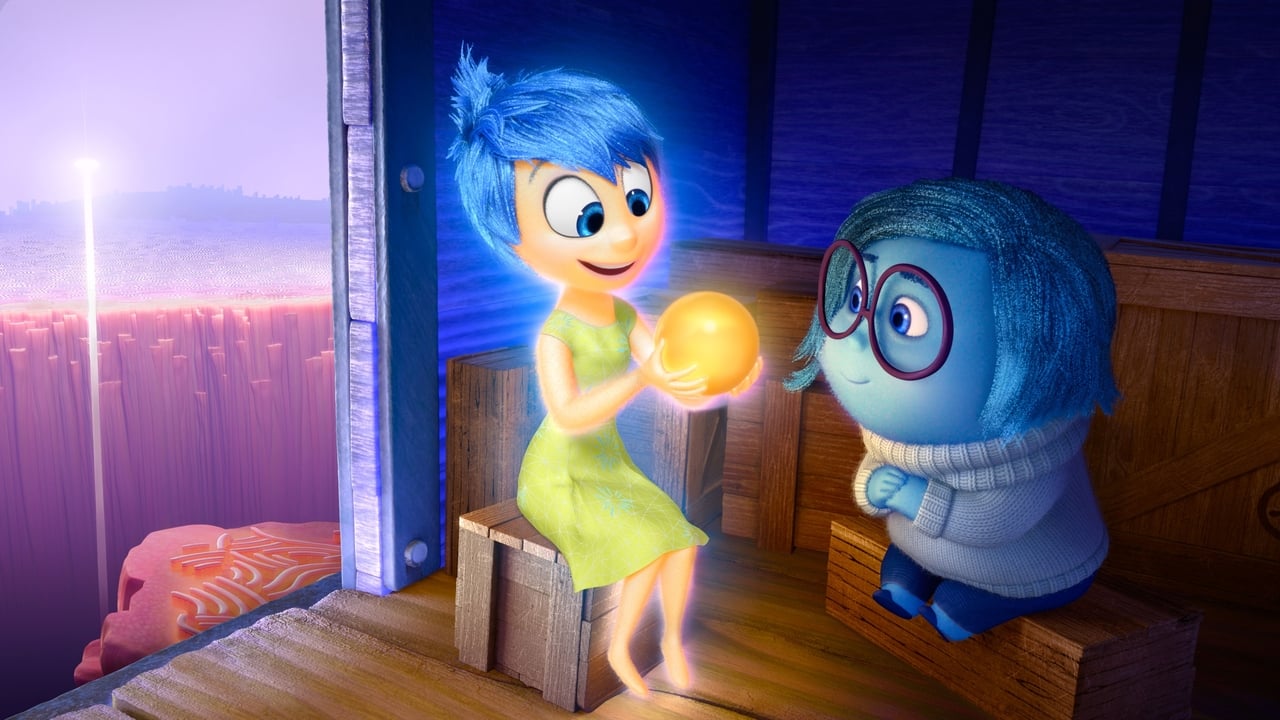
Ultimately, Inside Out works because it refuses to provide easy answers. It doesn't end with Riley winning a trophy or the move to San Francisco suddenly becoming perfect. It ends with a new, more complex control console—one where the buttons are multicolored and the emotions have to work in shifts. It’s a celebration of the "messy middle" of being human.
It is rare to find a film that functions so perfectly as both a high-stakes adventure and a deeply personal character study. Pixar managed to take the most abstract concept imaginable—the subconscious—and turn it into a place we feel like we’ve visited. It’s a movie that invites you to look inward and maybe be a little kinder to the "Sadness" sitting at your own control panel. Just make sure you have some tissues handy for the elephant made of cotton candy.
Keep Exploring...
-
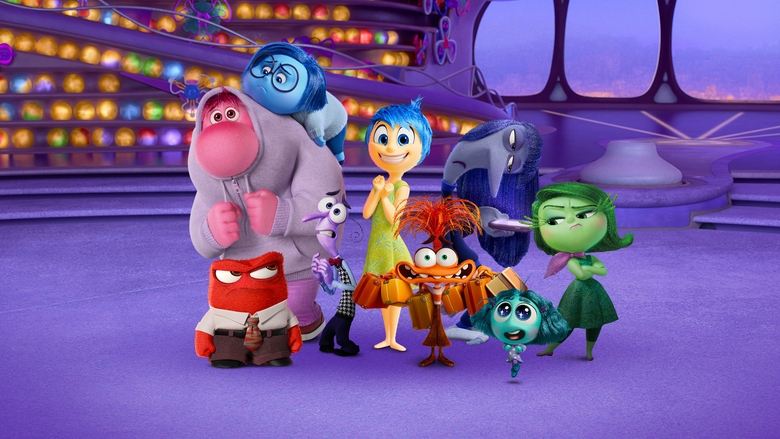
Inside Out 2
2024
-
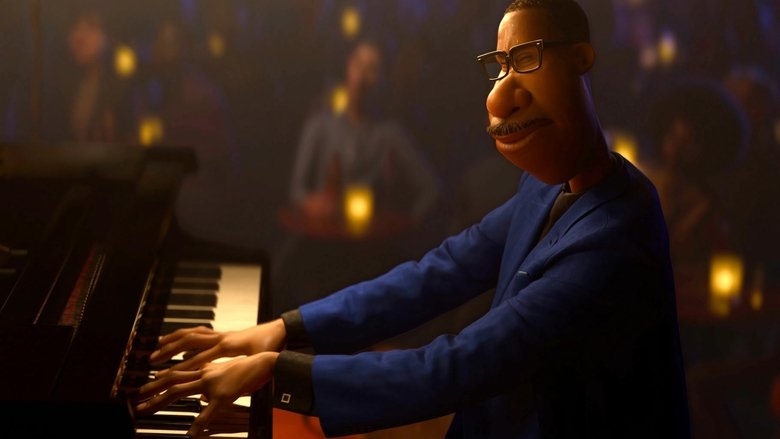
Soul
2020
-

Up
2009
-
Ralph Breaks the Internet
2018
-
The Angry Birds Movie 2
2019
-

Cars 3
2017
-
Finding Dory
2016
-
Kung Fu Panda 3
2016
-
Moana
2016
-
Zootopia
2016
-
Ferdinand
2017
-
Abominable
2019
-
Frozen II
2019
-

Missing Link
2019
-
Spies in Disguise
2019
-
Toy Story 4
2019
-
Onward
2020
-
The Croods: A New Age
2020
-
Trolls World Tour
2020
-
Luca
2021