Ip Man 3
"The master fights for home, history, and honor."
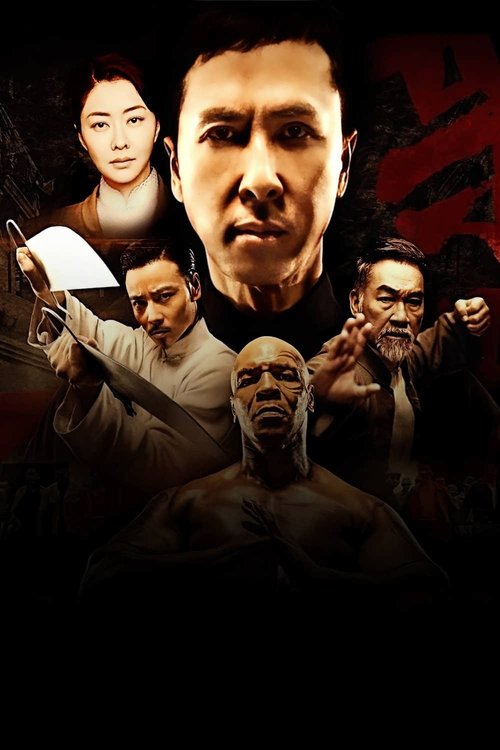
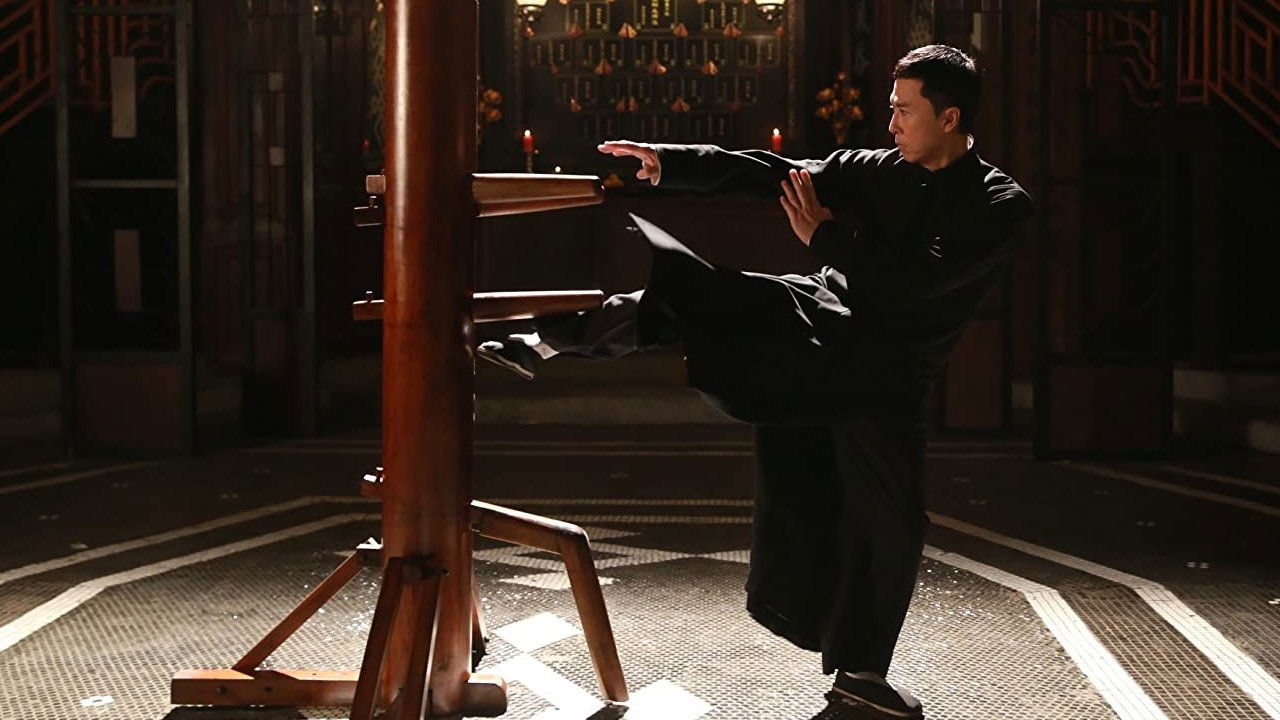
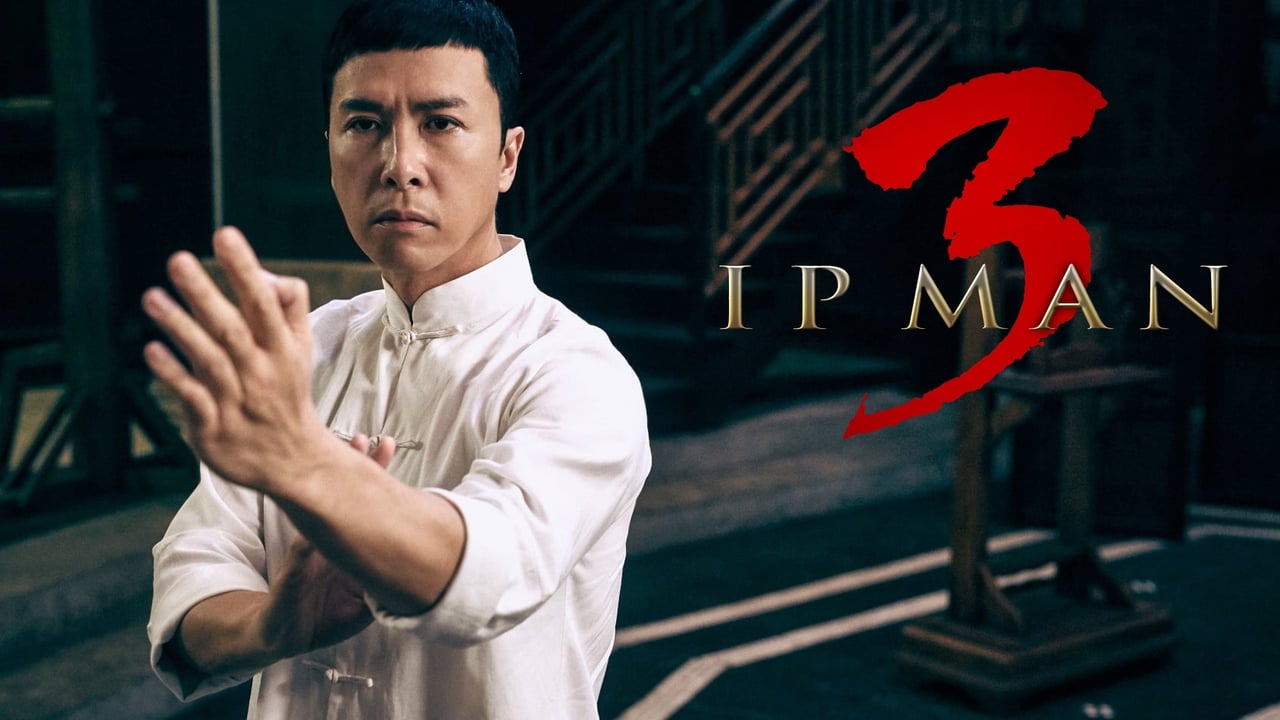
By 2015, the martial arts biopic had largely been swallowed by the "Ip Man" machine. What started as a gritty, grounded look at the life of the man who taught Bruce Lee had morphed into a full-blown superhero franchise. While the rest of the cinematic world was obsessed with the peak of the Marvel Cinematic Universe, Donnie Yen was busy cementing his own legend as a hero who didn't need a cape—just a very well-pressed long gown and a dizzying number of chain punches.
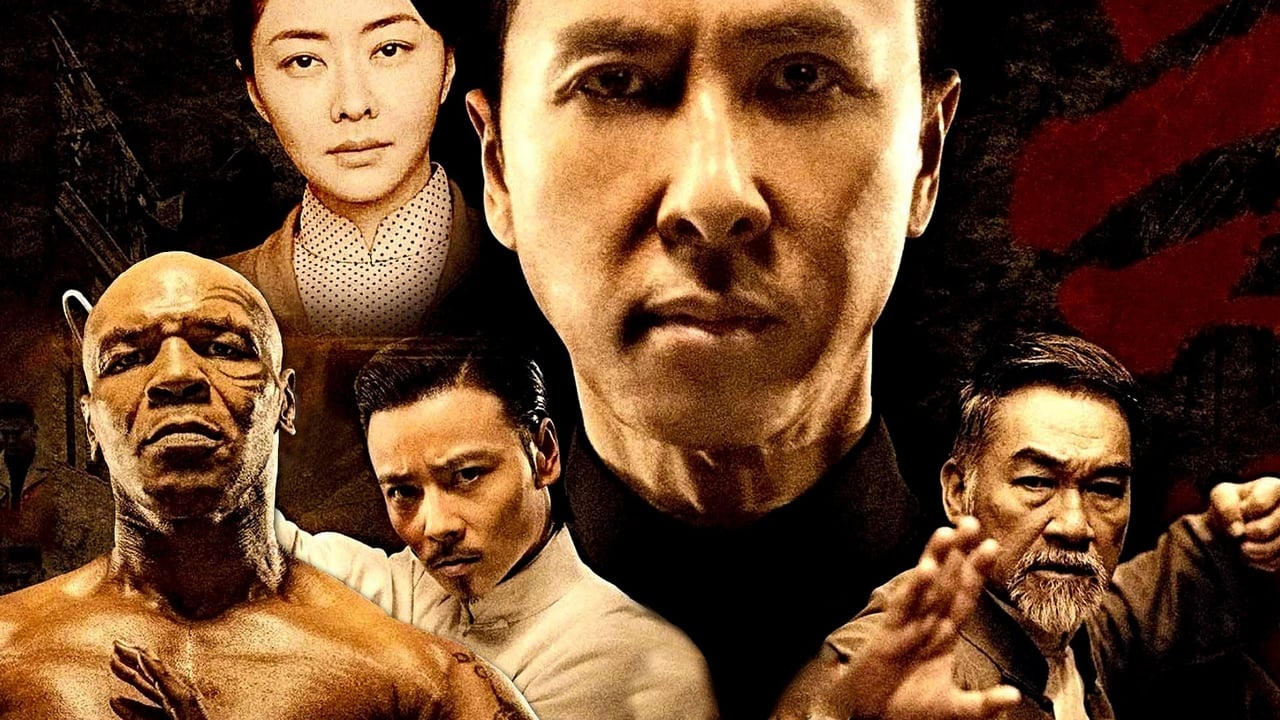
I watched this on a Tuesday night while nursing a slightly burnt tongue from a too-hot bowl of instant noodles, which somehow made the impact of the fight scenes feel more physically demanding. Ip Man 3 doesn't try to reinvent the wheel, but it does something far more interesting for a third installment: it gets personal.
The Heavyweight in the Room
Let’s address the elephant—or rather, the Iron Mike—in the room. The casting of Mike Tyson as a crooked property developer named Frank is the kind of mid-2010s "stunt casting" that should have been a disaster. It feels like something out of a fever dream or a high-budget fan film. Yet, the three-minute skirmish between Donnie Yen and Mike Tyson is a genuine highlight.
The choreography, handled here by the legendary Yuen Woo-ping (who stepped in for Sammo Hung), emphasizes the terrifying contrast between Tyson’s raw, explosive power and Yen’s surgical precision. The Mike Tyson fight is basically a really expensive piece of fan fiction, but seeing a Wing Chun master navigate the slip-and-hook rhythm of a heavyweight boxer is a tactical treat. It’s a clash of styles that the franchise had teased since the first film's "Northern vs. Southern" rivalries, now escalated to a global scale.
The Quiet Heart of a Grandmaster
While the marketing leaned heavily on the Tyson spectacle, the actual soul of the film belongs to Lynn Hung Doi-lam, playing Ip Man’s wife, Wing-sing. In an era where action sequels usually go "bigger and louder," director Wilson Yip chose to go smaller and sadder. The subplot involving Wing-sing’s terminal illness provides a much-needed weight to the proceedings.
There is a sequence in an elevator where Ip Man is confronted by a Muay Thai assassin. Instead of a standard brawl, the fight is framed by Ip Man’s need to protect his wife in the confined space. The elevator fight is the only time a movie has made me afraid of a man in a cardigan. It’s elegant, frantic, and deeply protective. It reminds us that while Ip Man is a legend to the city, he is just a husband to one woman, and that’s the fight he’s most desperate to win. It grounds the film in a way that contemporary "franchise fatigue" often ignores; we care about the punch because we care about the person throwing it.
A Legacy in High Definition
Technically, Ip Man 3 is a polished beast. The cinematography by Kenny Tse Chung-to trades the desaturated, dusty tones of the first film for a vibrant, almost romanticized version of 1950s Hong Kong. It looks expensive because it was—with a $36 million budget, it was a massive undertaking for the Hong Kong film industry at the time.
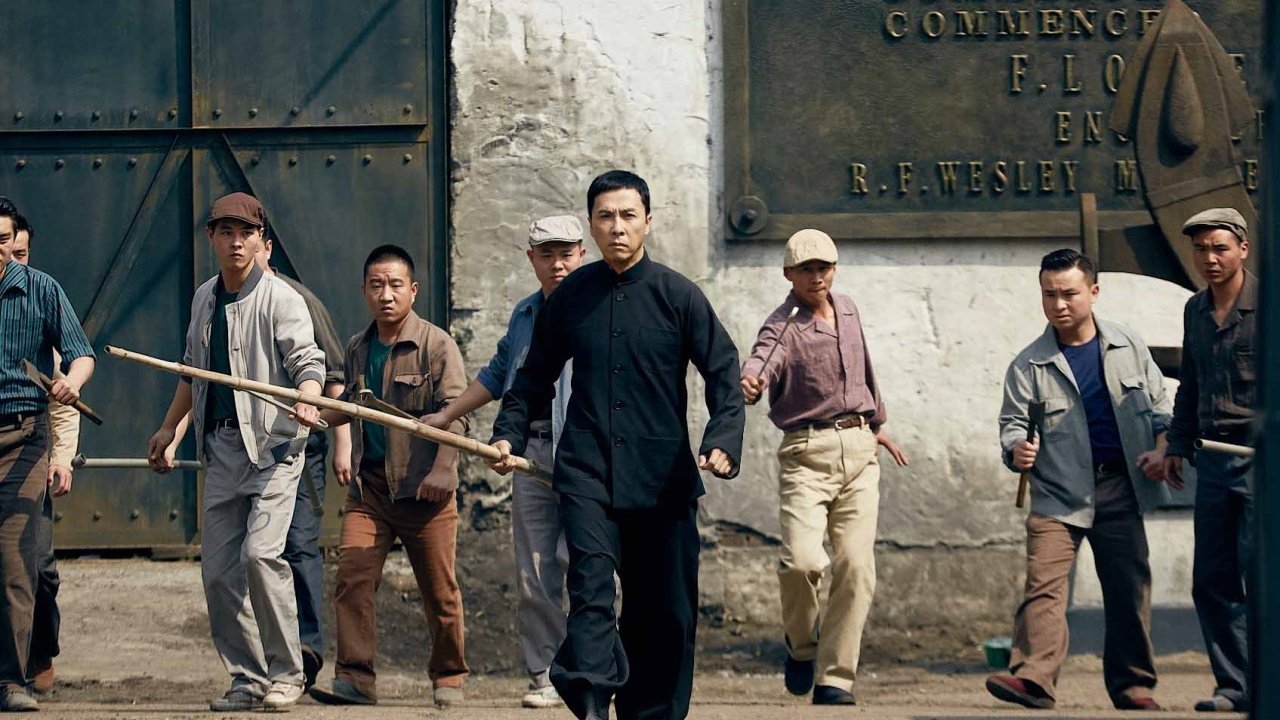
The film also navigates the tricky waters of legacy. We finally see a young Bruce Lee (played by Danny Chan Kwok-kwan), and the "water" training sequence is a lovely nod to the philosophy that would eventually change action cinema forever. However, the real threat comes from Max Zhang, who plays Cheung Tin-chi, a rival Wing Chun practitioner. Their climactic duel is a purist’s dream—no boxers, no gangsters, just two men with poles, knives, and fists, proving who represents the "true" Wing Chun. Max Zhang is so charismatic here that it’s no wonder he earned his own spin-off film, Master Z: Ip Man Legacy, a few years later.
Stuff You Didn't Notice
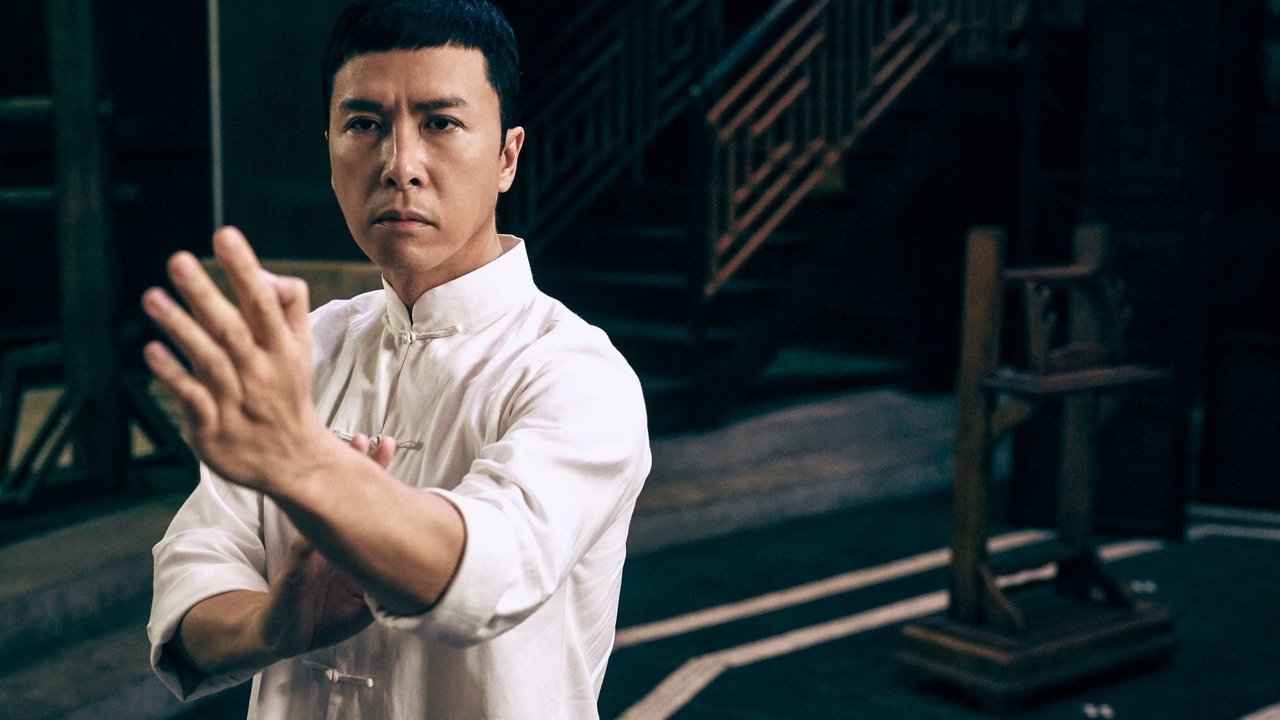
The production of Ip Man 3 was almost as chaotic as the on-screen brawls. During the filming of the big showdown between the two leads, Donnie Yen accidentally fractured Mike Tyson's index finger with his elbow. Tyson, ever the professional, reportedly finished the scene before seeking medical attention.
The film also faced a strange controversy upon its release in mainland China. While it was a massive box office hit, grossing over $157 million worldwide, the film's distributors were investigated for "ghost screenings" and manipulating box office numbers to create artificial hype. It was a bizarre moment in contemporary cinema history that highlighted the cutthroat nature of the Chinese film market during its mid-2010s boom.
Additionally, the filmmakers originally intended to use a CGI Bruce Lee for the film. However, the Bruce Lee Estate filed a lawsuit to stop the digital resurrection, leading the production to pivot toward Danny Chan, who had previously played the icon in a television series. It’s a choice that aged better; in an era of "uncanny valley" de-aging and digital puppets, a real human performance feels much more respectful to the legend.
Ip Man 3 is a rare blockbuster sequel that manages to be both a crowd-pleasing spectacle and a poignant drama. It’s not as historically significant as the first entry, and the plot can feel a bit episodic—swinging wildly from schoolyard brawls to hospital rooms—but Donnie Yen remains the calm at the center of the storm. He brings a dignity to the role that few action stars can replicate, making this "contemporary" look at a historical figure feel timeless. It’s a high-energy, high-emotion ride that earns every bit of its runtime.
Keep Exploring...
-
Ip Man 4: The Finale
2019
-
Ip Man 2
2010
-
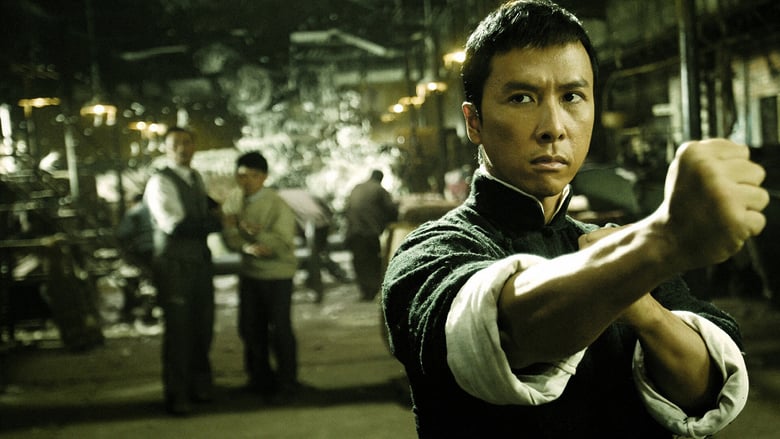
Ip Man
2008
-
Patriots Day
2016
-

Risen
2016
-
12 Strong
2018
-
Т-34
2018
-
Hotel Mumbai
2019
-
The Outpost
2020
-

In the Heart of the Sea
2015
-
13 Hours: The Secret Soldiers of Benghazi
2016
-
The Finest Hours
2016
-
1917
2019
-
Creed
2015
-
Along with the Gods: The Two Worlds
2017
-
Darkest Hour
2017
-
Downton Abbey
2019
-
The Three Musketeers: D'Artagnan
2023
-

Everest
2015
-
San Andreas
2015