Kung Fury
"History’s most dangerous criminal just met his match."

I remember exactly where I was when the trailer for Kung Fury first hit the internet. It was 2013, the golden age of Kickstarter, and some guy in Sweden named David Sandberg was promising to make a movie that looked like a VHS tape found in a dumpster behind a 1980s arcade. I pledged five dollars because the concept of a "Triceracop" felt like a civic duty to support. When the finished 32-minute short finally dropped on YouTube in 2015, I watched it on a cracked iPad while waiting for a haircut, and a toddler sitting next to me seemed genuinely terrified of the T-Rex. It was the most fun I’d had with a screen in years.
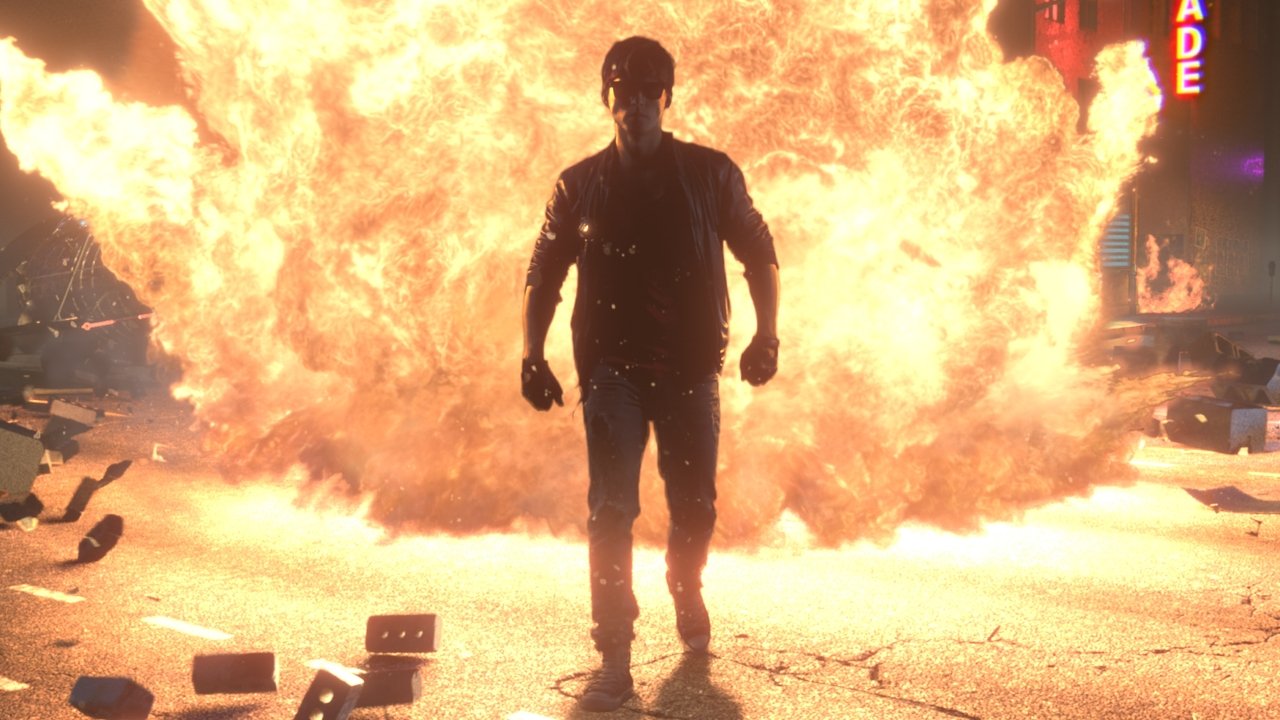
Kung Fury isn't just a parody; it’s a hyper-concentrated distillation of everything the 1980s thought was cool, filtered through the lens of a 2015 internet culture that was obsessed with "aesthetic." It arrived right as we were shifting from traditional television to the "content creator" era, proving that you didn't need a studio lot if you had enough green paint and a dream.
The Kickstarter Revolution and the Green Screen Dream
The production story is arguably as insane as the plot. David Sandberg didn't just direct and write this; he played the titular hero and spent years rotoscoping and compositing shots in his apartment. This is the ultimate "Indie Gem" of the digital age. With a budget of just over $630,000—peanuts for something this visually dense—the film managed to look better than many multi-million dollar television shows of its era.
Watching it now, it’s a fascinating snapshot of how technology democratized filmmaking. Almost every frame was shot against a green screen in a tiny office in Umeå, Sweden. Sandberg basically raided a digital toy box and refused to put anything back. The result is a film that feels both professional and wonderfully DIY. It doesn't care about the laws of physics or coherent storytelling; it cares about whether a scene looks like it belongs on the side of a custom van.
Neon-Soaked Fists and Side-Scrolling Slaughter

The action is where Kung Fury really finds its groove. It’s a love letter to the side-scrolling "beat 'em up" games like Double Dragon or Streets of Rage. The standout sequence—a three-minute long, single-take fight where Kung Fury mows through a literal army of Nazis—is choreographed with a rhythmic, balletic silliness. It’s the kind of sequence that would be exhausting in a two-hour blockbuster, but at 32 minutes, it’s an absolute blast.
The choreography isn't about realism; it’s about the "Rule of Cool." When Kung Fury uses a tank as a skateboard or does a split over two moving cars, it’s a nod to the peak-Jean-Claude Van Damme era of action. It's also remarkably clear. In an era where "shaky-cam" was still haunting big-budget action, Sandberg gives us wide, flat perspectives that allow the jokes and the hits to land simultaneously. It’s the cinematic equivalent of snorting a Pixy Stix while watching a VHS copy of Commando.
Hackerman, Thor, and the Art of the Absurd
The cast is a weird, wonderful mix of Swedish locals and internet-era cameos. Jorma Taccone (of The Lonely Island fame) plays Adolf Hitler—the "Kung Führer"—with a manic, high-pitched energy that makes him the perfect cartoon villain. Then there’s Leopold Nilsson as Hackerman, who "hacks" time itself using a Power Glove and a Commodore 64.
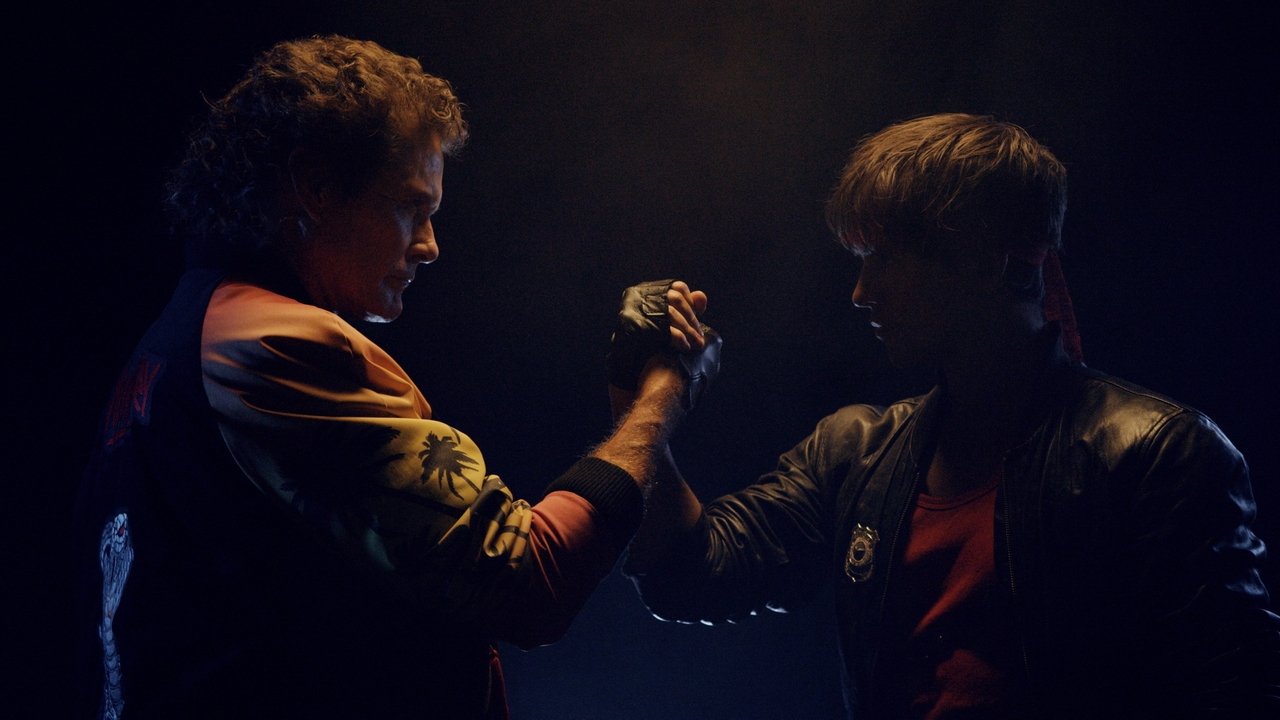
Even the supporting roles feel iconic despite having mere seconds of screen time. Andreas Cahling, a real-life legendary bodybuilder, plays a version of Thor that is mostly just abs and a giant hammer, while Helene Ahlson and Eos Karlsson round out the bizarre "time-team" as Katana and the Red Ninja.
The film even managed to snag the ultimate 80s icon: David Hasselhoff. Not only does he voice the "Hoff 9000" (a talking car, obviously), but he also performed the tie-in song, "True Survivor." That music video alone is a masterpiece of modern kitsch. It reminds me of why we love the contemporary era of cinema—we have the tools to resurrect the icons of our youth and put them in situations they never would have been allowed in thirty years ago.
Kung Fury is a miracle of the crowdfunding era. It’s a film that knows exactly what it is and refuses to apologize for a single second of its absurdity. It bridges the gap between the high-octane action of the past and the digital wizardry of the present, all while keeping a tongue firmly planted in its cheek. It’s the perfect "five-minute test" movie—if you aren't smiling by the time the dinosaur starts talking, you might need to check your pulse.
While it lacks the "prestige" of the indie films that sweep the festivals, its impact on the visual language of the 2010s is undeniable. It proved that a specific, uncompromised vision could find an audience of millions without a single cent of traditional marketing. It’s loud, it’s bright, and it’s unapologetically weird. If you’ve got half an hour to kill, there is no better way to spend it than watching a cop from the future punch the 1940s in the face.


Keep Exploring...
-
Justice League vs. Teen Titans
2016
-
Sorry to Bother You
2018
-
Boruto: Naruto the Movie
2015
-
Home
2015
-

Jumanji: Welcome to the Jungle
2017
-
Thor: Ragnarok
2017
-
Teen Titans Go! To the Movies
2018
-
Shazam!
2019
-
Sonic the Hedgehog
2020
-

Ghostbusters: Afterlife
2021
-

Jungle Cruise
2021
-

Day Shift
2022
-

Minions: The Rise of Gru
2022
-

Violent Night
2022
-
Nimona
2023
-
Teenage Mutant Ninja Turtles: Mutant Mayhem
2023
-

Deadpool & Wolverine
2024
-
Kung Fu Panda 4
2024
-
Sonic the Hedgehog 3
2024
-
Pixels
2015