Legend
"Twice the Hardy, half the heart."
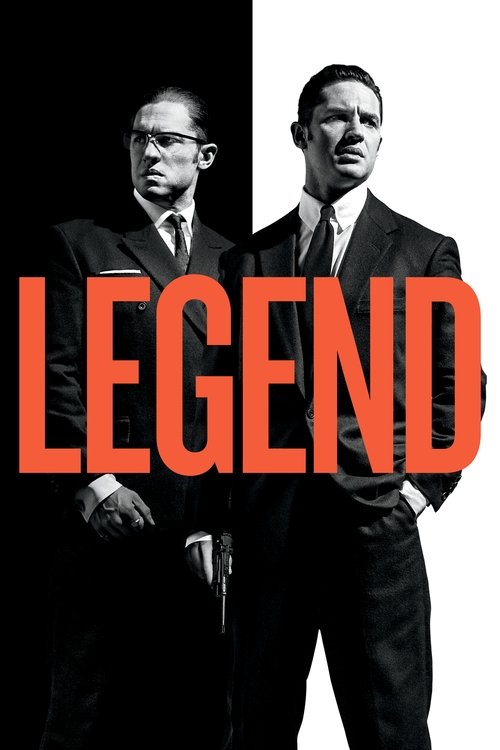
Watching Tom Hardy argue with himself is a bit like witnessing a glitch in the cinematic matrix that you can’t quite look away from. In Legend, we aren't just getting a British gangster flick; we’re getting a Rorschach test of mid-2010s movie stardom. I watched this for the third time recently while sitting on a train next to a woman who was aggressively knitting a neon-green scarf, and the rhythmic click-clack of her needles felt strangely synonymous with the way the film meticulously constructs its dual-lead gimmick. It’s a movie that lives and dies by its central stunt, a high-wire act that balances 1960s London glamour against the blunt-force trauma of the Kray twins' reality.
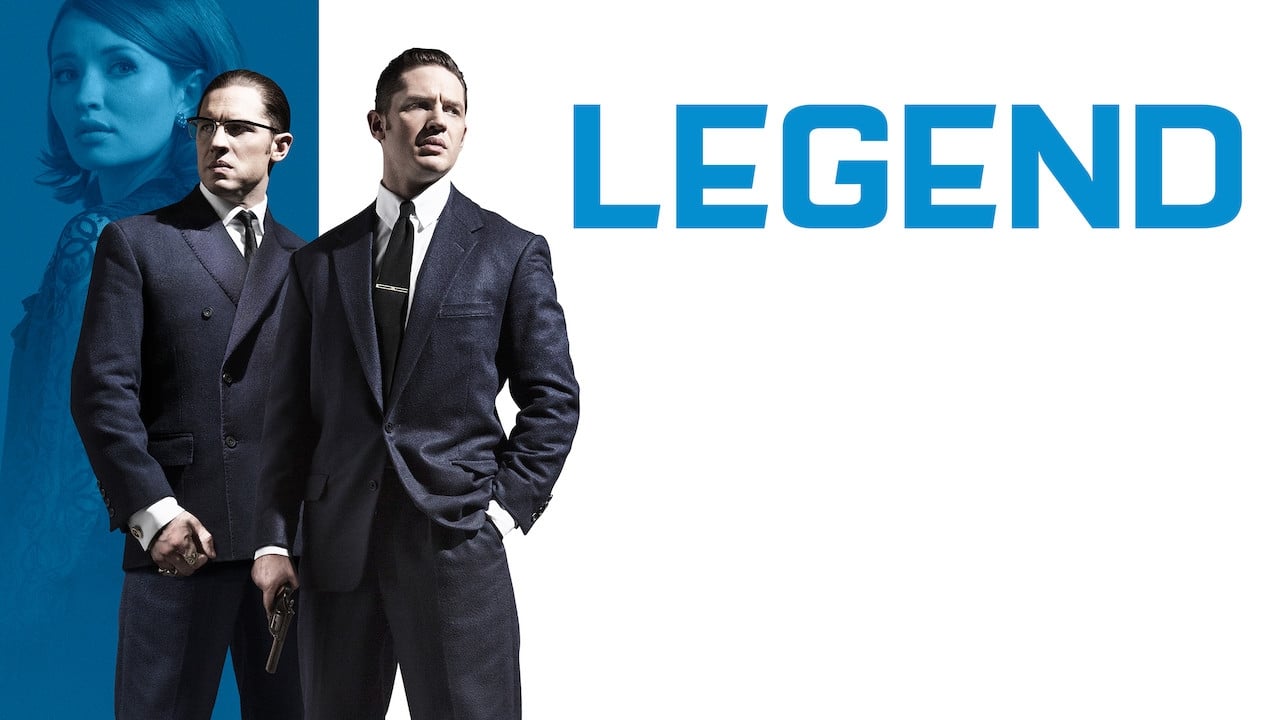
Double the Hardy, Double the Trouble
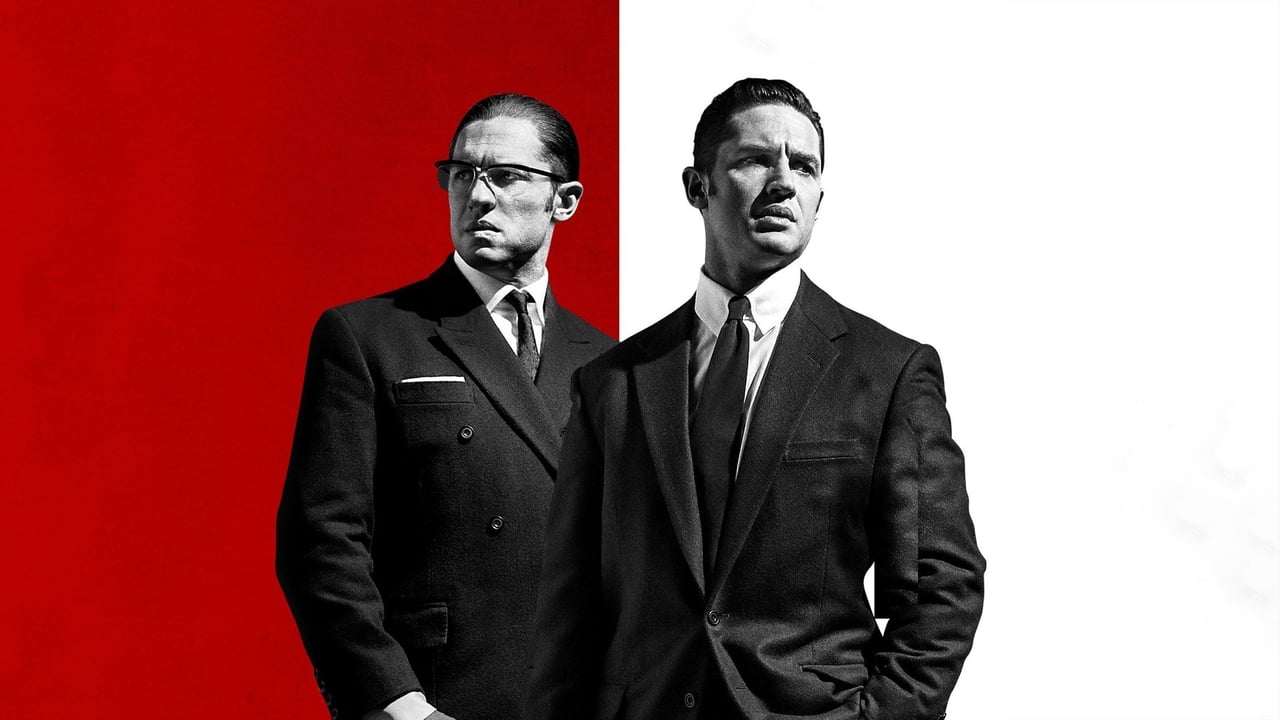
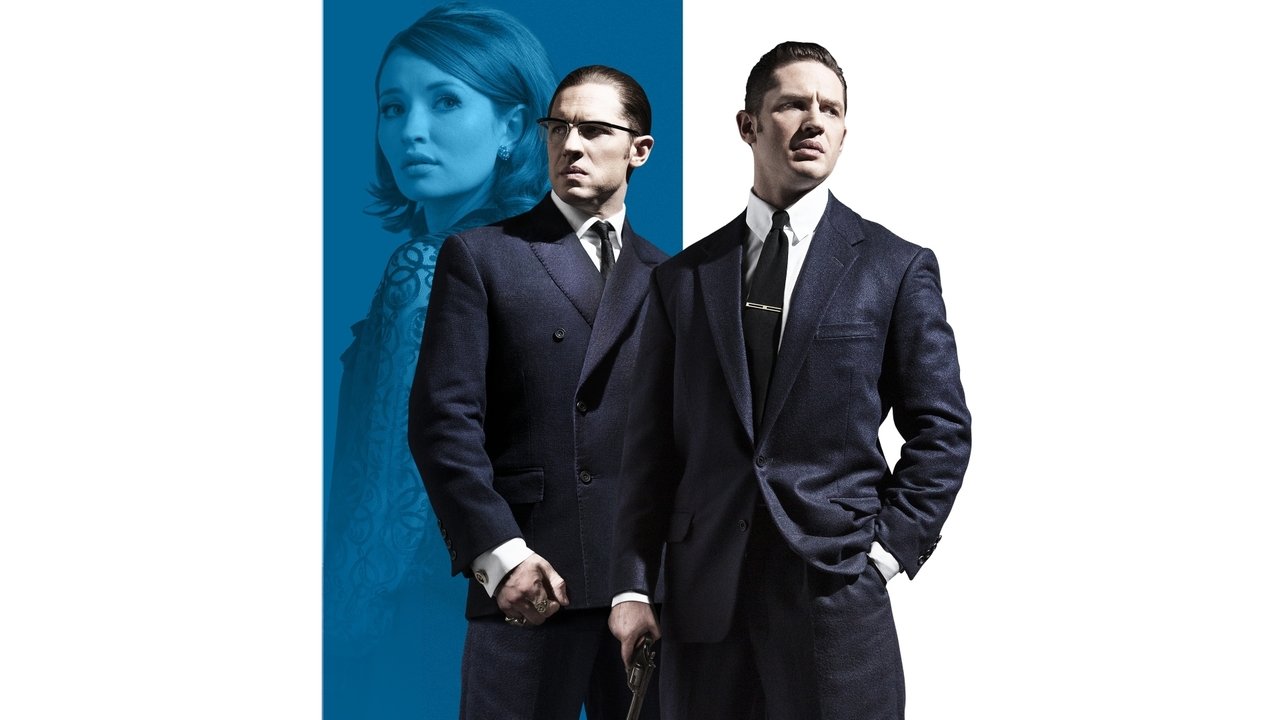
The big selling point, of course, is Tom Hardy playing both Reggie and Ronnie Kray. It’s an acting exercise that could have easily collapsed into a Saturday Night Live sketch, but Hardy approaches it with a terrifying level of commitment. Reggie is the "cool" Kray—the suave, business-minded club owner who looks like he walked off a Bond set. Then there’s Ronnie: a heavily medicated, volatile, and openly gay powder keg with a jawline that looks like it was carved out of a sidewalk.
If Reggie is the film’s brain, Ronnie is its id, and Hardy’s performance as the latter is polarizing. Honestly, Hardy’s performance as Ronnie is essentially a very expensive Muppet impression, but somehow, it works within the heightened, slightly surreal world director Brian Helgeland creates. There’s a scene where the two brothers get into a full-blown brawl in a casino, and the technical wizardry is so seamless you forget you’re watching a man beat himself up. Apparently, the production was so fast-paced—shooting in just 35 days—that Hardy would record Ronnie’s lines in the morning, pop an earpiece in, and play Reggie against his own recorded voice in the afternoon. It’s a masterclass in technical focus, even if the film around him occasionally feels like it’s struggling to keep up with his energy.
The Fragility Behind the Knuckle-Dusters
While the Krays provide the muscle, the film’s actual soul belongs to Emily Browning as Frances Shea. In an era where "the gangster’s wife" is often a thankless, one-dimensional role, Browning brings a brittle, ethereal quality to the screen. She provides the narration, which is a choice that has aged interestingly. It frames the Krays not as legends of industry, but as a tragic, inevitable weather pattern that destroyed everything in its path.
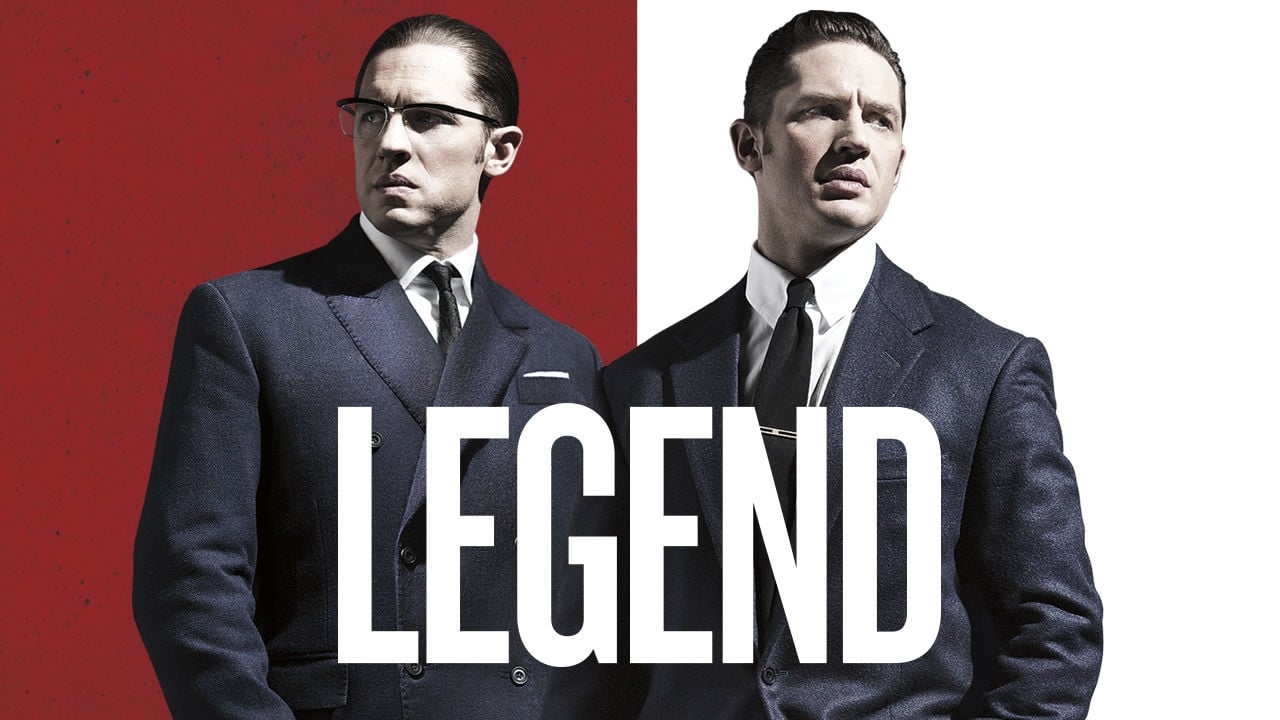
The drama here isn't just about who gets stabbed in a pub; it’s about the domestic horror of realizing you’ve married into a cult of personality. The scene where Reggie refuses to let Frances leave is more chilling than any of the throat-slitting. It highlights the toxic masculinity that the film ostensibly critiques, though it sometimes falls into the trap of making the Krays look a little too stylish in their slim-fit suits and shiny cars. We see a young Taron Egerton (just before Kingsman turned him into a household name) as Mad Teddy Smith, and David Thewlis (of Harry Potter fame) as the long-suffering business manager Leslie Payne. These supporting turns are vital; they remind us that the Krays weren't just brothers—they were a small, violent corporation.
A Glamorous Kind of Rot
Visually, Legend is a treat, thanks to cinematographer Dick Pope (The Illusionist). He captures a London that feels both nostalgic and predatory. The clubs are bathed in warm, inviting golds, while the back alleys are a cold, damp grey. It’s a "Contemporary Cinema" take on a period piece—it doesn’t feel like it’s trying to be a 60s movie; it feels like it’s a modern movie remembering the 60s through a blood-stained lens.
However, the film’s cult status really stems from the sheer "Hardy-ness" of it all. It has become a staple for internet film culture, fueling endless "literally me" edits on social media. People love the duality. There’s a lot of trivia that fans obsess over, like the fact that Hardy actually injured his ankle during one of the fight scenes but kept going, or that the production used the real Reggie Kray’s gold watch and cufflinks to give the performance a spectral bit of authenticity. Even Chazz Palminteri popping up as a Mafia boss feels like a nod to the genre’s lineage, linking London’s East End to the wider world of cinematic crime.
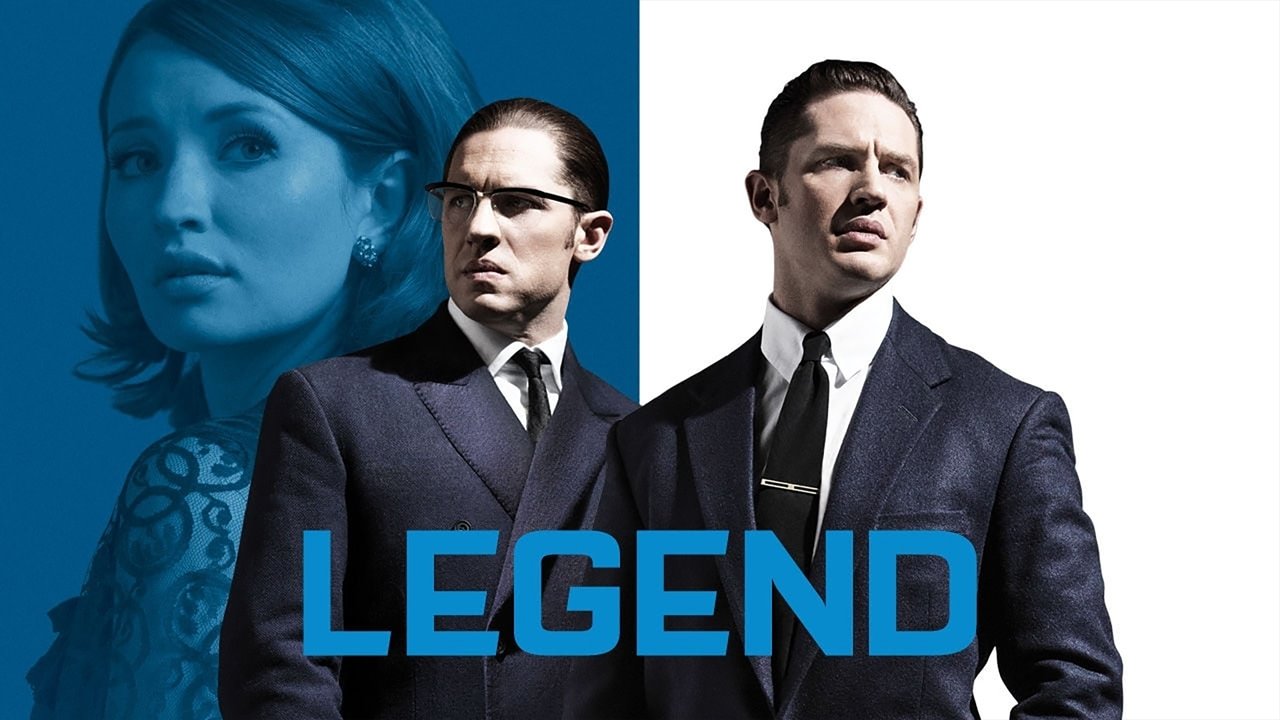
Ultimately, the film suffers from a bit of a mid-movie slump where the plot drifts as aimlessly as Ronnie on a bad day. It wants to be Goodfellas, but it settles for being a really excellent character study. It’s a movie that asks what happens when the person you love most is also the person most likely to ruin your life.
Legend is a film that operates on a "more is more" philosophy. It’s loud, it’s stylish, and it’s anchored by a dual performance that is either genius or madness, depending on which twin you’re looking at. While it doesn't quite reach the heights of the gangster epics it aspires to, it remains a fascinating relic of 2015—a moment when we were all collectively obsessed with what Tom Hardy would do next. It’s well worth the 132 minutes, if only to see Hardy win an argument with himself.
Keep Exploring...
-
Patriots Day
2016
-
Sherlock: The Abominable Bride
2016
-
Snowden
2016
-

The House That Jack Built
2018
-
Dogman
2018
-
El Camino: A Breaking Bad Movie
2019
-

The Devil All the Time
2020
-
Wrath of Man
2021
-
Sicario
2015
-
Suburra
2015
-
Don't Breathe
2016
-

Miss Sloane
2016
-
The Accountant
2016
-
22 July
2018
-

The Gangster, the Cop, the Devil
2019
-
Uncut Gems
2019
-
Promising Young Woman
2020
-
Extraction 2
2023
-
Fast X
2023
-
The Equalizer 3
2023